| Author |
 Replies: 15 / Views: 6,142 Replies: 15 / Views: 6,142 |
|
|
New Member
United States
3 Posts |
I got a few of these rounds and when I got them home, I noticed three of them had redish-brown discoloration around the edge of the round, reminiscent of fiat copper sandwich coins, just not as obvious. I also pulled up HM 2013 pic off the net and the mint mark "HM" on my coins seemingly have a thicker font with noticeably smaller distance between the vertical "H" bars than the Internet pic. Weighing them showed the highest at 31.250g and lowest 31.080g. (Troy=31.1035) QUESTIONS: Has anyone seen these edge discolorations on Highland Mint Buffalos before? From the pics, am I being too critical or should I be checking further into other testing mechanisms to see if these are real or counterfeit? All opinions welcome! Best regards, T 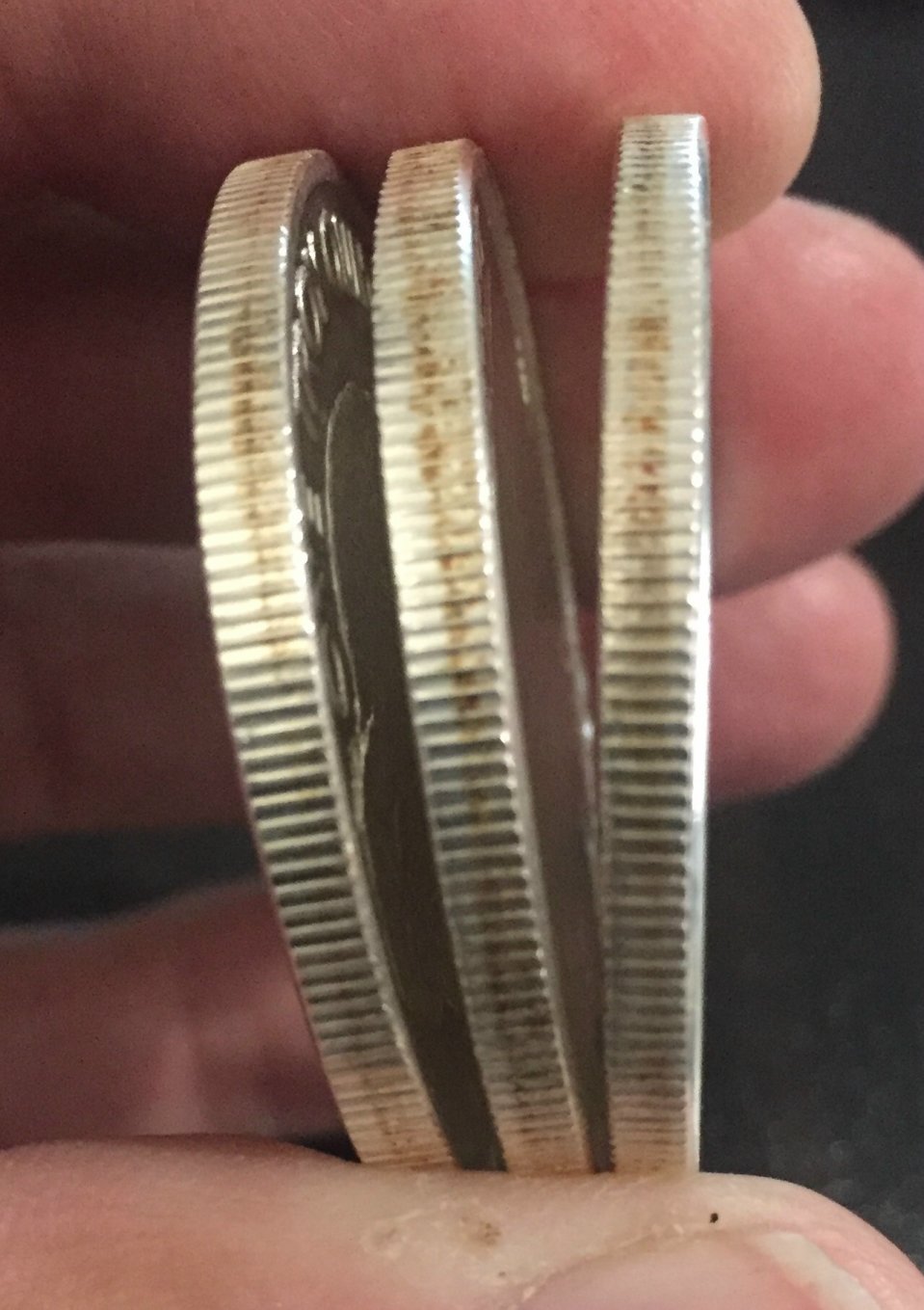 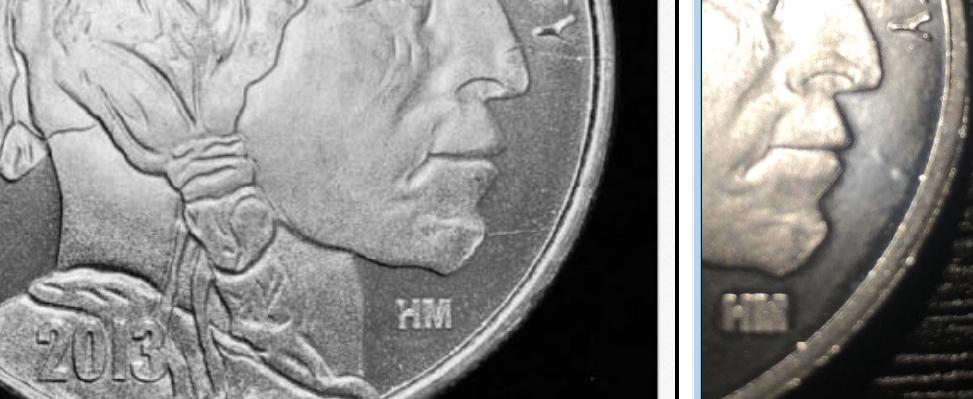 |
|
|
|
Bedrock of the Community
Australia
21789 Posts |
I am unfamiliar with these.
Without a wide knowledge base of their existence, some doubt may always exist for the owner.
XRF test may not be of much help, and just prove 99%+ silver plated with (say) an 80% silver core, with very slightly thicker planchet, to give a reassuring weight.
Need good and truthful information from Highland Mint, whoever they are.
Then trust what they are telling you.
----------------------------------------------------------------------------------------------------------------------------------------------------
I have seen this sort of coloration on the edge of other silver collector coins before, but I think this is only a very minor reason to doubt.
|
|
Moderator
 United States
56855 Posts |
|
|
New Member
 United States
3 Posts |
I will look into the XRF test. My first run at the info showed the handheld units are pretty pricey, but well in the range of a coin dealer given the negative effects of buying a plug nickle. Will look around there. Thanks for the suggestion! tissue test: That was interesting. The Buffalos came out quite different from the known clads I tested them against. I would really like to understand the effect since both are simply surface reflections. It seems that a 999 plated surface would respond the same way as a solid thickness ... yet there is a clear difference. What am I missing? Thanks! T 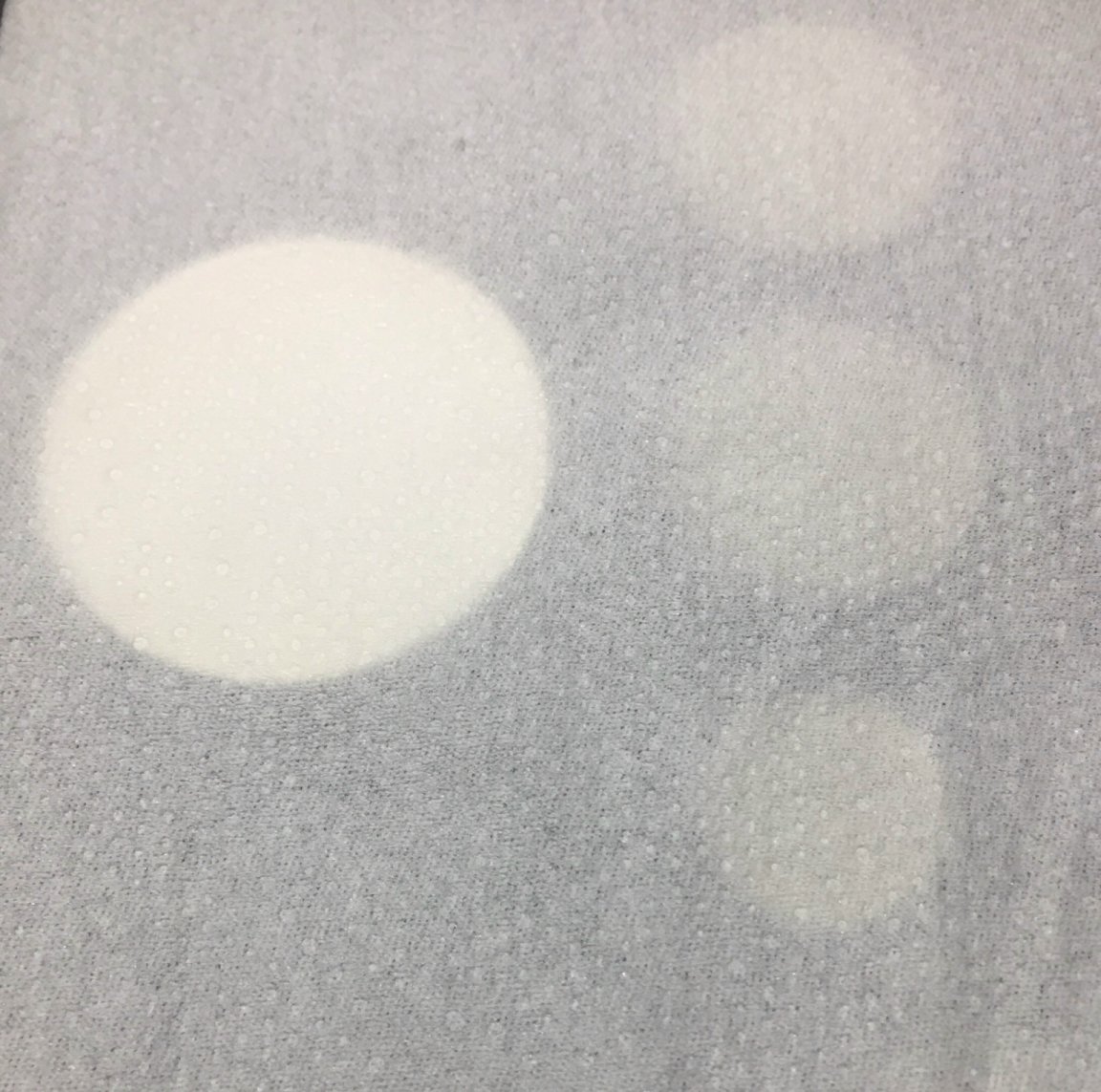 |
|
Bedrock of the Community
United States
10982 Posts |
I'm sure they are fine. Discoloration is completely normal and the weights are perfect. They should be hallmarked for purity and weight. No worries. P.S. Put no faith in a tissue test. The common sense test works much better. These are worth melt. |
|
Bedrock of the Community
Australia
21789 Posts |
With XRF,
a .999 plated surface would respond in exactly the same way as a solid pure silver coin.
|
|
Moderator
United States
56855 Posts |
Quote:
With XRF,
a .999 plated surface would respond in exactly the same way as a solid pure silver coin. So XRF test is of no use? Quote:
They should be hallmarked for purity and weight Are they? Quote:
Put no faith in a tissue test tissue test is of no use? What is a person to do to find out what a coin is made from? John1  |
|
Pillar of the Community
United States
3079 Posts |
They are sold to dealers by a number of the bullion houses, I have a number of them along with a number or other rounds that have "THE TONING" on them. They are silver any of the major bullion houses wouldn't be selling them if they weren't silver. You should be only buying from the major bullion houses if you are going to buy on line. Dealing with a trusted local shop is even better. You will loose less sleep worrying over whether they are real. After all the problems and fakes that have been posted over the years I can't believe anybody still buys from the bay.
|
|
Moderator
United States
56855 Posts |
I would think that any reputable minter would at the very least, put on the coin/token/medal .999 fine silver. Yes I know the fakers can do that too,but still. John1 |
|
Pillar of the Community
United States
3079 Posts |
Here is one of mine from HM 2014  |
|
Moderator
United States
195203 Posts |
 to the Community! |
|
Pillar of the Community
Canada
5290 Posts |
There is a tool (not XRF) which tests FLAT pieces and due to the process (electromagnetic signature?) it is not just a surface test. This tests silver and gold. I forget the brand, but it is not cheap. I never heard of the tissue test before outside of CCM, but since it is just a subjective visual test of colour of the surface, it is no substitute for more substantial tests. |
|
New Member
United States
3 Posts |
After a little research, I ran my first Specific Gravity test. 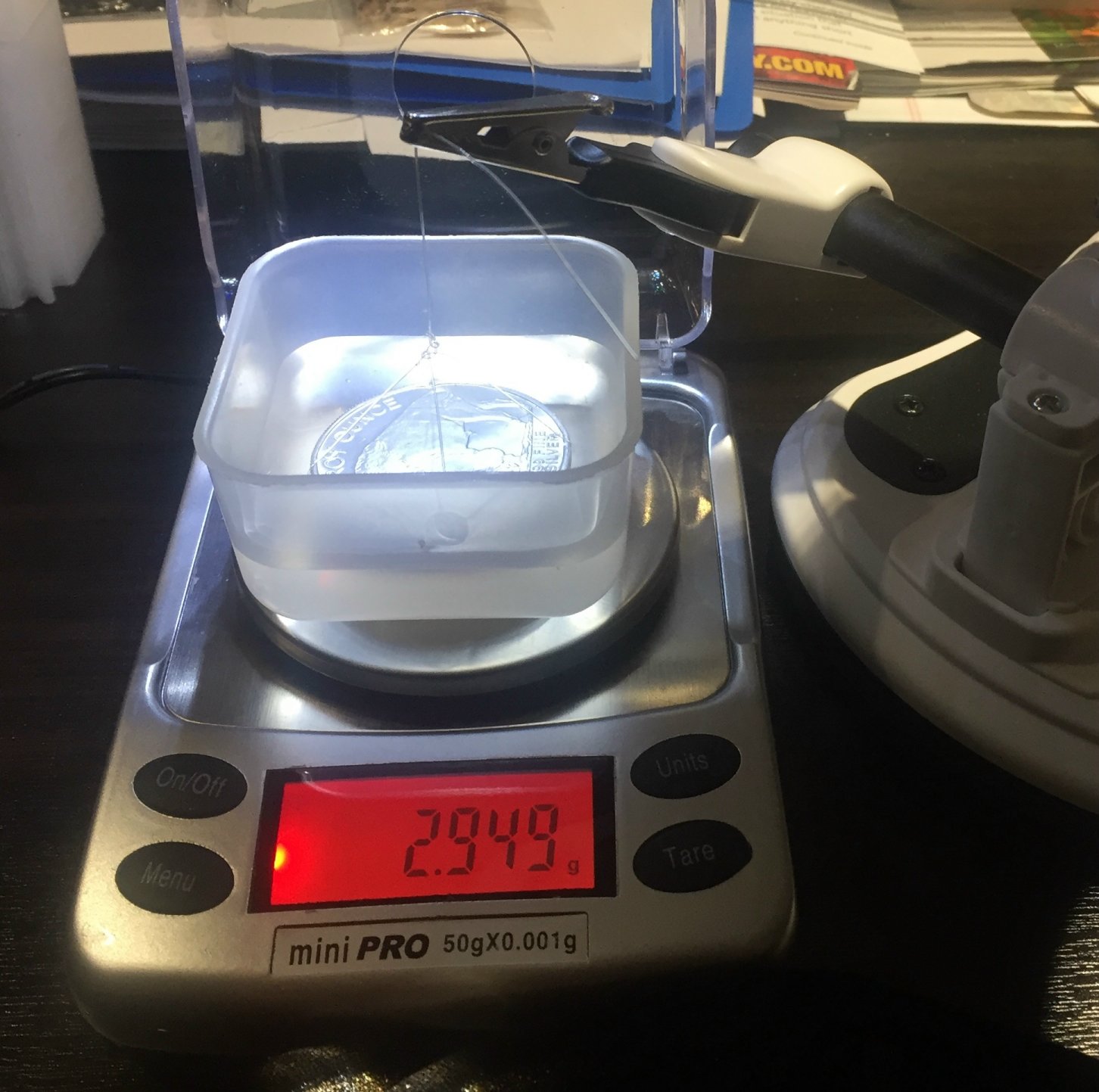 The average SG came out to 10.510 with 0.071 STD. That looks pretty reasonable to this bullion nube. The purchase source was a major dealer, so it's very likely these are the real McCoy. I did find a coin dealer with some testing eq that I am going to stop buy and get acquainted tomorrow to see if I can complete my learning process. Hands on understanding/measurement helps confidence grow. I do appreciate all the suggestions and guidance from the good folks in the Community. It has been quite helpful!  |
|
Bedrock of the Community
Australia
21789 Posts |
It is possible to make up an alloy that exactly matches the density of silver.
An electrical conductivity test, WITH a density test combined, should prove conclusive.
|
|
Moderator
United States
195203 Posts |
Quote:
After a little research, I ran my first Specific Gravity test. Well done.  |
|
Bedrock of the Community
United States
10982 Posts |
Quote:
After a little research, I ran my first Specific Gravity test. Nice job on the test. These 1 ounce rounds are usually die struck to a nice finish and hallmarked with weight and purity. Yours are fine. Don't overthink this issue. You could drive yourself crazy trying to prove something that really needs no investigation whatsoever. After you handle a few you will gain confidence. |
| |
Replies: 15 / Views: 6,142 |
|






 Posted 11/24/2019 04:39 am





