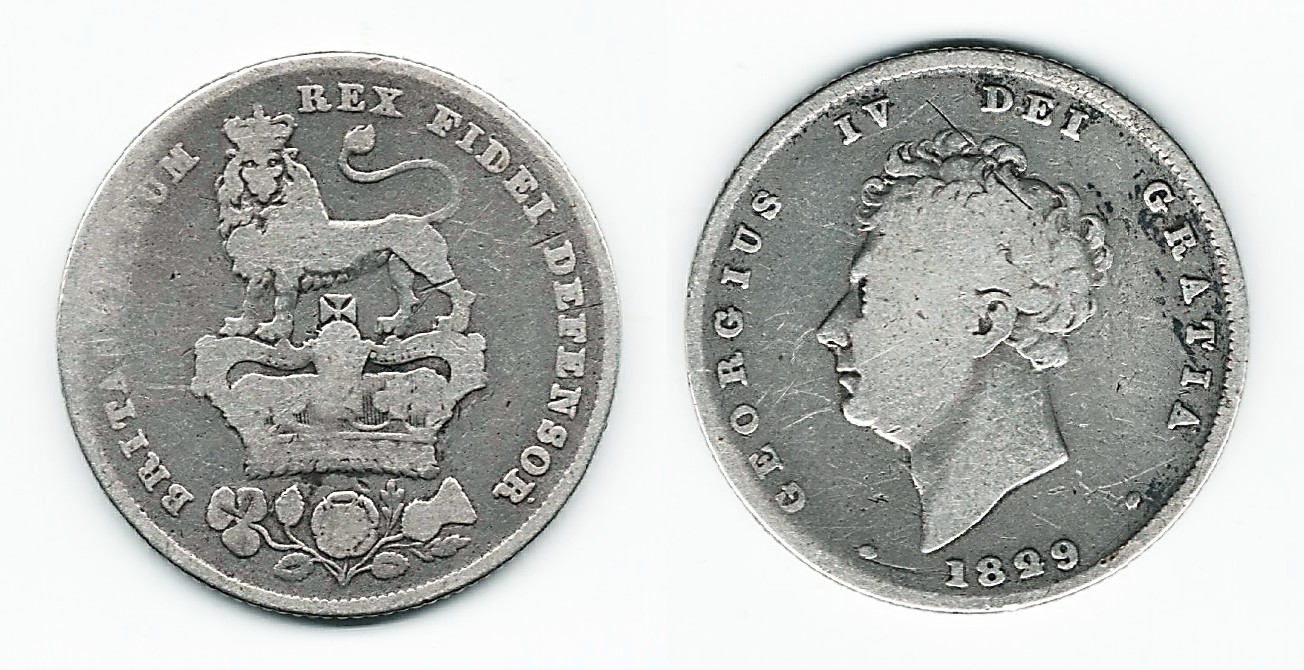
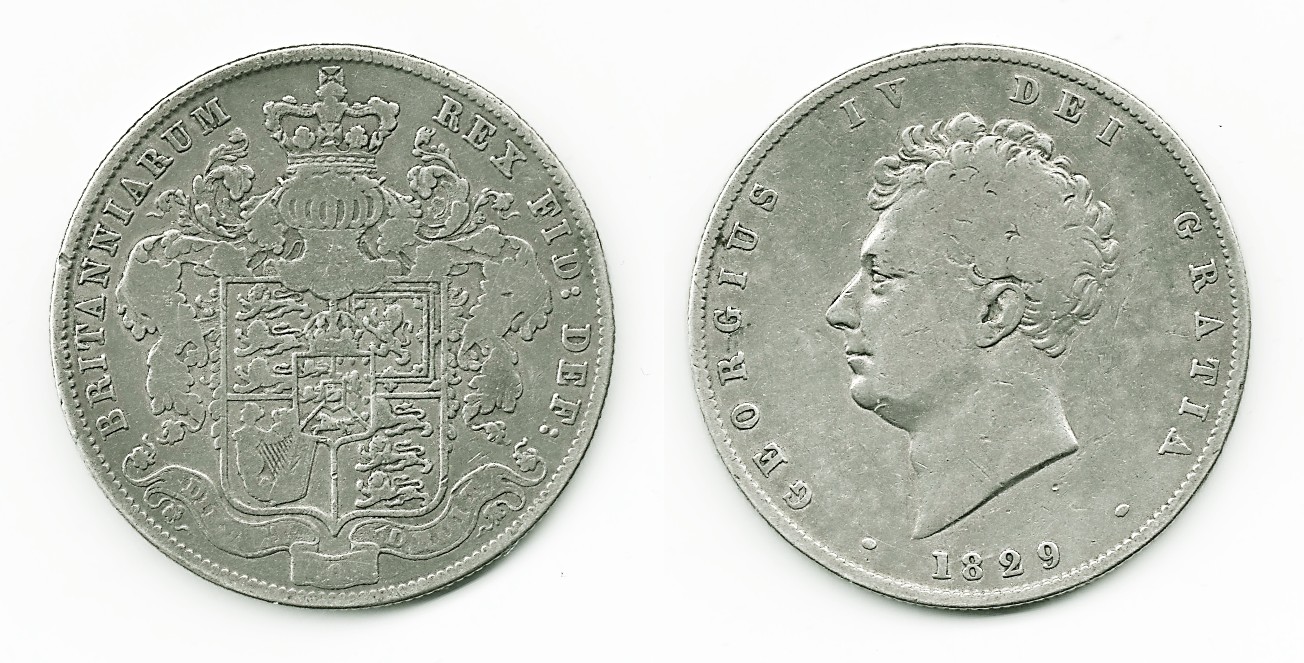
Great coins and education lessons everyone.
I don't have any 1830 coins, but will have to wait until 1828.
George IV was one of the UK's most flamboyant kings and despite his complete incompetence is well remembered for the able politics in his reigh (Catholic Emancipation act 1829 - which he opposed, pretty much forced by the Duke of Wellington, whose brother was married to a Catholic heiress).

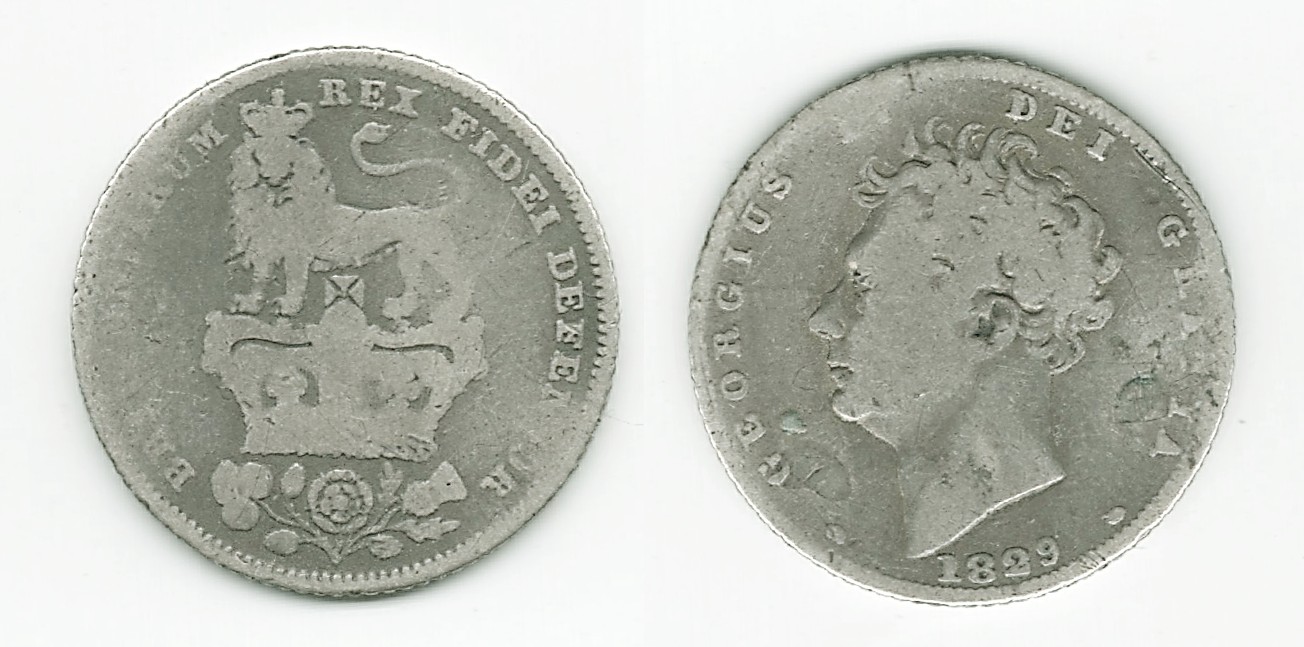
Early (1820 - 1825) Portrait of King George IV (Laureated)

Later unlaureated portrait of George IV 1825 - 1830.
George was born in 1762 as the oldest child and direct heir of King George III and Queen Charlotte. He led a privileged upbringing and from an early age in Hanoverian tradition opposed everything his father stood for. (William was more like his father - frugal and genial). George was flamboyant, extravagant and had a huge appetite for food, sex, fun and pomp.
George was a notorious rake opening having an affair with the Catholic courtesan Mrs Fitzherbert and some 12 children, he had just one legitimate child with his real wife Caroline of Brunswick, whom he despised and kept her away from the Coronation in 1821!
Always a glutton and voluptuary, George was already fat by his late 20s and was satirised by such cartoonists as James Gilray and Thomas Rowlandson. He constantly was at odds with his father who passed the Royal Marriages act of 1770 to stop his wilful kids marrying whoever they wanted (George was 8, so already its was his character if the king had doubts).
In 1788, King George III had a fit of madness and nearly died, Goerge tried to take over as king, but it failed and in 1789 the king recovered. Porphyia was the cause and it continued on and off to his death. In 1811 King George III was king in name only and the Regency with Prince George began.
Despite the Prince's nicompoopery (Blackadder III sums it up well

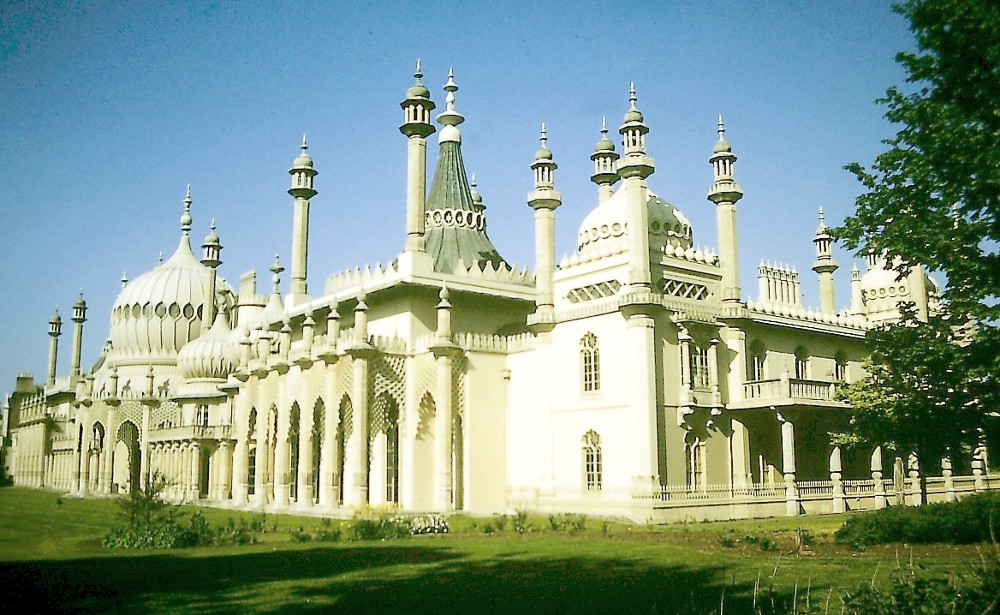
), this was a golden age of art and literature, Authors like Jane Austin, Percy Shelley and Lord Byron. We had trains and all other sorts of steam powered doo dads being invented, the defeat of Napoleon and new coins in 1816 - The Prince at least patronised Arts and Culture and was famous for his Royal Pavilion in Brighton with its neo Indian and Moorish influences. The King remained very fat. His only child died and this left the throne precarious. Fortunately in 1819, his younger brother produced a heir in the form of Princess Victoria who went on to be England's greatest queen.
In January 1820 King George III died and George was now George IV, he issued Halfcrowns and Shillings in 1820 (With also G3 coins being issued that year too). In 1821 he had a lavish coronation and many old rituals such as a knight offering to fight off challengers to the throne occurred. People were angry when popular Queen Caroline was kept out of the surroundings.
George visited Scotland in 1822 and made himself popular and loved to look the dandy well into his 60s. Portraits of him were often made to make him look skinnier and prettier than he really was. Look at the coinages, the first portrait shows a fleshy and jowly man, the second shows a much healtheir and slender face with blowing hair, nothing like the 63 year old blob he was.
Such behaviour would have been tut tutted in the Victorian era, but not in the Georgian with its gambling, drinking,

s, the theatre and dress up wigs, frock coats and the like. The Georgian era really was one big party for the rich and true misery for the poor - although famine had been eliminated except in Ireland.
Gout, diabetes and obesity related illnesses finally killed him off in 1830 aged 67.
George's coinages are interesting, the brief reign had 3 major types of coins - the first two had elaborate shields and Anno on them for half crowns down to 6d's and last just a shield with foliage and a Knight's helmet (George loved Medieval stuff and imagery). Crowns and Gold had the St George and the Dragon them and coins up to 5 sovereigns were issued in 1821 and 1826, just sovereigns other years. Unlike William, coins were issued basically every year 1820 to 1830.
Copper used the Britannua design and unlike other denomination issued only a few years. Fractional farthings were issued for colonies and small silver had the crowned numerals like NumisRobs beautiful 1830 set.
The UK was very prosperous in the 1820s and well governed with Lord Liverpool, the Duke of Wellington and Early Grey at the helm, the king was a constitutional monarch only and thank God he was not an absolute ruler like his French friends.
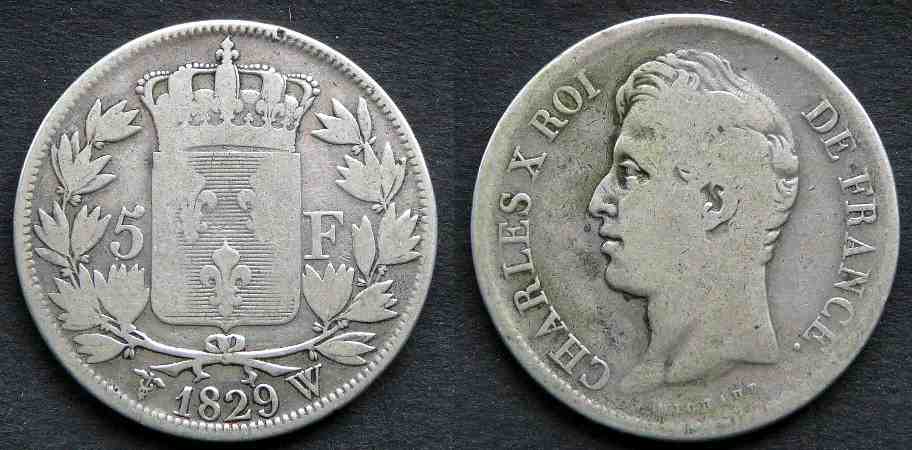
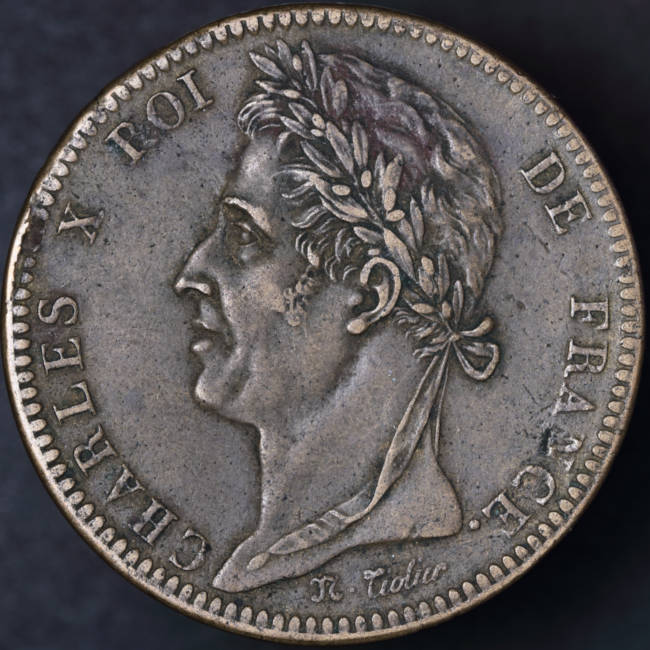
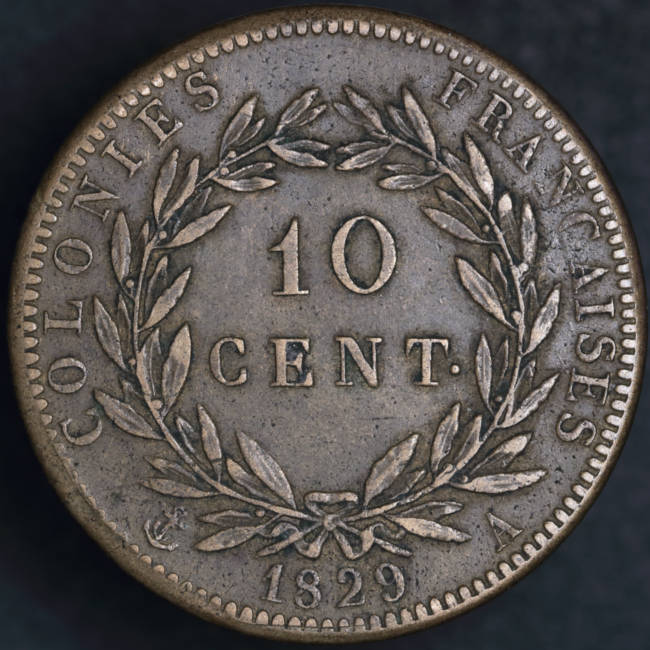
Les Miserables culminates in the July riots which were outrage against the traditionalist Charles X.





 First Page
 Previous Page



 Posted 07/30/2020 12:04 am