
 Augustus49!

 Posted 01/10/2020 11:45 pm


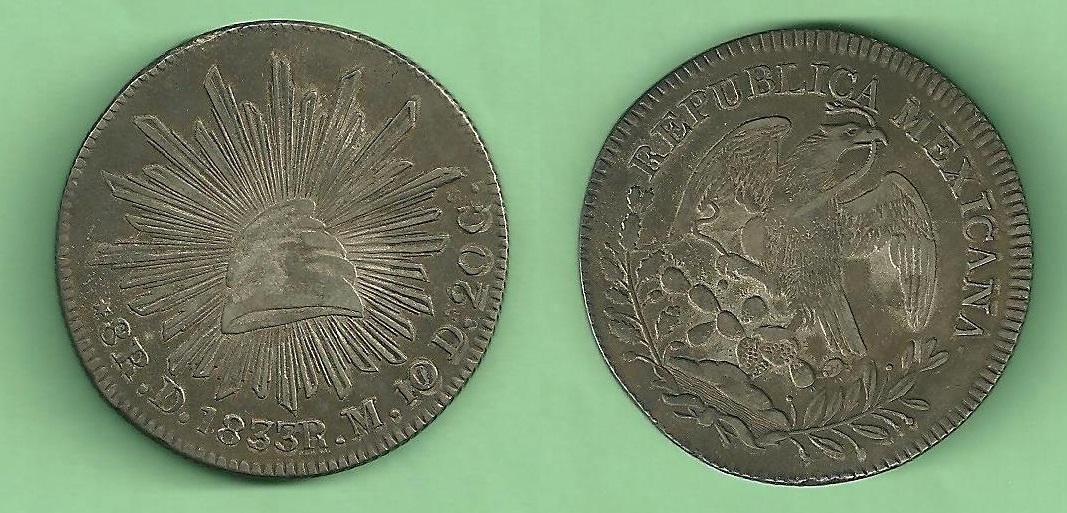
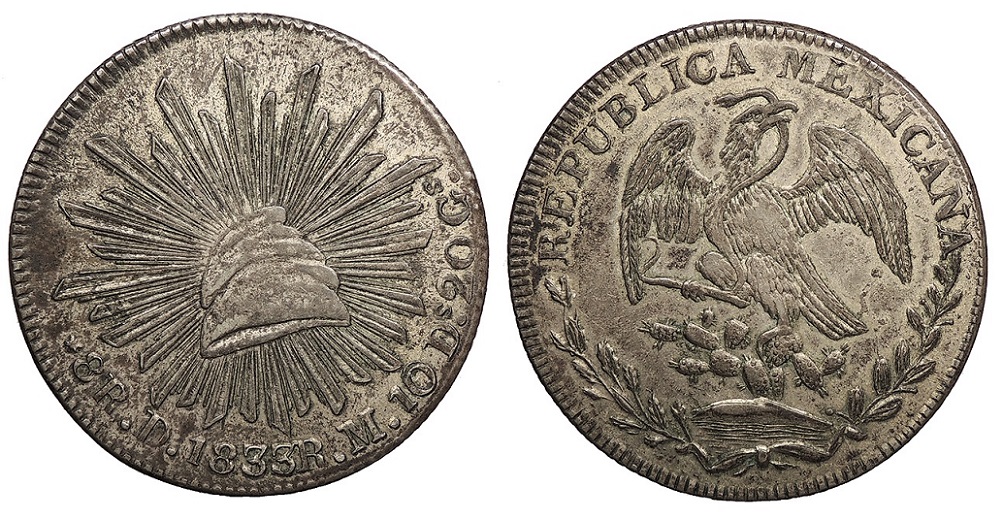
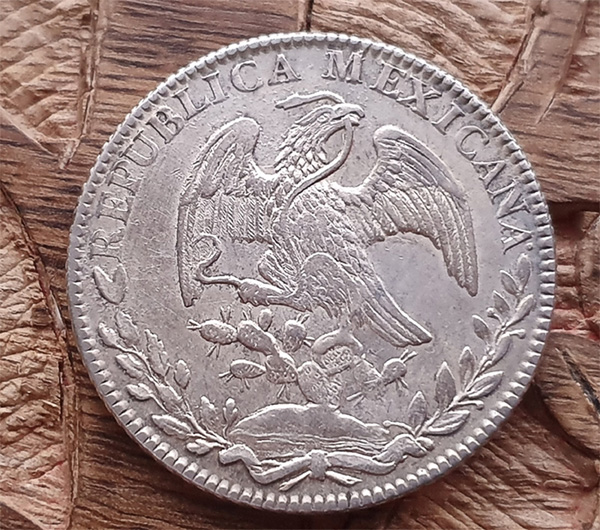
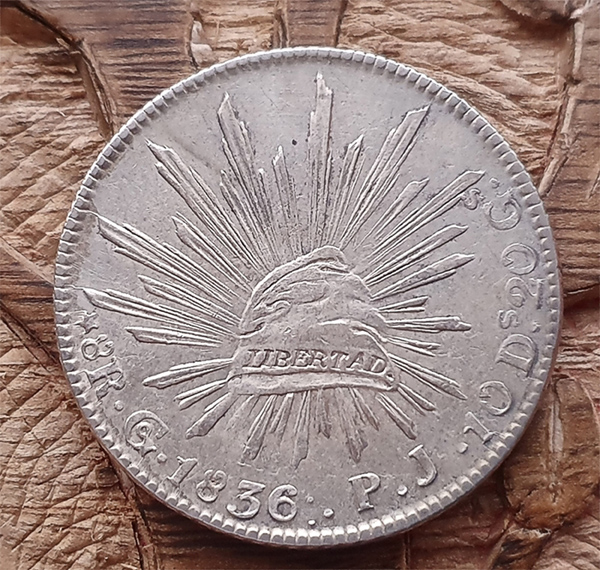
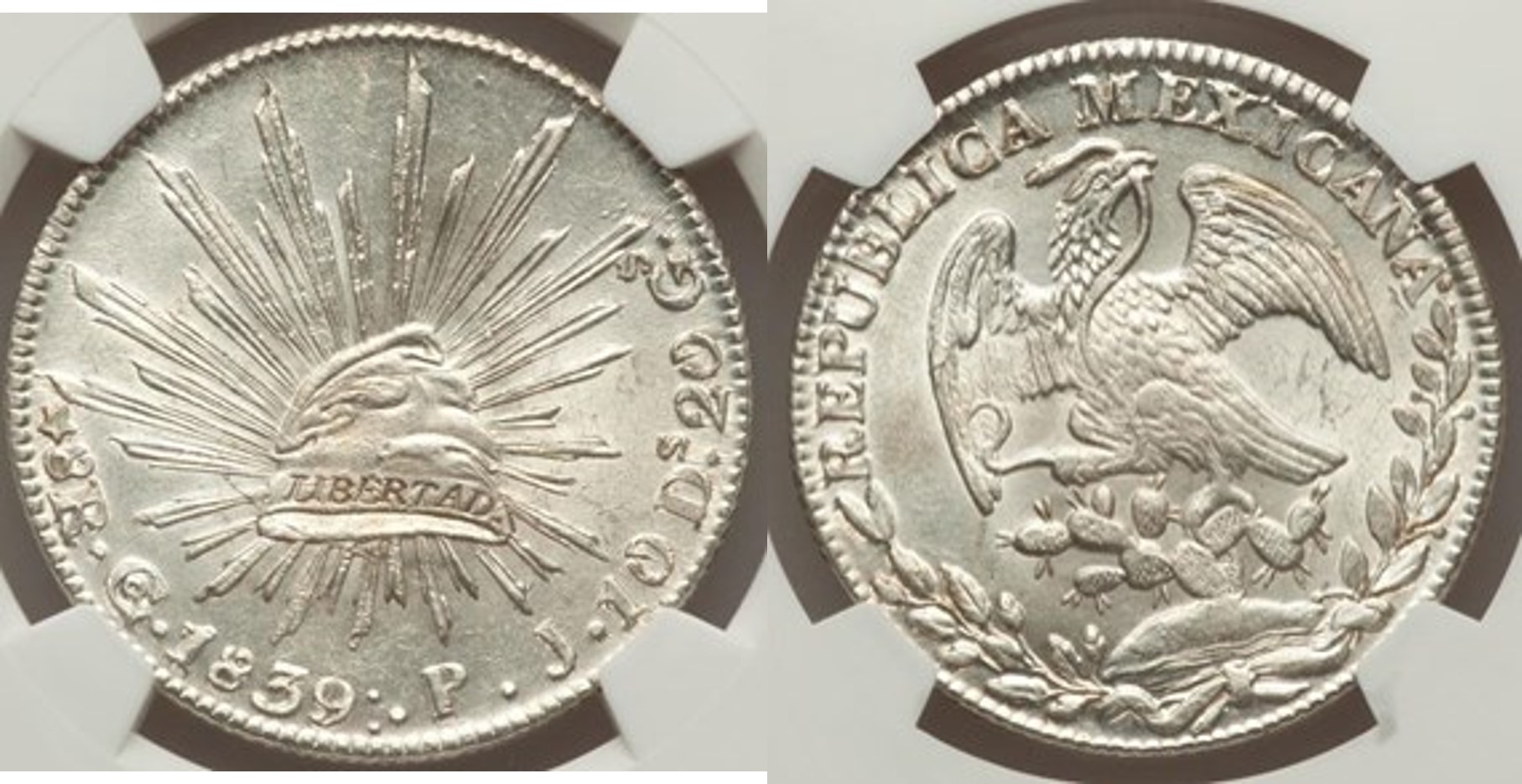
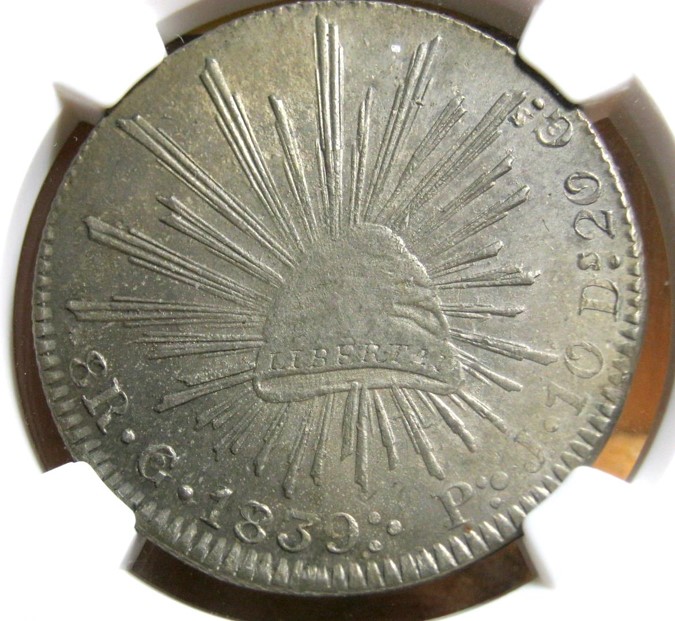
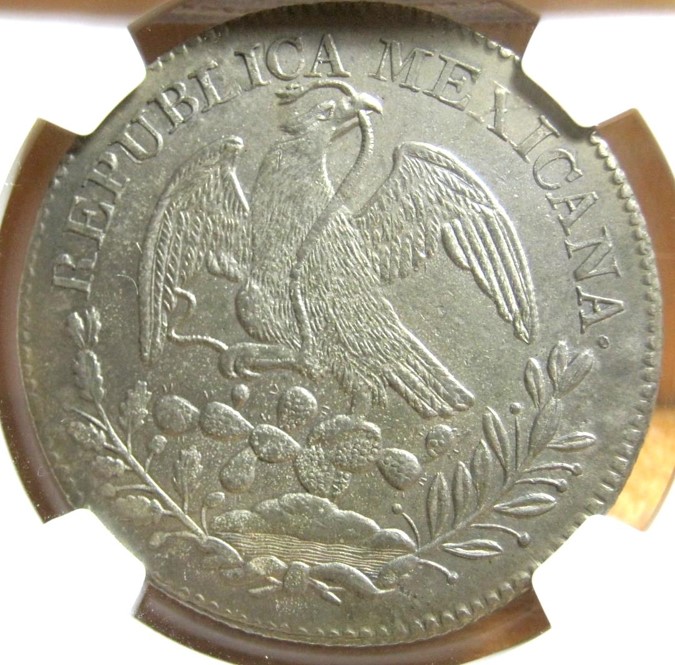
Augustus49 You have a very nice Contemporary Circulating Counterfeit 8 Reales. The coin is part of a rather distinctive family of counterfeits that is known for the well engraved - artistic depictions of the Mexican Eagle. The dies carry several dates and there is no correction between the mint and the style of the eagle.
As a specialist in the type I will advise you of the fact that it is in an NGC slab makes it of more interest than the fact that the coin is not genuine. Raw the counterfeit might bring $100 but in the holder it should bring more. Last I knew there was a bounty on encapsulated counterfeits of $100 just so that they can be removed from the holders.
I have a dozen in my collection already and I for one am always looking to expand my collection.
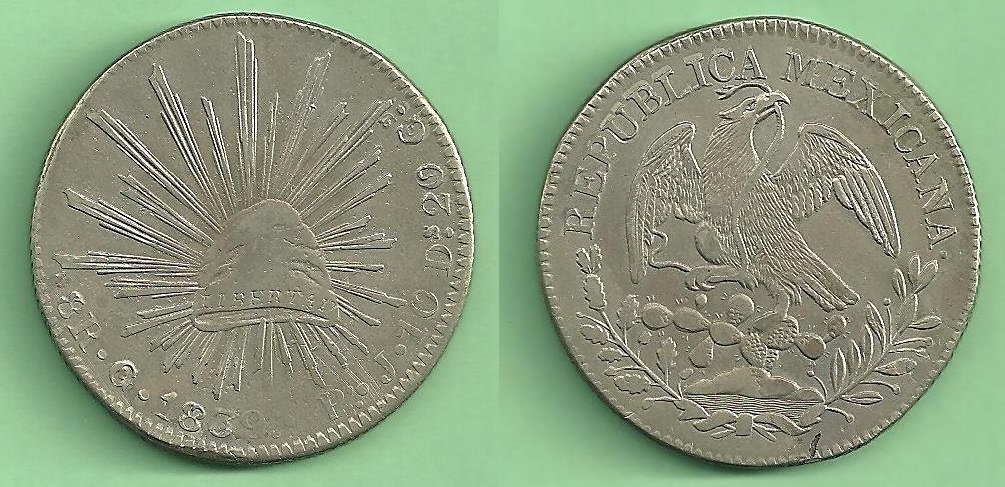
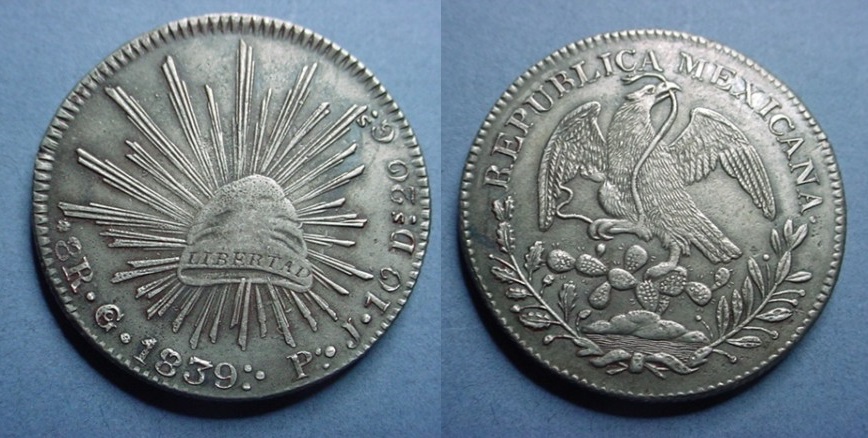
The general type itself is a relatively common counterfeit there are at least 4 Cap dies and 5 Eagle dies in the family. This is one of two similar varieties of a "Zacatecas style" bird. There is also a Guanajuato style bird and a Mexico City style as well as a very distinctive bird I call a Grosbeak. The most common variety are the 1833 D RM coins.
I have seen several examples in equally high grades which caused me for a time to suspect a more recent origin. The first couple I encountered came out of a 1970's collection formed in Canada. The collector passed away in the 1990's and I bought his collection. Since then other high grade examples of this same eagle have appeared at widespread locations from coast to coast in the US. Most have a provenance that dates back 40-50 years. Most examples are Cu-Ni alloys with minimal to zero silver content. None are magnetic. It took me a couple years to locate several well worn examples with standard period markings of testing and cancellation. The apparent age places the coin squarely in the Hard Times era.
I now classify the group as a Non-Riddell variety dating to the period before the US Civil War (based on the metal used). The technology employed makes the most likely point of origin the UK with the point of entry via Canada.
As a specialist in the type I will advise you of the fact that it is in an NGC slab makes it of more interest than the fact that the coin is not genuine. Raw the counterfeit might bring $100 but in the holder it should bring more. Last I knew there was a bounty on encapsulated counterfeits of $100 just so that they can be removed from the holders.
I have a dozen in my collection already and I for one am always looking to expand my collection.
The general type itself is a relatively common counterfeit there are at least 4 Cap dies and 5 Eagle dies in the family. This is one of two similar varieties of a "Zacatecas style" bird. There is also a Guanajuato style bird and a Mexico City style as well as a very distinctive bird I call a Grosbeak. The most common variety are the 1833 D RM coins.
I have seen several examples in equally high grades which caused me for a time to suspect a more recent origin. The first couple I encountered came out of a 1970's collection formed in Canada. The collector passed away in the 1990's and I bought his collection. Since then other high grade examples of this same eagle have appeared at widespread locations from coast to coast in the US. Most have a provenance that dates back 40-50 years. Most examples are Cu-Ni alloys with minimal to zero silver content. None are magnetic. It took me a couple years to locate several well worn examples with standard period markings of testing and cancellation. The apparent age places the coin squarely in the Hard Times era.
I now classify the group as a Non-Riddell variety dating to the period before the US Civil War (based on the metal used). The technology employed makes the most likely point of origin the UK with the point of entry via Canada.