| Author |
 Replies: 13 / Views: 2,263 Replies: 13 / Views: 2,263 |
|
|
Valued Member
United States
55 Posts |
Would love anyone's opinion on cleaning this coin. Thanks, 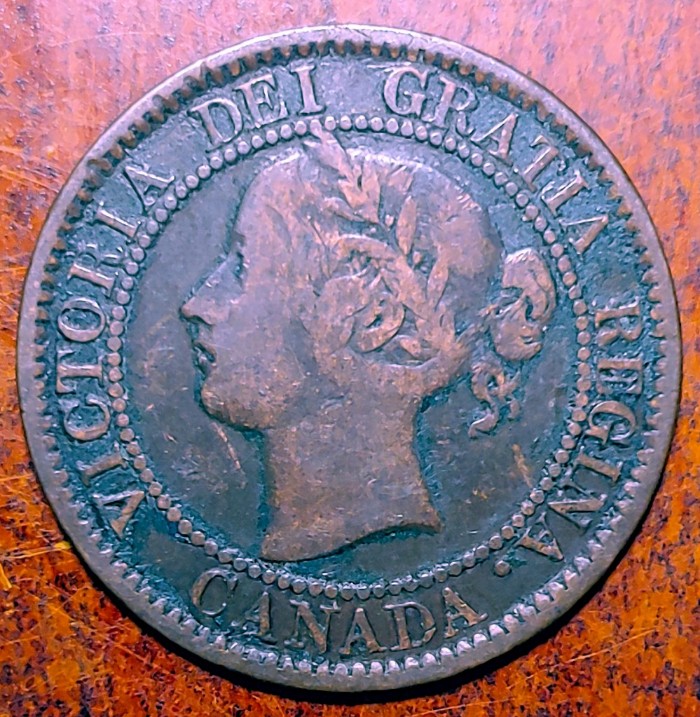 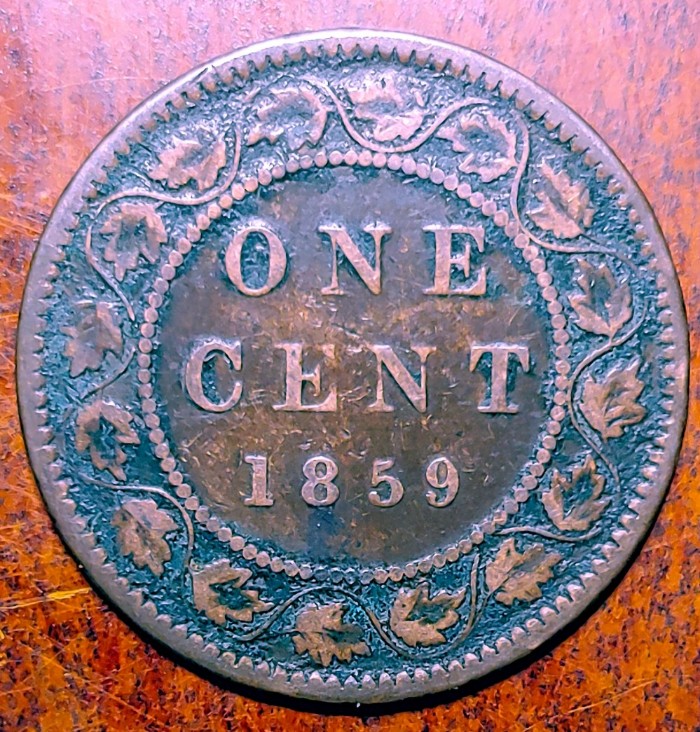 |
|
|
|
Valued Member
Canada
258 Posts |
First rule is don't clean coins. Second rule is follow the first rule.
Experts will chime in with some proper techniques perhaps so wait and see a few recommendations before proceeding.
|
|
Pillar of the Community
United States
7387 Posts |
Looks like it's already been cleaned. But that coin is a candidate for an acetone bath.
|
|
Pillar of the Community
New Zealand
1679 Posts |
It looks like PC59-229 and if you are going to "clean it" then I would suggest soaking in WD40 and picking out the crud with a hawthorn thorn as it is soft enough not to damage the coin(my thoughts)
Cheers Don
Vickies cents and GB Farthings nut.
"Old" is a figure of speech and nothing more
Edited by fourmack
03/20/2020 3:13 pm
|
|
Pillar of the Community
 Canada
5644 Posts |
You ordinarily would never clean coins, but the green isn't dirt, it's a chemical reaction and/or corrosion. I would recommend a few fairly quick dips in acetone and work GENTLY with a soft cotton swab and/or flat toothpick. A vanilla 1859 with that much wear isn't worth more than a buck or two, but the specific type of vine break at leaf 2 (about 12:30 on the clock) opens the possibility that it could be a scarcer variety. There are a number of different dies with that type of vine break at 2, some scarce, some not .. the only way to tell is to look for other markers, but the markers are hidden in the green. Only acetone will allow a peek at them.... pay attention to the reverse side around leaves 11-14. Is the 5 "doubled"?
|
|
Pillar of the Community
Canada
9691 Posts |
If you can get any Verdi-Care then I would use that.
|
|
Moderator
 Canada
10473 Posts |
+1 for Verdi-care
"Discovery follows discovery, each both raising and answering questions, each ending a long search, and each providing the new instruments for a new search." -- J. Robert OppenheimerContent of this post is licensed under a Creative Commons Attribution-NonCommercial 3.0 Unported License. See: http://creativecommons.org/licenses...0/deed.en_USMy eBay store
|
|
Pillar of the Community
Canada
842 Posts |
If the gunk is soft enough to remove with a fingernail, use some oil, wd-40, vegetable oil, etc., and a toothbrush (no it won't scratch bronze). If it's hard, try acetone. If you don't have acetone (who does?) or it doesn't work, soak in a rust remover for a day or 2 and try the brush again. If that doesn't work, end of the road.
Edited by TerryT
03/20/2020 7:46 pm
|
|
Valued Member
 United States
55 Posts |
Thank you for your input.
Much appreciated.
Stay healthy.
|
|
Pillar of the Community
Canada
5644 Posts |
You can go into any Home Depot, Lowe's or hardware store and get a pinto or quart of acetone for just a few bucks. Verdi-care used to be hard to find, but who knows now.
|
|
Bedrock of the Community
Australia
21789 Posts |
I think that the bronze disease still needs passivation, otherwise more damage will result over the long term.
That is a tough call to make, and even tougher to follow up on, because most passivation techniques do net necessarily apply to bronze coins, because the patina relating to coins may be be at risk.
Some extensive internet searching on the subject of passivation of bronze disease has to be done, before a risk may be taken to proceed.
Museums are often forced to take this type of risk with ancient bronze coins recovered from direct contact ground burial.
|
|
Valued Member
United States
170 Posts |
I would never clean any coin no matter the wear or what gunk may be present- UNLESS you can do so very gently, or using acetone very lightly.
Jasper
Edited by river4449
03/23/2020 4:19 pm
|
|
Pillar of the Community
Canada
1993 Posts |
that green doesn't look like corrosion to me kinda looks like waxy stuff I would go for it with a qtip and acetone, ive had a couple like this that came out looking nice also not a real valueble coin
|
|
Bedrock of the Community
Australia
21789 Posts |
It may very well be the case that the coin has had the benefit of protection by a coating in Renwax or something similar.
(Renwax is sometimes used by museums to protect ancient bronze coins after a restoration or bronze disease passivaton).
If that is the case, then the removal of the wax protection by cleaning in acetone could start the bronze disease again, especially if there is any moisture that may be close to the coin.
|
| |
Replies: 13 / Views: 2,263 |
|







 Posted 03/20/2020 1:35 pm





