











 Posted 03/22/2020 11:49 am


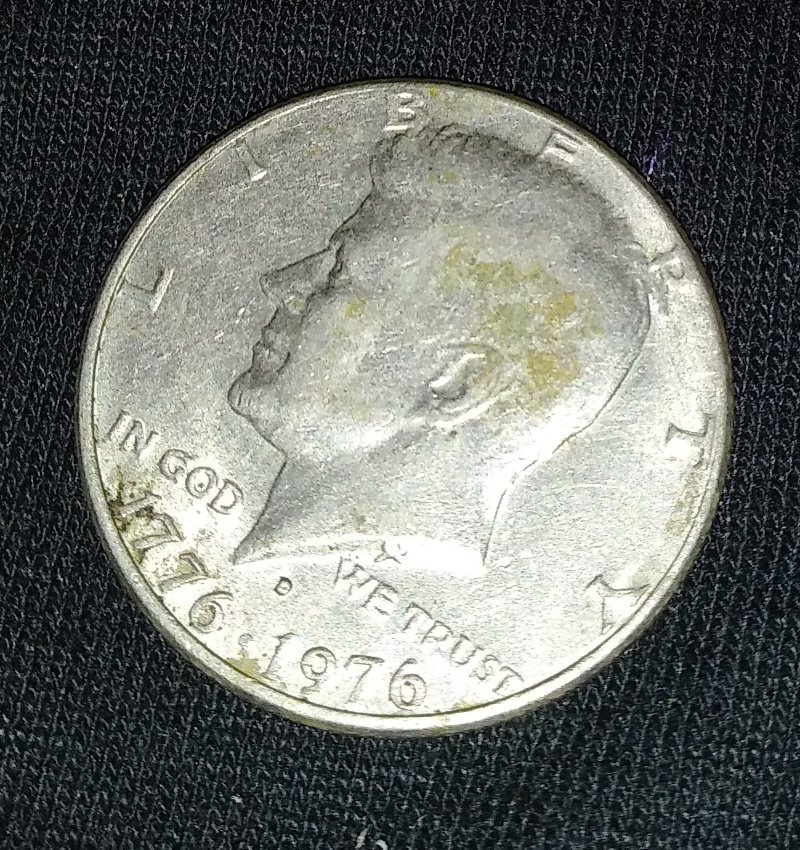
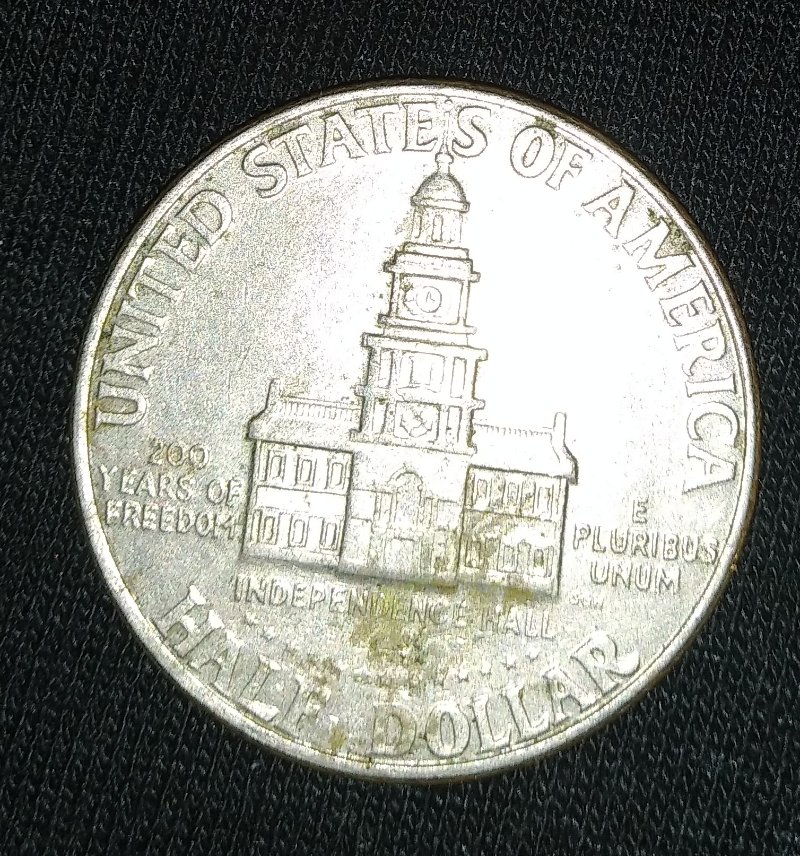
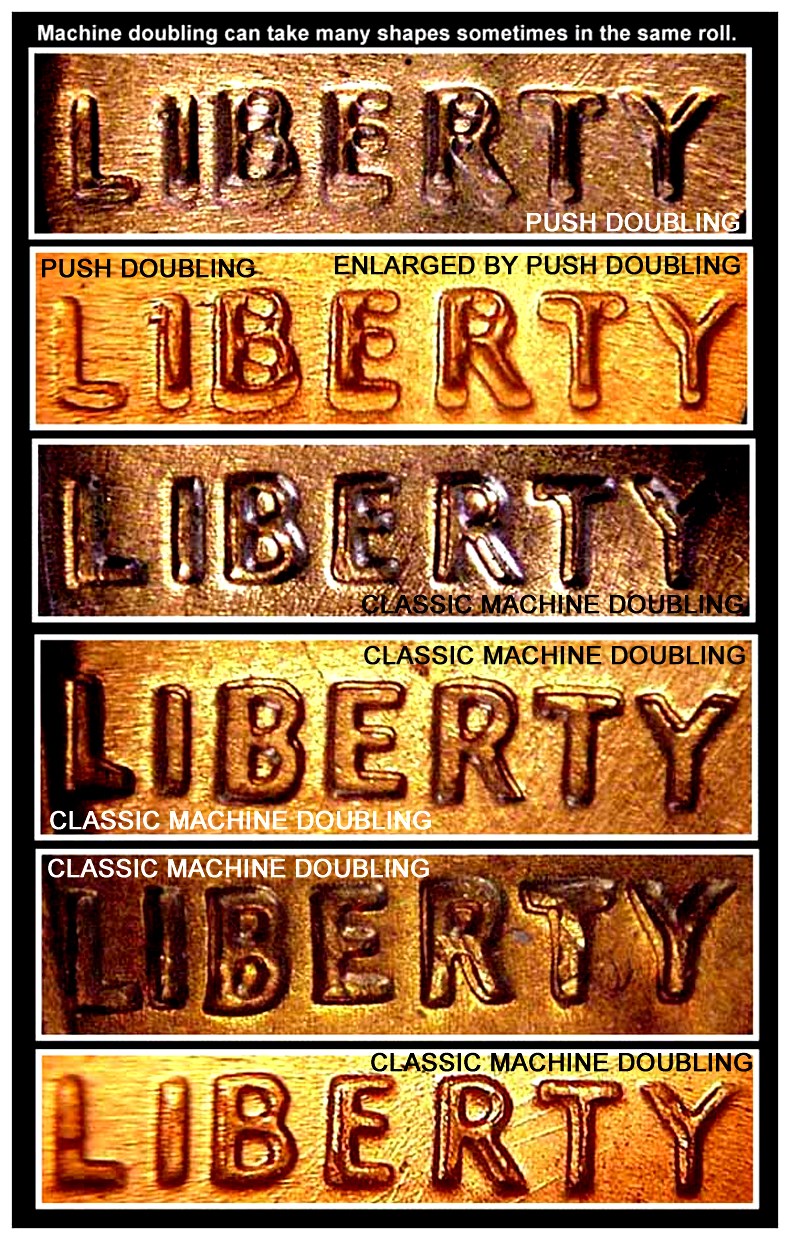
This is called Machine Doubling. The machine damages the freshly struck coin.
It is not a doubled die as only doubled dies create doubled die coins. It is not a machine caused variety. But a machine altered coin.
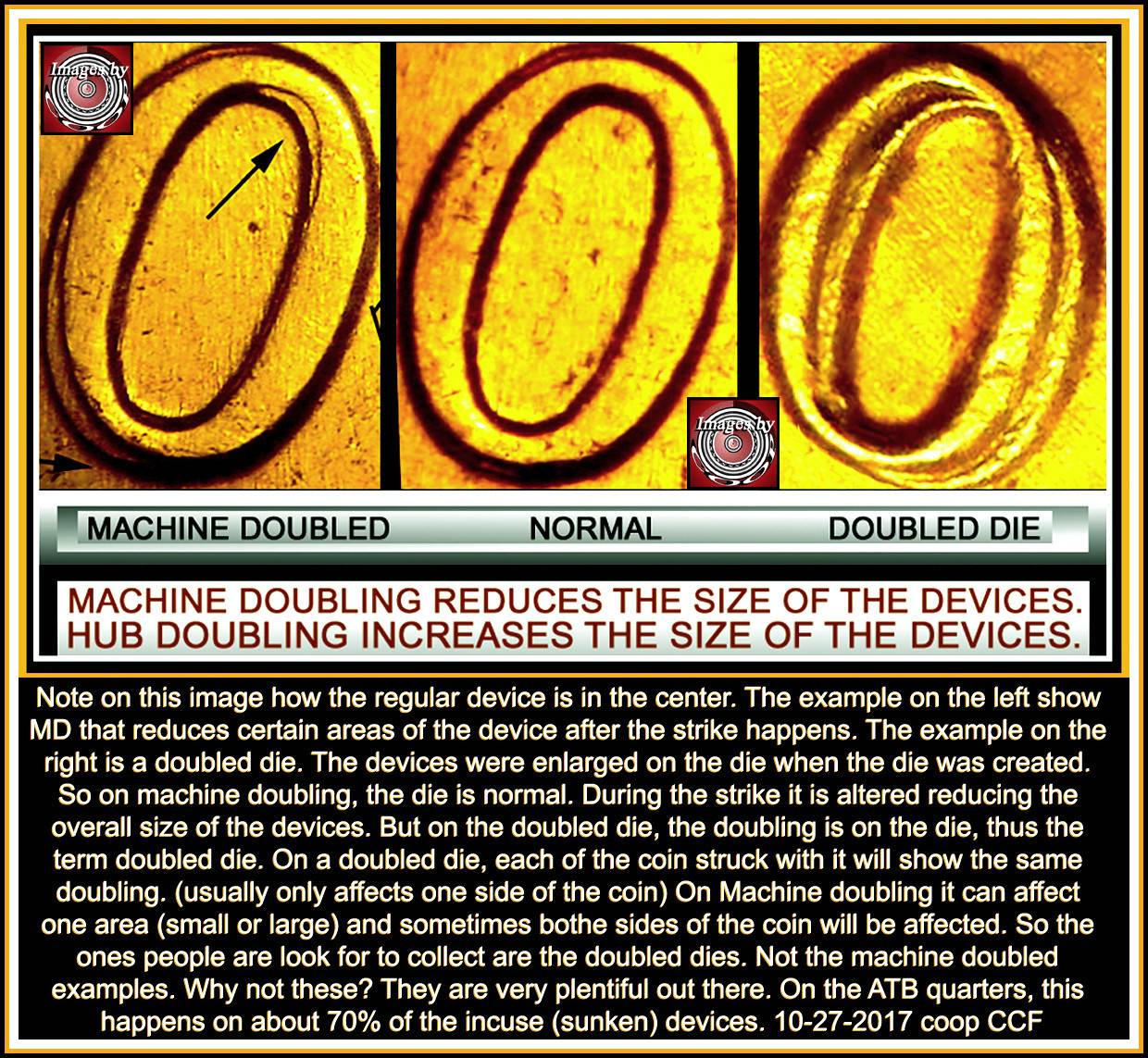
It is a die variety. Also Machine Doubling can happen on doubled dies as well because again, of the machine altering the coin after the strike.
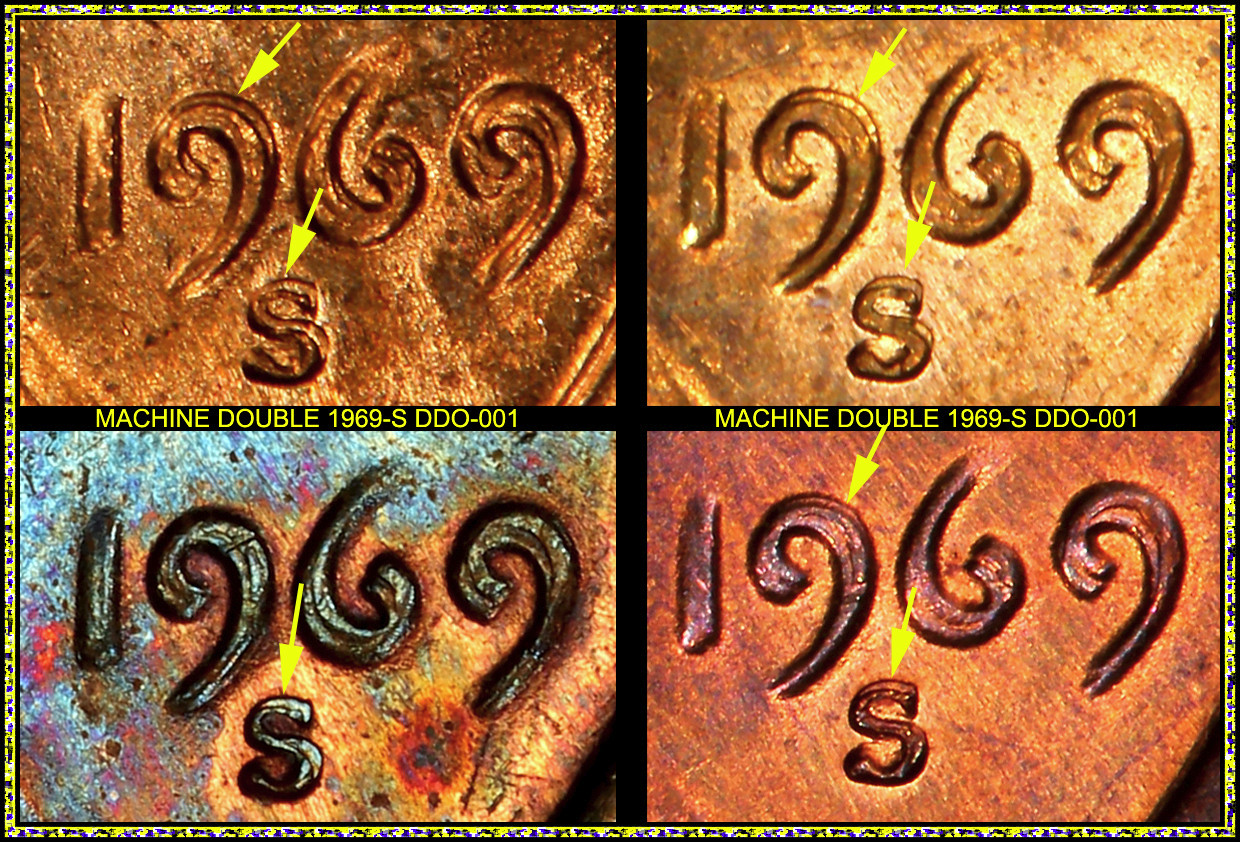
Note the yellow arrows. They are pointing to Machine Doubling on this doubled die. Note the full date is showing a doubled die, the arrows are showing on these 4 coins the Machine Doubling that altered these 4 coins. (in fact most of these doubled dies this year show this Machine Doubling. The 1968-1972 coins had a lot of Machine Doubling on them) Here are a few examples:
These machine doubled examples are very common and affect the outside edges of doubled dies.
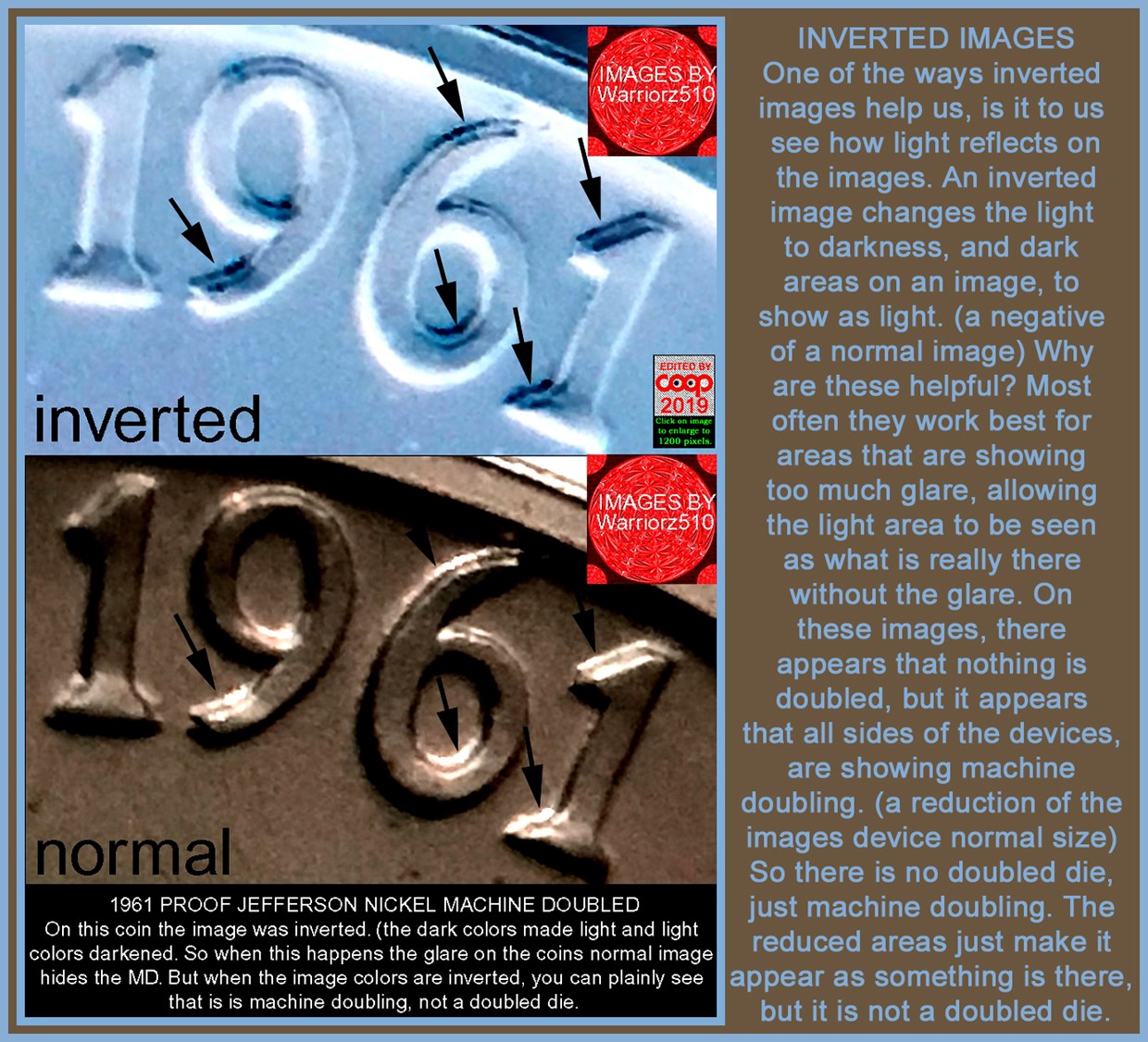
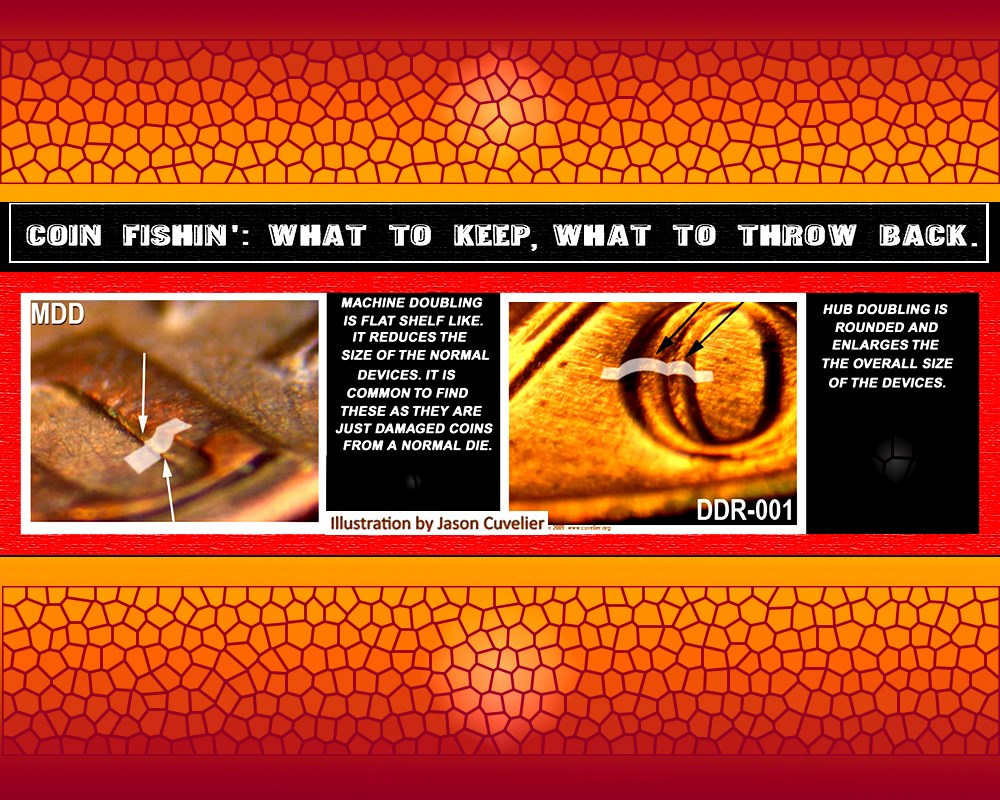
Machine Doubling is flat, shelf like. IT is also reflective. Note the image above? It shows just slight glare on one side of the devices. With the glare removed by inverting the colors, we now see what the collector spotted as a doubled die, but is really Machine Doubling.
A doubled die had the doubling on the center of the devices, not on the edges.
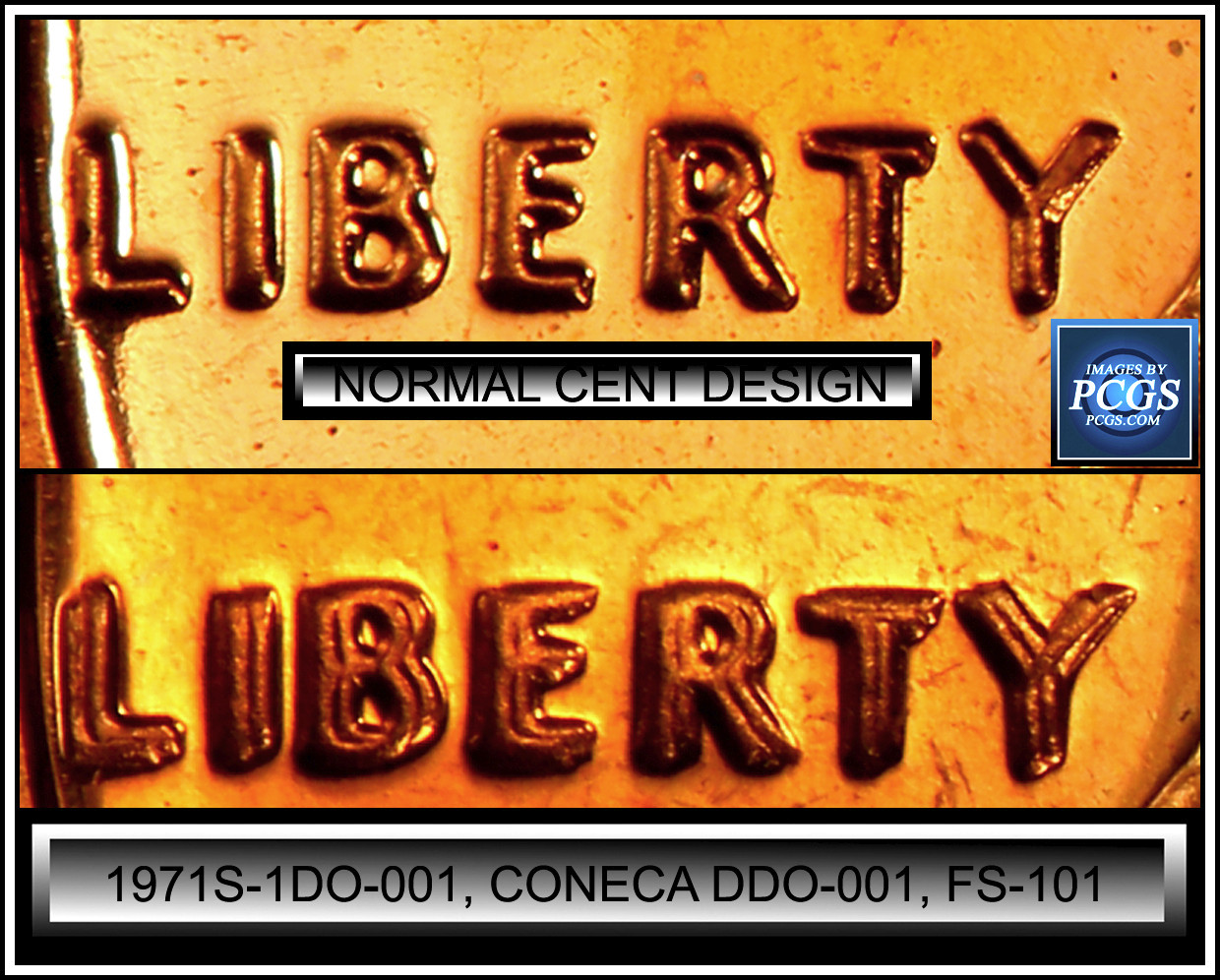
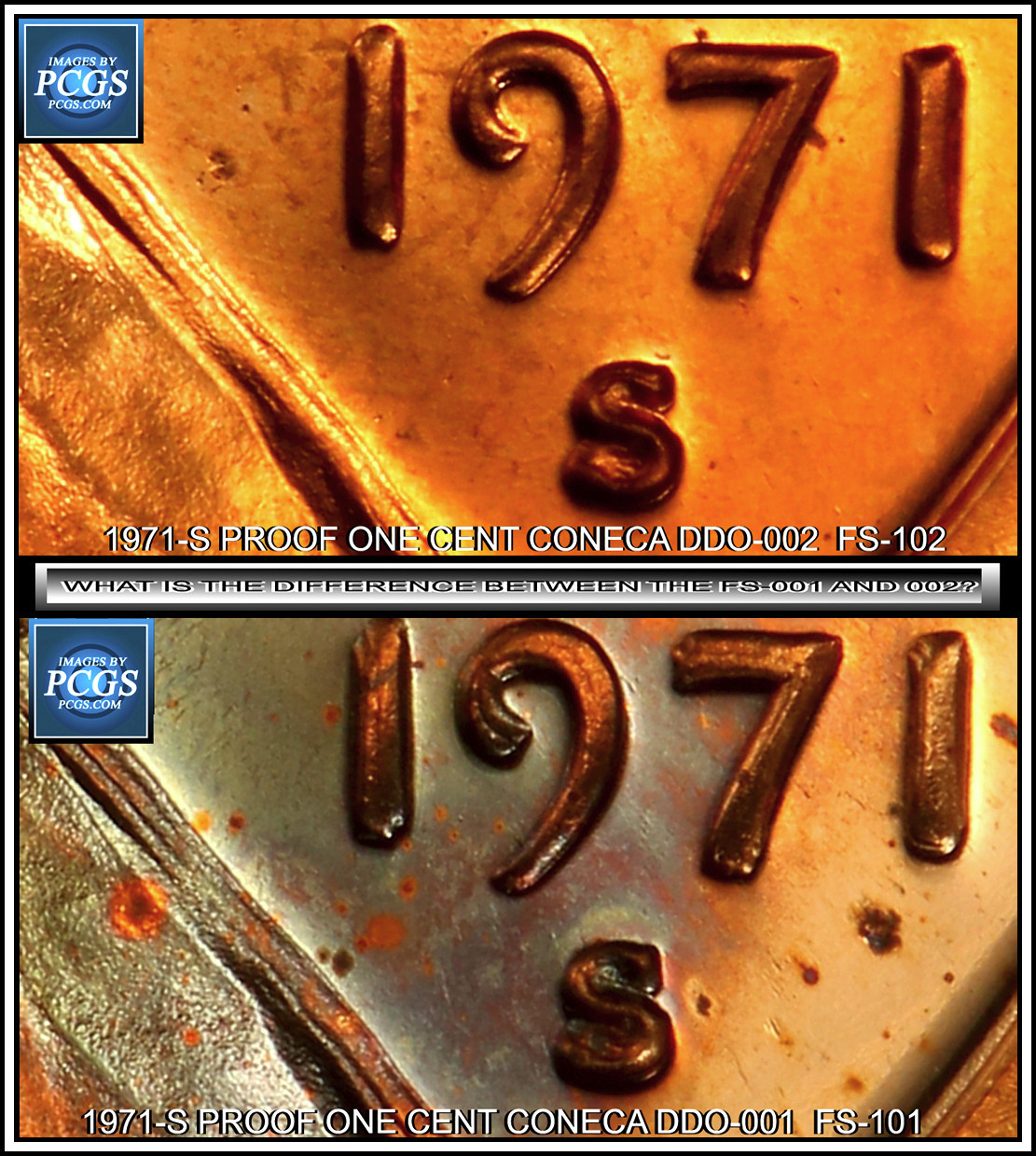
Even the hub doubling can be different from die to die, thus the need for different die numbers:
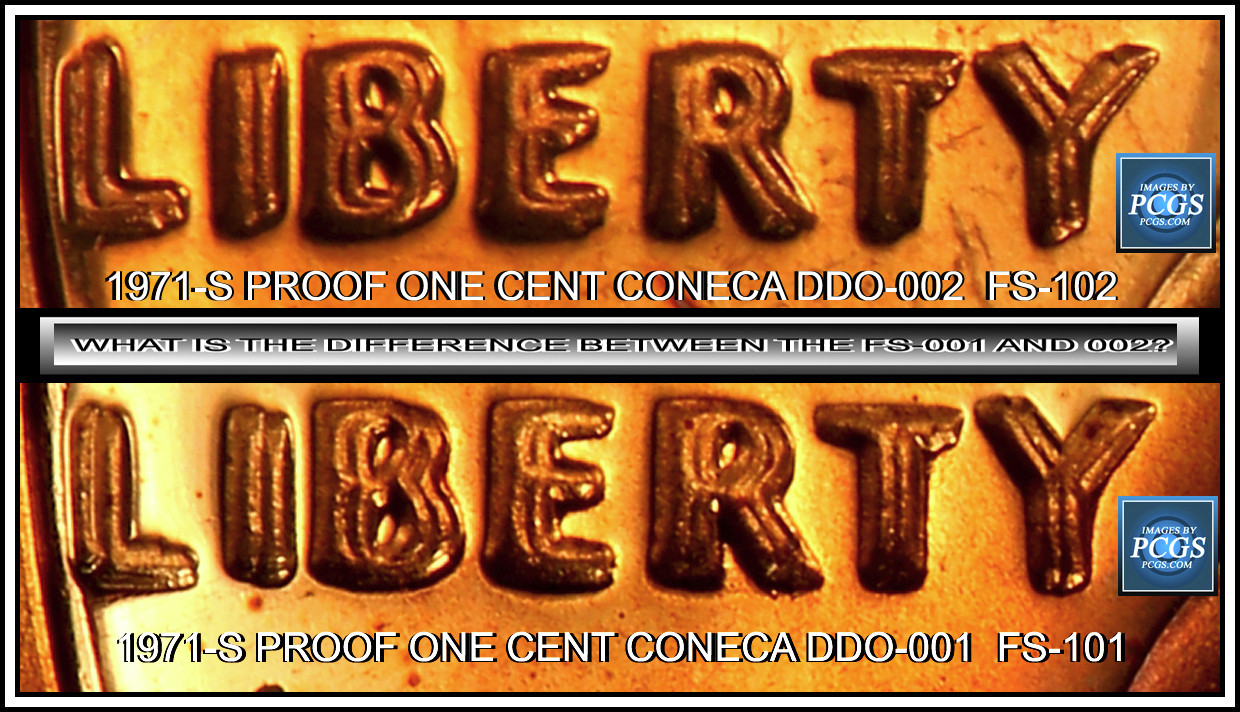
While at the first glance, it appears to be the two coins came from the same die, slight differences show that they are from different dies. Widths/spread being different. In face other devices are also different totally:
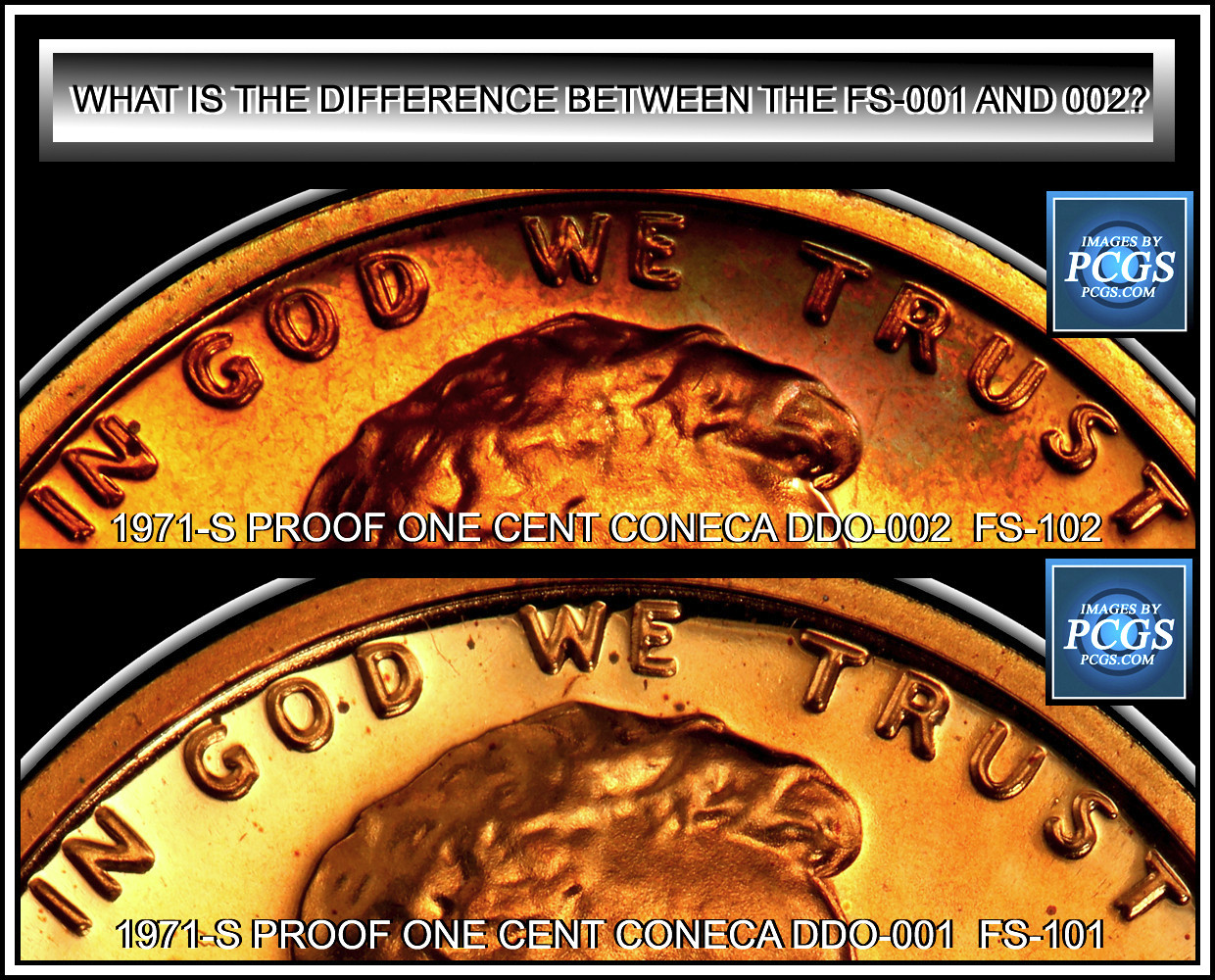
Machine Doubling removes contour of a coin.
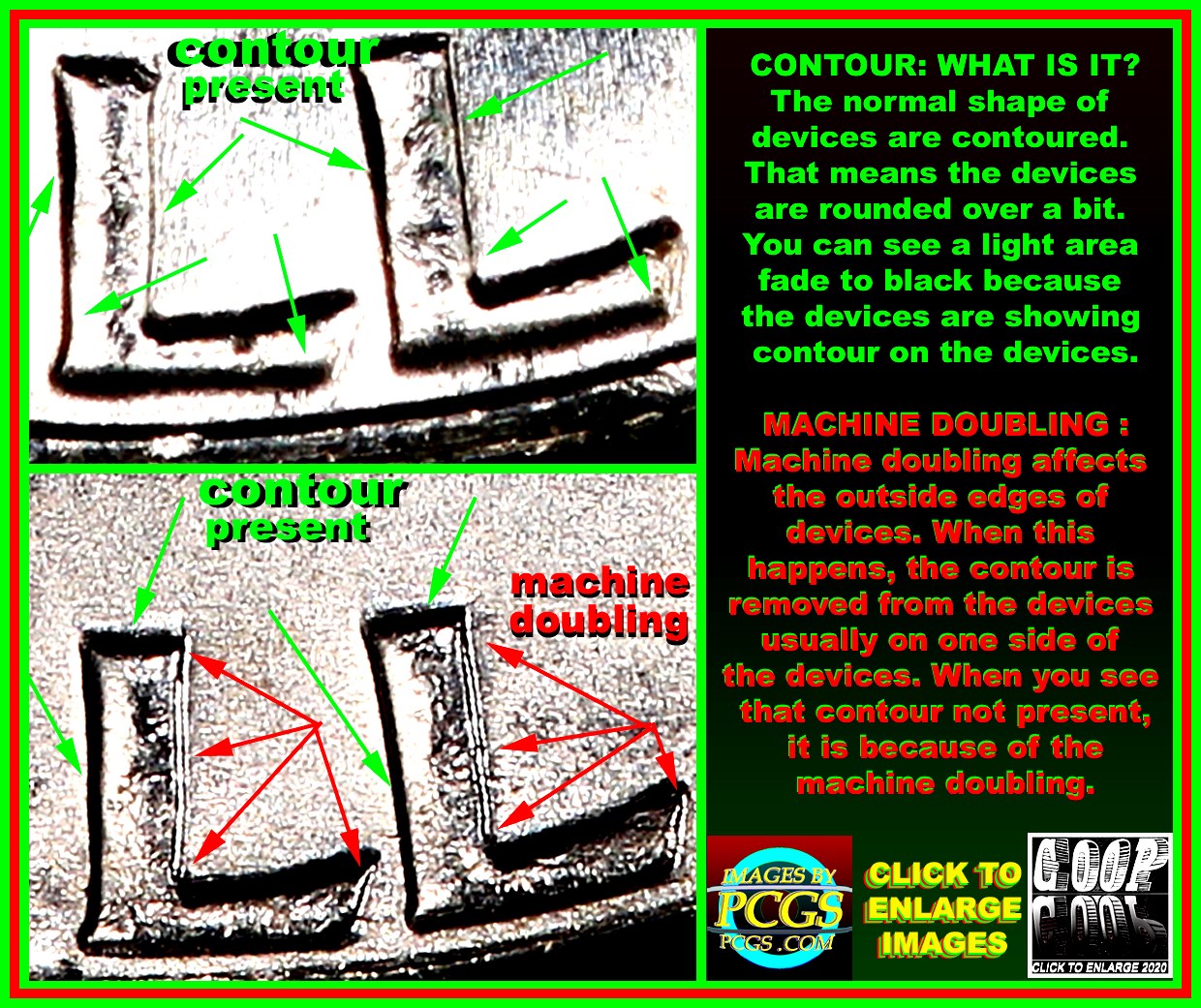
Note the affected area is exactly just like your coin. Affecting one edge of the devices.
A doubled die will show the contour on both sides of the devices because the die creates theses coins that way.
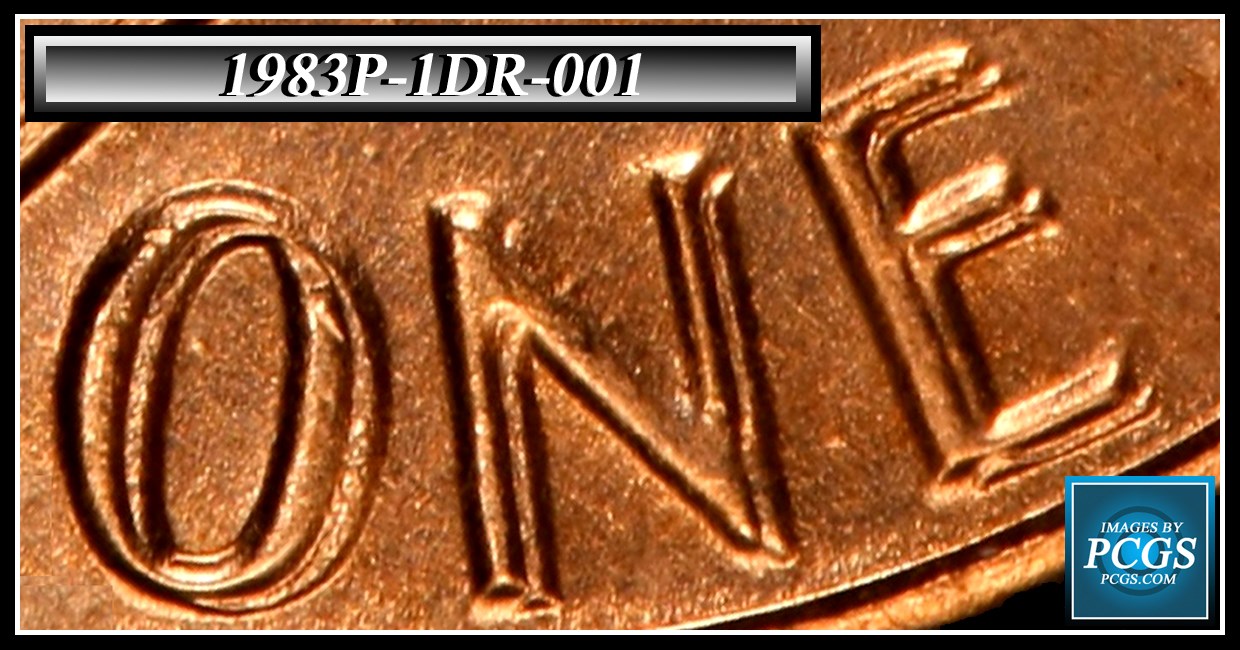
Note the spread in the center of the coin. The spread is from the die created with a hub that was not aligned exactly like a previous hub of the die.
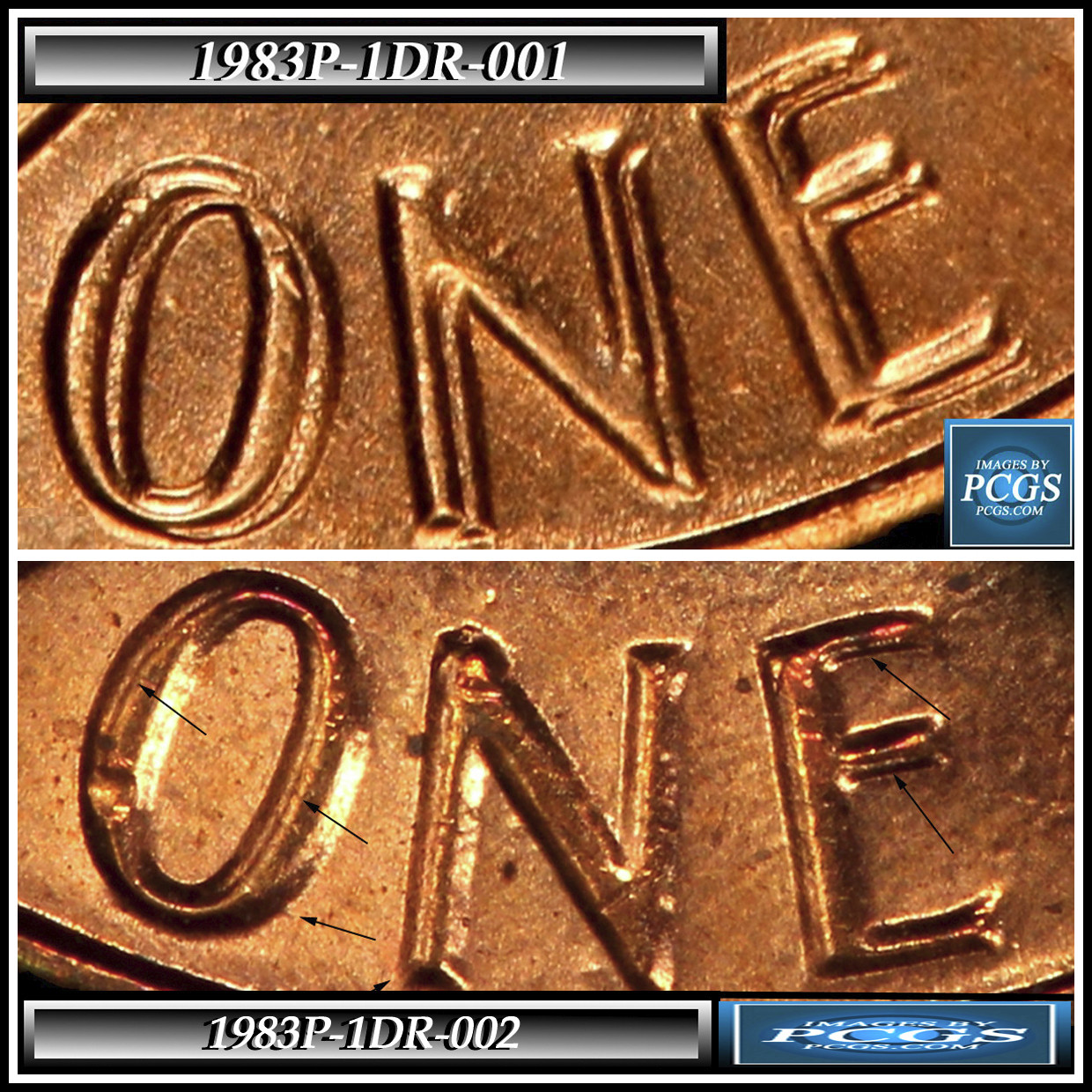
These are two different doubled dies. Thus they are numbered differently.
Some years have many different doubled dies. So the number can be as high as 176 different dies used to create doubled die coins. So I hope this peaks your interest to know more. We want you to see, what we are seeing on coins. So rather than give a yes or no answer, we help to learn. Then you will know next time you see a doubled die or Machine Doubling, you will know which is which. (But keep in mind that the learning about Machine Doubling takes some time, I hope I've scratched the surface a bit.
CoopHome: Machine Doubling VS a Doubled Die.
It is not a doubled die as only doubled dies create doubled die coins. It is not a machine caused variety. But a machine altered coin.
It is a die variety. Also Machine Doubling can happen on doubled dies as well because again, of the machine altering the coin after the strike.
Note the yellow arrows. They are pointing to Machine Doubling on this doubled die. Note the full date is showing a doubled die, the arrows are showing on these 4 coins the Machine Doubling that altered these 4 coins. (in fact most of these doubled dies this year show this Machine Doubling. The 1968-1972 coins had a lot of Machine Doubling on them) Here are a few examples:
These machine doubled examples are very common and affect the outside edges of doubled dies.
Machine Doubling is flat, shelf like. IT is also reflective. Note the image above? It shows just slight glare on one side of the devices. With the glare removed by inverting the colors, we now see what the collector spotted as a doubled die, but is really Machine Doubling.
A doubled die had the doubling on the center of the devices, not on the edges.
Even the hub doubling can be different from die to die, thus the need for different die numbers:
While at the first glance, it appears to be the two coins came from the same die, slight differences show that they are from different dies. Widths/spread being different. In face other devices are also different totally:
Machine Doubling removes contour of a coin.
Note the affected area is exactly just like your coin. Affecting one edge of the devices.
A doubled die will show the contour on both sides of the devices because the die creates theses coins that way.
Note the spread in the center of the coin. The spread is from the die created with a hub that was not aligned exactly like a previous hub of the die.
These are two different doubled dies. Thus they are numbered differently.
Some years have many different doubled dies. So the number can be as high as 176 different dies used to create doubled die coins. So I hope this peaks your interest to know more. We want you to see, what we are seeing on coins. So rather than give a yes or no answer, we help to learn. Then you will know next time you see a doubled die or Machine Doubling, you will know which is which. (But keep in mind that the learning about Machine Doubling takes some time, I hope I've scratched the surface a bit.
CoopHome: Machine Doubling VS a Doubled Die.
Edited by coop
03/22/2020 12:02 pm
03/22/2020 12:02 pm


