| Author |
 Replies: 11 / Views: 3,256 Replies: 11 / Views: 3,256 |
|
|
Pillar of the Community
United States
3281 Posts |
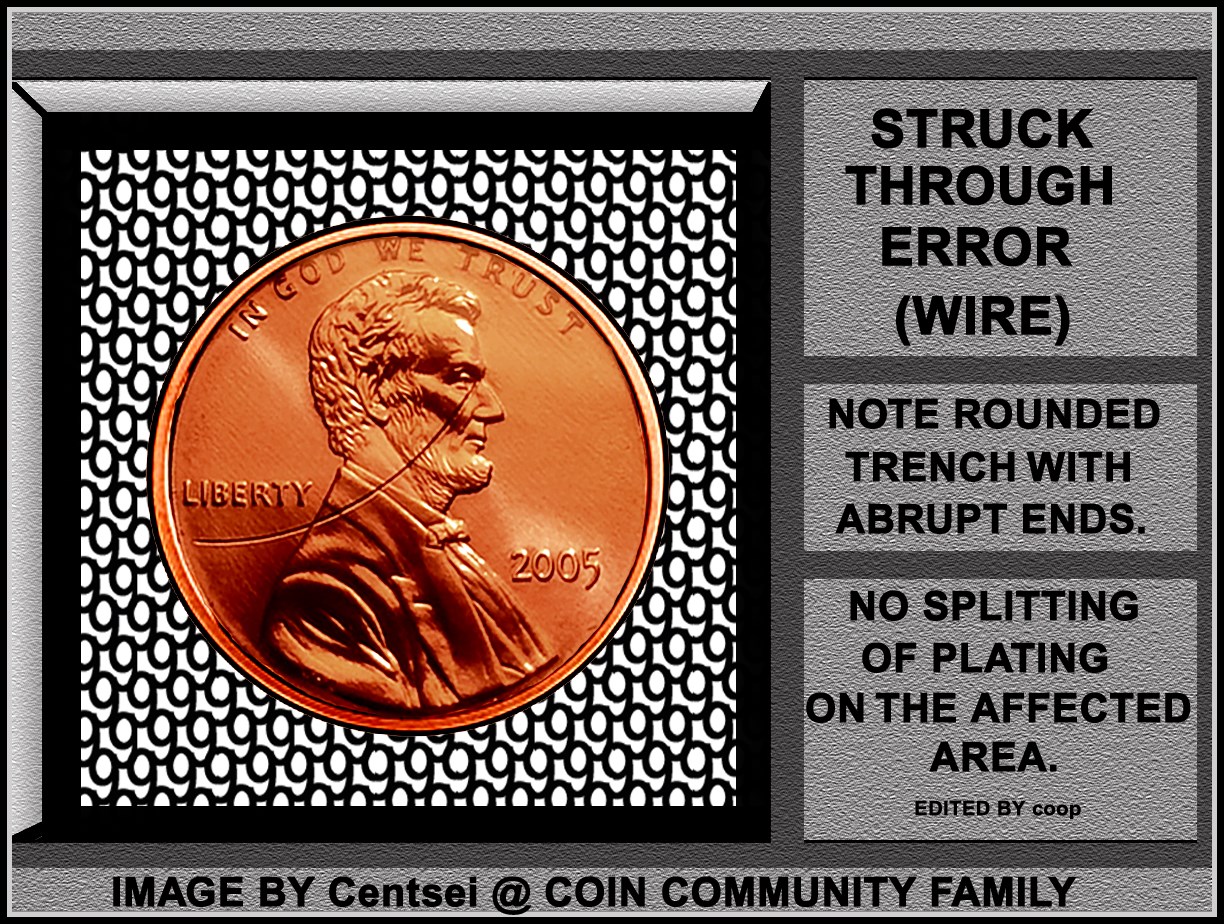
What would be the best way to tell the difference between a cut in a coin, made by PMD, or a struck through wire? I have never really looked into this type of error till now. For instance, this is a struck through wire: 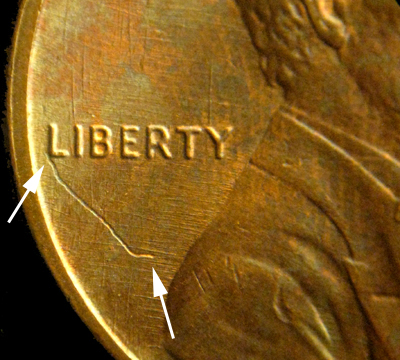 And this, not for sure: 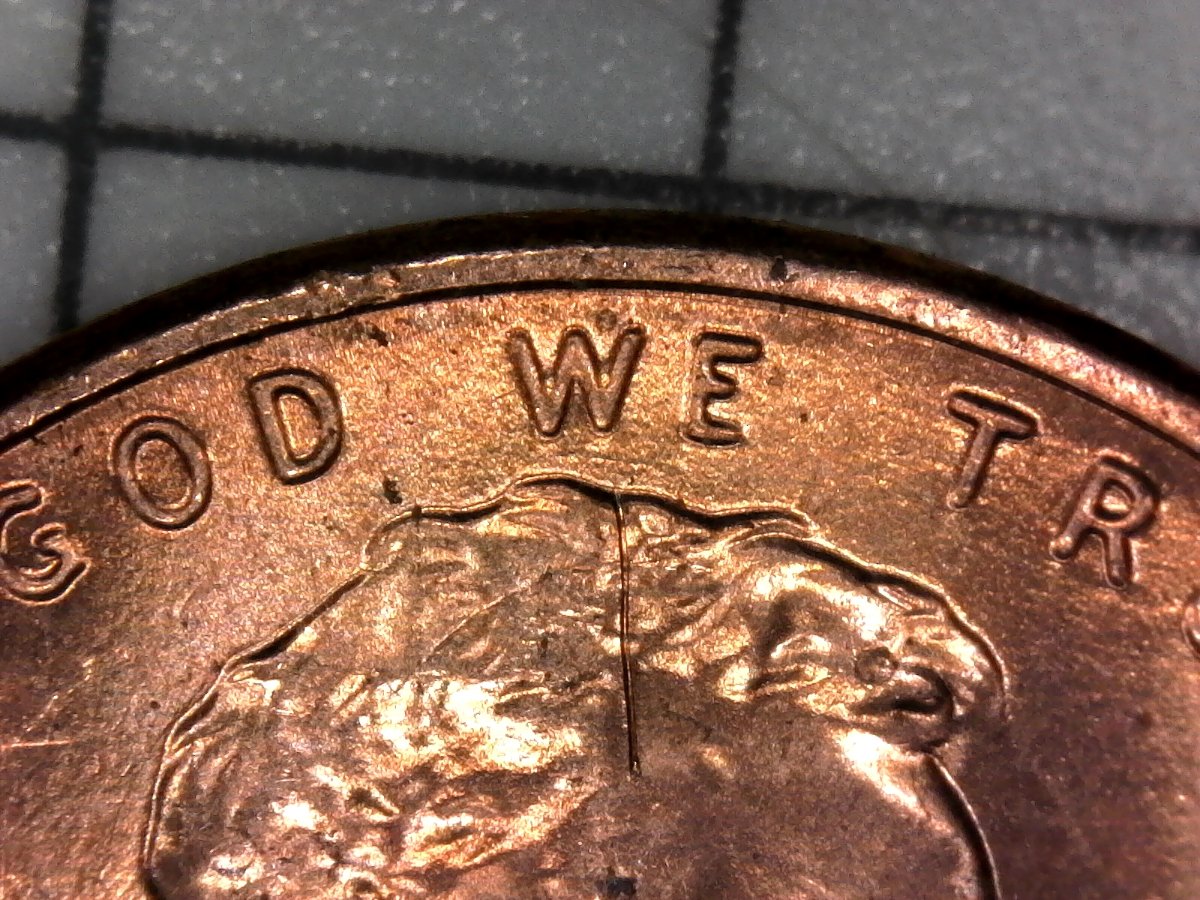 Because my first guess was that it was simply PMD, and I was going to throw it out. But then I thought of struck through wires, and wanted to see how I could tell the difference. |
|
|
|
Moderator
 United States
56855 Posts |
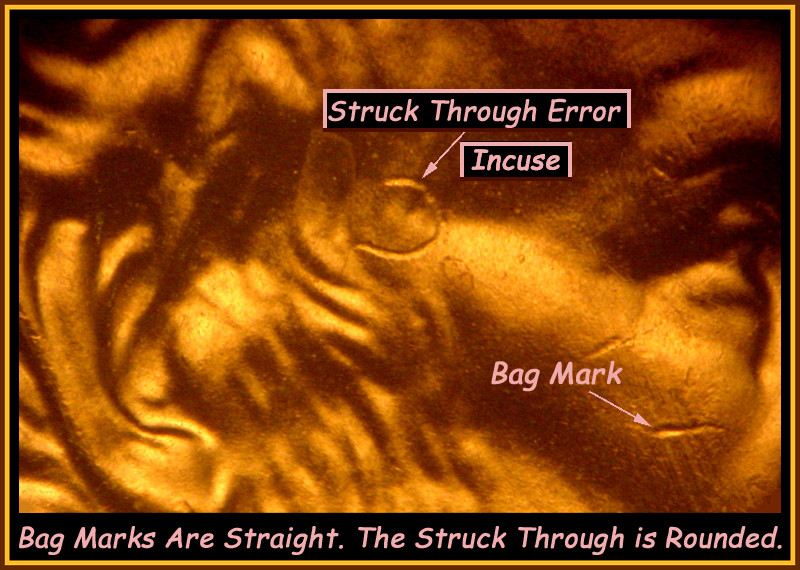
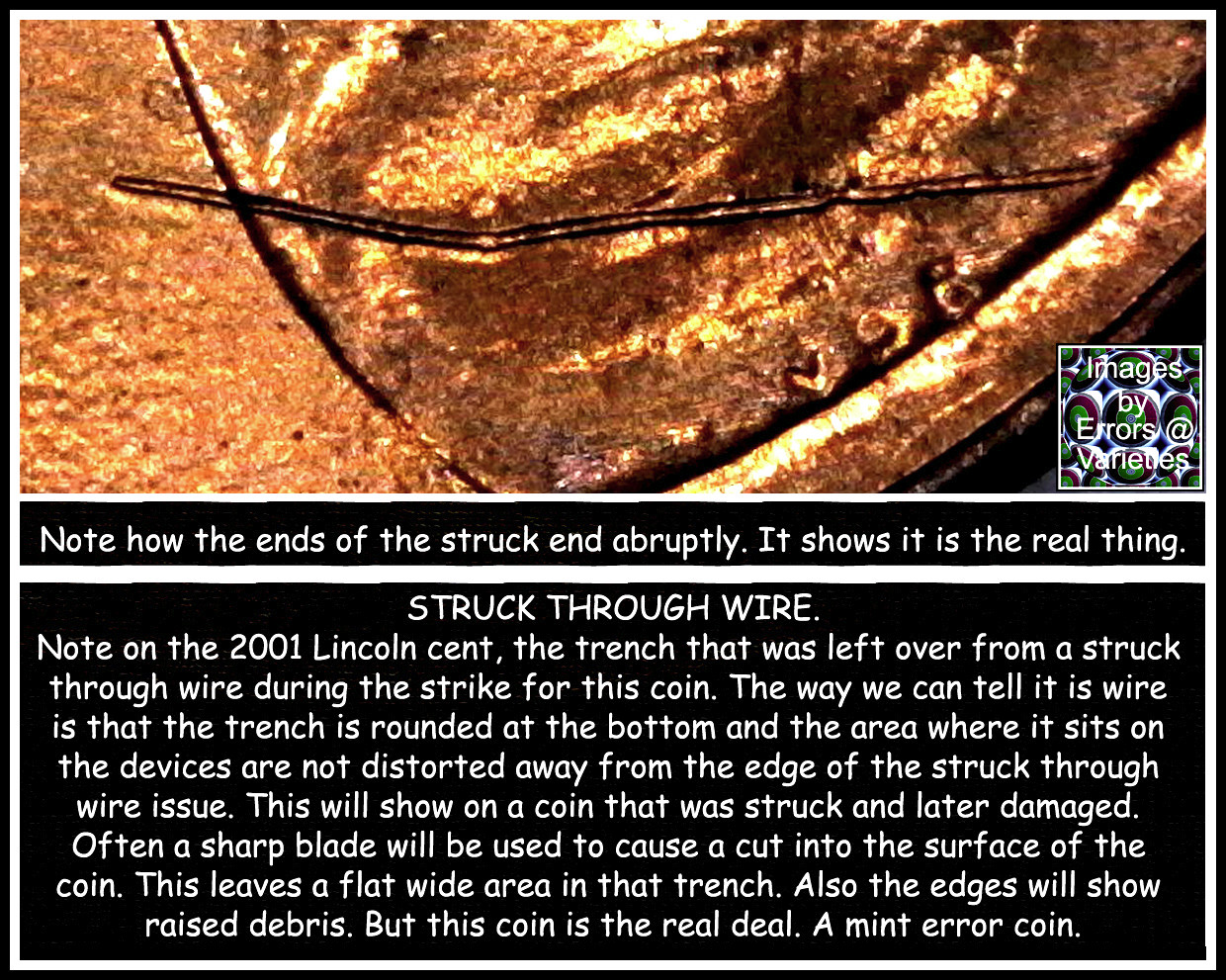
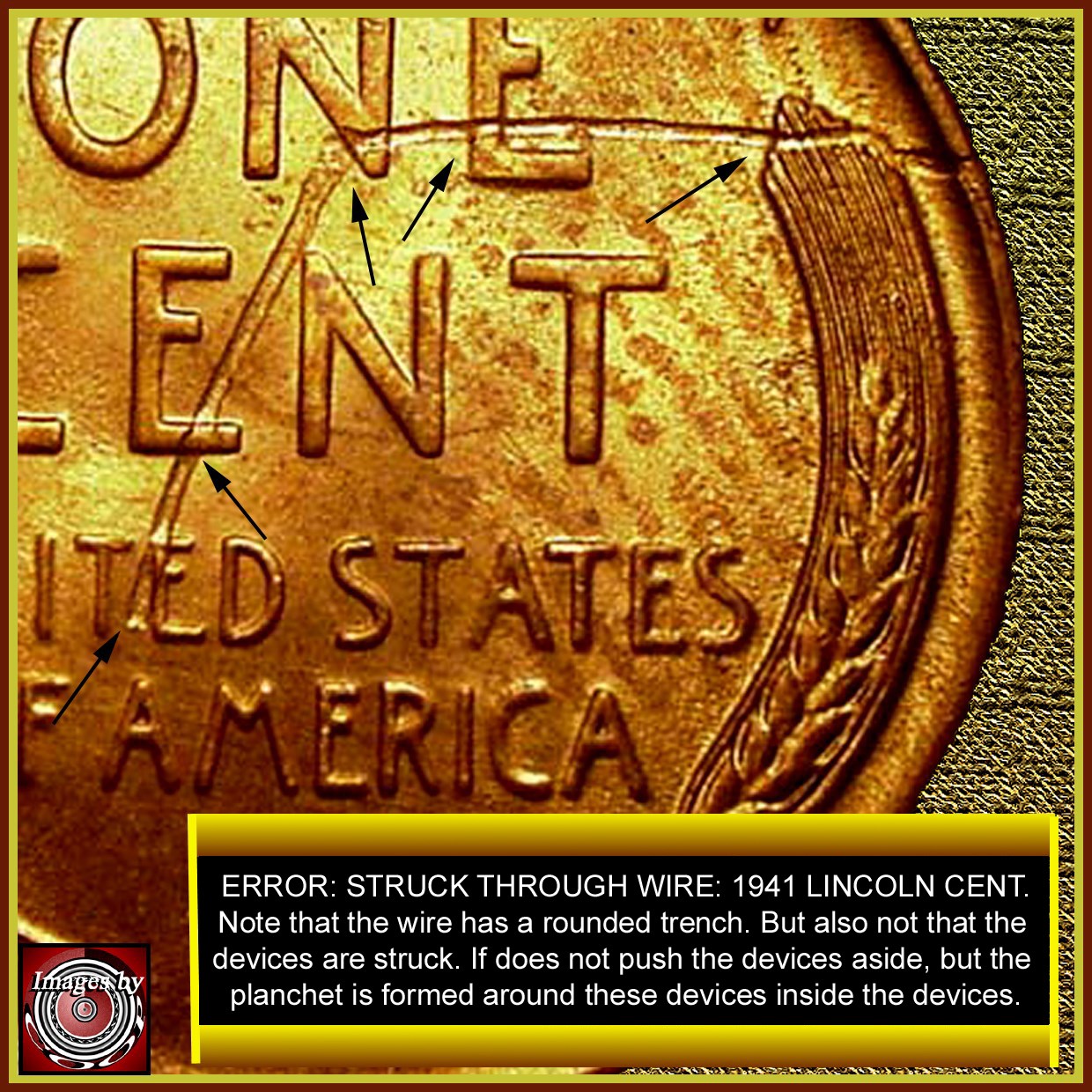
Quote:What would be the best way to tell the difference between a cut in a coin, made by PMD, or a struck through wire? Picture this: In a sandbox you take a level and make a level area with it. Then take your finger and draw a straight line. There will be a trench sunk down and the edges will be raised,on a coin that would be scratch on the coin. Now take a pencil and carefully lay it on the sand and press down. Now carefully pick up the pencil,there will be a trench but the edges will be even with the level surface of the sand,that would be a struck through on a coin. Hope that makes some kind of sense to you,as you know I do not explain myself very well not like coop. John1  |
|
Pillar of the Community
 United States
3281 Posts |
Hm...thank you for that information John.
I am still a little bit confused when you mention that the edges after the pencil is picked up, is level with the surface.
My understanding is that a struck through wire has more softness to it.
Thank you
|
|
Pillar of the Community
United States
586 Posts |
I think what John is trying to say is that because a coin is essentially stamped out, all of the pressure to make the surface of a coin appear the way it does comes from above, directly down onto the coin.
As a result, there cannot be any areas of a struck through feature that are raised above the surface of the coin because the struck through feature was created as the die was putting maximum flattening pressure on the coin. If you see an area of lifted, raised or elevated metal, the action that caused that must have been after the coin was minted.
Another feature to look for, especially on long struck throughs, are striations in the indented area. Typically striations are suggestive of an uneven surface on the scratching object. Think of John's sandbox example again and imagine making a scratch with a trowel that has a notch in it. That notch will leave a line in the area all the way down the length of the scratch, whereas a struck through piece of wire will leave no similar kinds of striations, just an impression of the actual wire.
Hope this helps.
|
|
Pillar of the Community
United States
3281 Posts |
Ohhh I completely understand. That makes perfect sense thank you for explaining that.
Thank you!
|
|
Bedrock of the Community
United States
62064 Posts |
|
|
Pillar of the Community
United States
3281 Posts |
Oh wow, thanks so much Coop! Wonder how many of these I missed then.
(This is my 1000 post, yay!)
|
|
Pillar of the Community
 United States
8946 Posts |
|
|
Bedrock of the Community
United States
62064 Posts |
How about a coin struck on a nail? Possible? 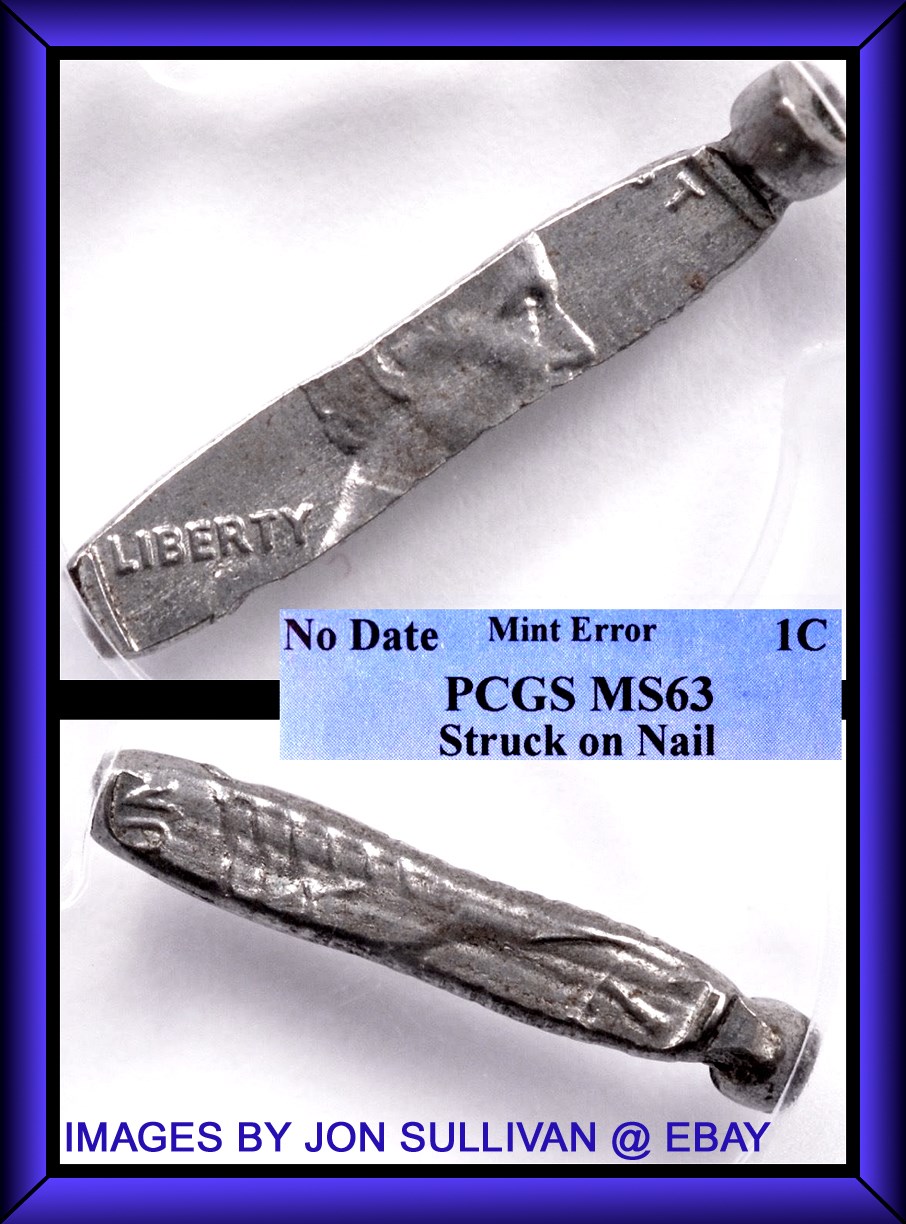 Looks like a mint assisted error |
|
Pillar of the Community
United States
3281 Posts |
Wow to both of you guys.
I think I heard that that thing sold for quite a bit Coop.
|
|
Moderator
United States
56855 Posts |
Quote:
(This is my 1000 post, yay!) Congrats  Contest time? John1 |
|
Pillar of the Community
United States
3281 Posts |
Thanks John!
Check the Prize and Contest forum and you'll find something there.
|
| |
Replies: 11 / Views: 3,256 |
|









 Posted 05/02/2020 3:18 pm