Hard for me to pick from screen pictures only.
1. Check the edge very closely for evidence of tiny flan splits indicating tensile metal distress.
2. Check the data bases for fakes of this Emperor.
3. Does the coin have an independently provable provenance, not just someone's say-so?
4. Look for evidence on the edge for a filed down casting sprue, that may have been silver plated over.
5. Look for any evidence of a circumferential edge join (also may have been filed down and plated over).
6. Some fakes have impossible obverse/reverse design types.
7. Take it to an experienced specialist ancients dealer, and ask for his opinion.
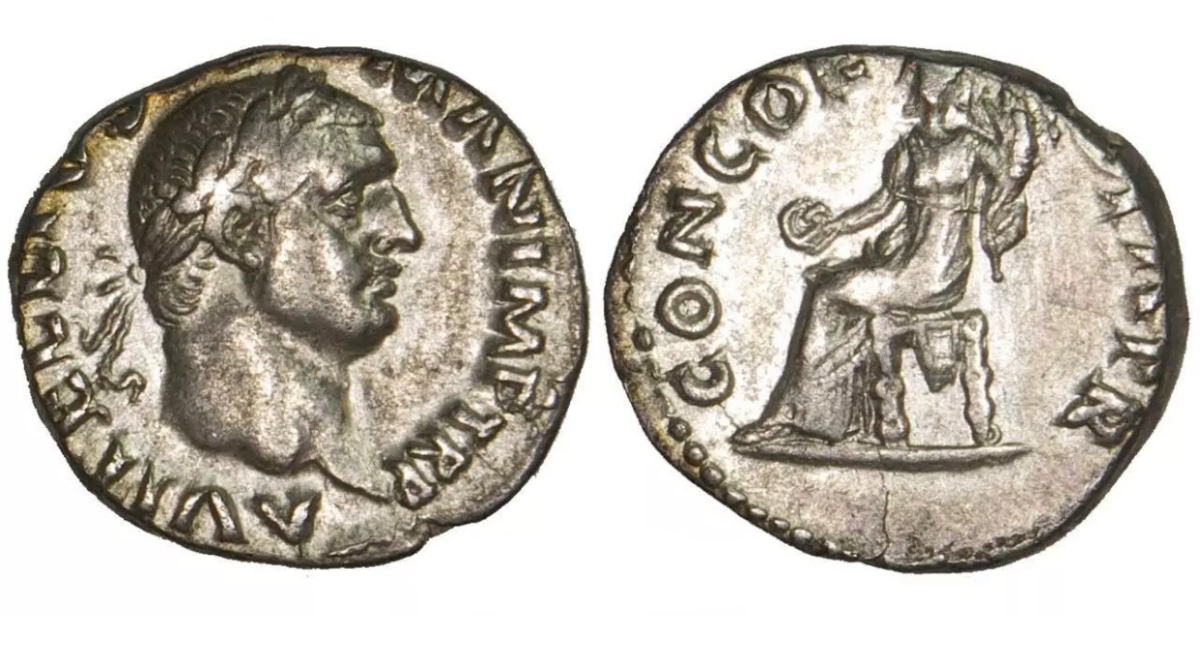
Early on in my Roman coin collecting experiences, I was deceived with a fake Vitellius denarius.
Even in retrospect, it looked good to me.
A dealer very experienced in Roman coins demonstrated that it was fake. He was able to bend it in his fingers.
I donated it to his collection of fake coins, which were often displayed to his customers, to educate them what to look for.
Just beware that all of the denarii of Vitellius are scarce and thus valuable, and so attract the attention of the fakers.












 Posted 05/15/2020 12:50 pm


