









 Do you guys have others?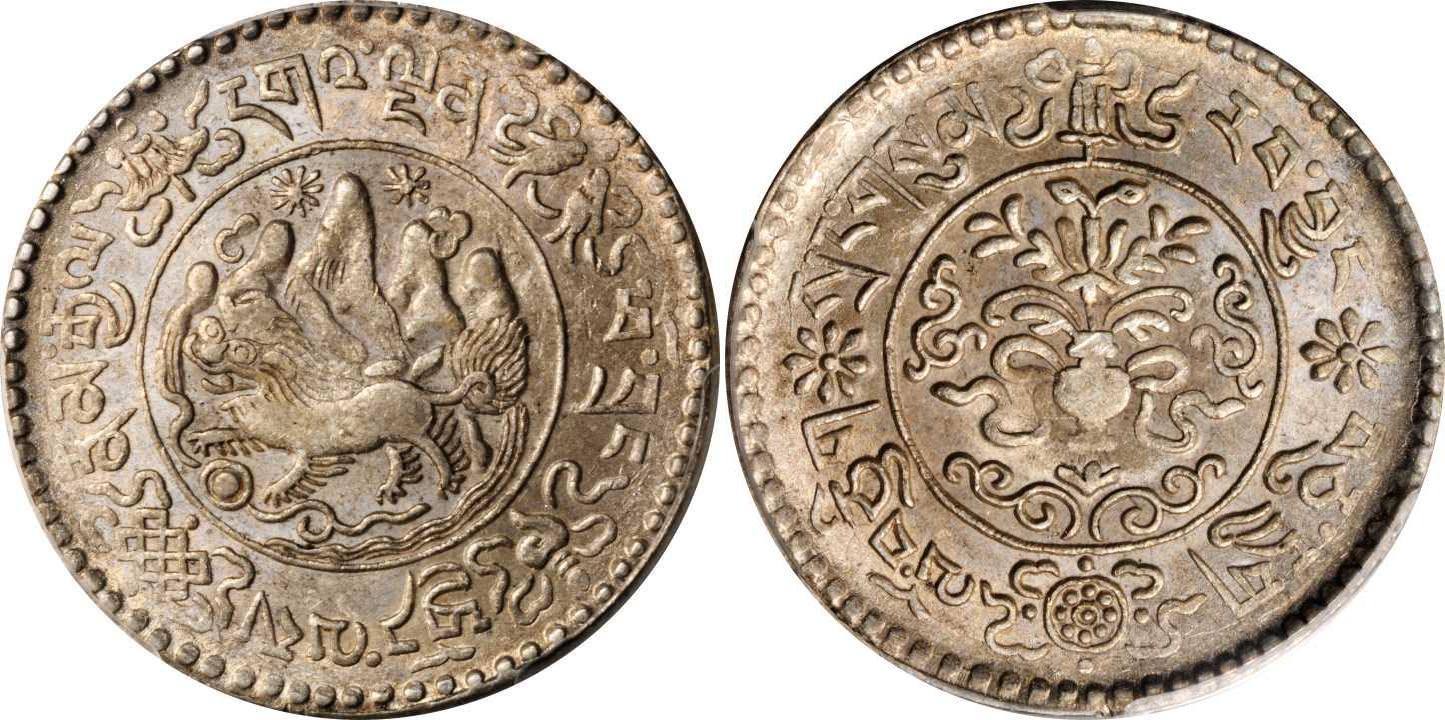


 Posted 06/15/2020 9:53 pm


Far Eastern cash coins can be incredibly confusing. The Wu Zhu was the longest lasting coin type in history, introduced in 118 BC and phased out in 621 AD - nearly 750 years, and there are only a handful of varieties in that span.
Similarly, in Japan, the first official Tokugawa coin was the Kanei Tsuho, and unlike the incredibly uniform Wu Zhu, the mint officials at some dozen mints over 250 years made a complex series of modifications to the calligraphy to serve as a "privy mark" of sorts.
"Old Kanei", minted before 1668 - legs of "Ho" (9:00 touch)
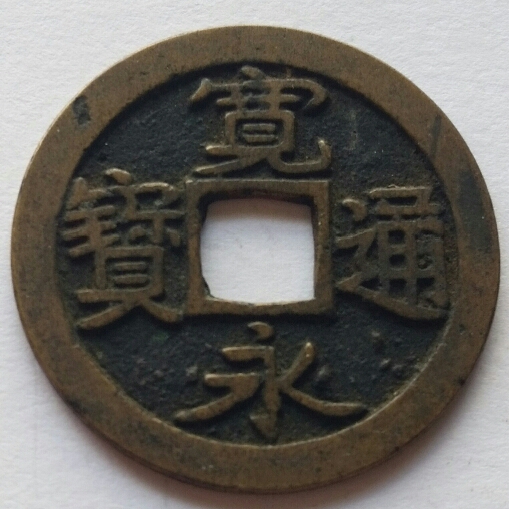
New Kanei, typical type, mid-1700s - legs of Ho separate
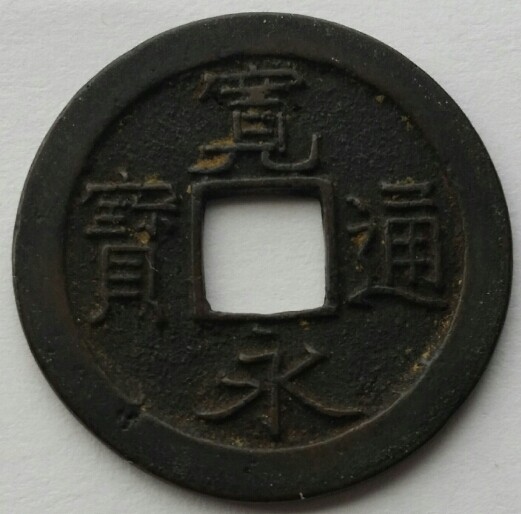
"Tiger Tail" type, 1730s
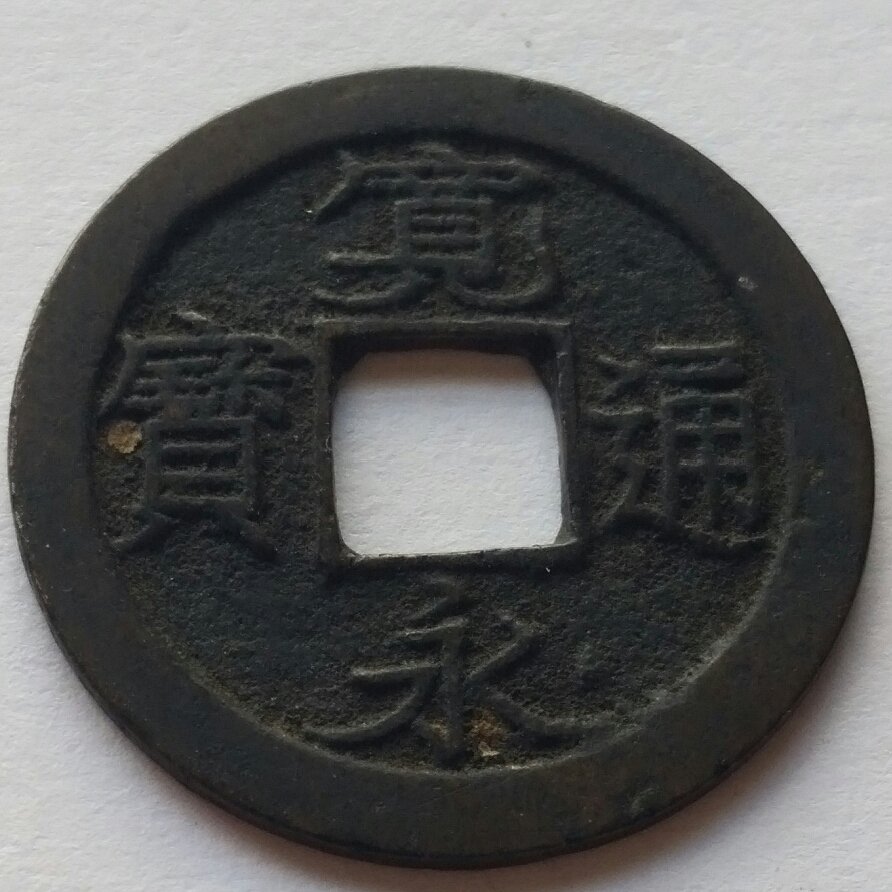
Those are just the biggest varieties - there are over 200 recognized varieties, nearly all attributable to mjnt and a fairly narrow date range, thanks to contemporary Japanese numismatists who documented coins as they were released.
Similarly, in Japan, the first official Tokugawa coin was the Kanei Tsuho, and unlike the incredibly uniform Wu Zhu, the mint officials at some dozen mints over 250 years made a complex series of modifications to the calligraphy to serve as a "privy mark" of sorts.
"Old Kanei", minted before 1668 - legs of "Ho" (9:00 touch)
New Kanei, typical type, mid-1700s - legs of Ho separate
"Tiger Tail" type, 1730s
Those are just the biggest varieties - there are over 200 recognized varieties, nearly all attributable to mjnt and a fairly narrow date range, thanks to contemporary Japanese numismatists who documented coins as they were released.


