| Author |
 Replies: 44 / Views: 7,655 Replies: 44 / Views: 7,655 |
|
|
|
Moderator
 United States
196946 Posts |
Quote:
So I finally received the first commercial note using Cinema, the Lebanon 100,000 Livres note nominated for BNOY... Very interesting features!  |
|
Pillar of the Community
United States
787 Posts |
My memory is fuzzy on this, but I THINK the US experimented with "plastic" postage as well... but I am having a brain-fart... I know their first try at self-adhesive stamps didn't go well. The adhesive or lining paper reacted with the actual stamp. Oddly enough, the design was awful, too!
|
|
Pillar of the Community
United States
787 Posts |
AHA! Not totally insane yet: U.S. #2522
1991 29¢ "F" Plastic Stamp
Issue Date: January 22, 1991
City: Washington, DC
Quantity: 25,500,000
Printed By: Avery International Corp.
Printing Method: Photogravure
Perforations: Die cut
Color: Black, blue and dark red
Although the 'F' stood for Flower on the regular non-denominated stamps, it was purely coincidental that it also stood for Flag on the experimental ATM stamps. As part of the Postal Service's test program with Seattle First National Bank, these stamps were vended through selected automatic teller machines (ATMs) to determine their practicality and appeal. Seeing as we don't have plastic postage stamps, I think it is safe to assume they didn't work out very well in the "real world". The unfortunate fact that snail-mail is declining every year no doubt means the USPS, unlike the BEP, sees no need to prevent any counterfeiting. |
|
Pillar of the Community
Canada
5345 Posts |
What is the most counterfeited note in the world ? most likely the US 100 dollar
|
|
Bedrock of the Community
 United States
12928 Posts |
Thanks for the photos of the Cinema note, currencyden. Very cool. You must have a very nice collection of world notes!
|
|
Valued Member
United States
64 Posts |
Quote:
U.S. #2522
1991 29¢ "F" Plastic Stamp
Issue Date: January 22, 1991
City: Washington, DC
Quantity: 25,500,000
Printed By: Avery International Corp.
Printing Method: Photogravure
Perforations: Die cut
Color: Black, blue and dark red That makes sense. CCL Industries, Inc., makers of Avery labels also owns BCA (used to be Banknote Corp of America). Guess what they also make? Now called CCL Secure, it is the maker of Guardian polymer, the Australian inventor. BCA also produced Tyvek, an earlier version of polymer & used briefly by American Bank Note Company. The original inventor of Guardian was CSIRO. From my test note catalog: CSIRO (Commonwealth Scientific and Industrial Research Organization) CSIRO was formed in 1926 as an Australian government agency for scientific research in Australia. CSIRO played a major role in the creation of polymer banknotes, a revolution in the world of banknotes that started in 1968, when the Reserve Bank of Australia (RBA) requested a scientific solution to the problem of forgery. CSIRO, RBA and the University of Melbourne joined their knowledge, and in 1988 the first legal tender polymer note - the $10 Aborigine note of Australia. Here's a test note they made for the 80th anniversary of the organization. I own this piece. It is twice as thick as normal. Cool note.   |
|
Pillar of the Community
Canada
2646 Posts |
Quote:
CSIRO, RBA and the University of Melbourne joined their knowledge, and in 1988 the first legal tender polymer note - the $10 Aborigine note of Australia.   -Not a big fan of polymer but this one is very nice. Perhaps it was b/c the 3 parties really wanted to get it right. It is hard to believe its the fist - it just looks so advanced & the colours just jump out (unlike the drab, 2-tone CDN foray into polymer in 2011). Edited by walk2dwater
05/23/2021 6:57 pm
|
|
Moderator
United States
196946 Posts |
Fascinating stuff! |
|
Valued Member
United States
64 Posts |
The hologram is great, especially for such an early sample. 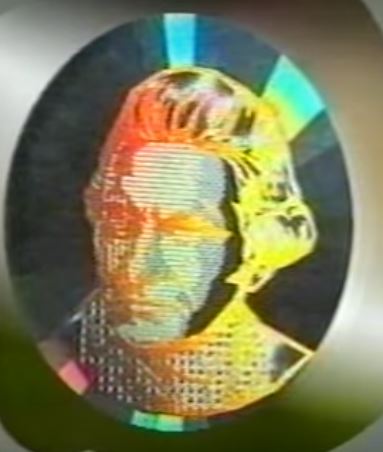 It was first released in 1988, the same year the $2 coin was released. However unlike the $2 coin, the $10 notes were withdrawn in 1993 after just 6 years of circulation. The release was a secret trial to test how polymer notes would last before the release of newer notes that were introduced during the 1990's. The 1988 Bicentennial $10 note was introduced under the theme of settlement and aimed to represent both Indigenous and British settler history. When the Reserve Bank of Australia released the note, they gave information about the artist behind the the Morning Star Pole (Terry Yumbulul) and they also stated that some of the background artwork was commissioned by the bank from Aboriginal artists. The Aboriginal youth is a former dancer and Lardil man from Mornington Island. The other side of the note is a representation of early settler days in Australia and features the first boat of the First Fleet to anchor in Sydney Cove. |
|
Moderator
United States
196946 Posts |
Impressive.  |
|
Valued Member
United Kingdom
94 Posts |
This is the new Lebanese 100,00 Livres under a UV light. It shows fireworks over Parliament Square.  |
|
Bedrock of the Community
United States
12928 Posts |
|
|
Moderator
United States
196946 Posts |
Quote:
This is the new Lebanese 100,00 Livres under a UV light. It shows fireworks over Parliament Square. Outstanding! |
|
Pillar of the Community
United States
787 Posts |
currencyden - stamp-banknote connection!  I like that fireworks-tagging! |
| |
Replies: 44 / Views: 7,655 |





 First Page
 Previous Page


 Posted 05/23/2021 3:27 pm


