PCGS - The presence or lack of a particular mintmark can make or break the difference in the price of a coin. Consider, for example, the values of coins from so many popular series minted during the late 19th and 20th centuries. A 1916
Mercury dime without a mintmark? It's worth maybe $2 or $3 in worn condition. But a 1916-D? That rarity is worth about $1,000 and up. Unfortunately, many unscrupulous individuals have forged, altered, and otherwise tampered with mintmarks for decades. And, thankfully, there are many ways a collector can authenticate their coins simply by looking for particular diagnostics that can rule out such spuriosities.
Read More: Counterfeit Detection Series.
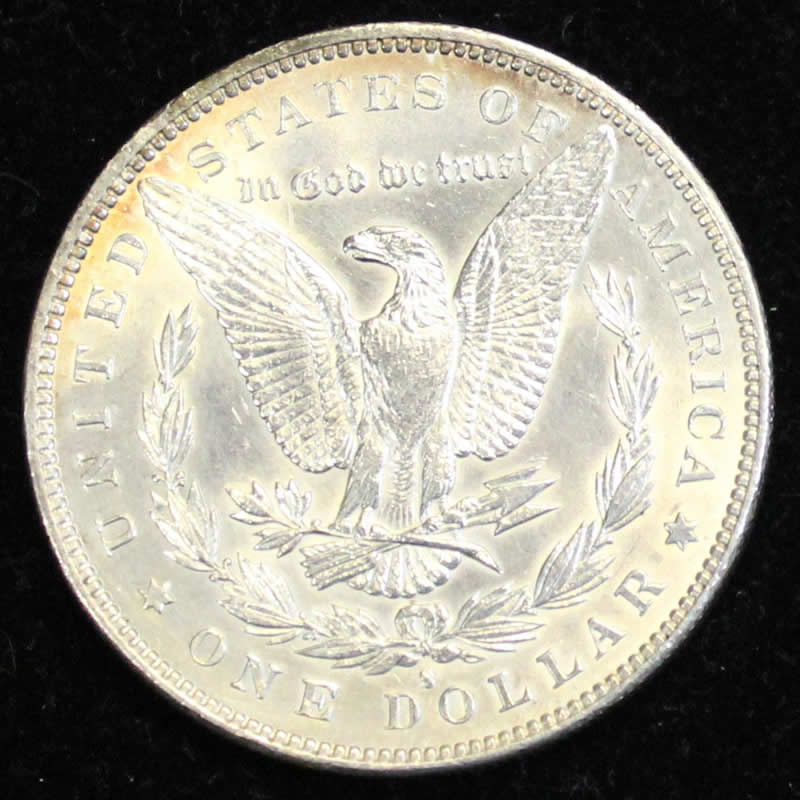
This 1889 Morgan dollar has an embossed mintmark. At first glance, many wouldn't pick up that there's anything wrong with this coin.That 1916-D
Mercury dime? There were only four reverse dies used to make it, so those who become familiar with the placement and shape of the mintmark on that coin can better authenticate real ones. And what about authenticating coins that are rare when they don't have a mintmark? One example of such a coin is the 1922 No-D Strong Reverse
Lincoln Cent. Only the Denver Mint made Lincoln Cents in 1922, but overzealous polishing on a pair of damaged dies left a mint employee to replace the reverse die and polish the obverse - to the point of obliterating the "D" mintmark! While 1922-D Lincoln Cents are relatively common, perhaps only 15,000 specimens exist lacking any evidence of the "D" mintmark.
Many counterfeiters will try tooling off the "D" mintmark from the obverse of the 1922-D
Lincoln Cent, with the hopes of passing it off as a the rare "No-D" variety. But astute collectors will know to look for obverse diagnostics such as a weak overall appearance, the "L" in "LIBERTY" touching the rim, the letter "TY" in "LIBERTY" being stronger than "LIBER," the "IN GOD WE" is weaker than "TRUST," and the second "2" in the date looking stronger than the first "2." Also, all 1922 No-D Strong Reverse Lincoln Cents should certainly have, yes, a strong-looking (or bold) reverse.
Read the Entire Article 






 Posted 10/01/2020 2:28 pm


