











 Posted 09/18/2020 2:06 pm


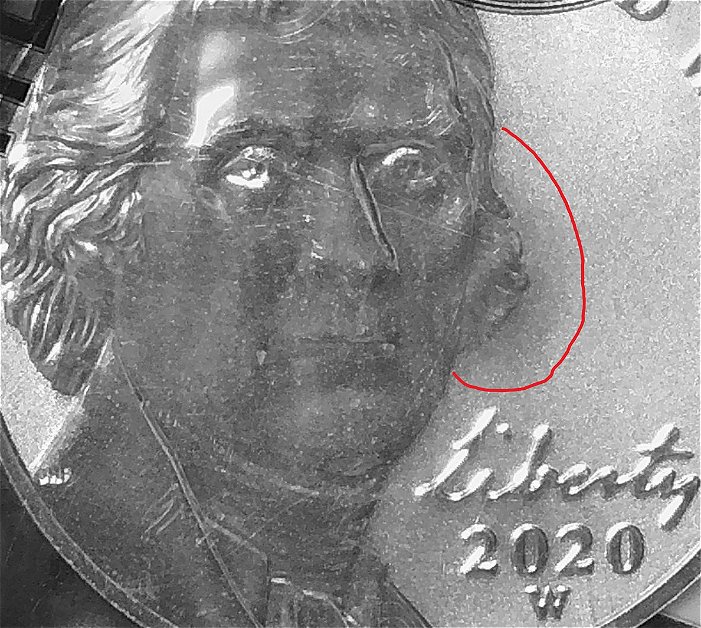
I'm sorry, what "ear"? Jefferson doesn't have an ear on that side, just a tuft of hair.
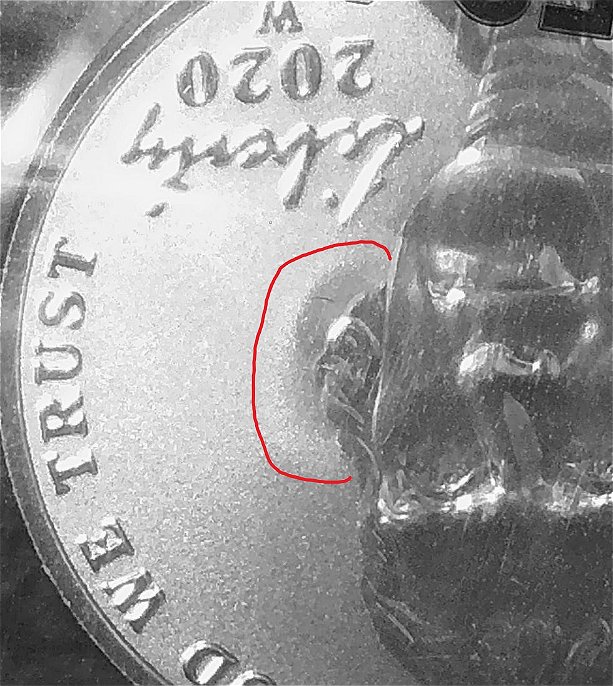
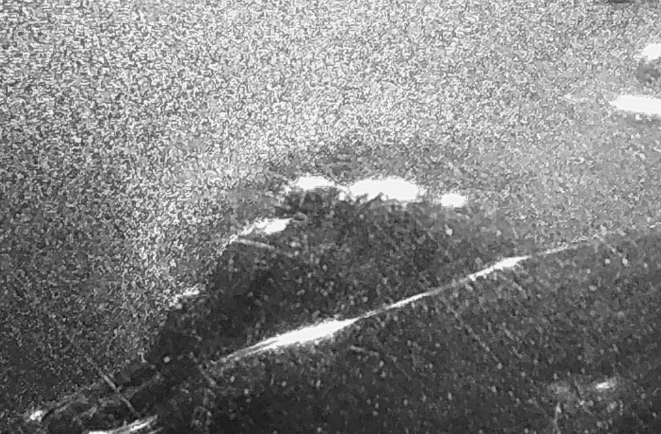
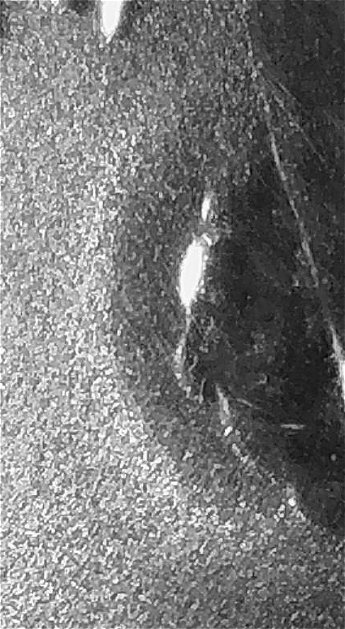
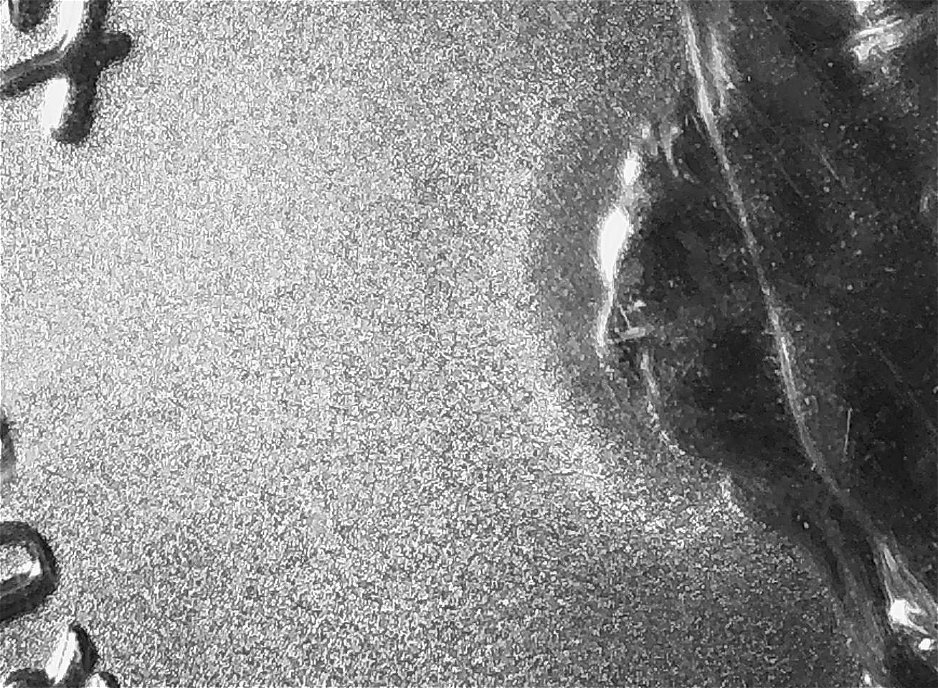
Since the frosting is done on a computer-controlled laser frosting machine, it should be uniform, so the only explanation is really die wear for a surface/frosting anomaly of this size. I've seen tiny dust or particle interruptions on the field frosting, this is a first to see the field with that much interruption of the frosting. the die should have been retired or polished and refrost the fields, if the die is otherwise fine. what happens is it gets this "wavy" look to it of uneven finish.as it wears down and the die fatiigues.
Like would be one of the couple hundred PCGS grades PR68 or lower.
that exactly where you would expect to see the first signs of wear to the frosting, the center of the die has the most pressure and contacts the coin first on each strike.
I wish I had better news or something positive to go here. I dunno, maybe, "that's a fine example of proof or reverse proof for the matter, Die Deterioration!"
Just one mans opinion here.
Since the frosting is done on a computer-controlled laser frosting machine, it should be uniform, so the only explanation is really die wear for a surface/frosting anomaly of this size. I've seen tiny dust or particle interruptions on the field frosting, this is a first to see the field with that much interruption of the frosting. the die should have been retired or polished and refrost the fields, if the die is otherwise fine. what happens is it gets this "wavy" look to it of uneven finish.as it wears down and the die fatiigues.
Like would be one of the couple hundred PCGS grades PR68 or lower.
that exactly where you would expect to see the first signs of wear to the frosting, the center of the die has the most pressure and contacts the coin first on each strike.
I wish I had better news or something positive to go here. I dunno, maybe, "that's a fine example of proof or reverse proof for the matter, Die Deterioration!"
Just one mans opinion here.


