| Author |
 Replies: 10 / Views: 1,151 Replies: 10 / Views: 1,151 |
|
|
Valued Member
Canada
235 Posts |
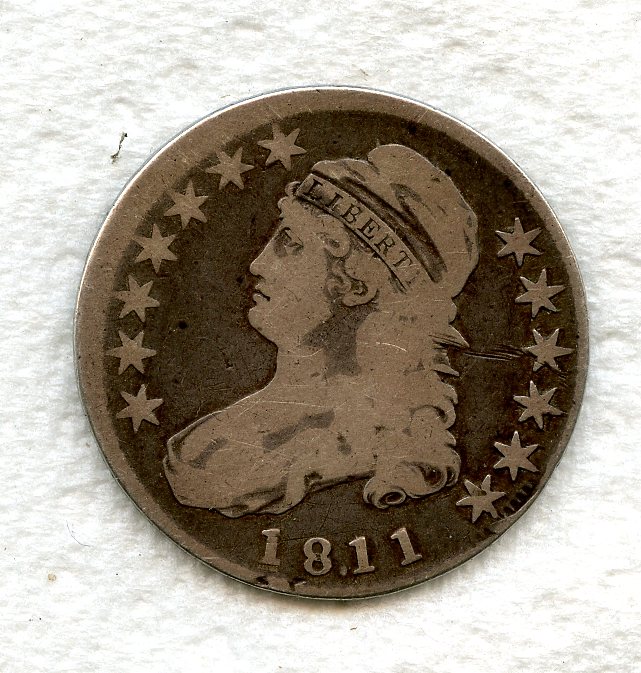
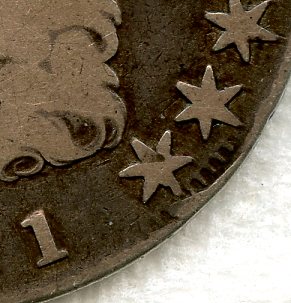
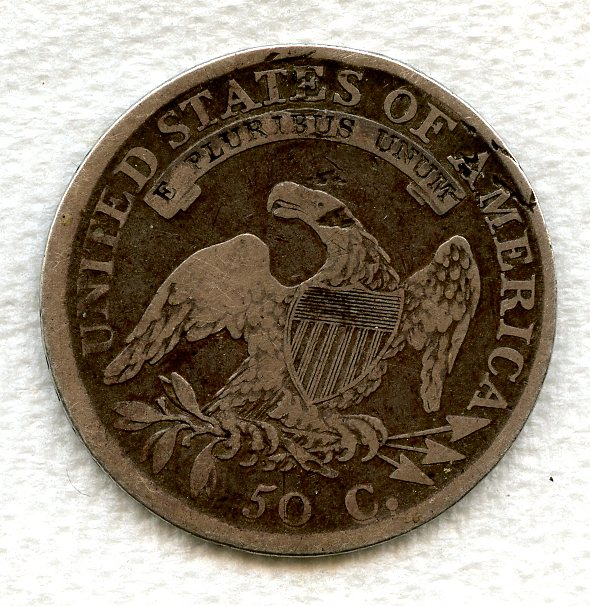
Here's one for ya, I'm stumped: what happened to this coin? It sure looks like a Cud over star 13, due to one of a few struck-through brads, this one clearly seen on the reverse at that place? It seems to have pushed the die so that the denticles show between stars 12 & 13, with what looks like for all the world to be a diebreak going across them, ending in a Cud. This is the "same type of thing" that formed the Unique Manly State 2.0 TDS of the 1828 12 Star Half Cent... Thoughts? 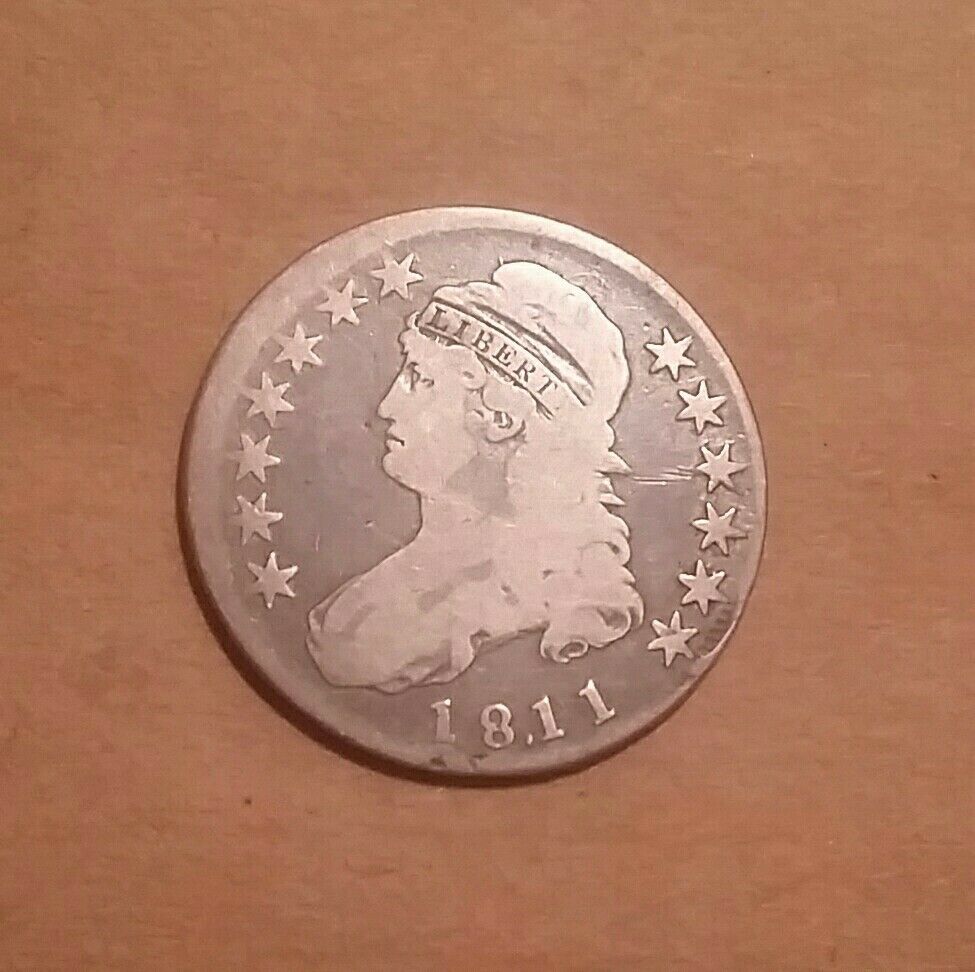 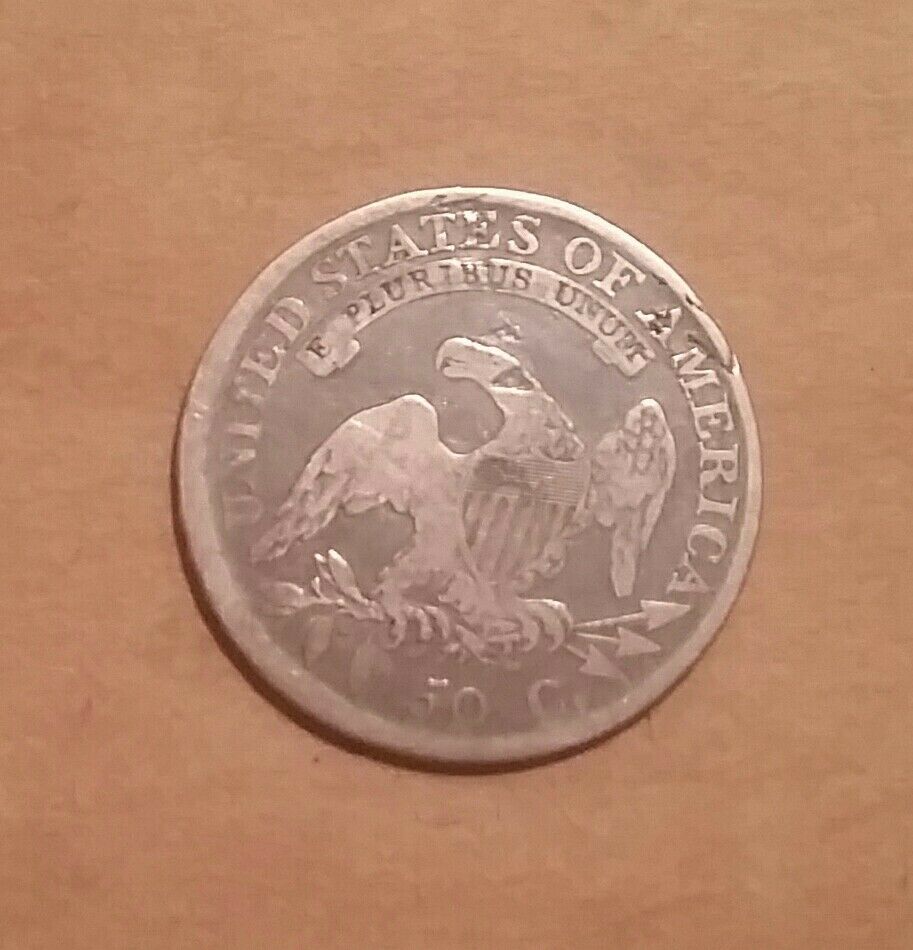 Edited by whatdowehavehere
09/23/2020 3:08 pm
|
|
|
|
Valued Member
United States
79 Posts |
Your stumped , I'm stumped. Wow.
|
|
Valued Member
 Canada
235 Posts |
I didn't notice this before, but those denticles at stars 12-13? They go beyond that, onto the rim behind star 13-and they are impressed into the coin under a Cud. The spaces between the denticles are normally seen as part of the field, not the devices. These spaces are part of the coin. Can anyone explain? They pop-out from the field. Now I've seen everything. If that is a Cud at star 13, they will have to rewrite the book on this variety and the O-102 |
|
Bedrock of the Community
United States
17884 Posts |
What does the edge look like at that spot?
|
|
Valued Member
Canada
235 Posts |
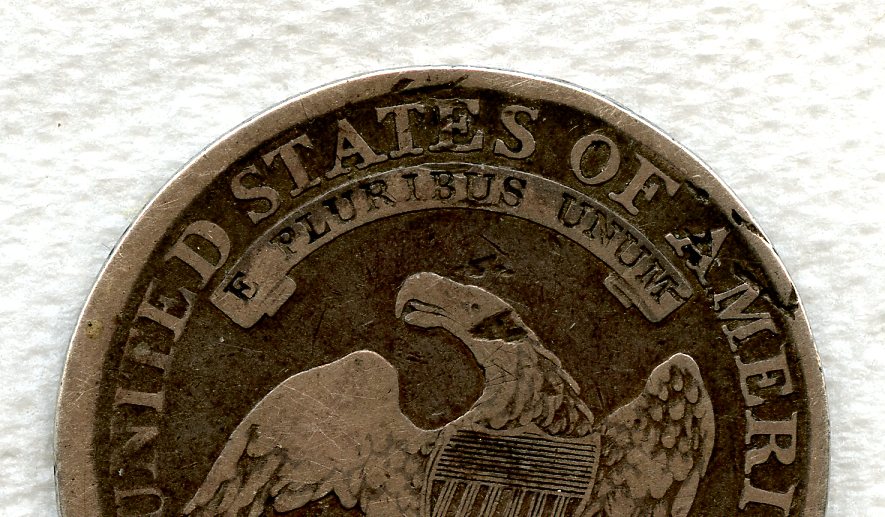
Space between A and DOLL (no AR). The lettering is messed up in places. The planchet is a bit thinner than normal; mabe a pass too many through the rollers...
Edited by whatdowehavehere
09/23/2020 9:53 pm
|
|
Valued Member
Canada
235 Posts |
|
|
Valued Member
Canada
235 Posts |
Better background 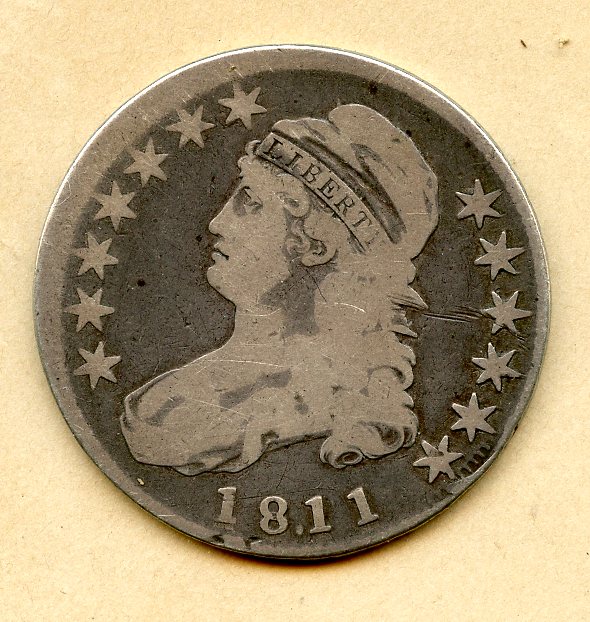 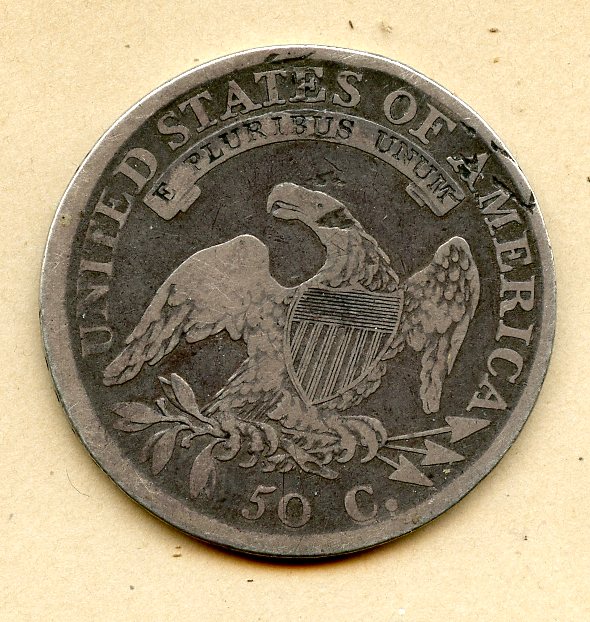 |
|
Pillar of the Community
United States
6438 Posts |
The obverse mark at 4:00 doesn't look like denticles. They look more like the teeth on a gear. Perhaps some metal part was pressed onto the coin and circulation wear later erased most of the impression. The other marks and cuts just look like post-mint damage.
The more interesting possible error could be the slightly off-center strike....
|
|
Valued Member
United States
79 Posts |
Just remembering the days when coin making was fun .  |
|
Valued Member
Canada
235 Posts |
Everyone is of the impression that the strike-throughs are post-striking. I can assure you that they are not. The coin is flat as a board. Even if one lightly-engraved (for hours) the marks, the coin would bend and show them as a positive on the other side, as the metal used to make the marks is much harder than Silver. What's really interesting is the rim/diebreak. It's not supposed to exist. Doesn't anyone find it odd that a huge struck-through piece of bent wire is directly in back of that severe Mint-caused die damage?
|
|
Valued Member
Canada
235 Posts |
Joabler: the Denticles are impressed, negative casts. The positives you see are the spaces that are found between the denticles, highlighted because the devices surrounding them are "in" the coin, not on it
|
| |
Replies: 10 / Views: 1,151 |
|









 Posted 09/23/2020 7:13 pm