








 Posted 09/28/2020 9:14 pm


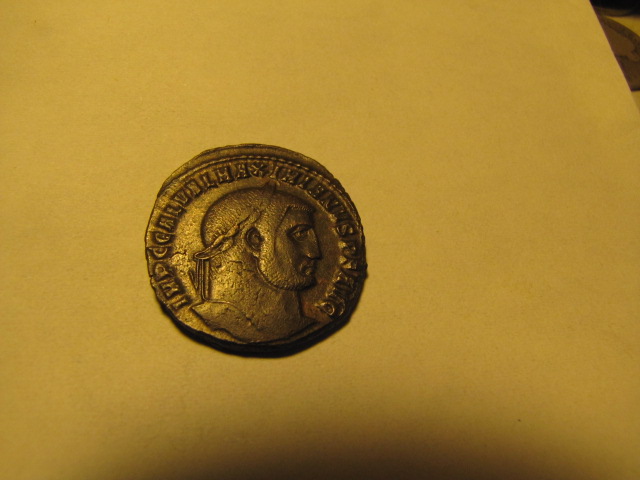
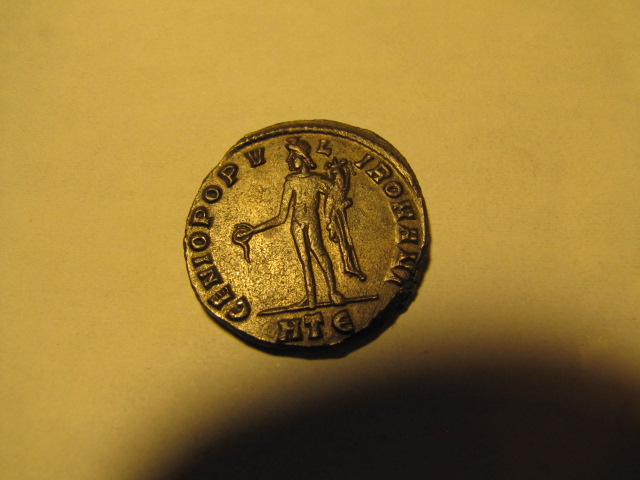
We don't really know what the ancient Romans called these coins as records of the time describing the currency system have not survived. Different modern-era coin cataloguers, writing at different times, have given them different names. "AE1" is simply a size designation, meaning "largest bronze". "Nummus" is simply Latin for "coin" and is the only word used to describe any bronze coins of this time period. "Follis" is another name used for these late Roman bronzes; this name means "bag" or "purse" and is more properly attached to the later Byzantine coin which we have solid evidence for being referred to by that name. "Maiorina" is another name seen for these coins, and is simply Latin for "largest".
It is a curious gap in our knowledge, that we do not know what these coins were called. We have a surviving economic text, the "Edict on Maximum Prices" issued by Diocletian circa AD 301, which lists prices for commonly traded goods. The prices in the Edict are all listed in denarii, which was Diocletian's money of account, but unfortunately, the Edict (or at least the surviving copies of it) does not explain the monetary system in terms of the face values of the actual coins being issued: how many denarii there were to a follis/nummus/AE1/maiorina. We know there were 2 denarii to an antoninianus, or "radiate", which was the commonly issued coin up until Diocletian's coinage reforms, and some follis/nummus/AE1/maiorina sized coins have the Roman numerals for "12½" on them, so it can be reasonably assumed that the follis/nummus/AE1/maiorina was worth 12½ radiates, or 25 denarii. But we simply don't know what these coins were actually called.
One could surmise they might have called it a "Vigintiquinque" (of 25 pieces) or something similar, but we'd just be speculating, there.
It is a curious gap in our knowledge, that we do not know what these coins were called. We have a surviving economic text, the "Edict on Maximum Prices" issued by Diocletian circa AD 301, which lists prices for commonly traded goods. The prices in the Edict are all listed in denarii, which was Diocletian's money of account, but unfortunately, the Edict (or at least the surviving copies of it) does not explain the monetary system in terms of the face values of the actual coins being issued: how many denarii there were to a follis/nummus/AE1/maiorina. We know there were 2 denarii to an antoninianus, or "radiate", which was the commonly issued coin up until Diocletian's coinage reforms, and some follis/nummus/AE1/maiorina sized coins have the Roman numerals for "12½" on them, so it can be reasonably assumed that the follis/nummus/AE1/maiorina was worth 12½ radiates, or 25 denarii. But we simply don't know what these coins were actually called.
One could surmise they might have called it a "Vigintiquinque" (of 25 pieces) or something similar, but we'd just be speculating, there.
Don't say "infinitely" when you mean "very"; otherwise, you'll have no word left when you want to talk about something really infinite. - C. S. Lewis


