











 Posted 10/09/2020 5:06 pm


Yes, a surgeons' and barbers' token, the use of which is unclear. Latin inscriptions sometimes need a bit of deciphering, and in this case they should be put in the context of those 17th century surgeons and barbers. There are people here with much better Latin knowledge than me, but I nevertheless dare make an attempt at interpretation (happy to be corrected!). 
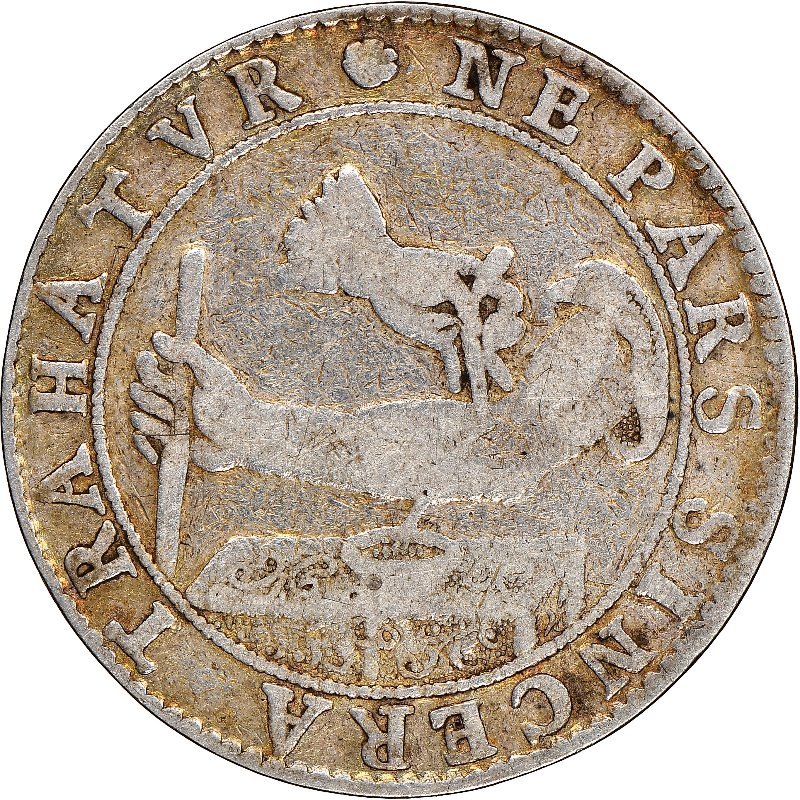
The phrase ne pars sincera trahatur should be read ... that the good part not get [affected by the bad], meaning in this context that it may be necessary to amputate a bad part (like an arm affected by gangrene) to save the good part (the rest of the arm). The phrase might be from a sentence in Ovid's Metamorphoses - most likely known by the relatively well educated surgeons and barbers of the time - which in translation from Latin reads (and with the phrase in italic, here more freely translated): "All options must be tried, but ultimately the part of the body which does not admit of healing must be cut off, lest the good part be lost."
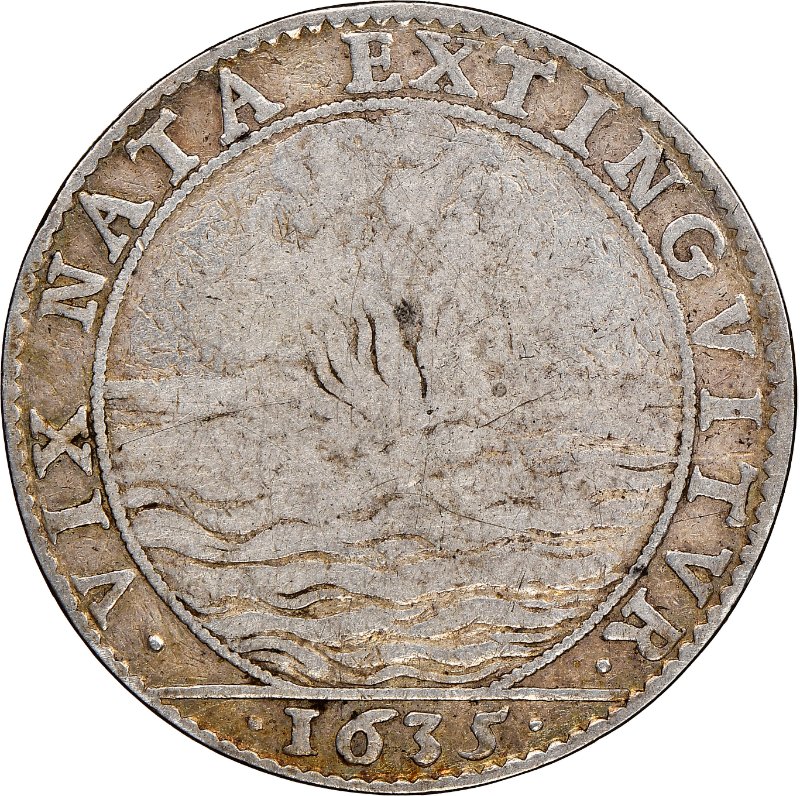
The phrase vix nata extinguitur can be read extinguished when barely born and thus symbolises the positive effects of early treatment of illness and injuries.
The phrase ne pars sincera trahatur should be read ... that the good part not get [affected by the bad], meaning in this context that it may be necessary to amputate a bad part (like an arm affected by gangrene) to save the good part (the rest of the arm). The phrase might be from a sentence in Ovid's Metamorphoses - most likely known by the relatively well educated surgeons and barbers of the time - which in translation from Latin reads (and with the phrase in italic, here more freely translated): "All options must be tried, but ultimately the part of the body which does not admit of healing must be cut off, lest the good part be lost."
The phrase vix nata extinguitur can be read extinguished when barely born and thus symbolises the positive effects of early treatment of illness and injuries.


