

 to the Community!


 Posted 10/14/2020 4:22 pm


I'd like to see Kushanshah's and others' opinions on this one.
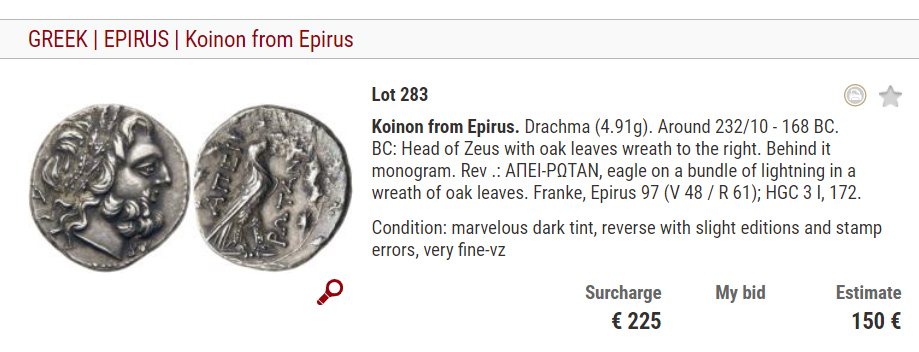
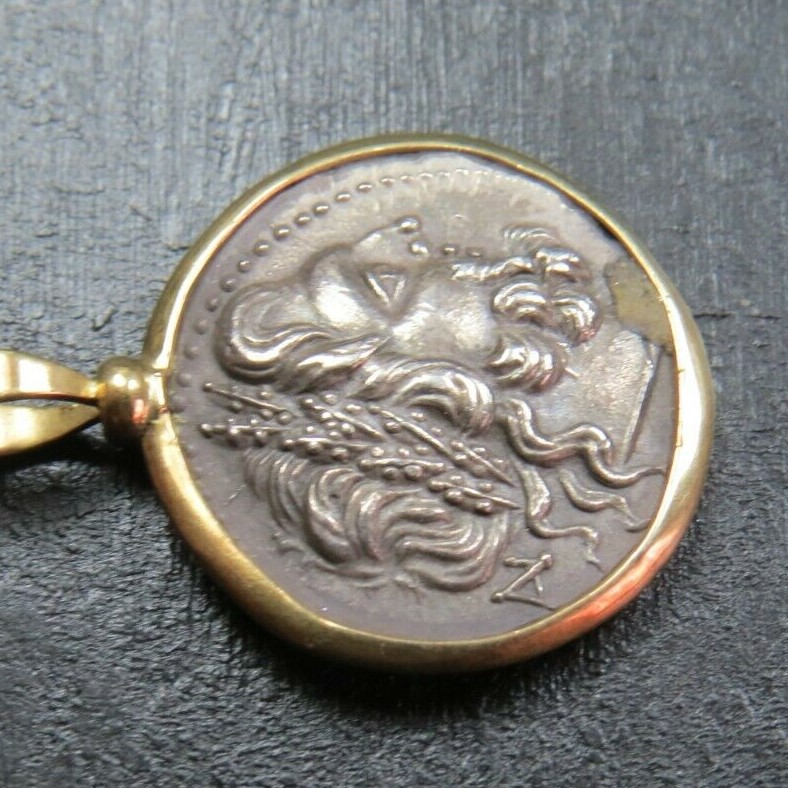
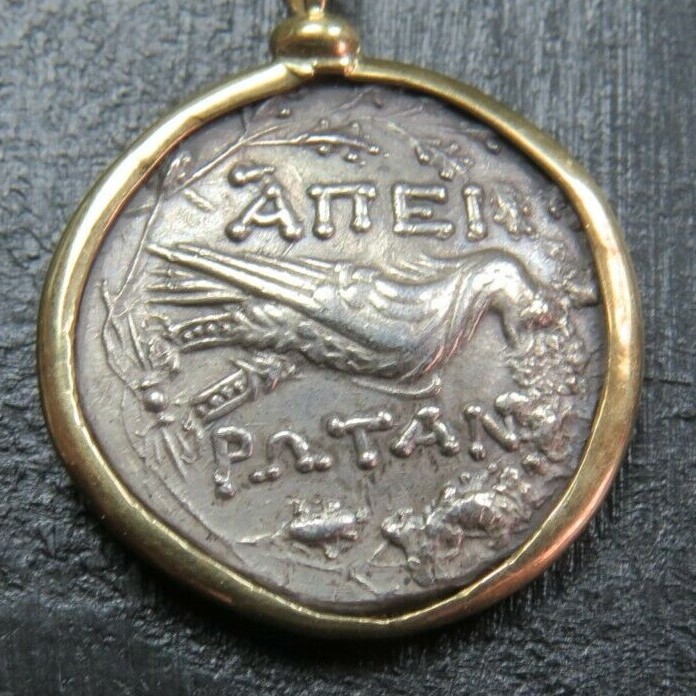
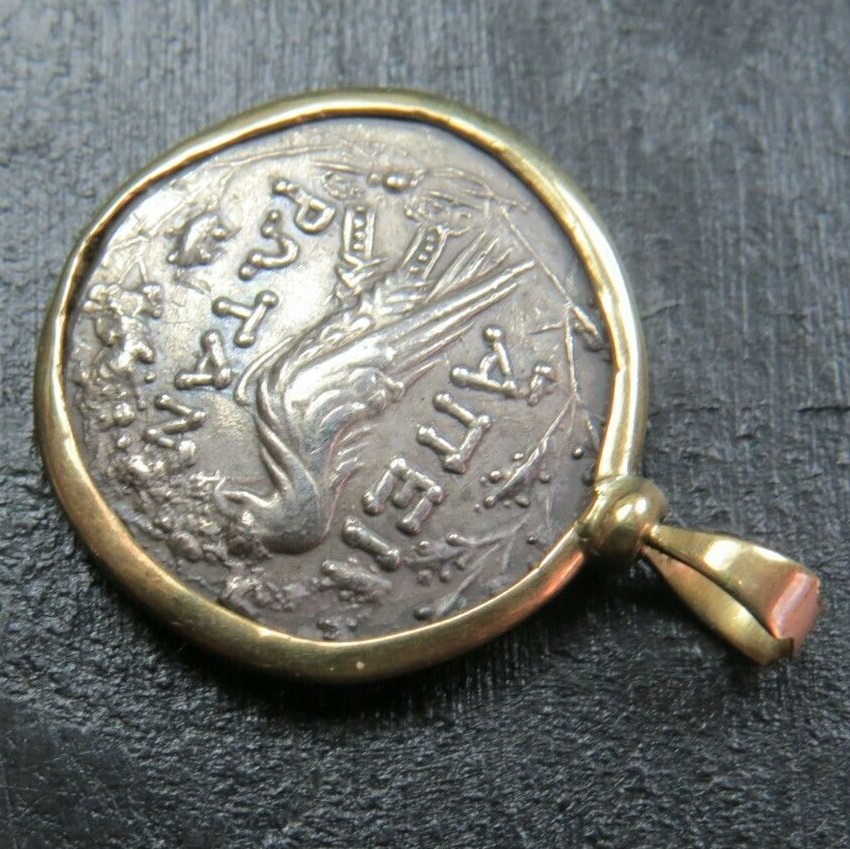
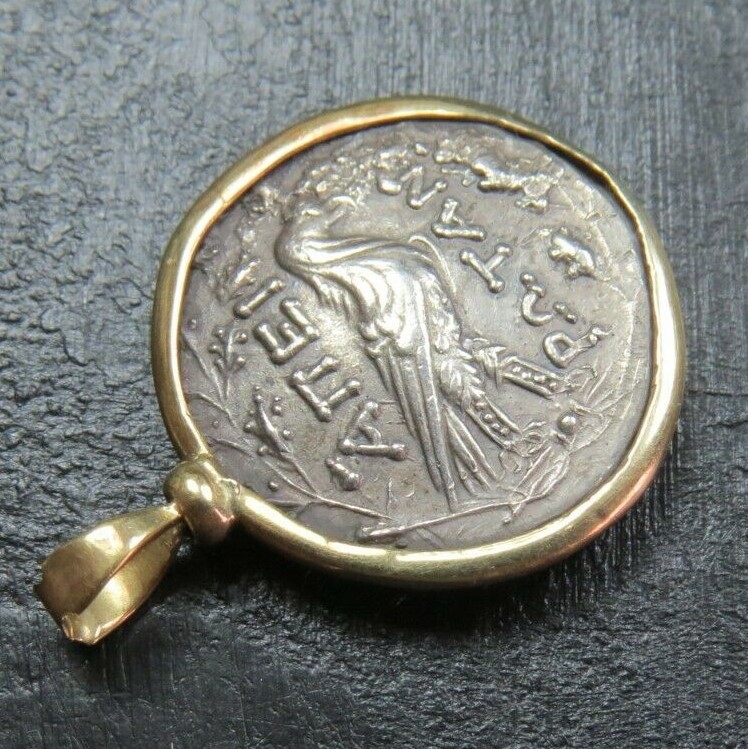
There are possible die matches to be found - assuming we're dealing with a struck coin and not a cast. These include coins sold by good dealers. Usually, that's a good sign:
https://www.acsearch.info/search.html?id=748945
https://www.acsearch.info/search.html?id=5366210
https://www.acsearch.info/search.html?id=6387115
There is always, however, the possibility that they were fooled by a good fake. For comparison:

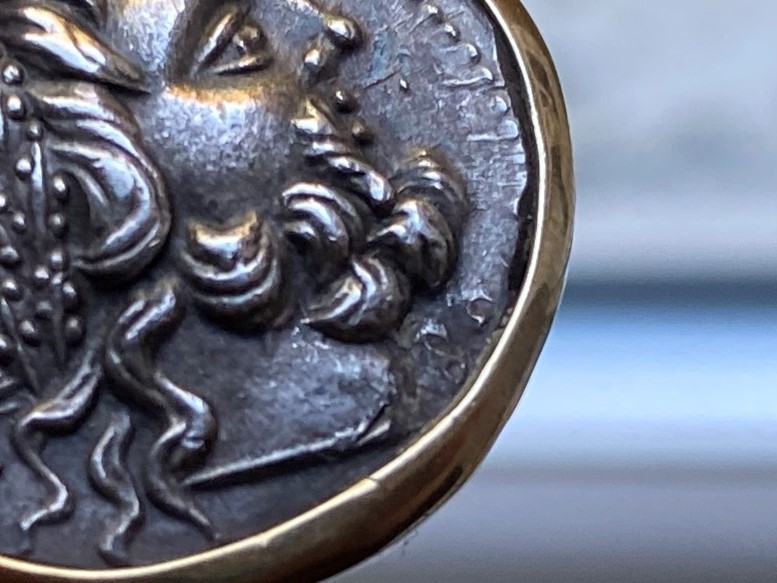
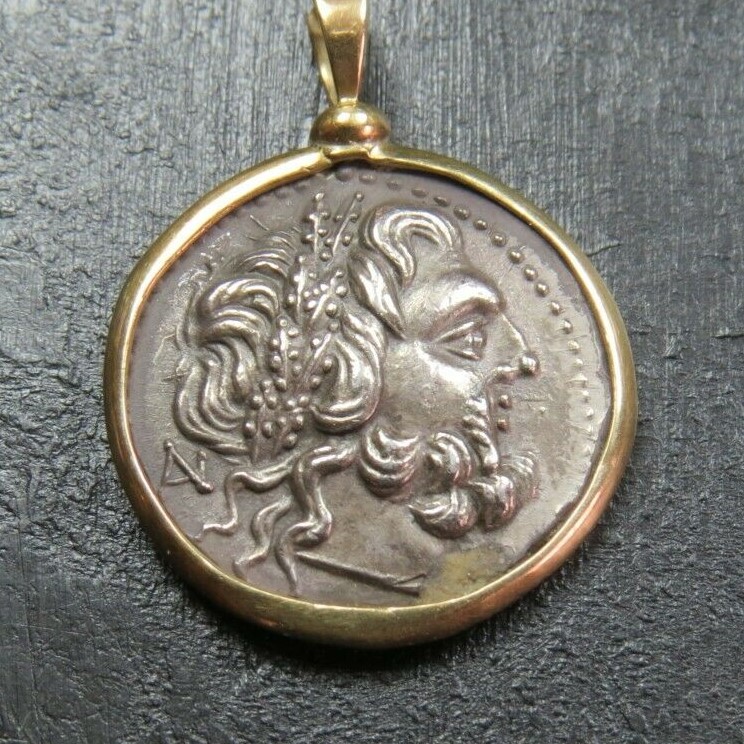
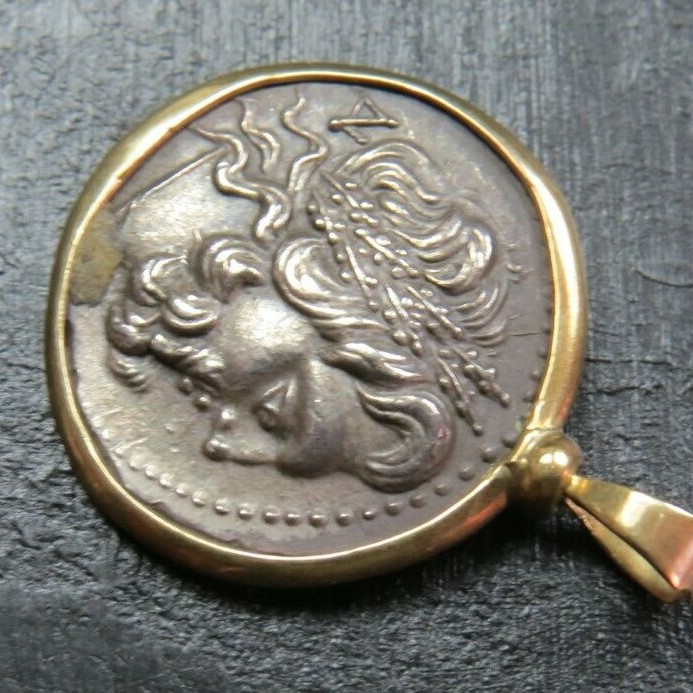
Two things are potentially odd to me. One is the top seller's example, pictured just below your coin. IF the reverse is a die match to yours and the others (I haven't studied it carefully enough to determine), then the degradation (?) of the die (or mold?) happened between the time that coin was manufactured and others were created. Whether that happened in antiquity or modern times, I dunno. The nature of that degradation - or whatever it is - seems odd. If the coin is struck, much of what we see would have to been impressed intaglio into the die in order to show us as raised bumps like this.
The other thing that gives me just a bit of pause - although this one may be inconsequential - is that the obverse beige mark you refer to just happens to be where the "BO" is situated on the others. That "BO" may be a legit ancient monogram, though. If, on the other hand, it was a modern touch - like initials of a (modern) maker - that would be a sensible place to do some "erasing." But I believe a "BO" monogram might show up elsewhere on Epirus coins...although I could be mistaken about that. And it is described as a monogram in the Gorny and Mosch listing.
All legit? Or all fake?
There are possible die matches to be found - assuming we're dealing with a struck coin and not a cast. These include coins sold by good dealers. Usually, that's a good sign:
https://www.acsearch.info/search.html?id=748945
https://www.acsearch.info/search.html?id=5366210
https://www.acsearch.info/search.html?id=6387115
There is always, however, the possibility that they were fooled by a good fake. For comparison:
Two things are potentially odd to me. One is the top seller's example, pictured just below your coin. IF the reverse is a die match to yours and the others (I haven't studied it carefully enough to determine), then the degradation (?) of the die (or mold?) happened between the time that coin was manufactured and others were created. Whether that happened in antiquity or modern times, I dunno. The nature of that degradation - or whatever it is - seems odd. If the coin is struck, much of what we see would have to been impressed intaglio into the die in order to show us as raised bumps like this.
The other thing that gives me just a bit of pause - although this one may be inconsequential - is that the obverse beige mark you refer to just happens to be where the "BO" is situated on the others. That "BO" may be a legit ancient monogram, though. If, on the other hand, it was a modern touch - like initials of a (modern) maker - that would be a sensible place to do some "erasing." But I believe a "BO" monogram might show up elsewhere on Epirus coins...although I could be mistaken about that. And it is described as a monogram in the Gorny and Mosch listing.
All legit? Or all fake?