











 Posted 10/27/2020 12:12 am


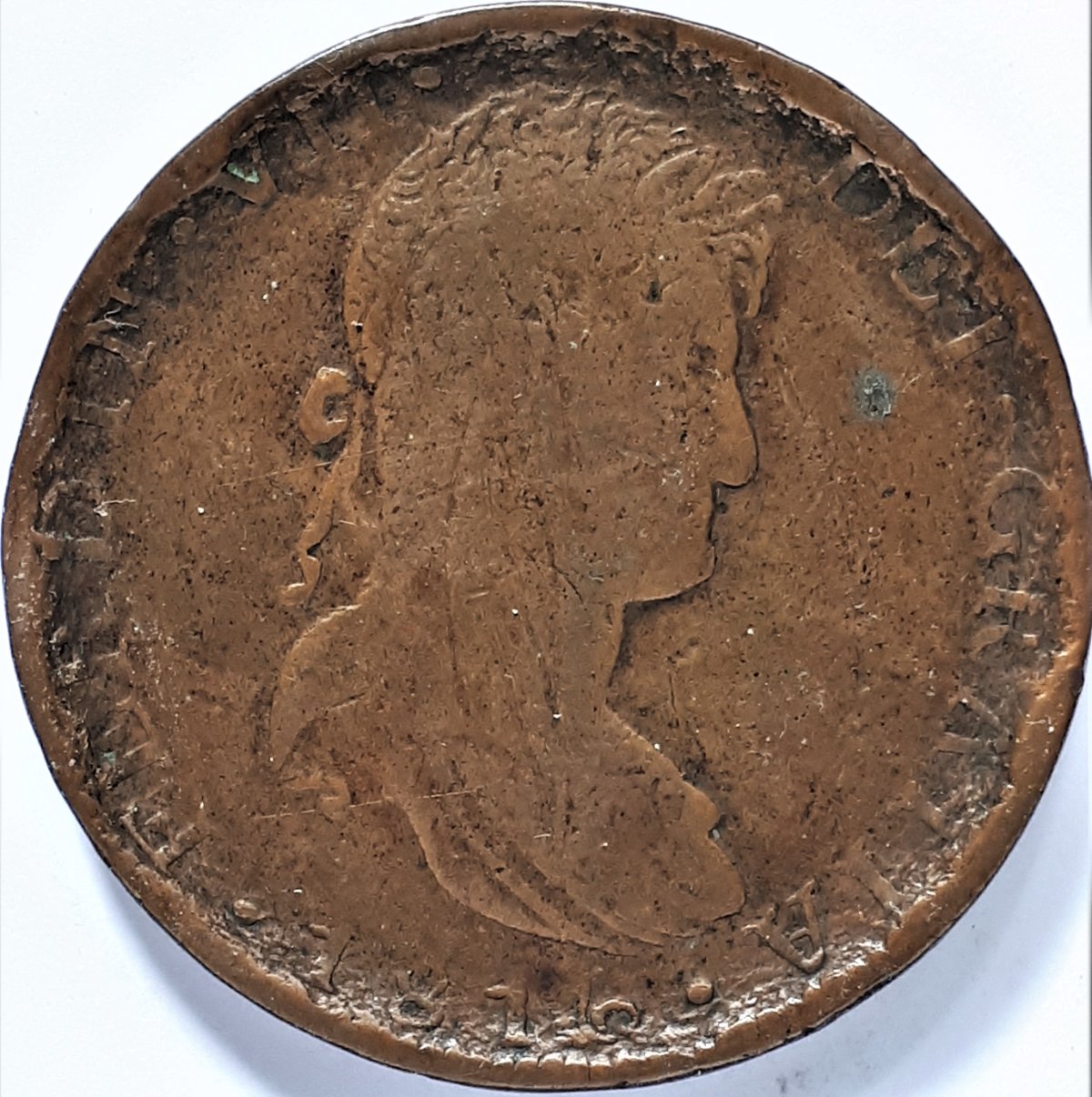
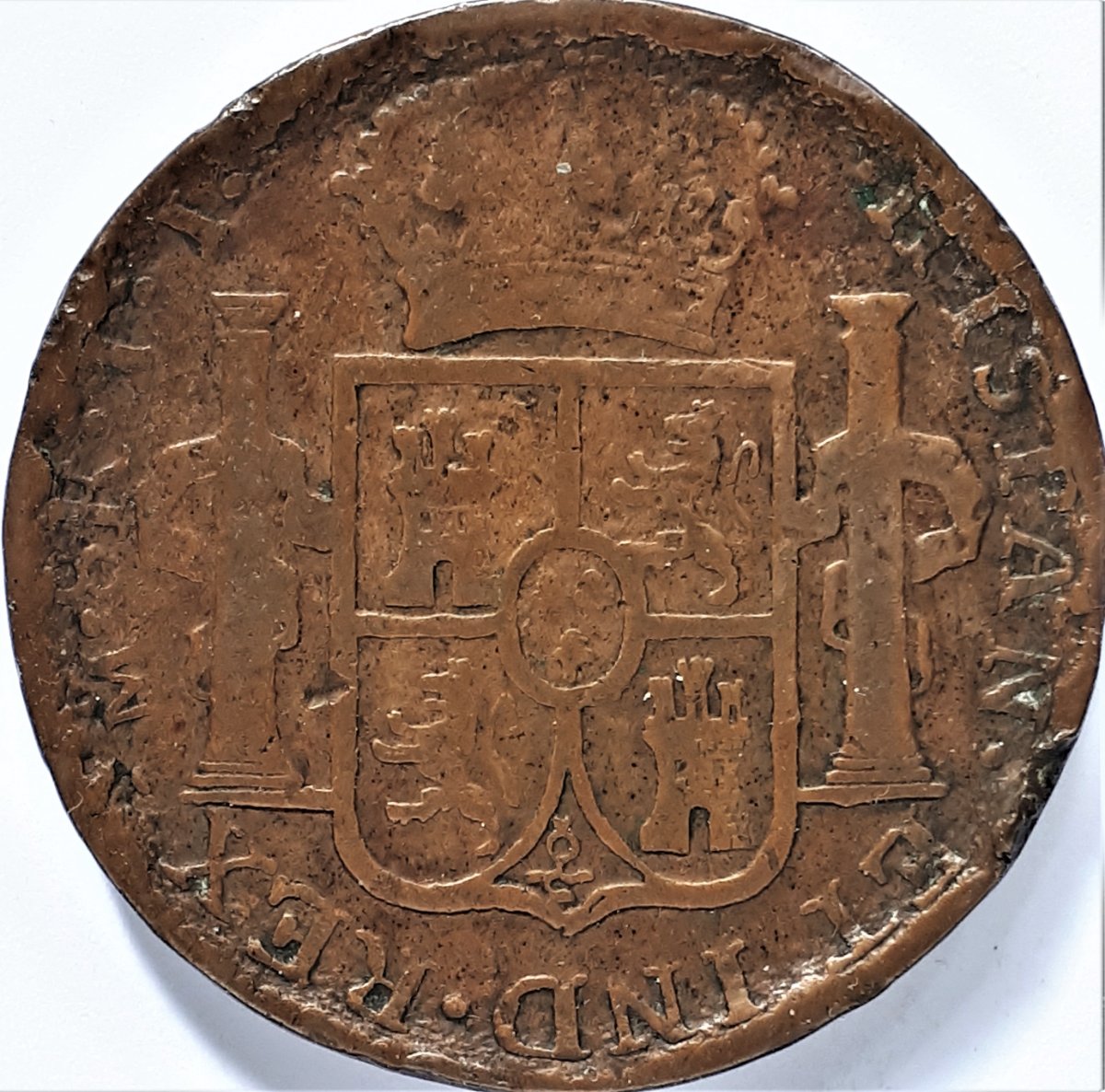
oriole You have an example of a Contemporary Circulating Counterfeit that is shown in my book; under GNL# 1816-Obv: A / Rev: Mo JJ-002. It is a struck counterfeit made using two different alloys - Copper as yours and a white metal with a silver wash. The copper example like yours has virtually no remaining silvering.
Why some of the CCC types have no remaining silvering is essentially impossible to answer. I believe it is a function of the original coloring wearing away or evaporating over time.
In the late 1990s a forger operating in Mass passed struck copper 25 cent pieces that were "silvered" using mercury. That coasting could evaporate or rub off entirely under the correct conditions.
Other surface washes may have been equally temporary as mercury.
Your coin shows edge damage but is otherwise in very good condition. Neither of the coins I already have pictures of have any more "detail" than yours. The dies may have been made to produce well worn looking coins.
Why some of the CCC types have no remaining silvering is essentially impossible to answer. I believe it is a function of the original coloring wearing away or evaporating over time.
In the late 1990s a forger operating in Mass passed struck copper 25 cent pieces that were "silvered" using mercury. That coasting could evaporate or rub off entirely under the correct conditions.
Other surface washes may have been equally temporary as mercury.
Your coin shows edge damage but is otherwise in very good condition. Neither of the coins I already have pictures of have any more "detail" than yours. The dies may have been made to produce well worn looking coins.


