| Author |
 Replies: 30 / Views: 4,627 Replies: 30 / Views: 4,627 |
|
Pillar of the Community
United States
701 Posts |
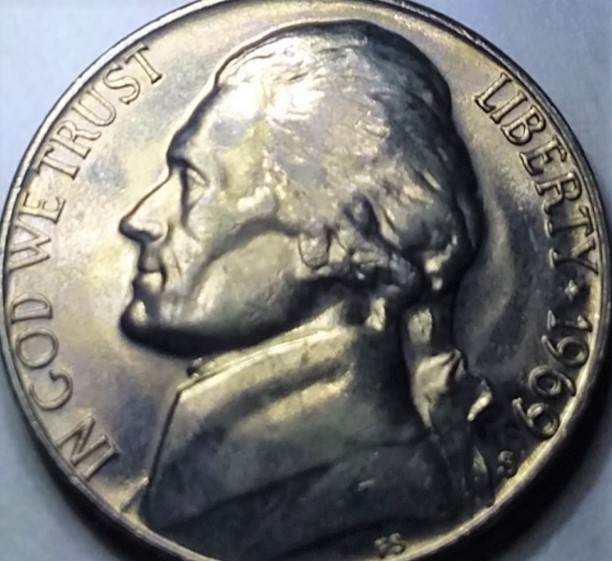
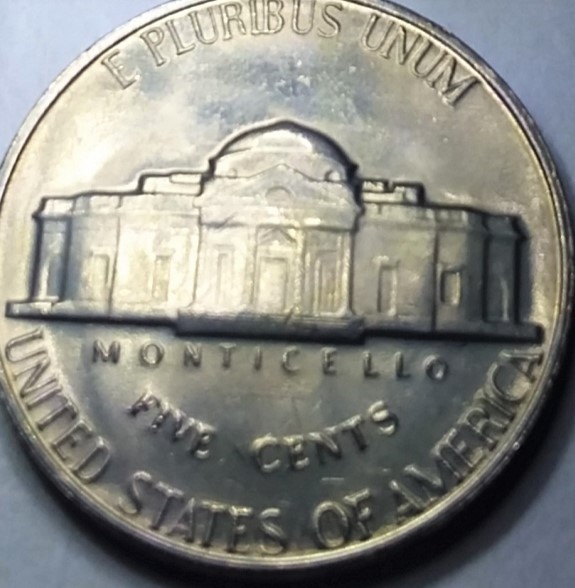
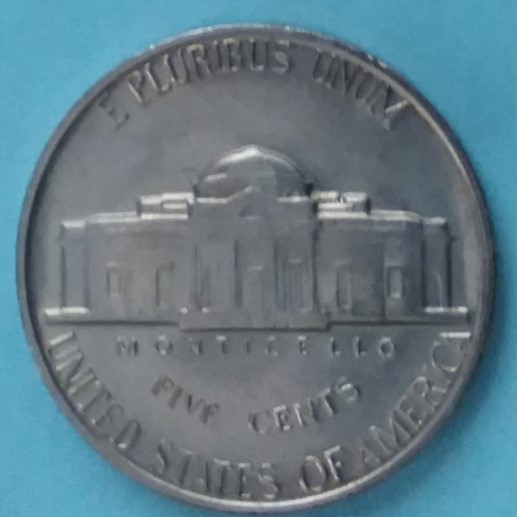
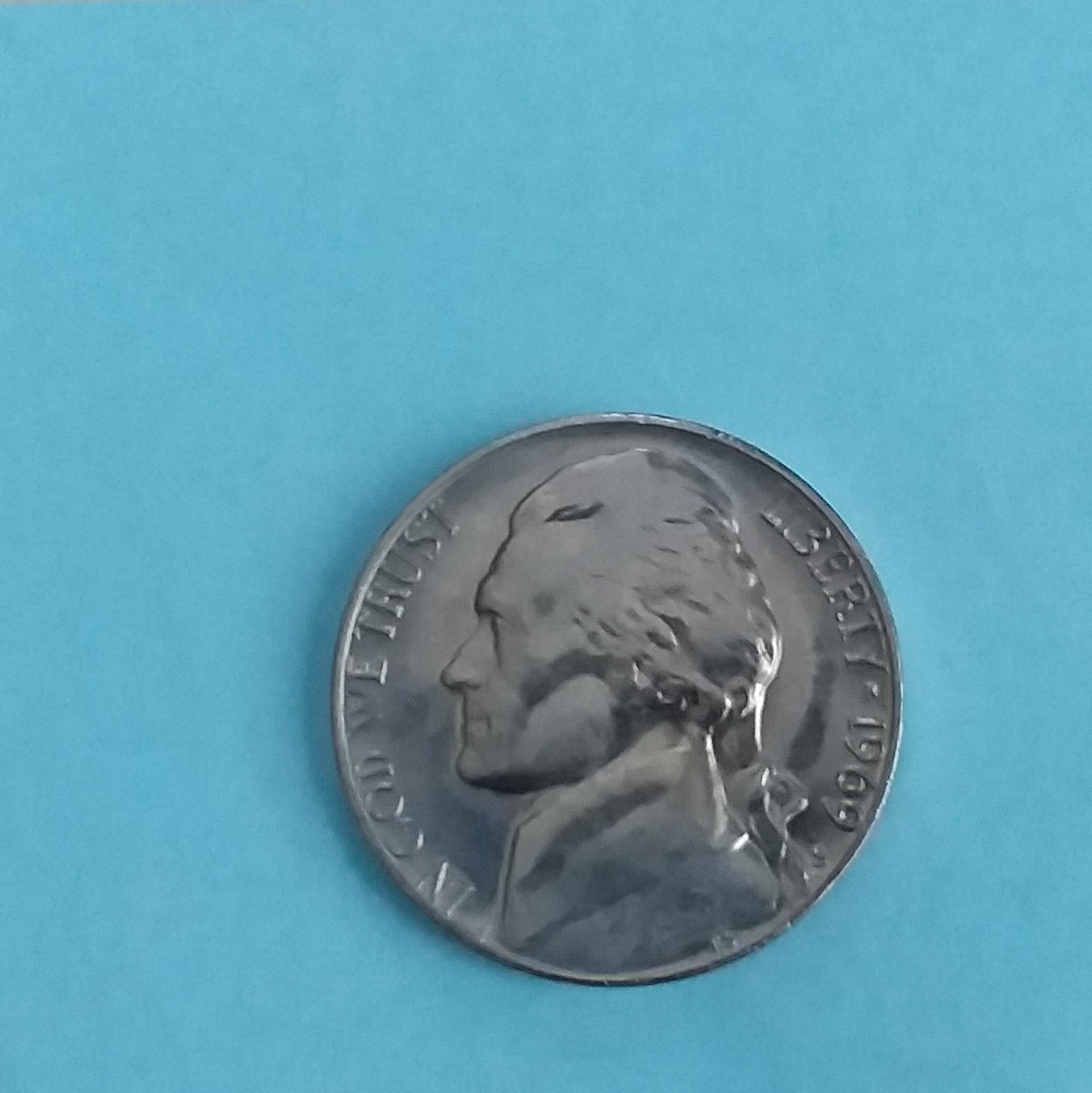
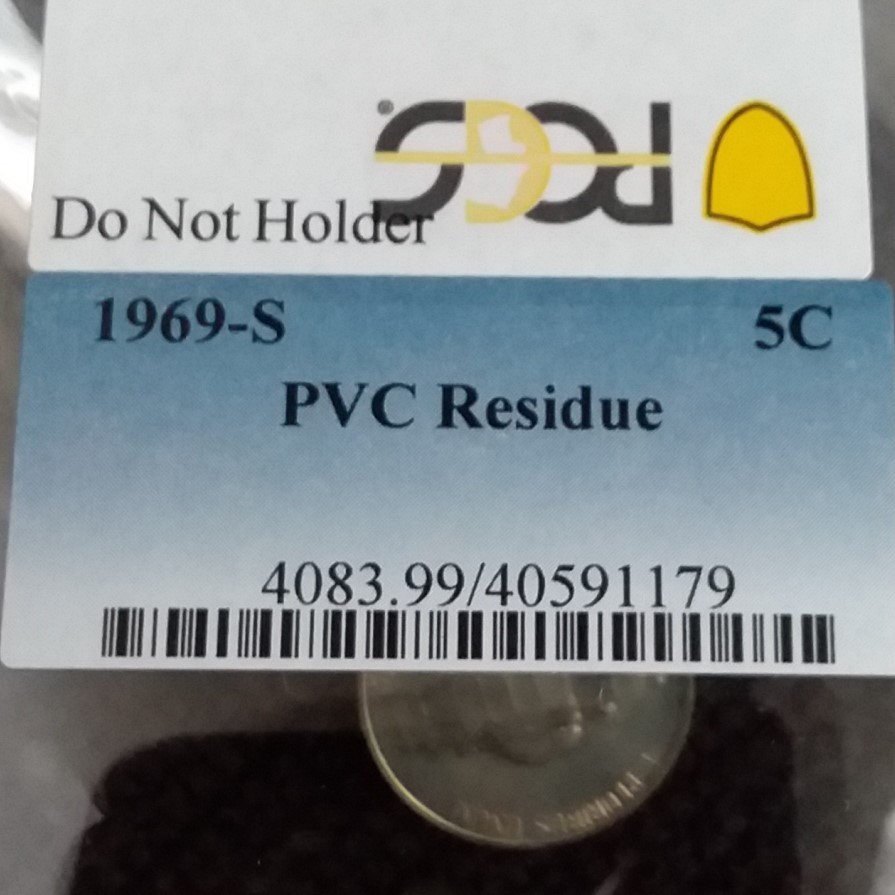
Hi, I just received my coin back from PCGS, ungraded stating PVC residues. 1969 S Jefferson nickel. The coin was in a San Francisco US mint package, and all I did was to cut it out and send it to PCGS. How is that possible. Thanks for your comments. |
|
|
|
Moderator
 United States
194256 Posts |
That is curiously odd. I wonder if it had been stored somewhere bad in its 51 years? Those lenses are sealed, but not 100% air tight. By the way, this was moved to the appropriate forum for the proper attention.  |
|
Moderator
United States
194256 Posts |
Wait, you said "cut it out." This should have been in a hard plastic case, if a proof set that I assumed it was.
I guess this a 1969-S business strike from a mint set?
|
|
Pillar of the Community
 United States
701 Posts |
|
|
Pillar of the Community
United States
701 Posts |
|
|
Pillar of the Community
United States
701 Posts |
My coin came back looking shiny, maybe its just me?
|
|
Valued Member
United States
318 Posts |
The old mint sets are known to transfer PVC from the plastic to the surface of the coin. Very difficult to remove without damaging the surface of the coin. Especially nickels, at least for me anytime I tried to clean a nickel the surface was significantly degraded.
|
|
Bedrock of the Community
United States
20026 Posts |
Probably not PVC residue, the old mint packaging was cellophane. It's just surface damage from poor storage and likely PVC was the best "description" they had. The damage does look very much like PVC residue that was properly removed with something like acetone - leaving behind etched, permanently damaged surfaces.
|
|
Bedrock of the Community
United States
17884 Posts |
Probably had a visible oil residue from the light misting of oil they used to keep the planchets from sticking in the press feeding mechanisms. They saw oily film and said PVC residue. They didn't do a chemical test to determine what the residue actually was.
|
|
Valued Member
United States
171 Posts |
I have 1960 proof set. Does that have bad stuff in it? The coins look ok.
|
|
Pillar of the Community
United States
701 Posts |
Well, should I remove all of the 1960's coins from the mint packaging then?
I'm very concerned.
Thank you so much for your input.
|
|
Pillar of the Community
United States
2283 Posts |
Quote:
Well, should I remove all of the 1960's coins from the mint packaging then?
I'm very concerned.
Thank you so much for your input. I've been trying to warn people for years that these will soon all be gone, ruined by time and a thin layer of PVC plastic inside the packaging; http://goccf.com/t/384829Nobody wants to believe it but many of these coins were already scarce in pristine condition and now most of them are already ruined or well on their way. Don't despair. It's not too late for all of them and your nickel appears to be salvageable. Take all the coins out of the packaging and then soak them in 91% isopropyl alcohol. Do not use 70%! You can substitute acetone but the alcohol works better. They may sometimes need to soak for days but then rinse the coins in warm water (save the alcohol (it's still good for first soaks). Lay the coins on a plush towel and gently pat dry. Good luck. Time don't fly, it bounds and leaps.
|
|
Pillar of the Community
United States
2283 Posts |
To give you an idea of how tough these coins are I'll just say the '69-S is one of the more common modern nickels. About a million coins were set aside in 1969 and about half of these have been spent. The half million that survive have about half the coins spotted or tarnished. The quarter million still pristine are almost invariably very ugly coins with few that might be called or sold as "chBU". This leaves the two million mint sets. About 1 1/4 million of these have been destroyed by collectors for the various coins in them (usually the pennies or nickels). Of the three quarter million '69-S surviving in mint sets about 75% are tarnished beyond salvage or soon enough will be. This leaves about 175,000 plus the BU rolls make about 200,000 nice BU '69-S nickels available if people wake up and save these starting right now. This number seems huge but compare it to the 1,250,000 1950-D's in BU! Also consider that many collectors like moderns in Gem or near gem and there are very very few '69-S's in this condition... ...and this is a common date modern nickel. I just hope people start saving these coins before they are all gone. There's a perception that moderns are common so they aren't being collected and people are unlikely to do the work and spend the money for coins that list at 10c. This is what the catalogs say this coin is worth... ...10c. The RedBook lists it at 25c in chBU but everyone knows that RedBook prices are greatly inflated for classic coins. I guess it must be for this one too. The far more common '50-D lists at $10 in chBU. Time don't fly, it bounds and leaps.
|
|
Valued Member
United States
171 Posts |
I just found out that the Mint Sets and Proof Sets from the 50's and 60's were made from cellophane, not PVC. the Mint has NEVER used PVC. Later on the Mint switched to hard plastic cases. Whatever is on that coin, it's not PVC related.
|
|
Pillar of the Community
United States
1284 Posts |
cladking says some PVC on inside of packaging?
|
|
Valued Member
United States
171 Posts |
Quote:
cladking says some PVC on inside of packaging? There is no PVC, it's harmless cellophane.  |
| |
Replies: 30 / Views: 4,627 |










 Posted 10/29/2020 5:01 pm