








 Posted 12/16/2020 10:42 am


Here is an example.
I used the well know Canadian Silver dollar 1962 Double Arrowhead (die clash).
We know that taking pictures of die clash is not so easy.
We need to play with coin tilt and light orientation to maximize the rendering.
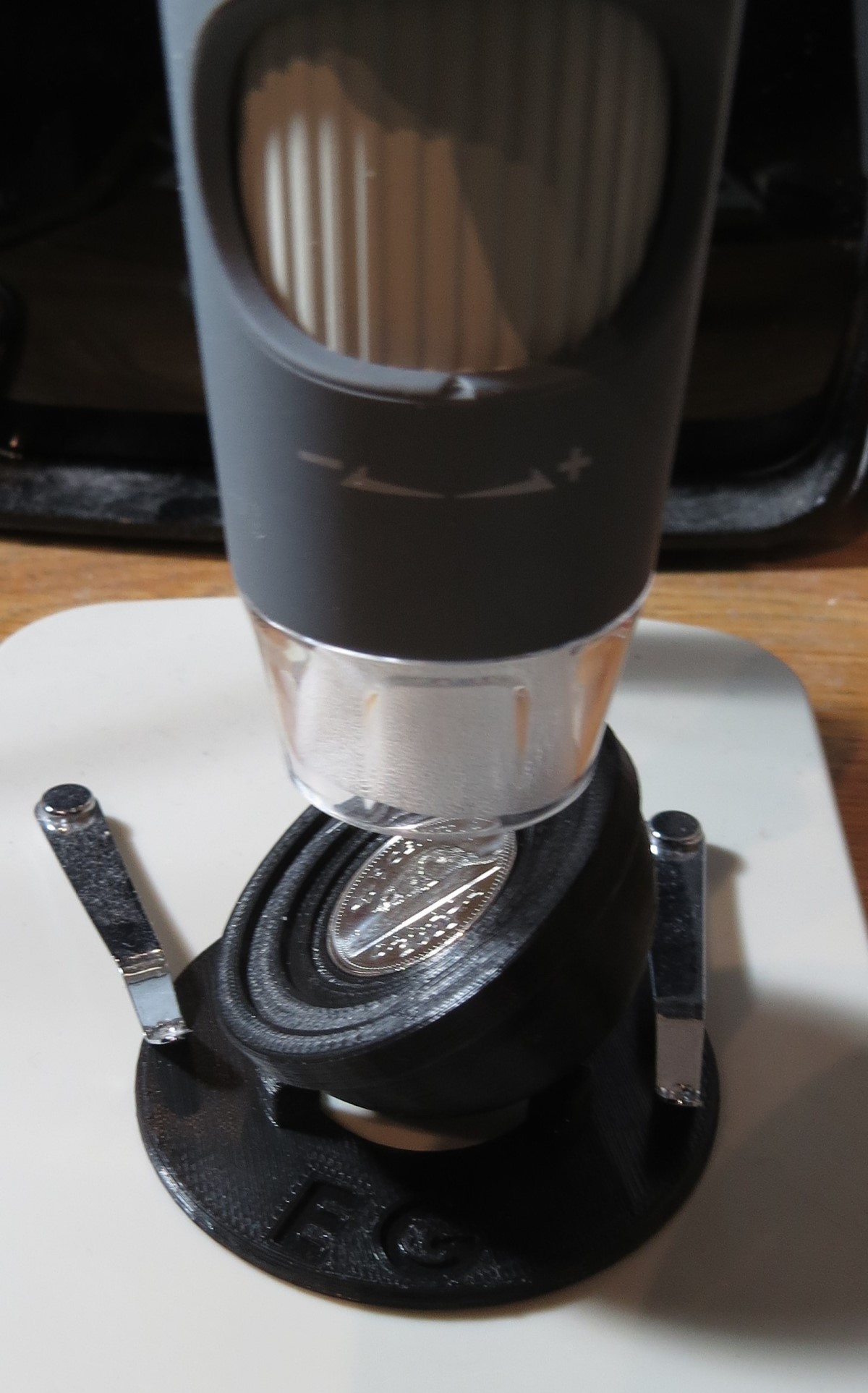
The following picture shows 3 different configurations of the same coin. I used a Celestron USB Digital Microscope.
The first image is at normal incidence by using microscope internal light. The clash on barely seen.
In the second image I used an external light source to maximize the clash. It's much more better, but the depth is still low.
In the third image, I tilted the coin to get much more depth of the clash signature. I just played around with the tip-tilt mount to get the best rendering condition.
I used the well know Canadian Silver dollar 1962 Double Arrowhead (die clash).
We know that taking pictures of die clash is not so easy.
We need to play with coin tilt and light orientation to maximize the rendering.
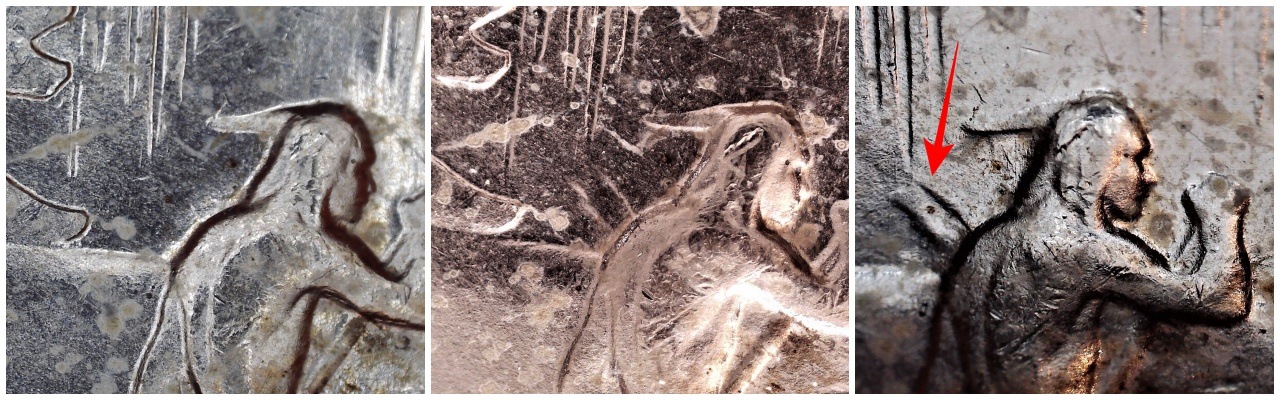
The following picture shows 3 different configurations of the same coin. I used a Celestron USB Digital Microscope.
The first image is at normal incidence by using microscope internal light. The clash on barely seen.
In the second image I used an external light source to maximize the clash. It's much more better, but the depth is still low.
In the third image, I tilted the coin to get much more depth of the clash signature. I just played around with the tip-tilt mount to get the best rendering condition.


