Quote:
As to ping test, if coin is cracked, reduced ping. There is a bit of a crack or flan break to it.
That indeed throws the "ring" completely off, so let's ignore that. However, just visually, the tone almost looks a little too dull grey, like perhaps it could be silver cut with some other grey-white metal... but could just be the lighting?
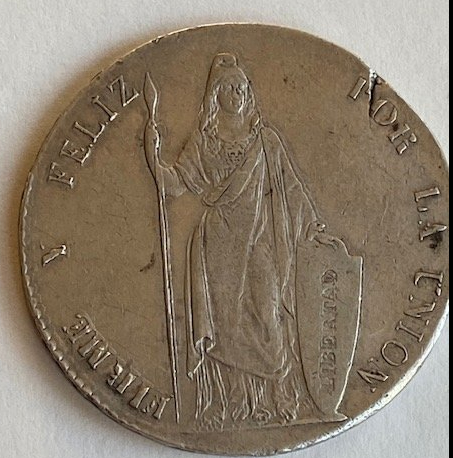
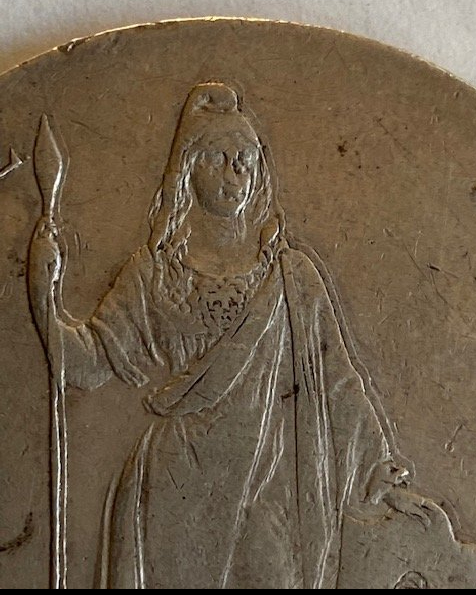
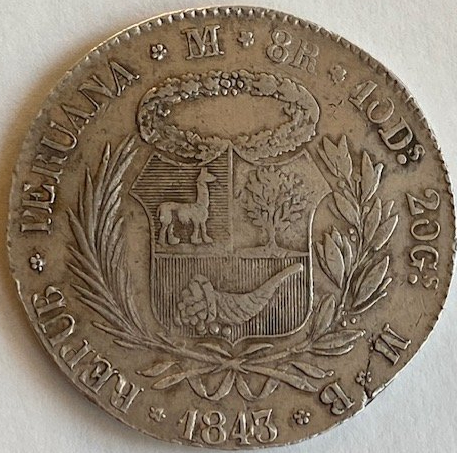
Aside from the doubling, the design does look, as you noted, perfectly "regal". There are a decent amount of contemporary counterfeit Peru Republic 8R (and also minors) in the late 1820s through 1840 or so, plus the ubiquitous 1855 8R counterfeit. All CCs that I've seen, though, seem to present with fairly obviously wrong engraving.
You seem to have some familiarity with the series, so I'm sure you know the weight on a lot of the 1830s pieces (Lima or Cuzco) shows quite a bit of variance on pieces that otherwise appear perfectly legitimate. I know there is some idea that the mint(s) may have illicitly issued slightly debased coins... and of course the "Moneda Feble" issue makes it complicated.
I hadn't taken note of much variance in the redesigned 1840s pieces... but looking through some auctions, there definitely seems to be. The ANS collection actually lists a Lima 1842 8R weighing 27.69g and an 1843 at 27.85g. Then, at the other end, here are two 1842 pieces weighing in at 24.2g 25.15g. The 24.2g looks good by design... but the tone spots perhaps suggest a high copper content? The 25.15g, though, looks like fairly good silver:
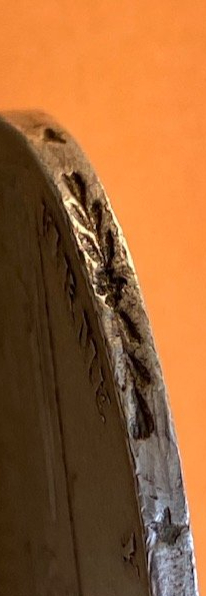
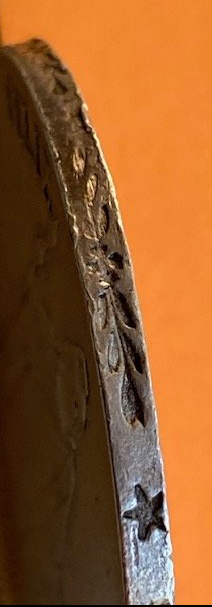
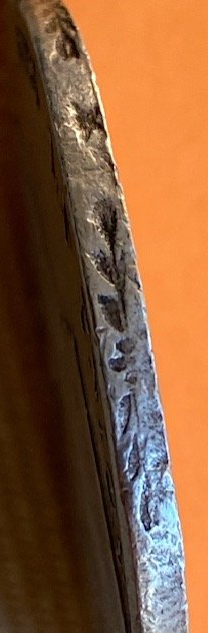
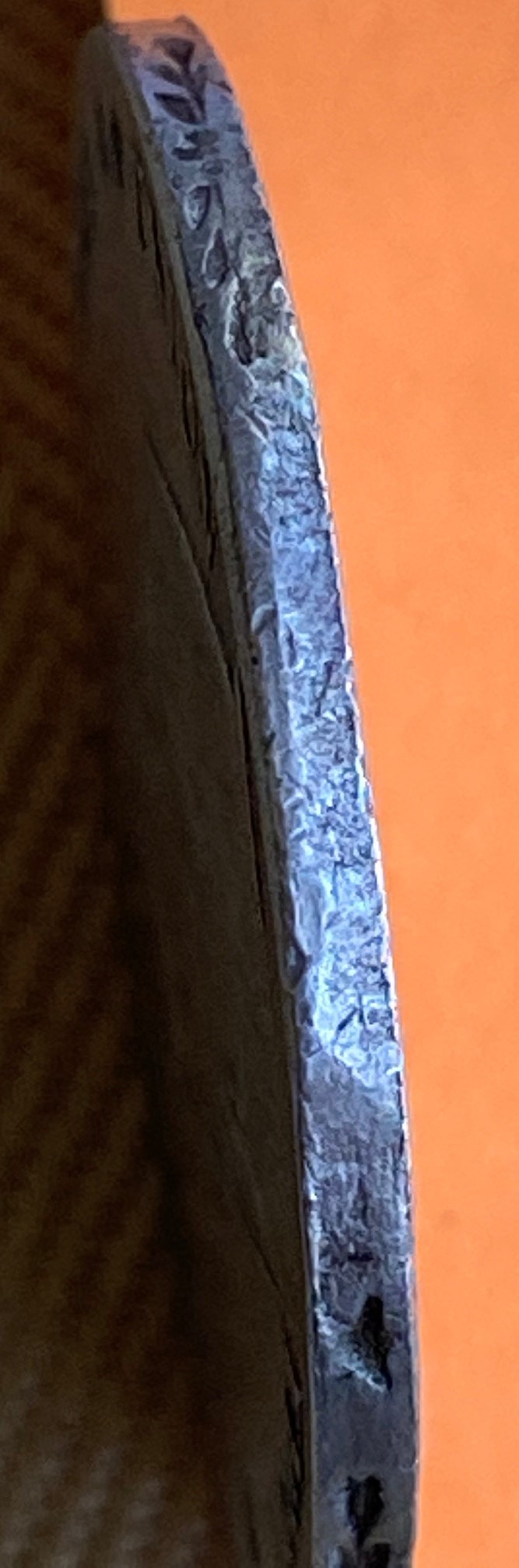
https://www.acsearch.info/search.html?id=7406578https://www.acsearch.info/search.html?id=4922264I believe the piece was struck from official dies... but underweight and perhaps slightly debased for whatever reason (with some slight additional rim filing, as noted... but the weight as made would still have been way below prescribed).










 Posted 12/25/2020 9:22 pm