











 Posted 12/26/2020 11:49 pm


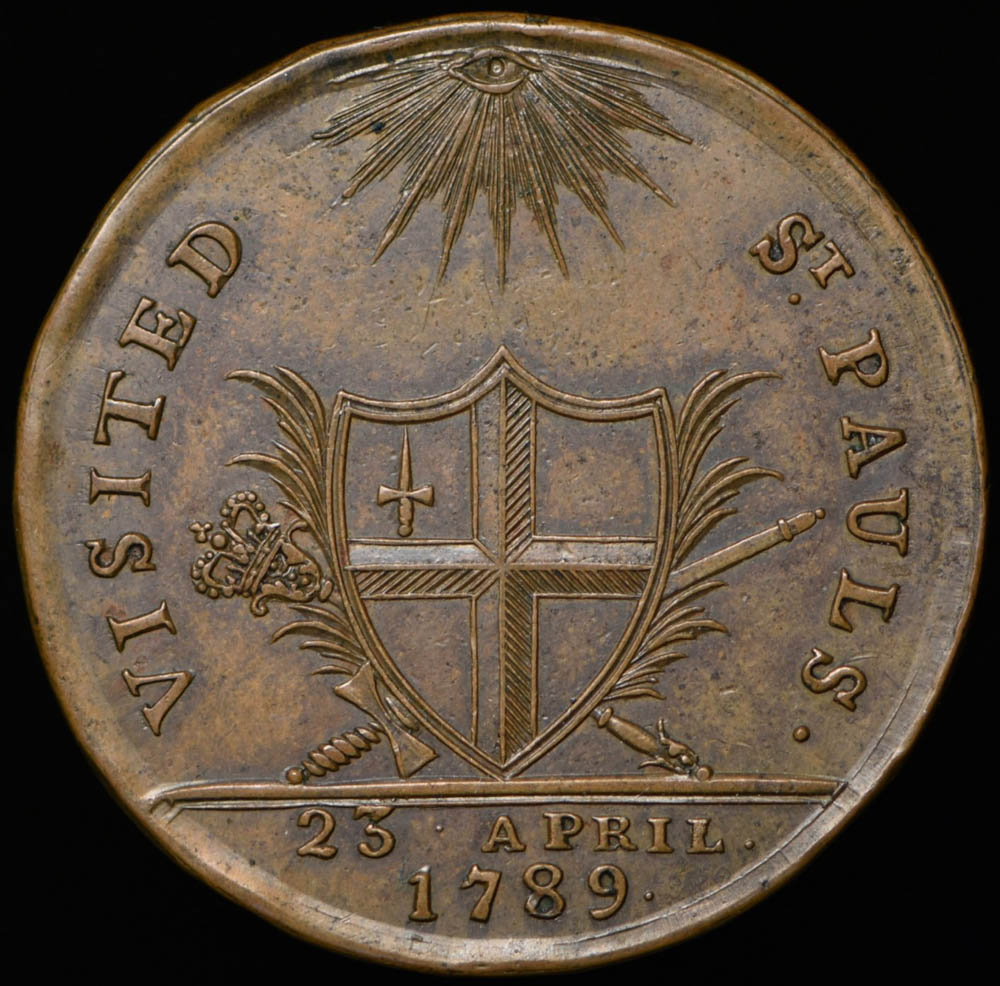
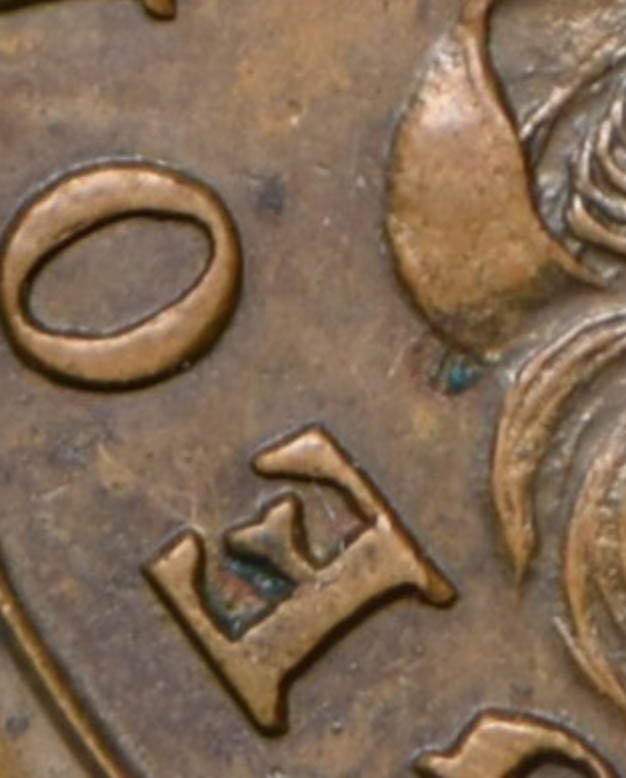
I think that it will not straight grade with those tiny verdigris spots, removed or not.
Treatment with sodium sesquicarbonate is one of normal ways museums use to passivate verdigris. If used here, I think the beautiful may be severely affected, but that is only my guess.
So where does this leave you?
You may try gently removing those tiny verdigris spots with a toothpick dipped in virgin olive oil, but scars left behind under the verdigris spots may well be revealed, and this leads straight back to my original comment that it most probably won't straight grade to begin with.
If it was my coin, I would be tempted to use the toothpick and olive oil, but I would not be looking to having it graded. To clean or not to clean? You know my answer, but the best decision is still up to you.
Verdigris can affect other coins. For this reason, it should be enclosed in a snap lock hard acrylic capsule, so it can still be included in your collection.
Treatment with sodium sesquicarbonate is one of normal ways museums use to passivate verdigris. If used here, I think the beautiful may be severely affected, but that is only my guess.
So where does this leave you?
You may try gently removing those tiny verdigris spots with a toothpick dipped in virgin olive oil, but scars left behind under the verdigris spots may well be revealed, and this leads straight back to my original comment that it most probably won't straight grade to begin with.
If it was my coin, I would be tempted to use the toothpick and olive oil, but I would not be looking to having it graded. To clean or not to clean? You know my answer, but the best decision is still up to you.
Verdigris can affect other coins. For this reason, it should be enclosed in a snap lock hard acrylic capsule, so it can still be included in your collection.


