| Author |
 Replies: 30 / Views: 2,767 Replies: 30 / Views: 2,767 |
|
|
|
Pillar of the Community
 United States
1429 Posts |
Thanks. Appreciate the input.
|
|
Pillar of the Community
United States
1429 Posts |
|
|
Pillar of the Community
United States
3499 Posts |
Ah, well maybe at such high MS states there may be an added premium. Weak strike and other issues often make these coins unable to reach high grades. So this may be a rarity in such a grade.
|
|
Pillar of the Community
United States
1429 Posts |
Will do additional research. Thanks as always, Archraz.
|
|
Pillar of the Community
United States
3499 Posts |
No problem,Zohar444. I'm just glad to help. These really are beautiful coins. I would just rather pay $15 for an AU 55 rather than $60 for an MS60. But even in EF these still are beautiful and often have great detail.
|
|
Pillar of the Community
United States
5362 Posts |
The later Republican issues like the 1894 coins did not circulate very much so there are many high grade copies still available. They are in that respect similar to many of the Morgan dollars. Krause tends to overstate the values of high grade later Republican issues if you compare them with the earlier series. Personally I prefer a full strike EF to an MS with a weak strike any day. I have seen PCGS give an MS 63 or higher to coins with NO breast feathers due to strike. How can you call a coin with 25% of the detail missing anything but an MS60? |
|
Pillar of the Community
United States
3499 Posts |
|
|
Pillar of the Community
United States
5362 Posts |
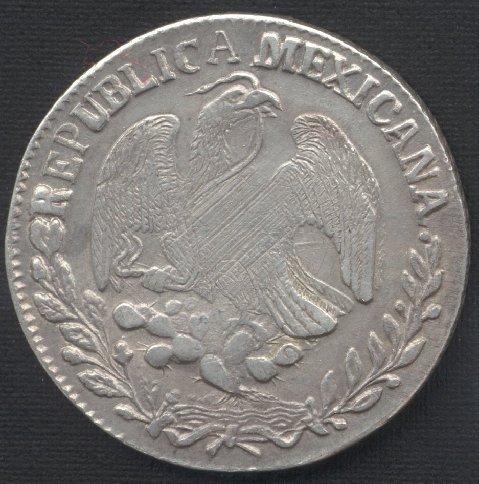
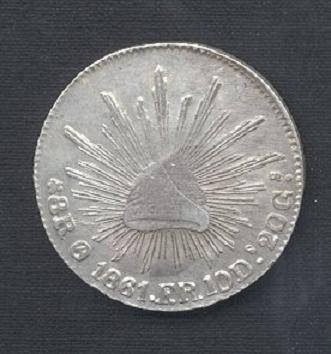
I was not able to find the picture of the Guanajuato 8R with the oddly re-cut rays, but I was able to locate a very odd original. This is a REAL 1861 Oa - I took pictures before I had it certified. It was given an MS63 if you can believe that. It was part of a dug group discovered about 3 years ago in Northern Mexico. Look specifically at the die work and if you can (the pictures are not good) let me know why this coin looks so odd. Image:  1861OaE.jpg 1861OaE.jpg54.08 KB Image: 1861Oa.jpg21.2 KB |
|
Pillar of the Community
United States
3499 Posts |
swamperbob- you have got to be kidding me! haha . EVERYTHING looks wrong about that coin. And it is real? That is just crazy.
|
|
Pillar of the Community
United States
1801 Posts |
Nice 61 Oa(a in the O) FR. That date is notorious for double/over punched letters and double and triple punched caps and eagles. That die style is easily recognized (bulky flat eagle and boxy cramped letters) and appears again in 1862. Your's is really nice, showing no wear and other than the adjustment marks across the breast area no damage. Really nice example of a really hard coin to find on a nice planchet.
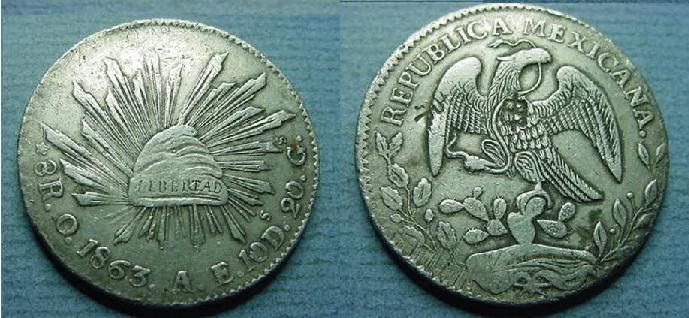
The Oaxaca dies get really weird in 1863 with some of them so over engraved they look like bad counterfeits. If you have an 1863 Oa (a in the O) AE ( all actually believed to be 3 over 8) it would be great if you could post a photo as an example of why mints went to standardized dies.
|
|
Pillar of the Community
United States
5318 Posts |
Wow, that's sure interesting! If I saw that in a shop, I would think it were a bad copy.
It just shows how knowledge is so important with these coins.
|
|
Pillar of the Community
United States
5362 Posts |
Archraz I assure you and everyone else that the coin is in fact real. It was made with dies created from the 1861 Oaxaca partial hubs. The eagle die was actually triple hubbed - with two of the hub strikes rotated. The third hub setting was weak. jfransch Is exactly right about the dies used in 1861 and 1862 - crude is not the right word. Most forgers do a better job. But this rotational double hub was not easy to get slabbed. The problem was actually the reverse die where hand engraving was OBVIOUS. The reverse (the Cap is the reverse for purists) was hubbed at an angle (tilted with respect to the die face) so that only half of the rays appeared on the die. Instead of trying to allign the die for a second impression - the die sinker cut the missing rays into the die by hand. Engraved features such as rays are usually (but not always) proof that a die is a fake. The reason I had problems getting it certified was that none of the TPG's had seen a real example of this die. This was the discovery coin for this die pair. There were several in the hoard identical to mine all MS, but the third party graders had never encountered the type and didn't believe it was real. So I appealed to Ponterio (who happened to buy some of the coins from the same hoard from the same guy I did) and he convinced the graders it was real. When I spoke to the head of grading originally - 3 of the 5 graders who reviewed that coin didn't think it was real. However, every physical test I did confirmed the reality. Ponterio ownes or owned an exact duplicate of mine so his word convinced the TPG. But it cost me an extra $150 to get the "expert appeal" processed. I sold the coin for $1600. The same hoard included an even rarer 1858 Oaxaca!
|
|
Pillar of the Community
United States
3499 Posts |
swamperbob- wow, that is really interesting. I just wonder how many of these have been discarded as suspected fakes.
|
|
Pillar of the Community
United States
5318 Posts |
This is such a fascinating area of Numismatics that someday I hope to study in detail...great thread!  |
|
Pillar of the Community
United States
5362 Posts |
I was just offered a group of 45 8R counterfeits today. Included in the list was this one. What do you all think? Image: 1863OAEjpg.jpg59.14 KB |
| |
Replies: 30 / Views: 2,767 |







 First Page


 Posted 12/11/2008 11:10 pm





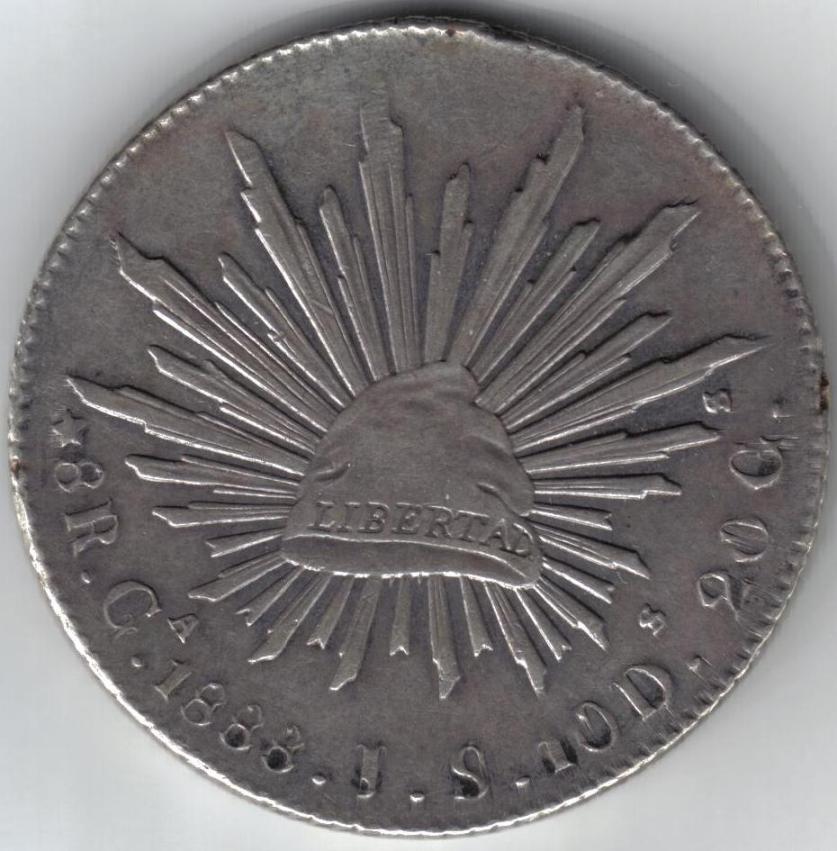 Mexico8R1888Gaobv.jpg
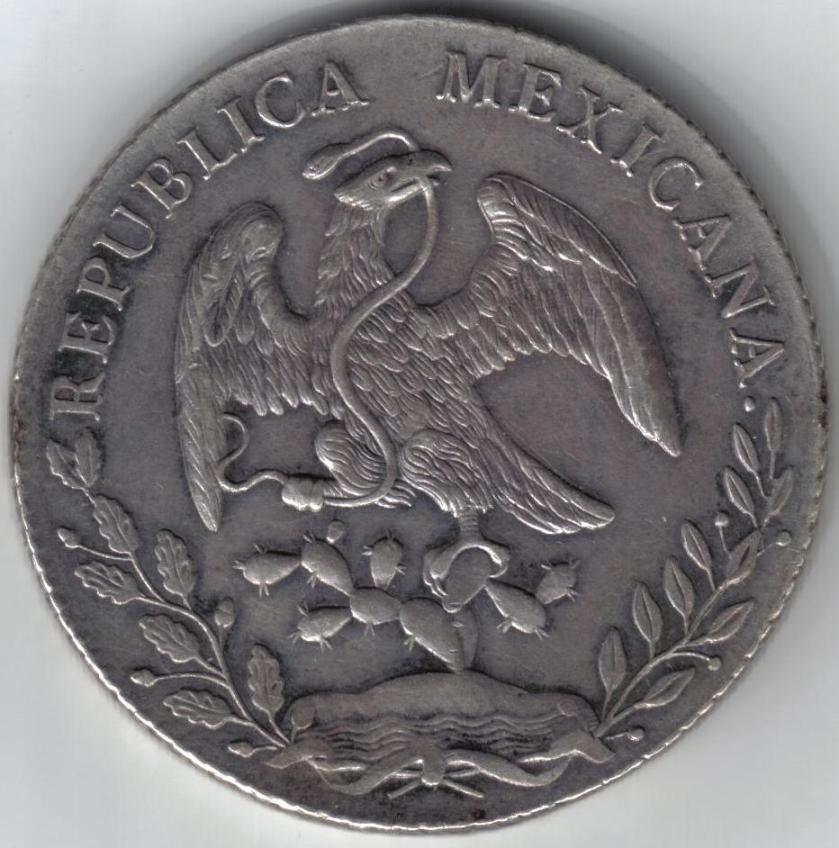 Mexico8R1888Garev.jpg
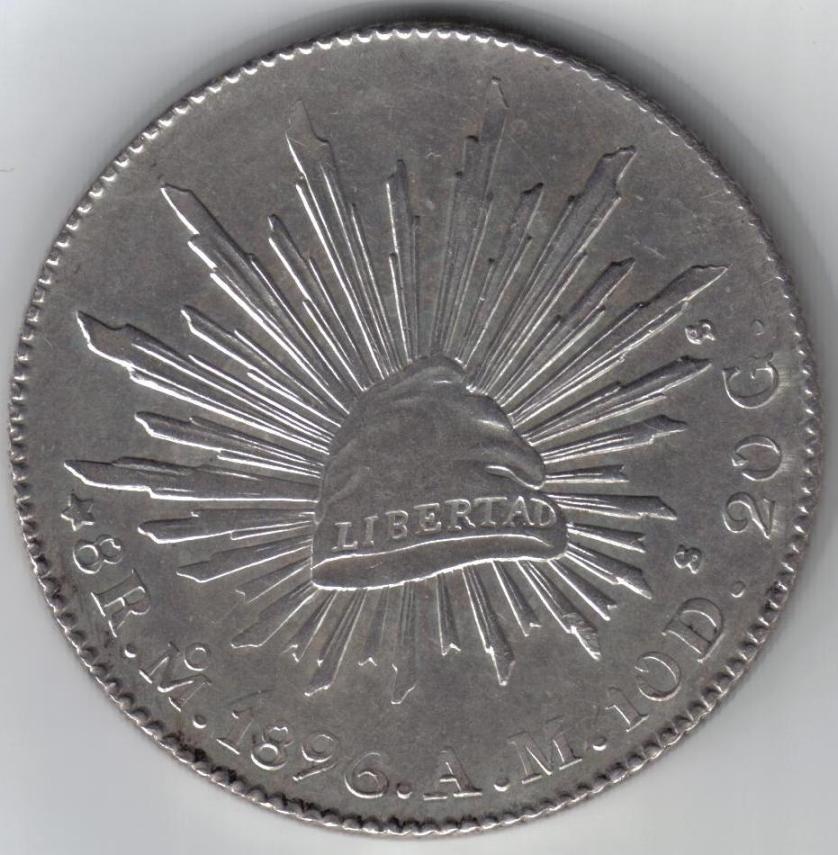 Mexico8R1896Mobv.jpg
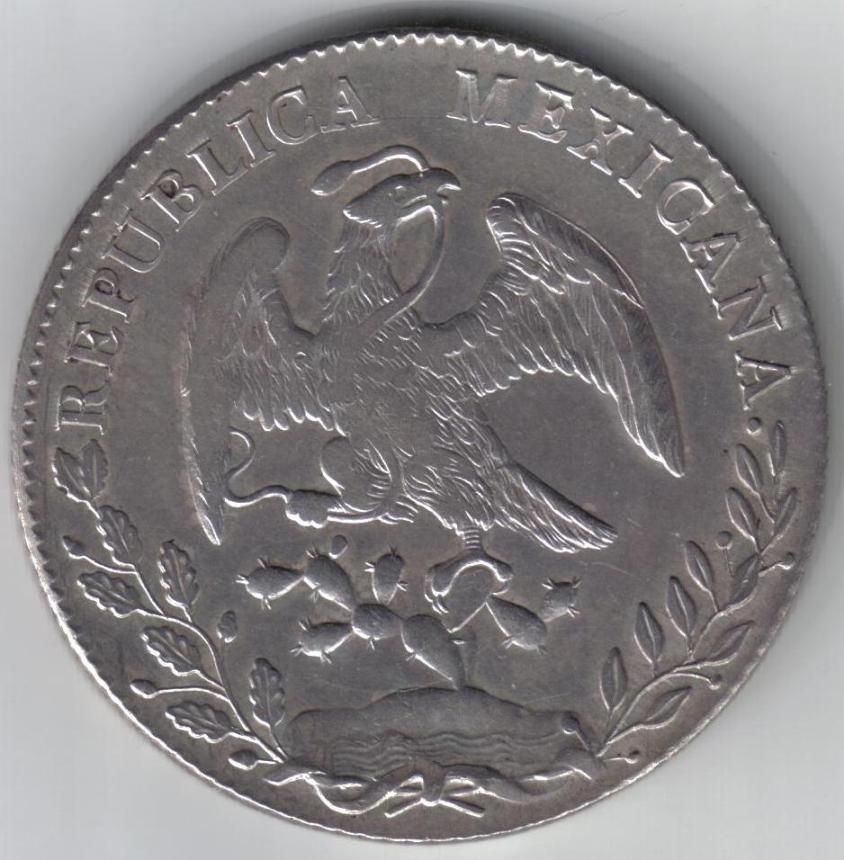 Mexico8R1896Mrev.jpg
 1861OaE.jpg
 1861Oa.jpg

 1863OAEjpg.jpg


