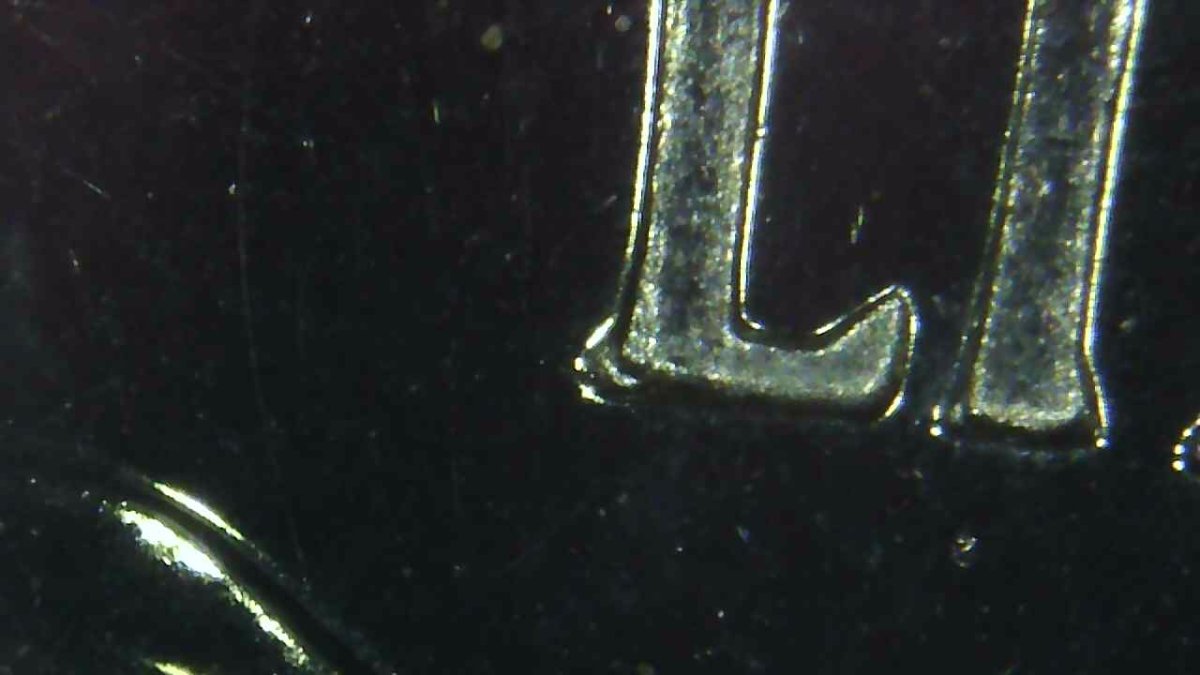
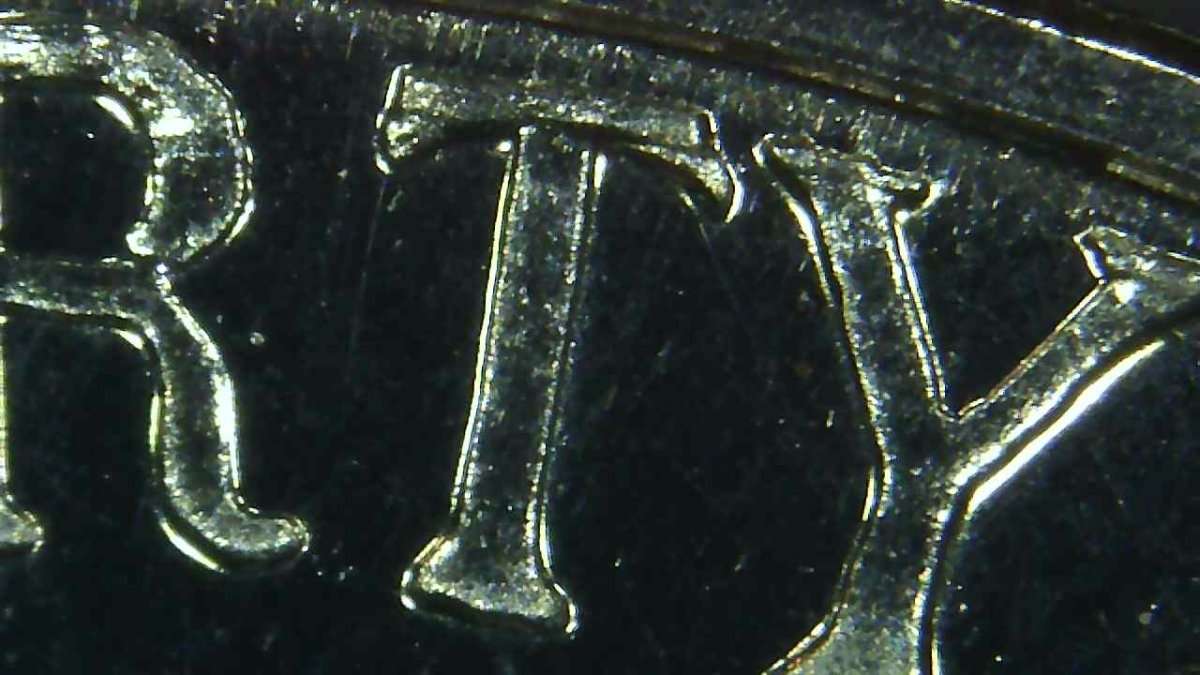
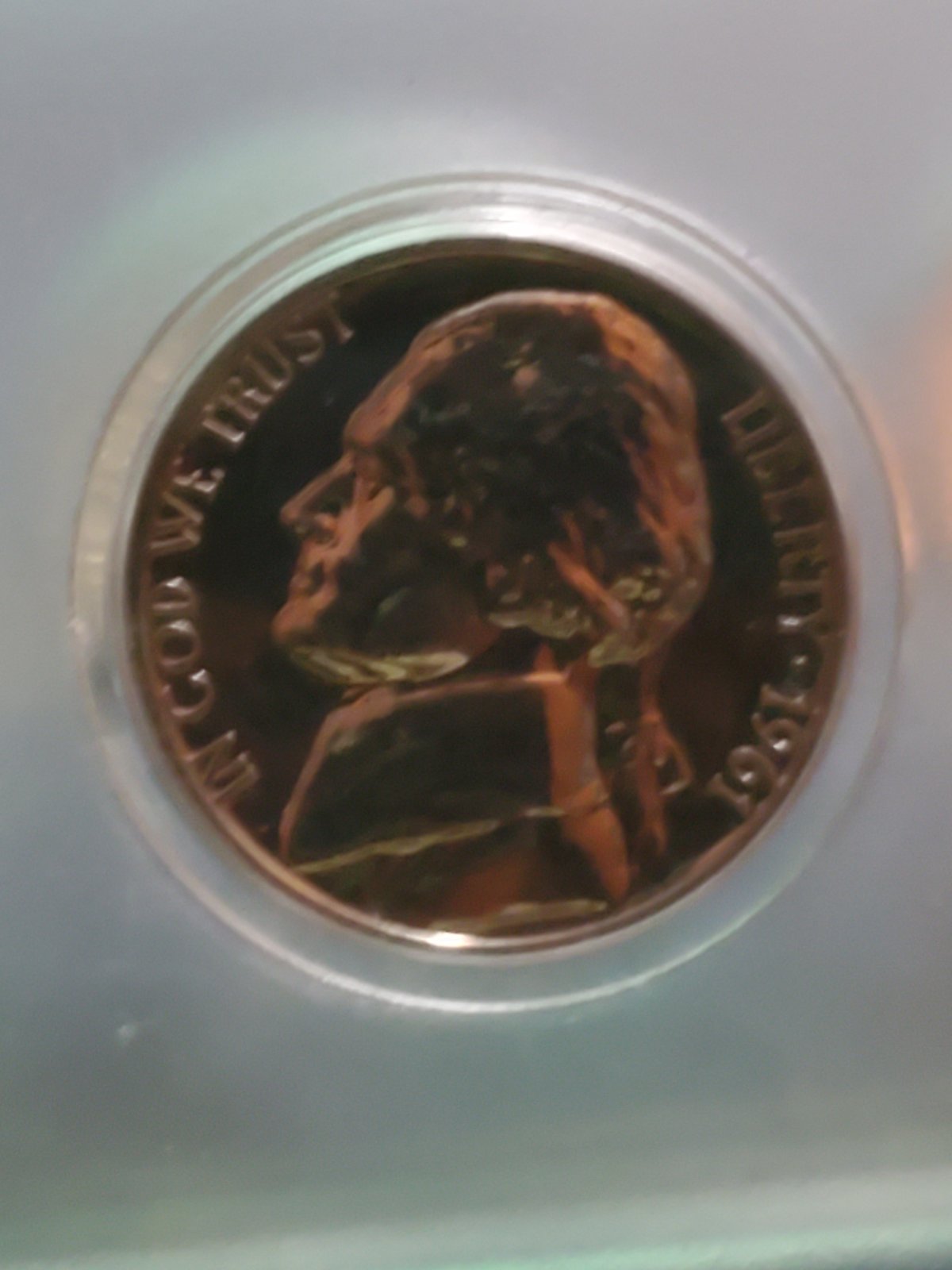
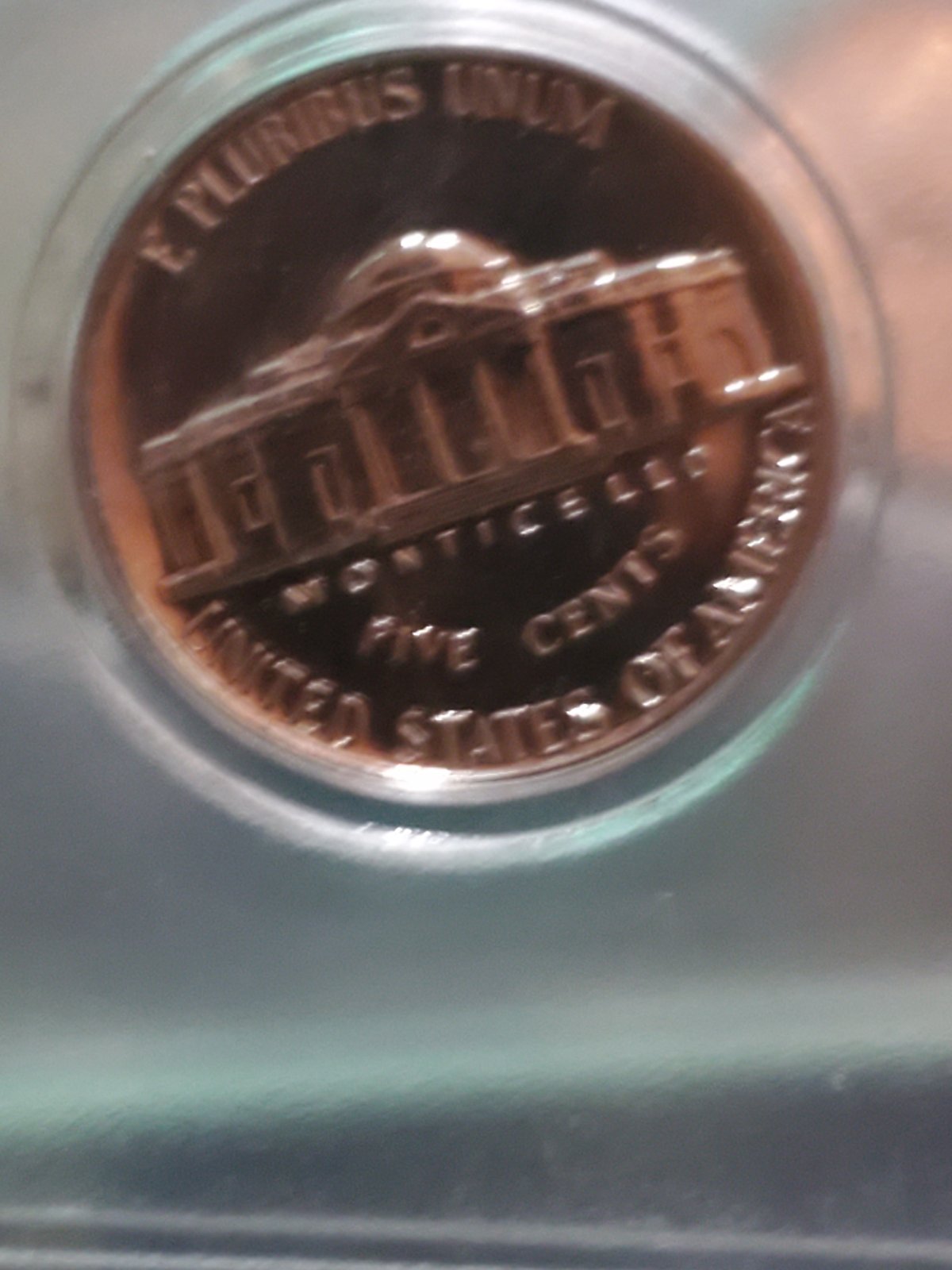
Ok I have been doing some looking around and I found a post where someone is trying to figure out what this is...they have the exact same coin, 1961 proof
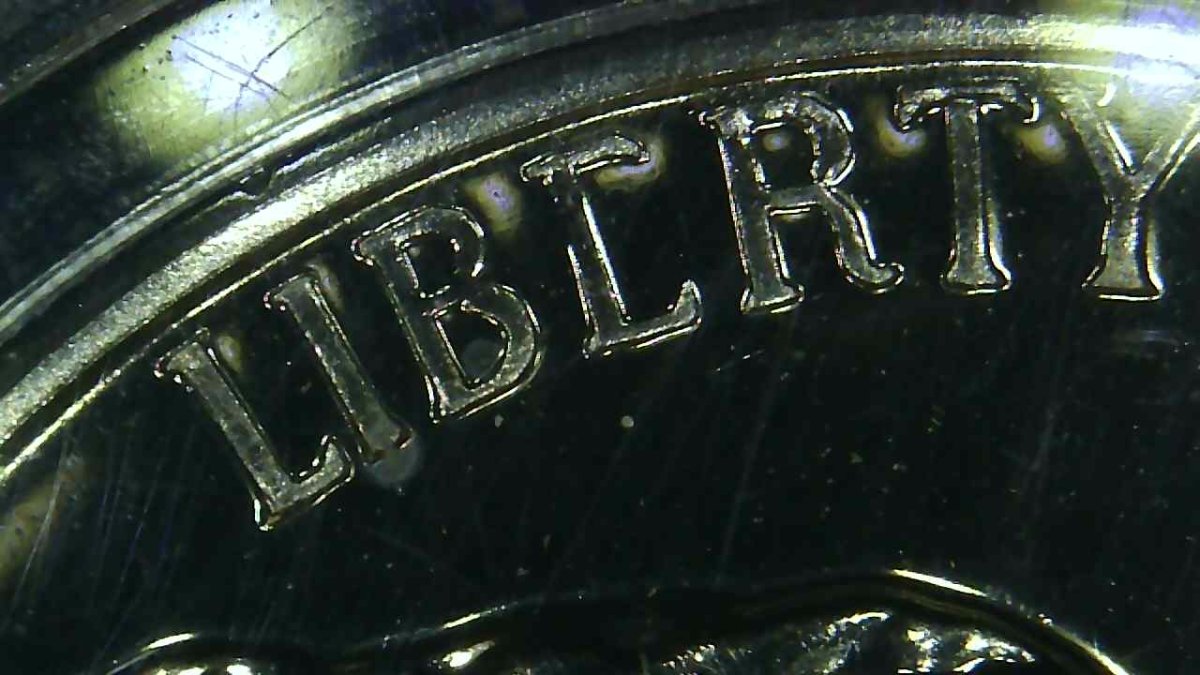
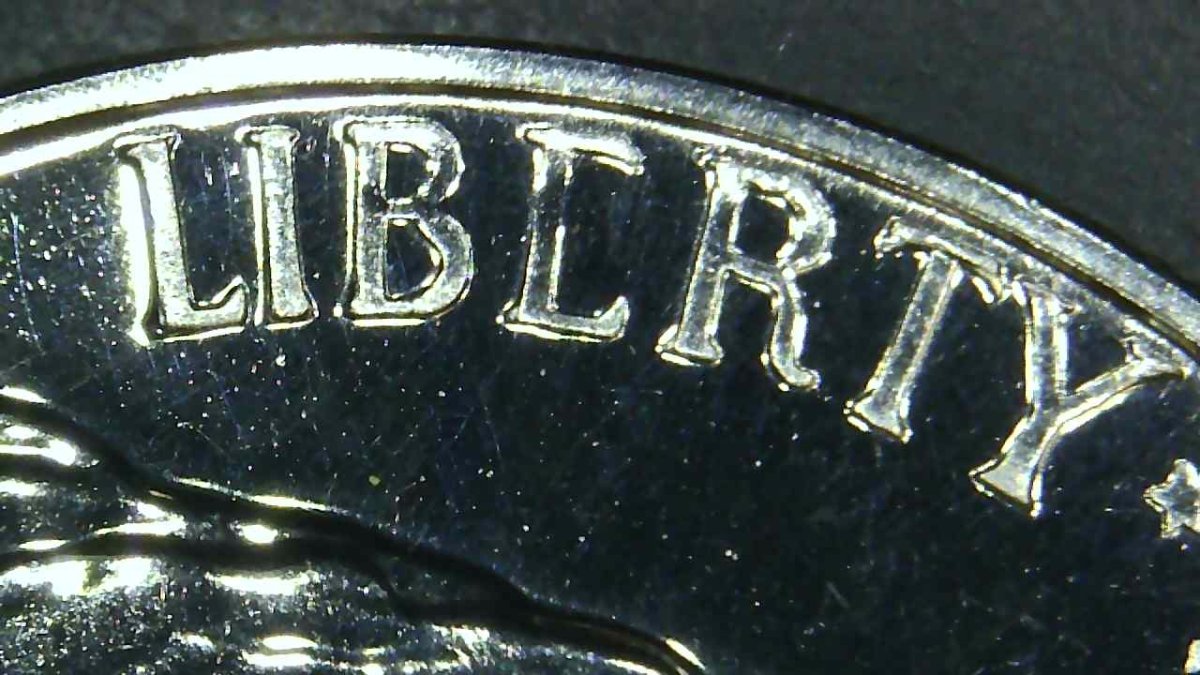
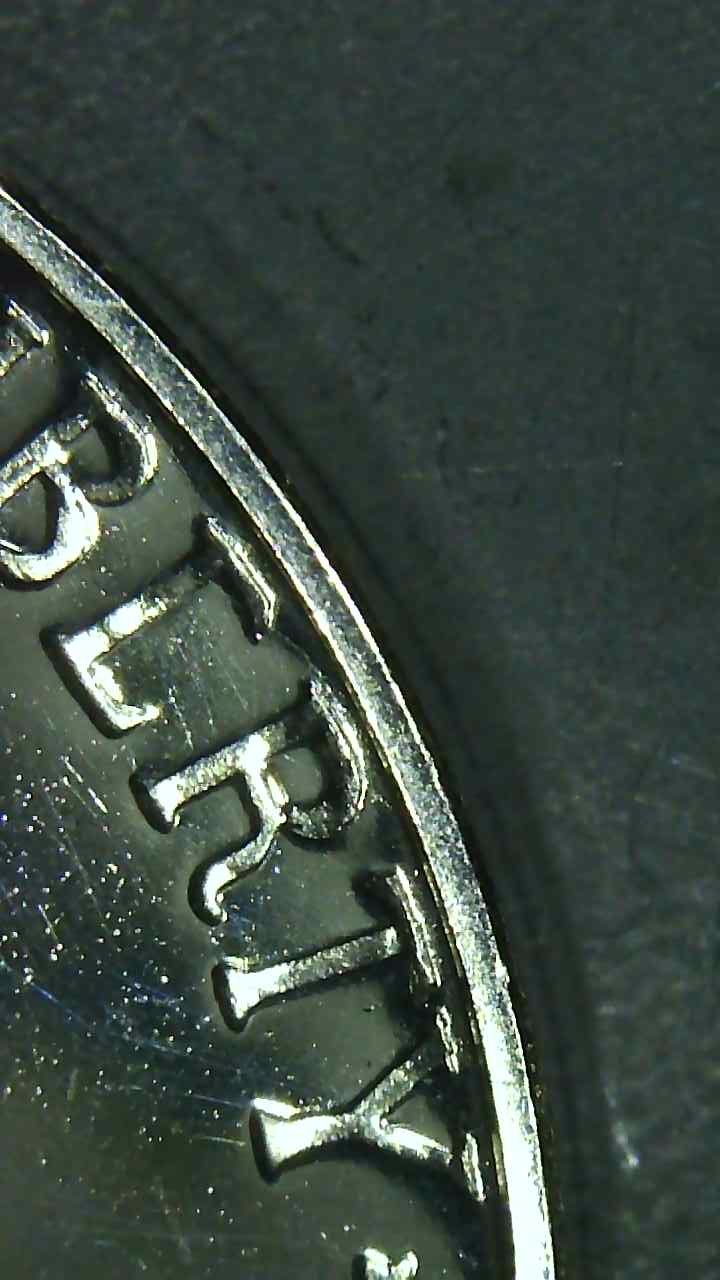
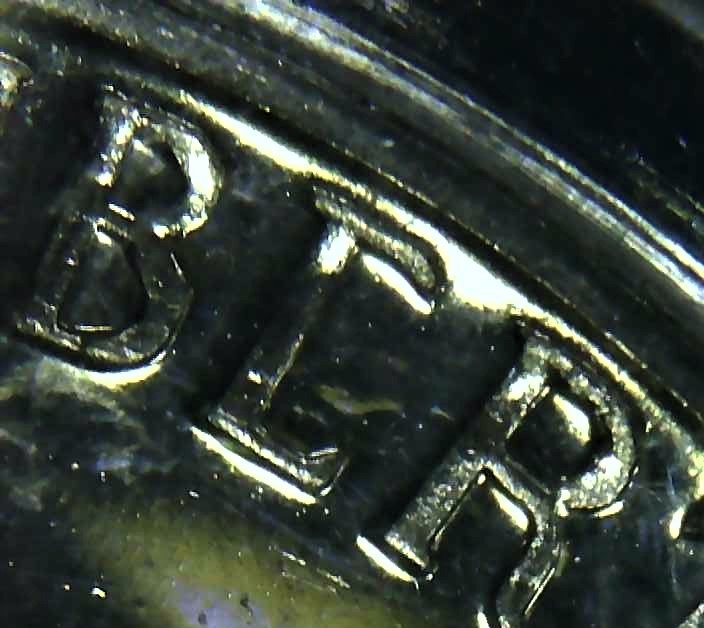
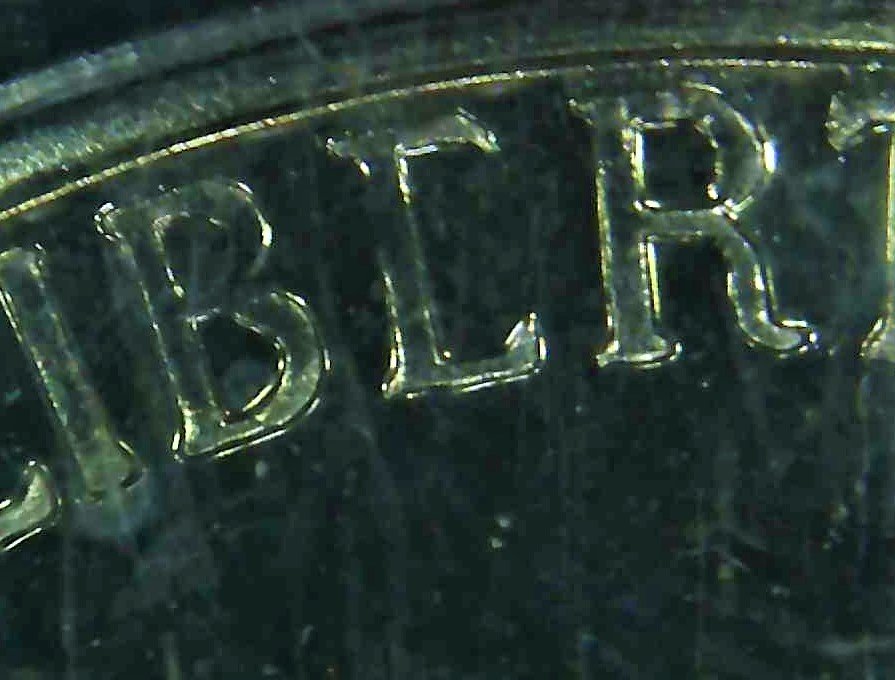
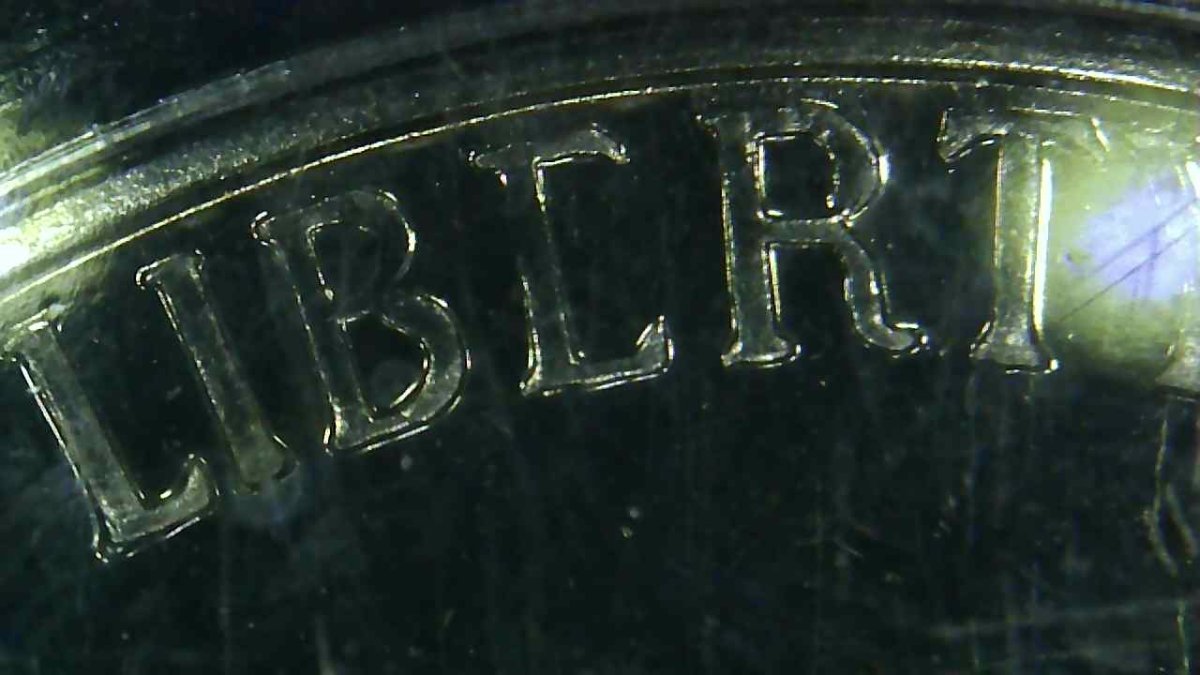
Jefferson nickel missing the same crossbar of the E. It's the only post or any other reference to this I could find. Does that mean anything? That there are more of these coins? The post was back in 2016? I can't post the link here it won't let me. I have copied and pasted some of the thread. The thread was way to long to copy and paste the whole thing. I am also adding the pictures from this thread These pictures are not of my coin. Thoughts/opinions, please.
Thanks
Cecilia
Jefferson nickel Variety of the Week - 1961 Proof "LIBERTY" Variety?
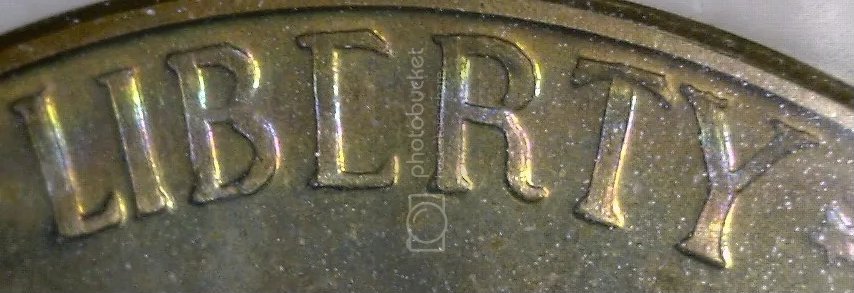
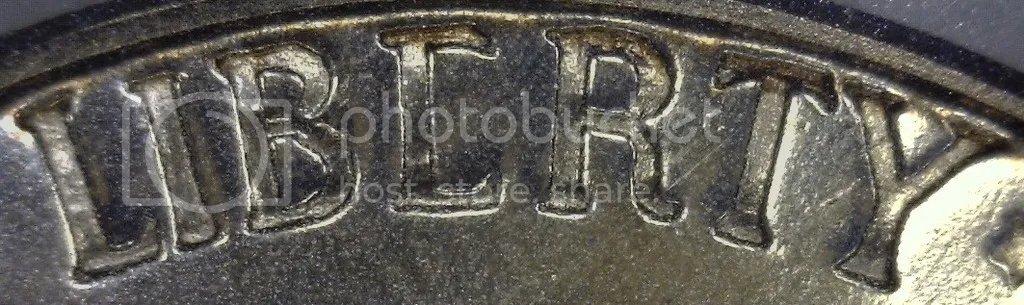
Ok crew, I just got back from our local coin show and totally baffled by this one. First, I have never heard nor seen one of these before! Second, looking at this one I find it hard to say that middle bar of the "E" in LIBERTY has been abraded off. The area where it should be is too perfect, as well as the inside portion of the vertical line where that bar would have been attached. I sent a picture to James Wiles to see if he has heard/seen one of these and this response is below:
"I have seen it before. It pops up ever so often. I could be struck through debris, but because it does show up with some frequency, I suspect it was over abraded."
I for one, disagree with the abraded suspicion. Could there be a proof die with an incomplete "E"? Let me know what you think?
Don't think I have ever handled one, so I can only go by the pictures.
Look at the toe of the "R." Is there some difference there, or is it just the lighting?
CaptHenway, I can report that the lettering on the top example appears to be a little shallower (or less raised) than the bottom two. However, I just cannot see how the entire middle bar could be abraded off without totally distorting that area and produce a perfect vertical line where the bar connects. There are no abrasion lines or uneven surface areas on this example.
Wow, that is neat. Definitely does not look abraded to me either. I think you have a incomplete "E" there.
Really interesting, My first thought was die abrasion, but, like you, I don't see evidence of it. If the proof die was imcomplete/damaged somehow surely many others would have surfaced.
I've never seen one like this before and I have looked at many many many of them.
I guess it could be struck through something, but again, you would think the serif on the E wouldn't be as "perfectly imperfect" as it is.
Maybe it's possible that the defective die was detected very early and pulled; but wouldn't the hub have to be damaged as well? So, I don't know,
Definitely one I would hang on to.
Quite cool.
I love it!
I ask again. Look at the "toe" of the leg on the R. Doesn't it look broken off on the die with the incomplete E?
Yeah, I'm just now seeing that.
Thanks. Shows slight differences in both legs of the R and the base of the T. Top of the T looks a little ragged also.
Looking at the E on the normal coins, it does seem as though the center crossbar is in slightly lower relief than the upright next to it. See the little stepdown? If this is true then you could polish away all of the crossbar while leaving the outline of the upright intact, just shallow.
Wish I knew how the Mint polished Proof dies in 1961. If it was some sort of a basining disc like they used on
Morgan dollars in the older days (and I rather suspect that this was NOT the case), then I could see the die being positioned against the disc at a slight angle with the E of LIBERTY (by sheer coincidence) closest to the disc and the center being polished away.
A more likely explanation would be that the die somehow got damaged near the E, and got over-enthusiastically buffed out to repair the damage. Shades of the 1937-D 3-legged nickel.
I agree the lettering is shallower, which implies die polishing has occurred. However, I still can't stretch my imagination far enough to believe that stem of the "E" was completely and perfectly polished off as not to leave any other visible evidence or other surface or lettering distortions.
I tried to take a some photos with the coin tipped at an angle to help you see the depth of the lettering. Does this change any opinions?
So much for my previous theory! Posted before looking at pics of davewesen. Die abrasion/polishing certainly looks like the likely cause.
Cool finds....looks like die polishing is the likely culprit.
The area where the crossbar is suppose to be looks soooooo untouched.
And the connecting area to the post is soooo perfect. Really weird.
I agree... that is why I starting thinking improper working die transfer. But rest of coin doesn't support that either.
After restudying this I am still not sure what happened. The most plausible answer is an overpolished die, but if you look at a normal E the difference in height between the middle crossbar and the upright is very small. Polish away the crossbar and there should be very little height left to the upright.
Alternative explanation of a broken hub where the crossbar chipped away would not leave such a smooth side to the upright. Not very plausible.
Alternative explanation of some sort of very hard substance clogging the crossbar before the die was polished, and being hard enough to take on a proof surface during the polishing, and transmit that proof surface to a hard coin, would not leave such a smooth side to the upright. Not very plausible,
Lacking a better explanation I will stick with overpolished die, but I am open to suggestion.







 Posted 01/08/2021 1:20 pm





 Nice find congrats.