| Author |
 Replies: 15 / Views: 2,106 Replies: 15 / Views: 2,106 |
|
|
New Member
Turkey
3 Posts |
|
|
|
|
Moderator
 United States
56855 Posts |
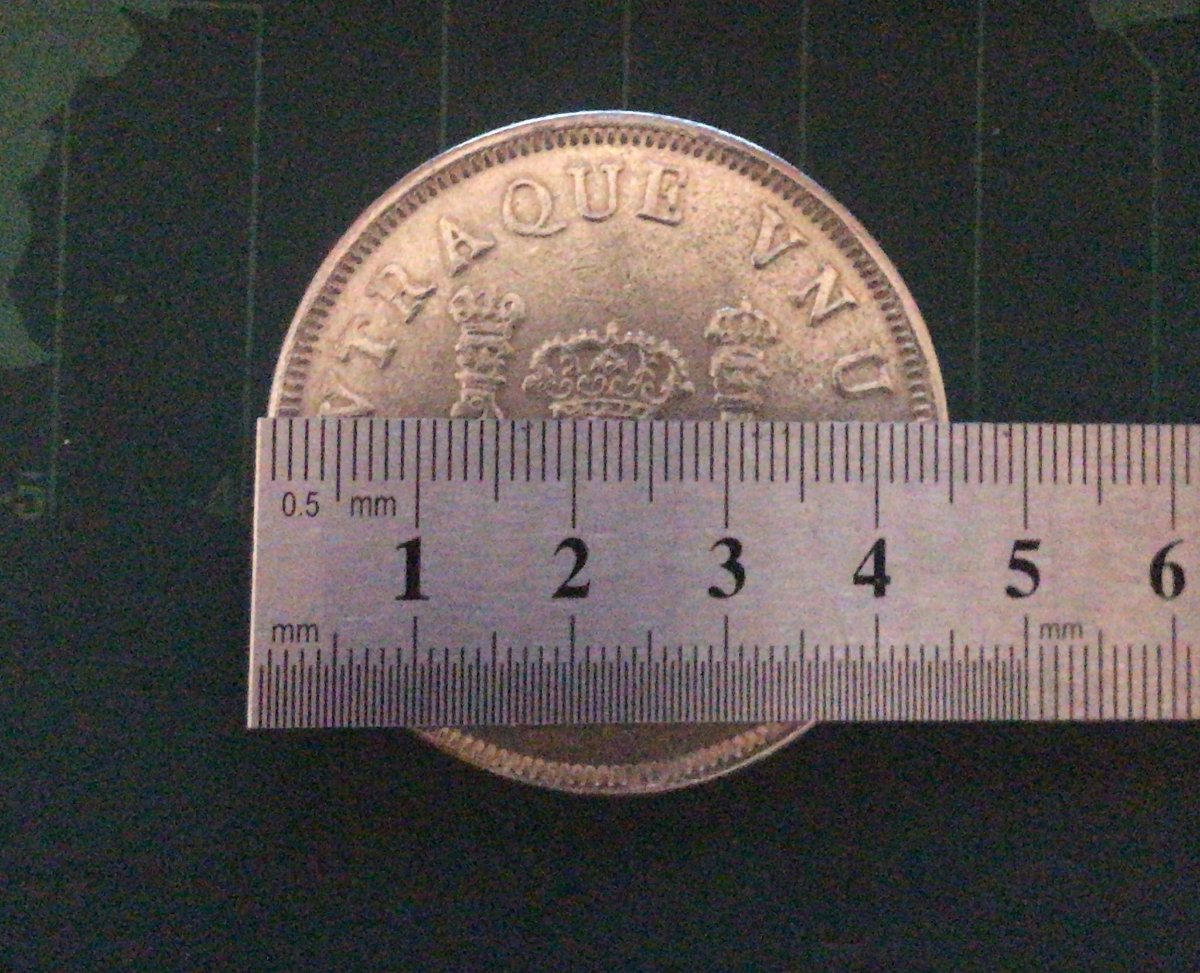
 to CCF. Weight? John1  |
|
New Member
 Turkey
3 Posts |
Thank youu, it seems like around 28 grams
Edited by coinci
01/30/2021 05:48 am
|
|
Pillar of the Community
 Sweden
2124 Posts |
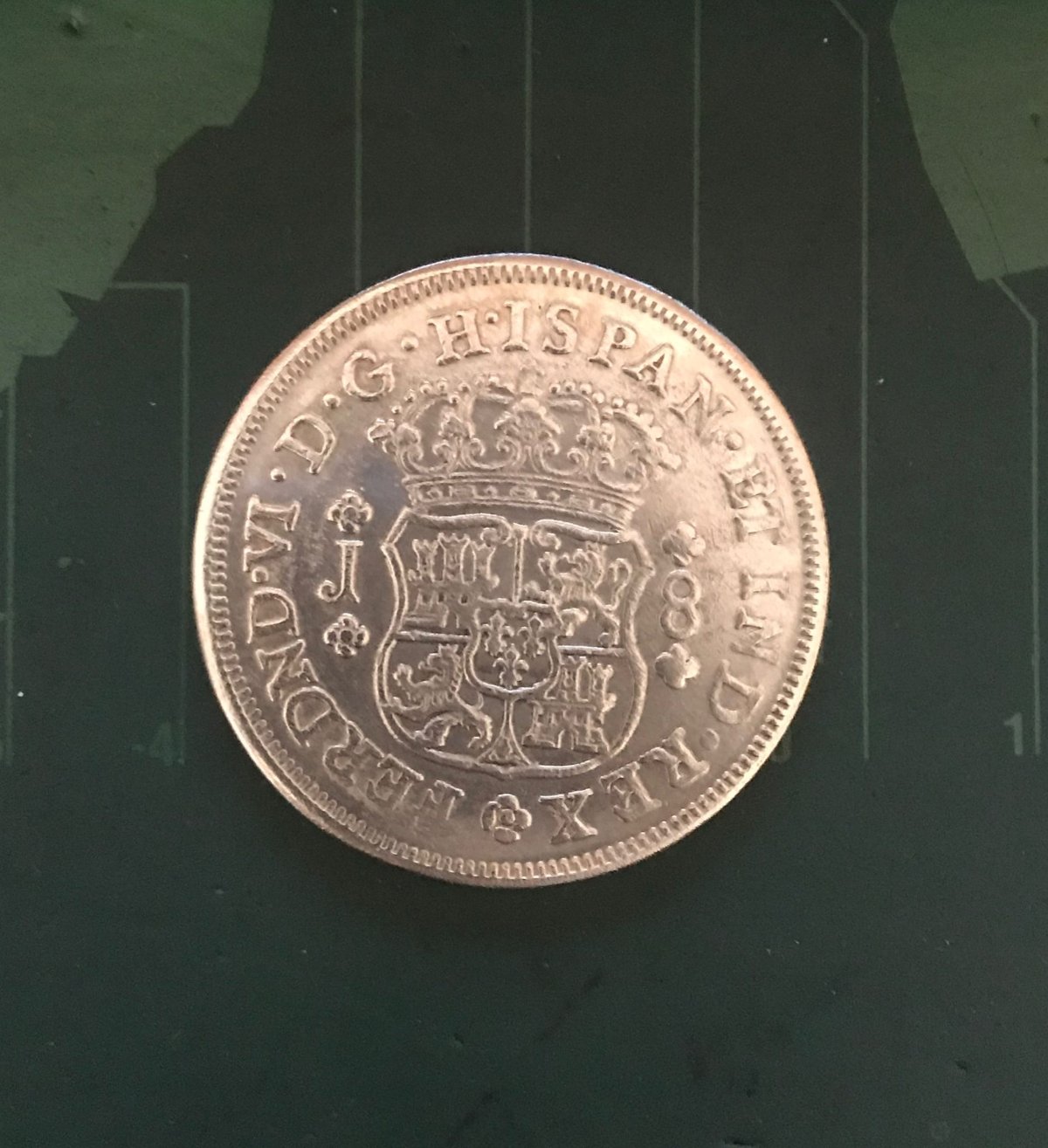
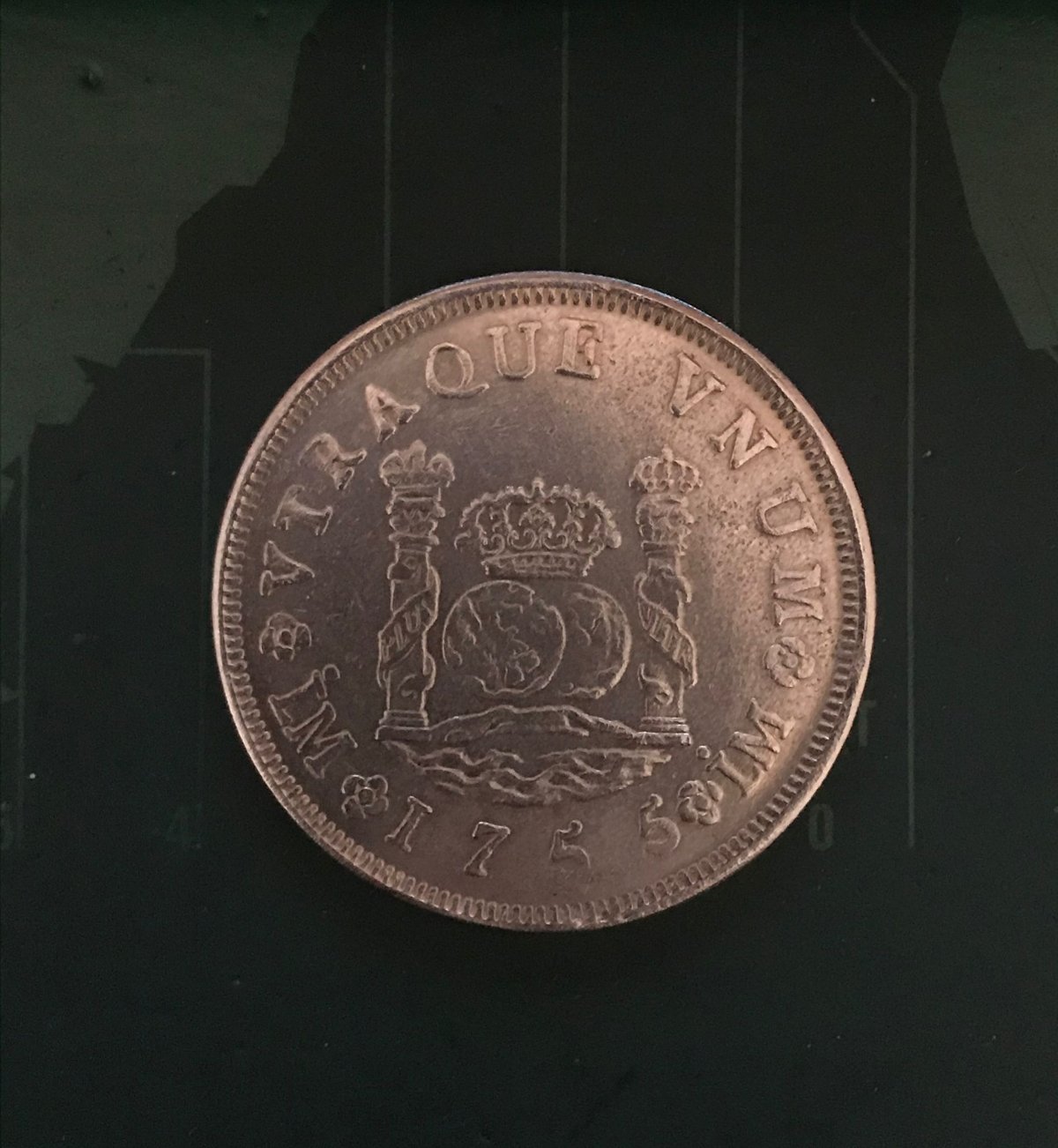
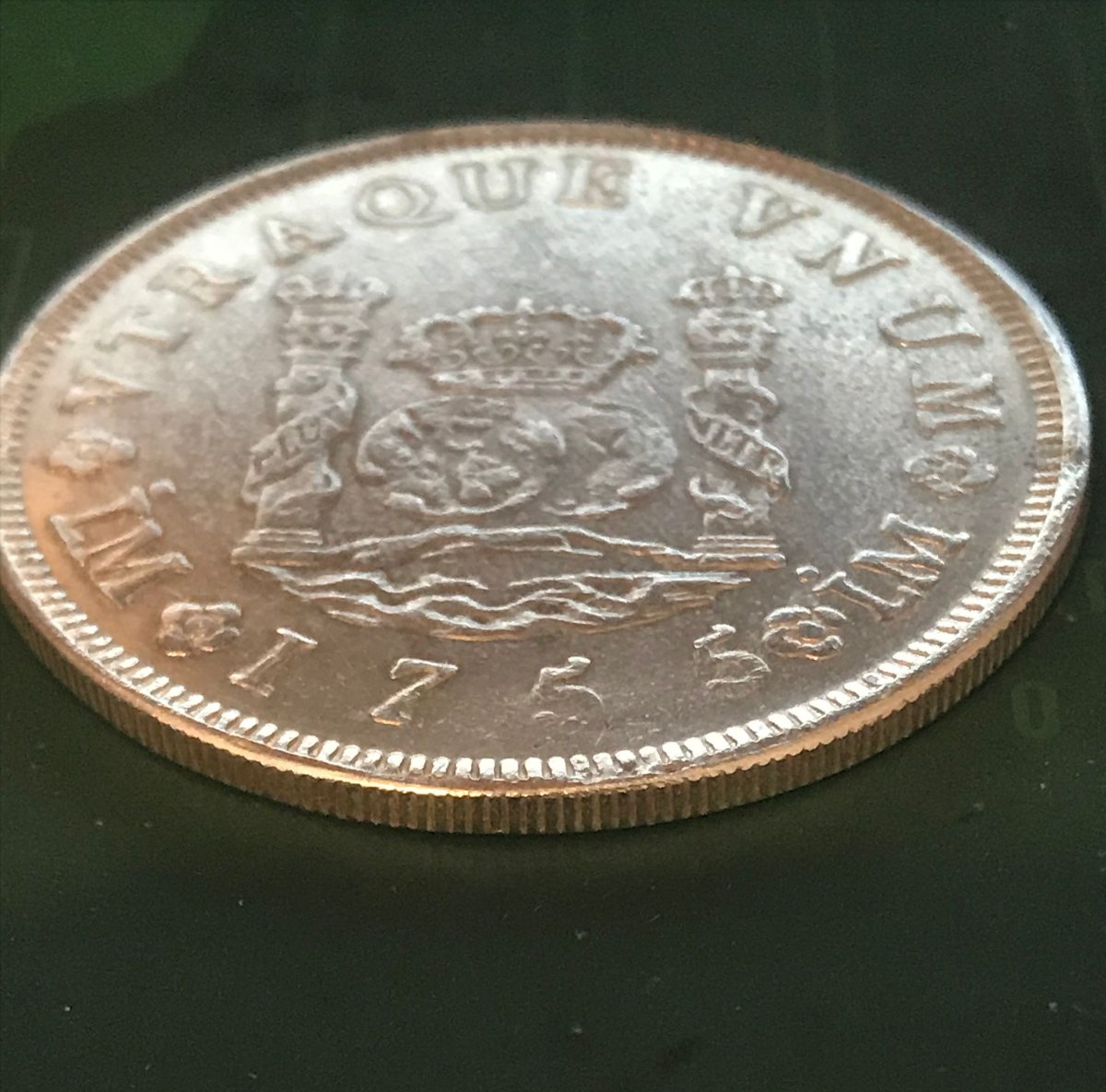
Your coin is unfortunately not genuine, it is a modern replica. It has a flat rim, which shows that it was made using modern manufacturing methods and the reeded edge is also wrong for these coins.
|
|
Pillar of the Community
United States
6688 Posts |
Quote:
and the reeded edge is also wrong for these coins.  |
|
Bedrock of the Community
Australia
21789 Posts |
If it is all silver, it is still a nice bullion coin, to be traded at spot prices.
|
|
New Member
Turkey
3 Posts |
Thank you to you all, I've bought it with very high suspicions but since it was pretty affordable I decided to took a shot. I just tried it with a magnet and I think it is partially drawn to it, so it is robably not silver also. I do appreciate all of your time and thank you.
Best...
|
|
Pillar of the Community
United States
1156 Posts |
Yes, definitely a replica.
If the "affordable" price was less than silver melt you should have known better.
|
|
Pillar of the Community
Canada
3733 Posts |
and it looks like it was "minted in the last few years".. Doesn't appear to be a 250 year old coin..
|
|
Pillar of the Community
Canada
5406 Posts |
And yet another piece of Chinese Junk!
|
|
Pillar of the Community
United States
5362 Posts |
The coin is a Numismatic Forgery made to defraud novice collectors.
Before you buy any coin it is always best to learn about how the coin was made first.
The colonial Spanish Milled Dollar - was struck on a manual open sided screw press. The edge of the coin should consist of a series of Lotus Flowers one after the other. The edge design was applied to the coin blank in a separate step done before or after the coin was struck. Reeding which is visible on your coin is a very modern feature only possible after steam presses were invented ca 1820. In Peru, steam presses came well over 100 years after the date on this coin.
The other serious error seen on this coin is the raised rim. The blank flat space between the end of the dentils (beads near the edge) and the actual edge of the coin. A raised rim indicates the coin was struck in a closed collar on a modern press.
By understanding these two simple facts and knowing what the signs look like that are left on a coin, you really do not need to know much more about the coin. That is why I always start by looking at the edge of a coin. That third side can diagnose many counterfeits and forgeries all by itself.
Study the coin you bought so that the next time you see one, you can instantly tell if it is made incorrectly.
|
|
Bedrock of the Community
Australia
21789 Posts |
A pity that it shows even a weak sign of being attracted to an ordinary iron magnet, it is just an interesting copy coin.
Can't really call it a fake - these general types of 8 reales designs were never made with a grained edge.
|
|
Moderator
United States
191400 Posts |
to the Community! |
|
Pillar of the Community
4628 Posts |
That coin is so fake its not true, almost thinking this is a joke thread - like the coin is some souvenir junk produced for a museum gift shop.
Numista is littered with these types of threads and the coins are laughable like a ½ coin dated 1819 with Queen Victoria one it and a Philippines 35 Centavos coin from 1501 with the 1900s walking liberty design.
|
|
Pillar of the Community
United States
5362 Posts |
Princetane The fact that you know the coin is a fake means you have learned that it is and what the clues needed for detection are. Many novice collectors do not have such knowledge as you have. In my career as an authenticator, I have run into this lack of training literally hundreds if not thousands of times. It occurs at all different levels of expertise. I have actually see many long term professional coin dealers who have problems when it comes to some types of counterfeits.
As counterfeiters (forgers) get better it is getting harder to identify their work. We need to encourage the newer collectors to learn MORE of the signs for detection and not belittle their lack of understanding. That might turn them off to the hobby.
That is why I do not judge anyone who makes a mistake in this regard. Instead I think back to 1960 when I discovered a Henning 5 cent coin in change. I knew nothing about counterfeiting at that time but set out to learn all I could.
We all learn sometime. Some of us excel while others lag behind. So I tend to try to train novices by advising them what the clues are even if they are blatantly obvious to me. I do the same for people at whatever level they have achieved.
I also accept training from experts who are more familiar than I am with other coin series. No one knows everything about the dark arts of forgery. I never reject advise.
sel-691 Regarding what to call this item. If this item was sold as a Genuine coin from 1755 - it is a Numismatic Forgery because of the Fraud involved in the sale. This coin may be legal to own depending on when it was made and / or when it came to the US. The coin is not the problem as much as the criminality of anyone who represents it as a genuine historic artifact. Fraud is the common denominator of the problem that we all face.
Edited by swamperbob
02/02/2021 10:08 pm
|
|
Moderator
United States
191400 Posts |
Quote:
That is why I do not judge anyone who makes a mistake in this regard... We all learn sometime. Some of us excel while others lag behind. So I tend to try to train novices by advising them what the clues are even if they are blatantly obvious to me. I do the same for people at whatever level they have achieved. Well said!  |
| |
Replies: 15 / Views: 2,106 |
|









 Posted 01/30/2021 05:46 am





