| Author |
 Replies: 11 / Views: 2,175 Replies: 11 / Views: 2,175 |
|
|
New Member
United States
33 Posts |
|
|
|
|
Bedrock of the Community
United States
10635 Posts |
Whole photos, both sides, please.
|
|
New Member
 United States
33 Posts |
|
|
Pillar of the Community
 United States
7174 Posts |
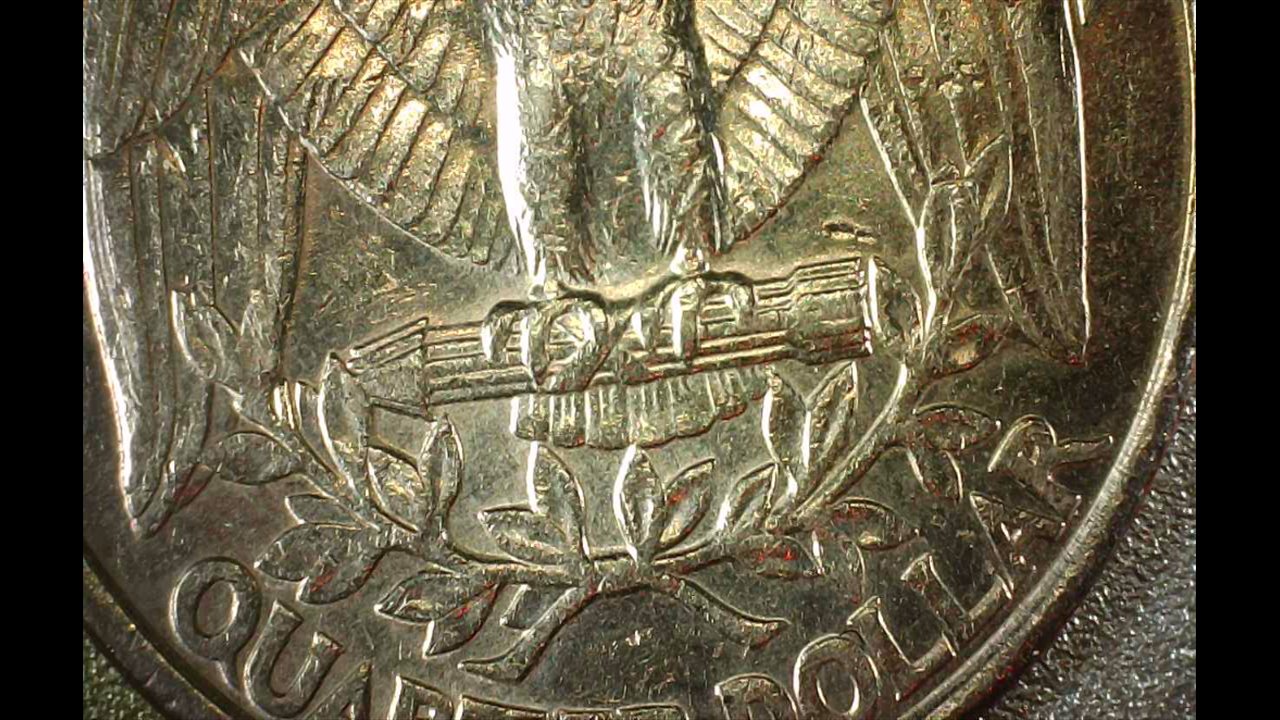
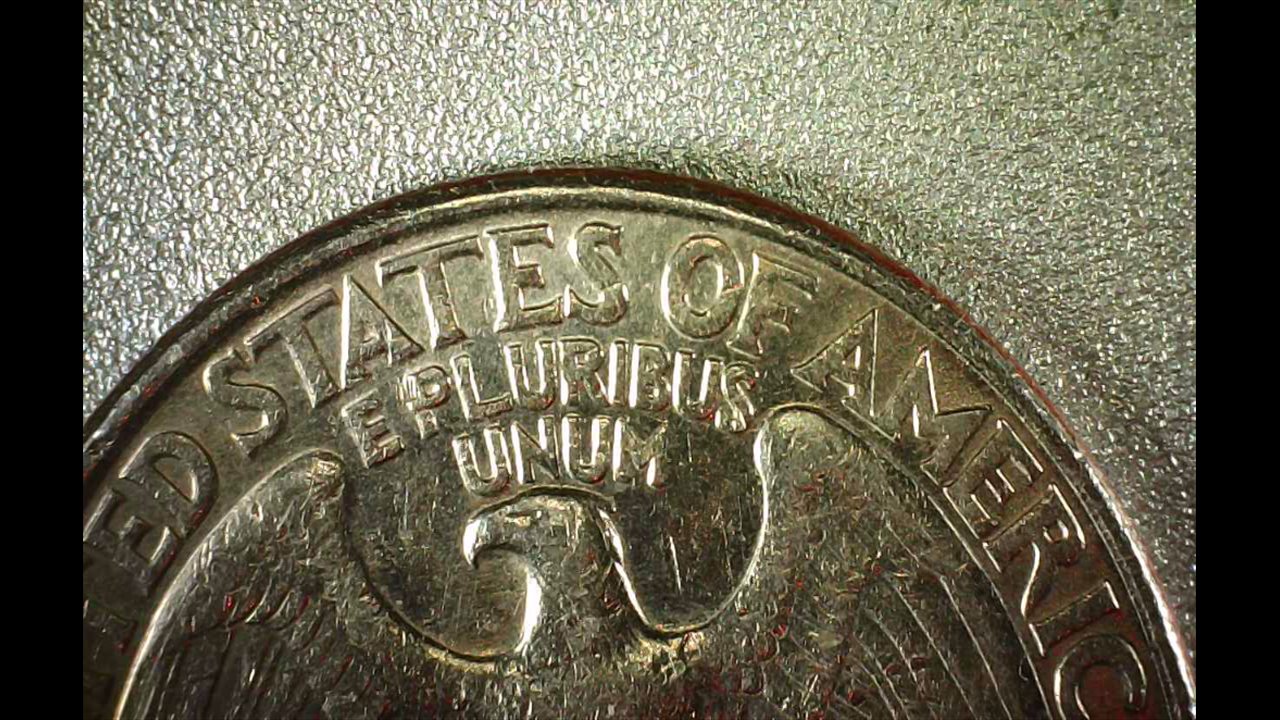
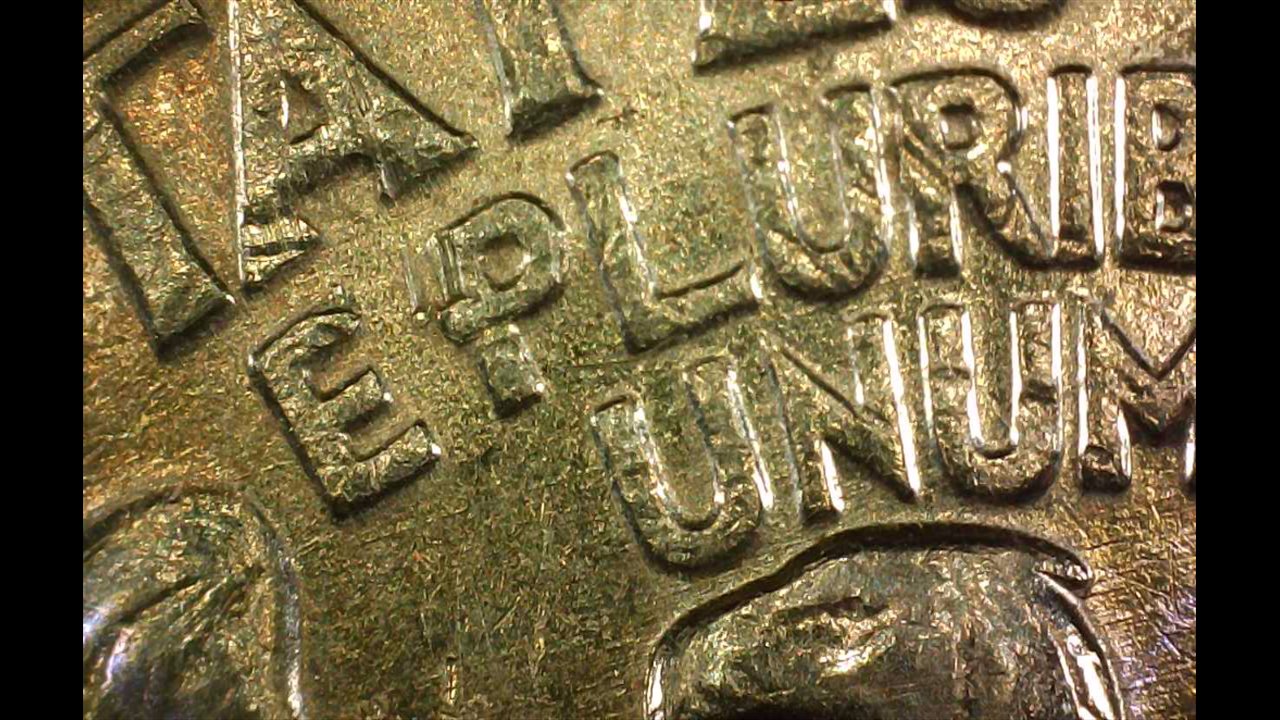
Looks like the P took a hit from another coin
|
|
New Member
United States
33 Posts |
Does not explain why the bottom of the P extends past the leg of the P and is raised to the extend it is Without a large indentation some where that would force the metal up. The mark above it is not large enough to account for the amount of metal.
|
|
Pillar of the Community
United States
4618 Posts |
 to the CCF!  with Cujohn on this one. It really looks like the hit has moved enough metal to the South and West on the P to cause this. The E of E PLURIBUS and the A of STATES, as well as the field between the three points, also seem to show displaced metal, all possibly from the same hit, with some smoothing of the tops of the damage occurring with further circulation wear. ANA ID: 3203813 - CONECA ID: N-5637 Clean a coin that may be worth collecting? Please DON'T! When in doubt, leave it dirty!! 
|
|
Bedrock of the Community
United States
94367 Posts |
Agree, circulation damage. to the CCF! |
|
Bedrock of the Community
United States
19607 Posts |
Post strike circulation damage. The P took a hit which moved metal--not terribly uncommon. Suggest getting your hands on an old quarter and try dinging/hitting various portions of the coin with another chunk of metal, like a steel bar--moderate blunt force striking the coin at a low angle. Them imagine that banged up coin being in constant circulation over time.
|
|
Bedrock of the Community
Canada
21910 Posts |
There are two things that can happen to a coin. Error or damage.
Seeing there is no way that could happen during the striking of the coin,
it has to be damage. It doesn't really matter how it became damaged, it is still damage.
|
|
New Member
United States
33 Posts |
I fail to agree with what's visible on the coin as being caused by what has been described. I'm a Mechanical Engineer and can interpret what I see on the coin and I do not buy your explanation. The evidence on the coin does not support your conclusions. Thanks for your help
|
|
Bedrock of the Community
United States
10635 Posts |
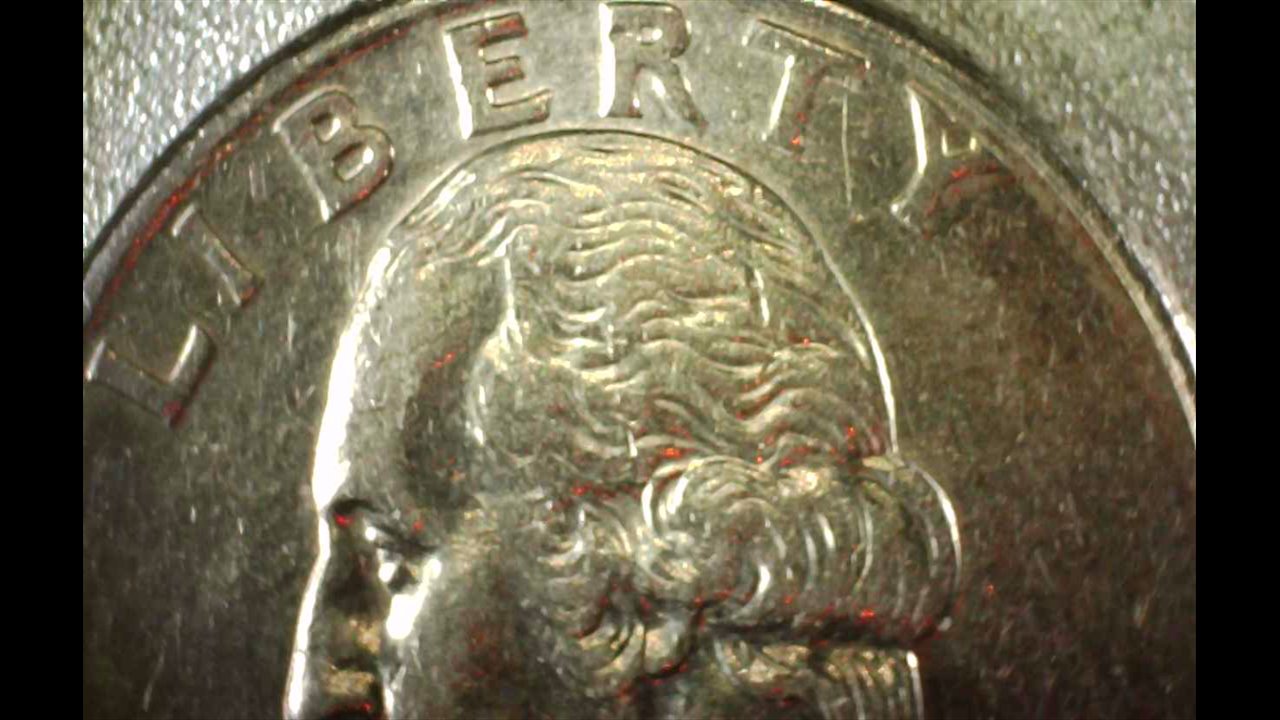
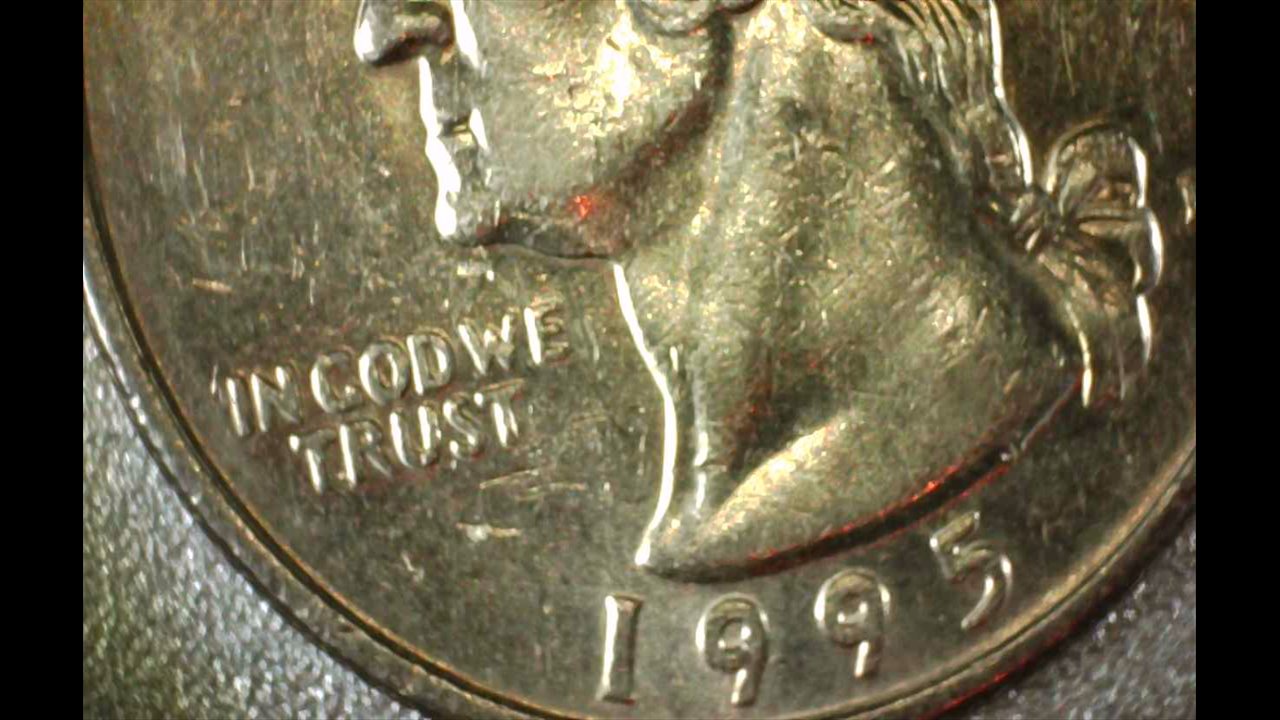
I agree with all of the above, your coin has displaced metal as a result of circulation damage. CHB, I suggest you watch a few videos that would show how coins are minted. As JimmyD mentioned, with your coin you have either an error from the minting process or damage later from circulation. We here are familiar with the minting process, and we can tell you that yours is not a minting error. How did your circulation damage occur? There are a million ways damage can happen, but in the end, damage is damage.  |
|
Valued Member
United States
71 Posts |
CHB I also agree with the evaluations above. As a mechanical engineer you do understand how things would move. As an engineer myself I had to shift my understanding from printing process to the actual act of pressing the planchet. You cannot always tell why or when damage happened only that it did. If a coin is perfectly struck and incurs no damage through the minting process it is worth more than one that might have been struck right after it and got dinged up after the press spit it out.
|
| |
Replies: 11 / Views: 2,175 |
|









 Posted 03/07/2021 12:32 am