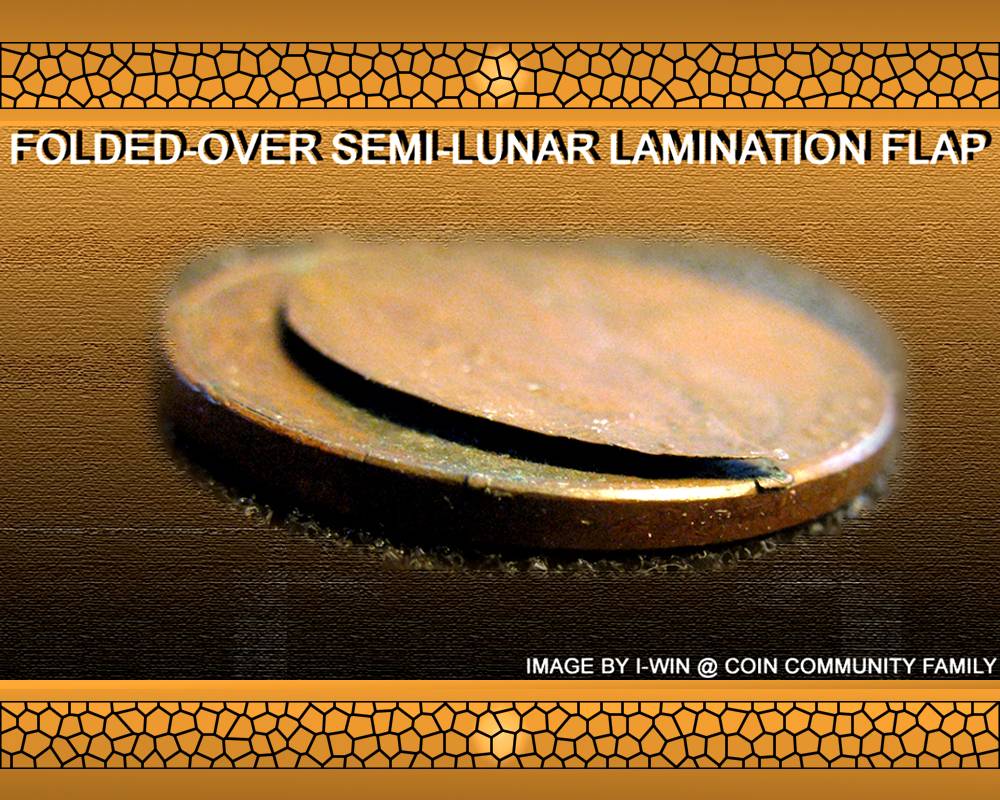
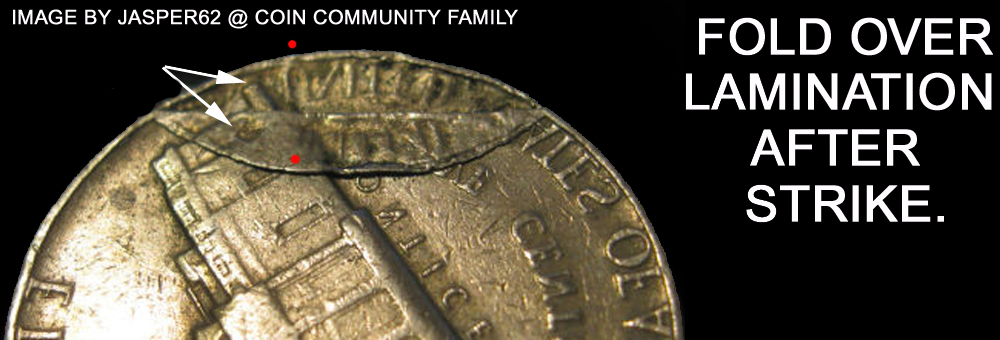
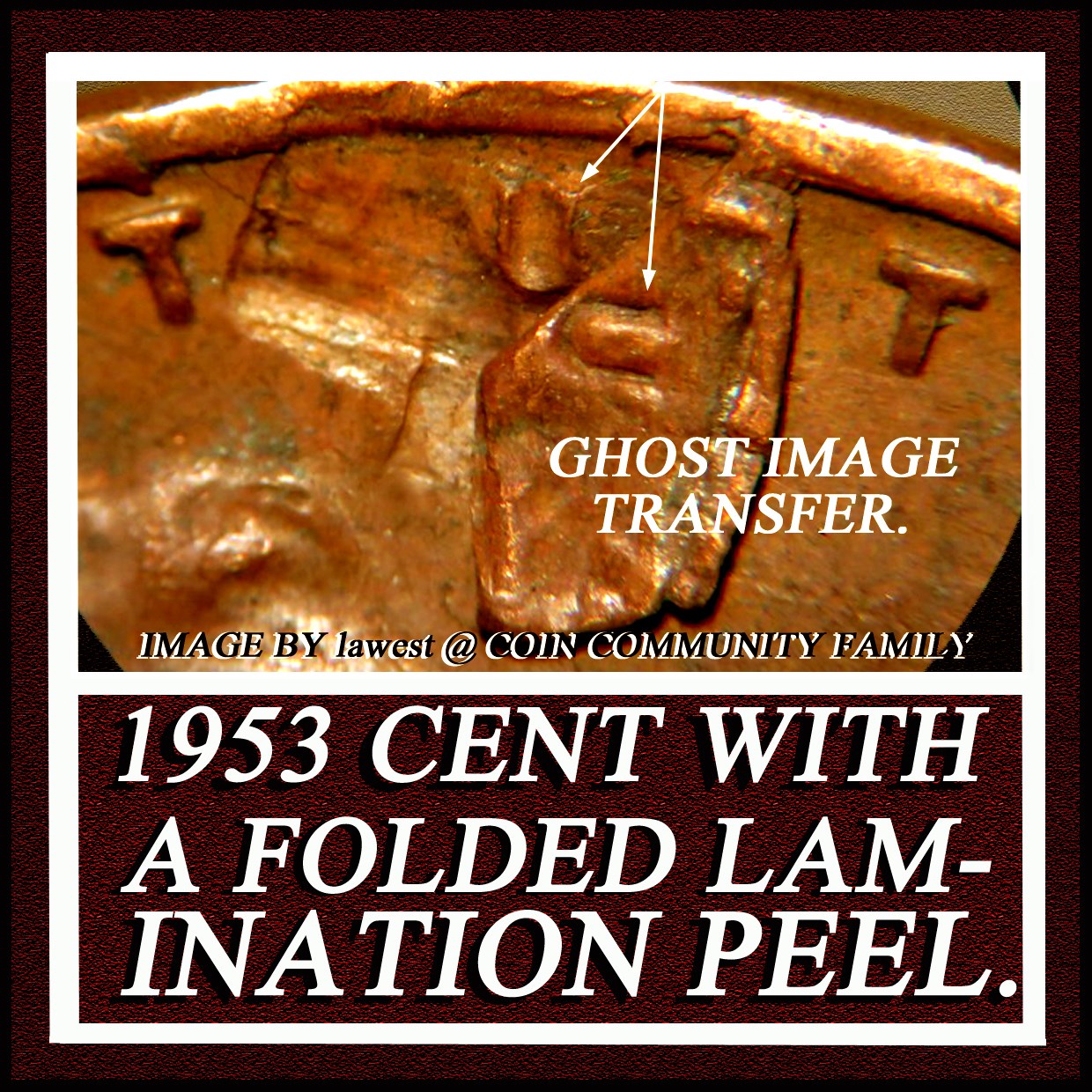
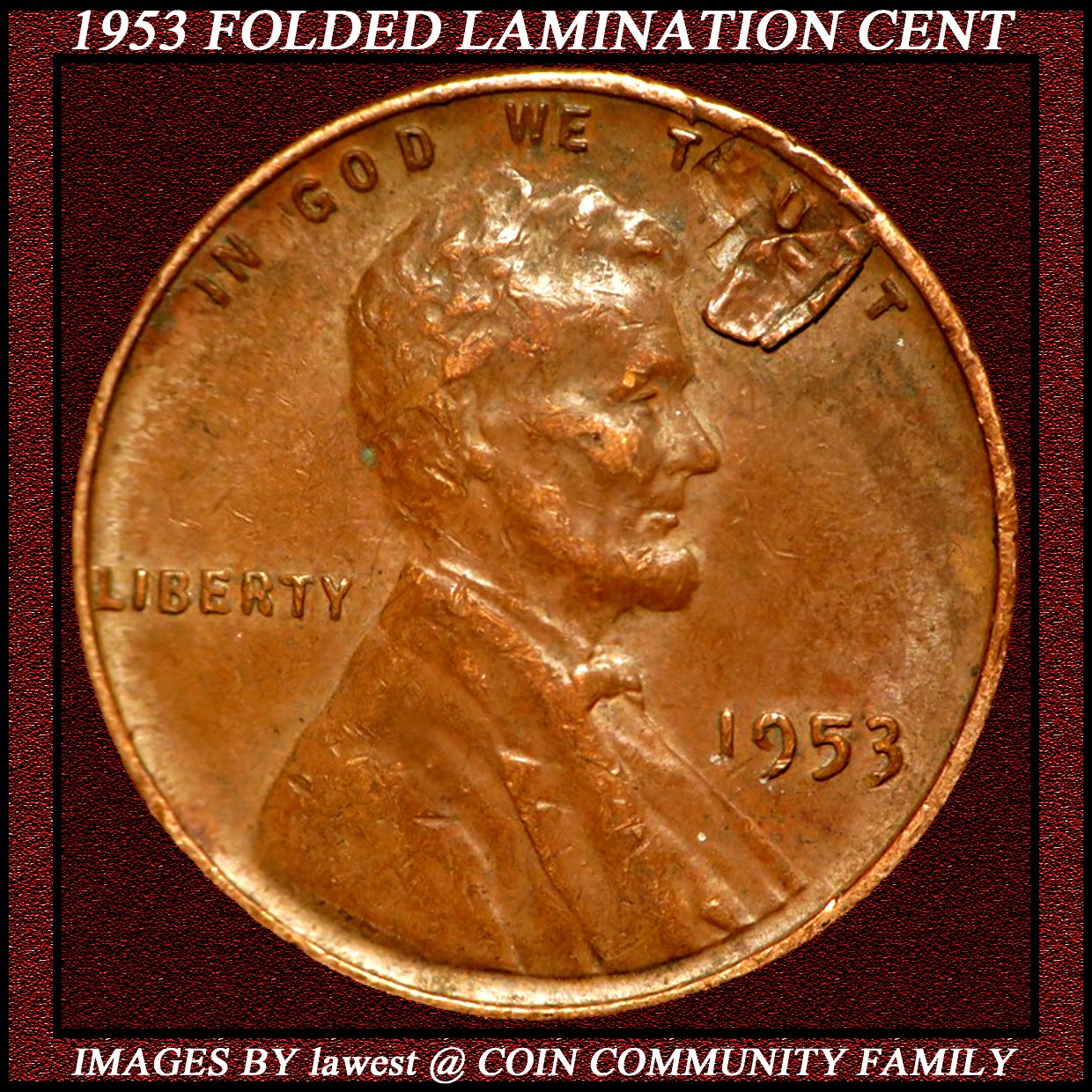
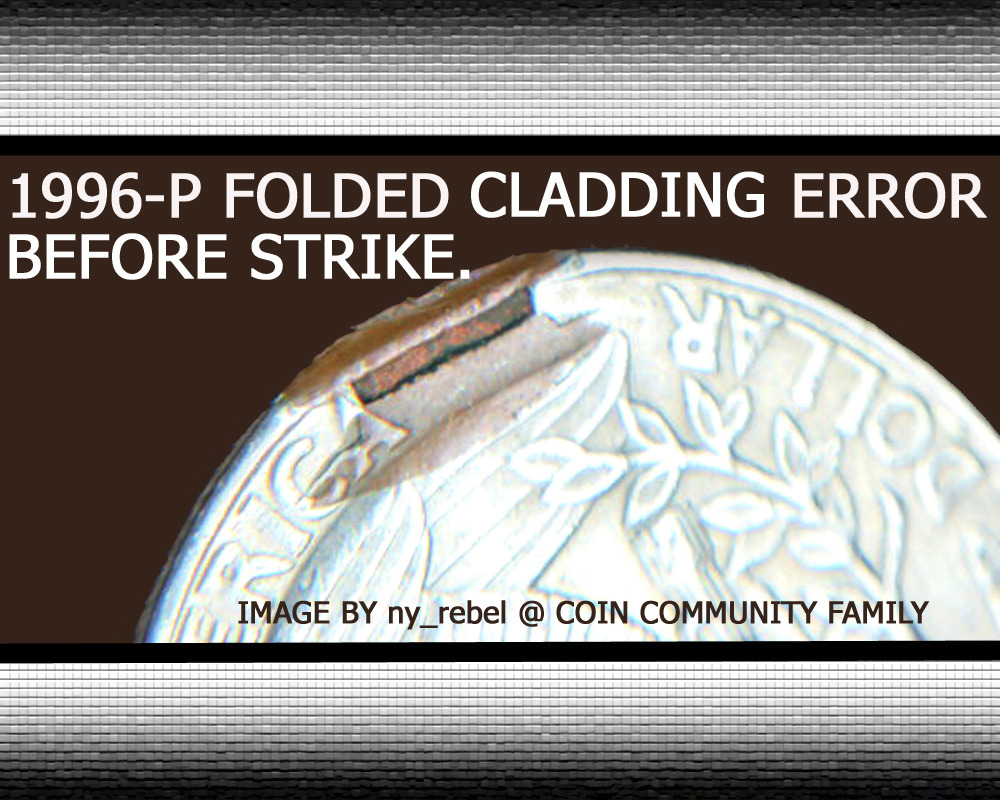
1 - is it correct to say that delamination will always produce a mark going into the surface of the coin?As mentioned already if that the lamination is usually below the surface of a coin. The exception to the rule is that if the lamination is folded/still attached, it can show above the normal surfaces of the coin.
 2 - is it correct to say that a cracked Die/Chip will always produce a raised surface on the coin?
Yes. Why? Because the chip that breaks off of the die, will leave a void on the die. The void is fill with the metal for the next/continuing strikes, leaving a raised area on the fields/devices.
3 - is it correct to say that a Cud is simply a die chip off the side of the die and a PreCUD is a die crack that goes to the edge and will eventually create a Cud?A
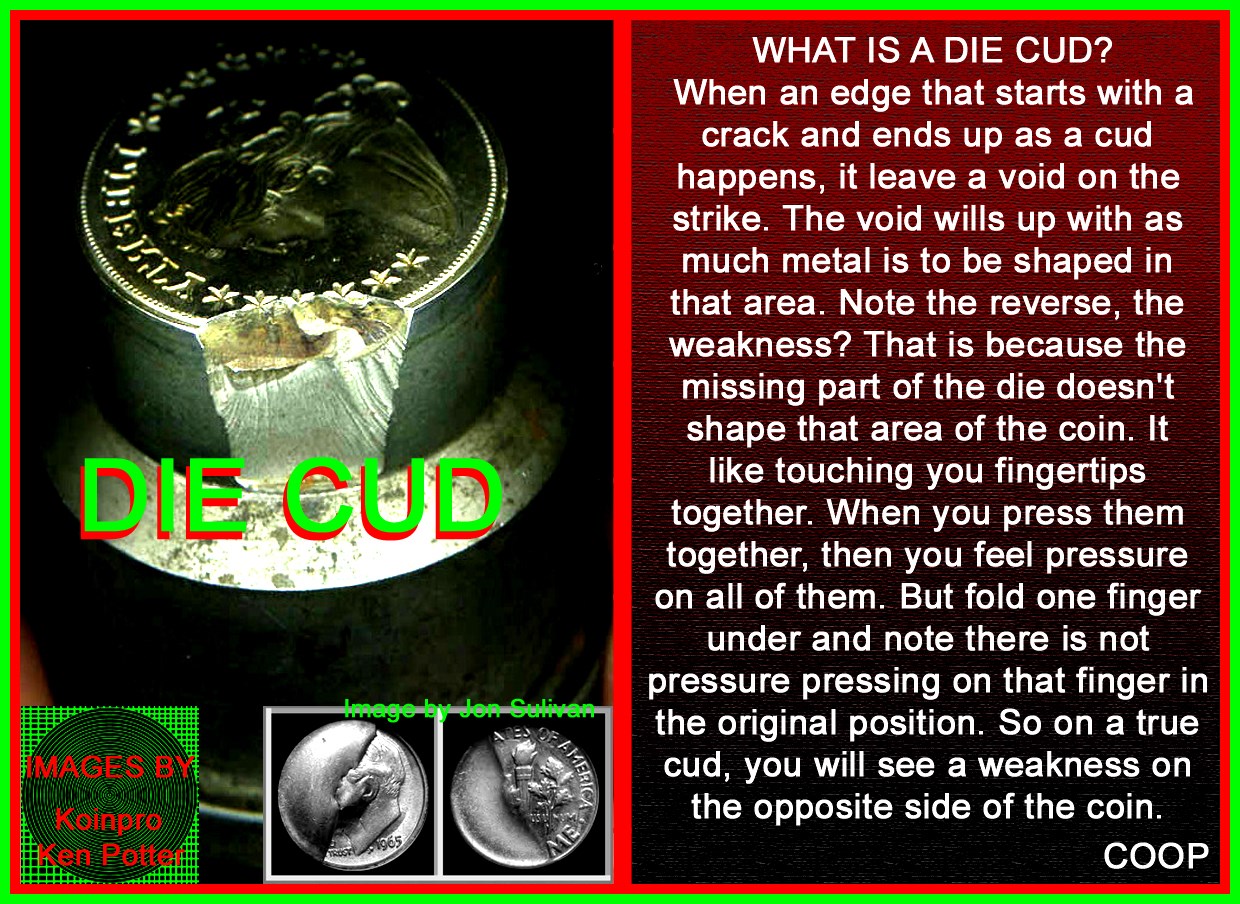
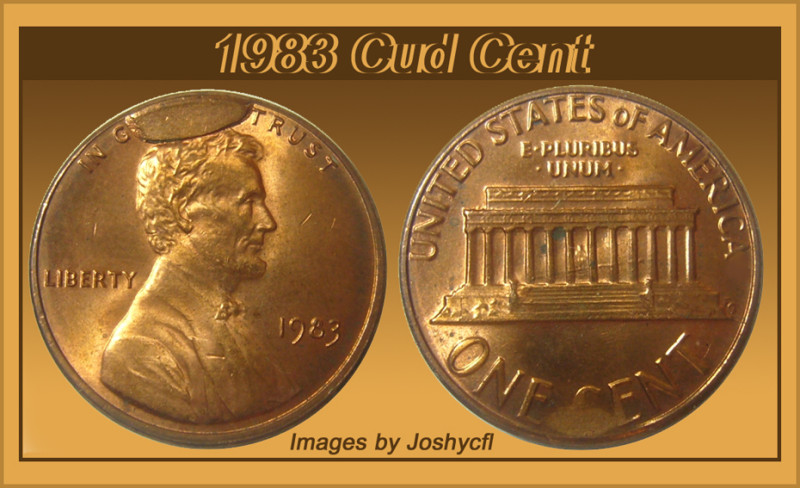
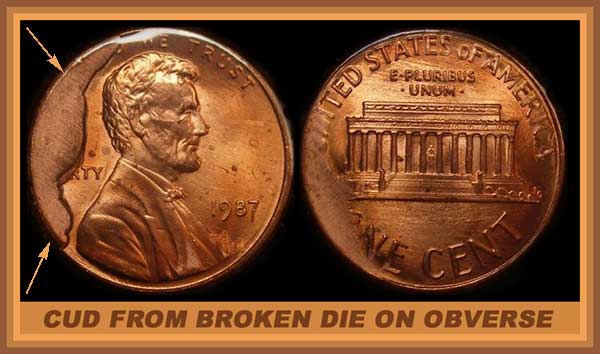
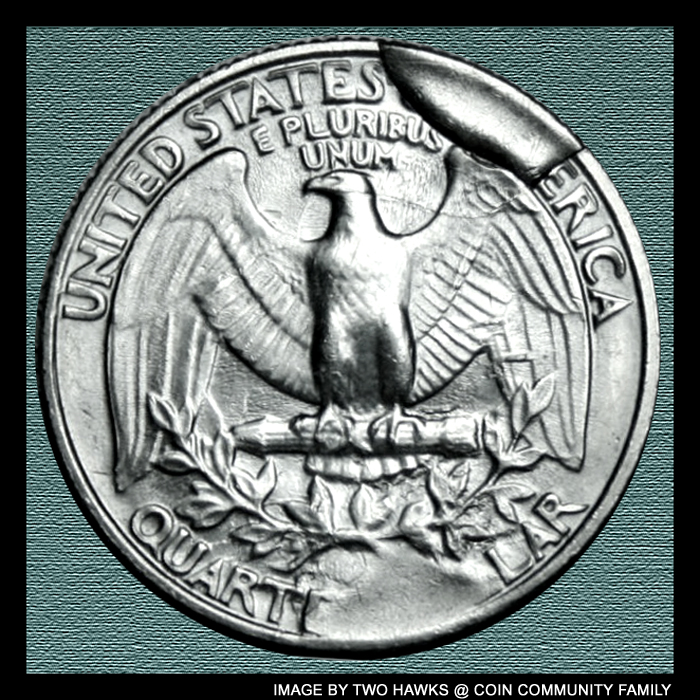
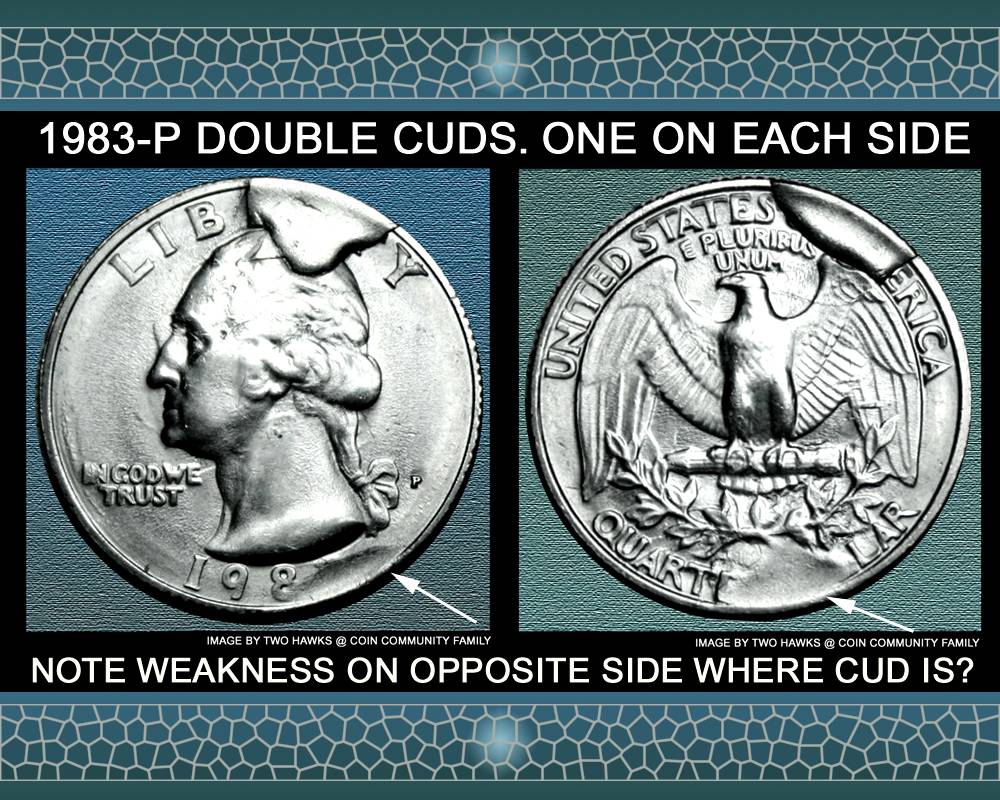
Die Cud is a break
away from the outside edge of the die.
The
Cud leaves a huge void on the die. So on the opposite side of the coin, that area will be weak because of the missing die material.
Die chips do not leave a weakness on the opposite side of the coin. Die chips are very common. A
Die Cud is an end of life experience of a die. Chips can have many die chips and not be retired. A pre-cud/retained
Cud is an die event that hasn't happened yet to make it a
Die Cud.
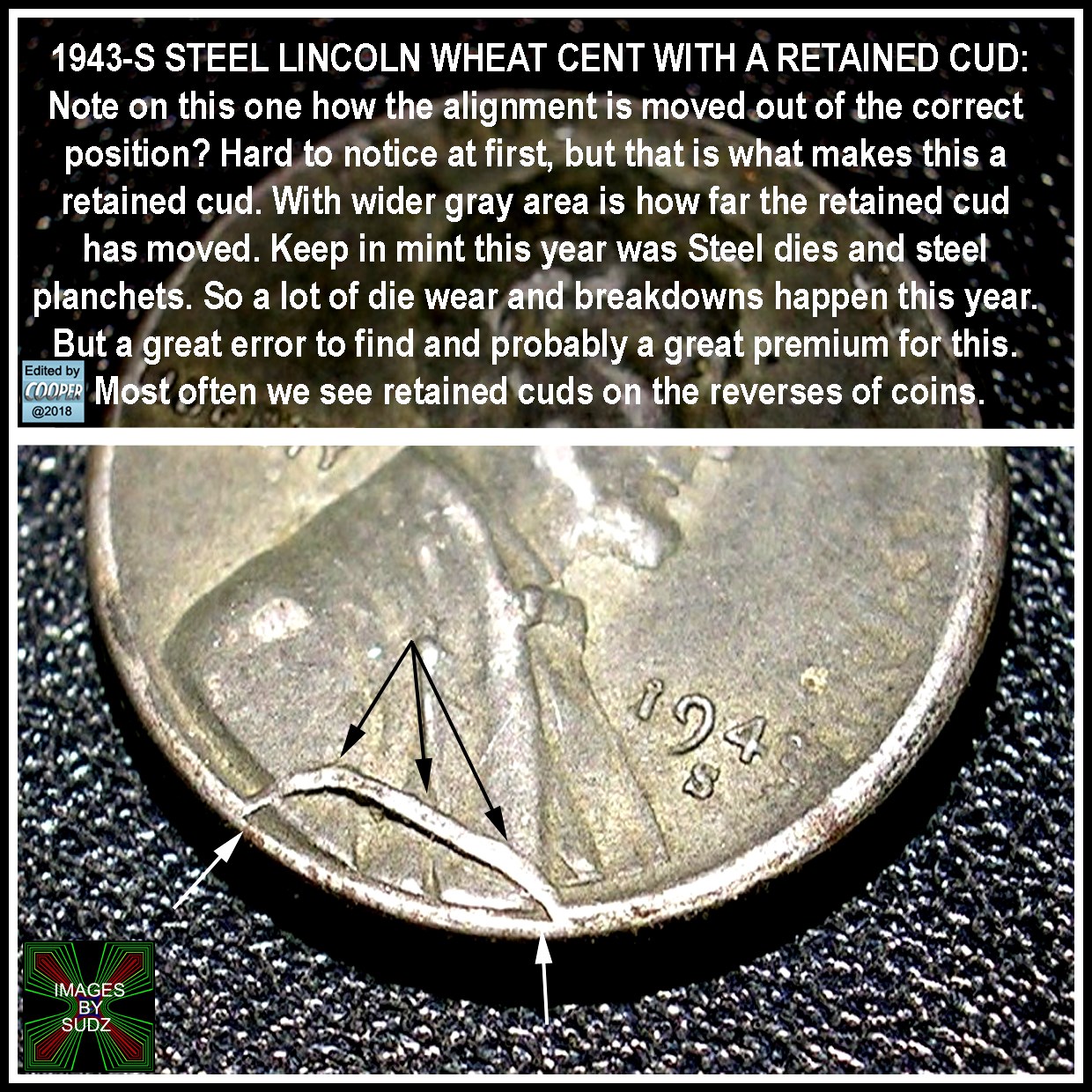
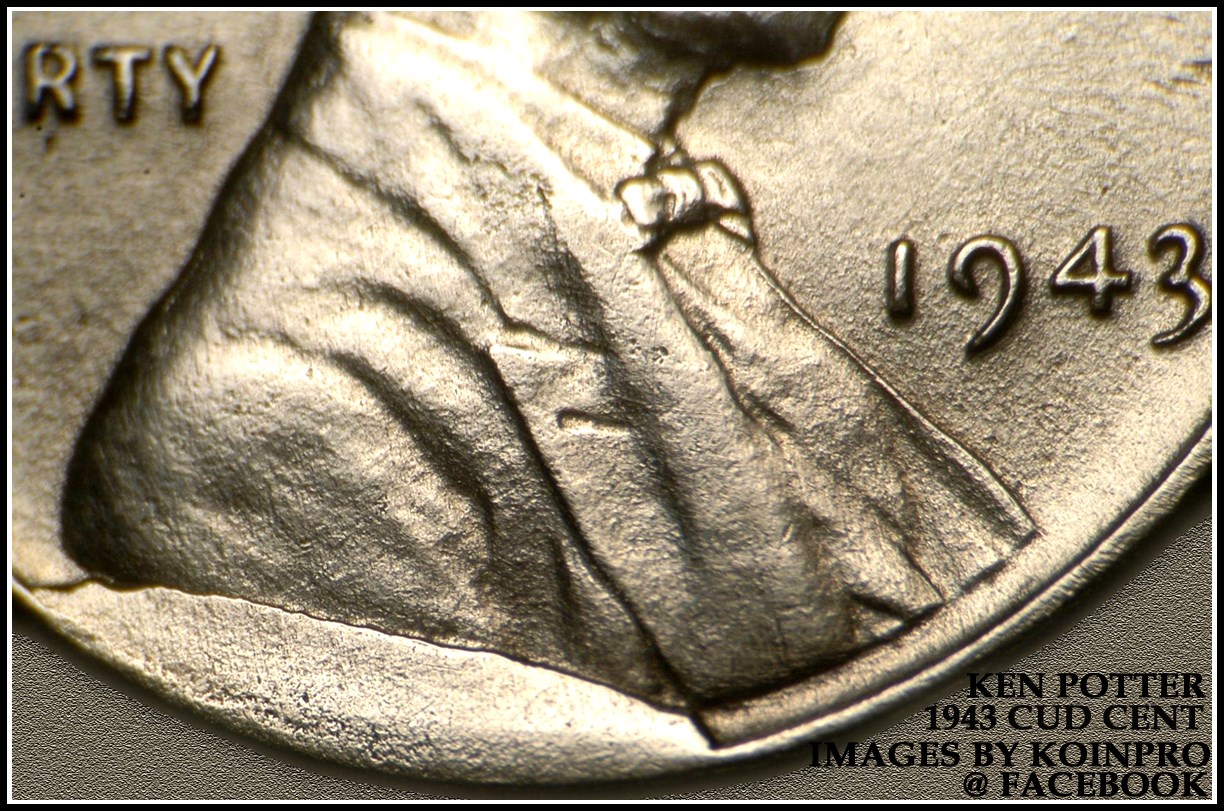
The die crack that is rim to rim on that area can last quite a while. But then the die cracks get deeper, the edge of the die may break off, but the collar holds the
Retained Cud in place and many of these can be struck, until the retained die breaks away.
uploaded/coop/Cud_1989_plain_reverse.jpgp/img]
Then the die is retired. You don't see many of the reverse dies having a
Die Cud.
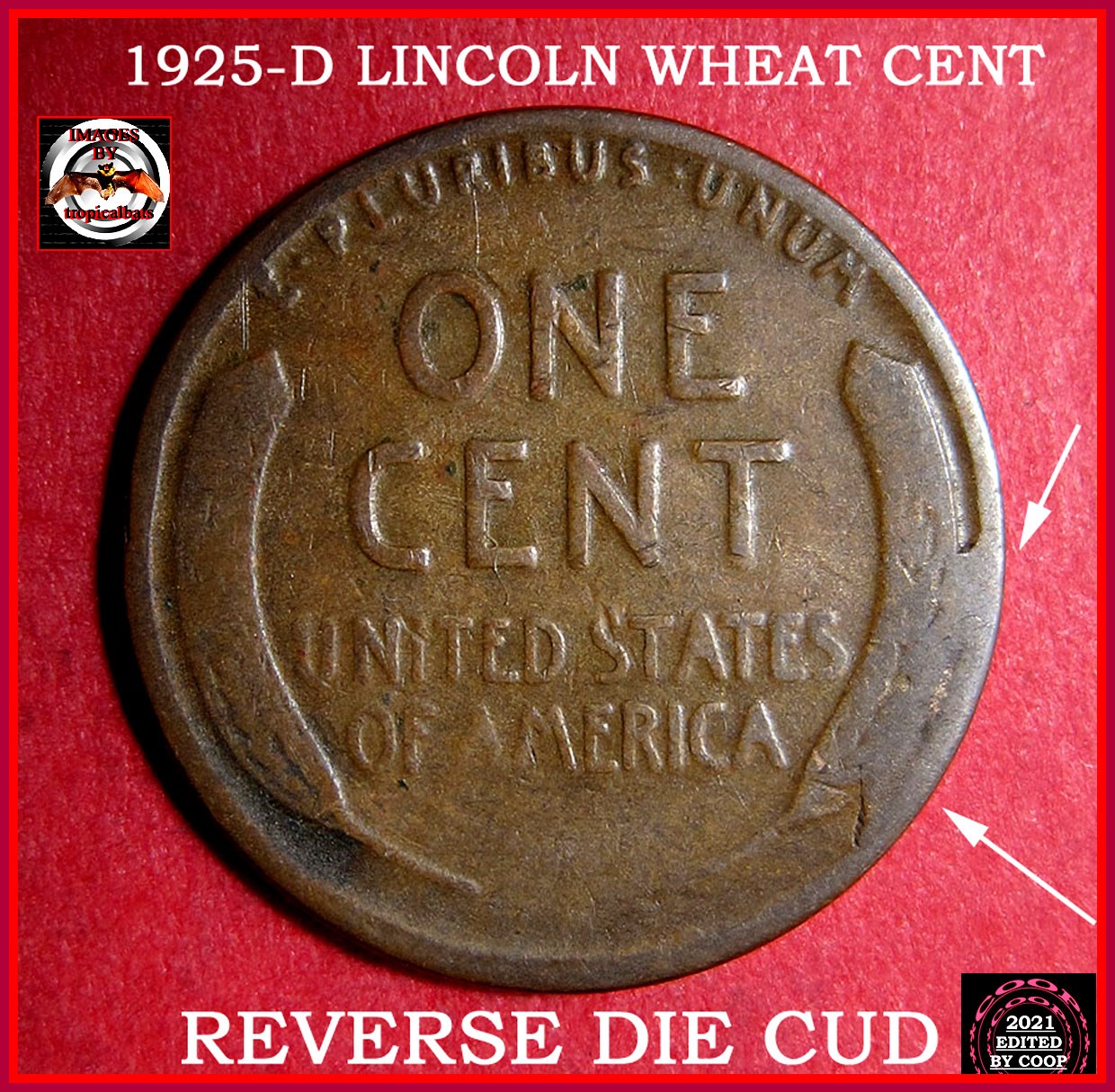
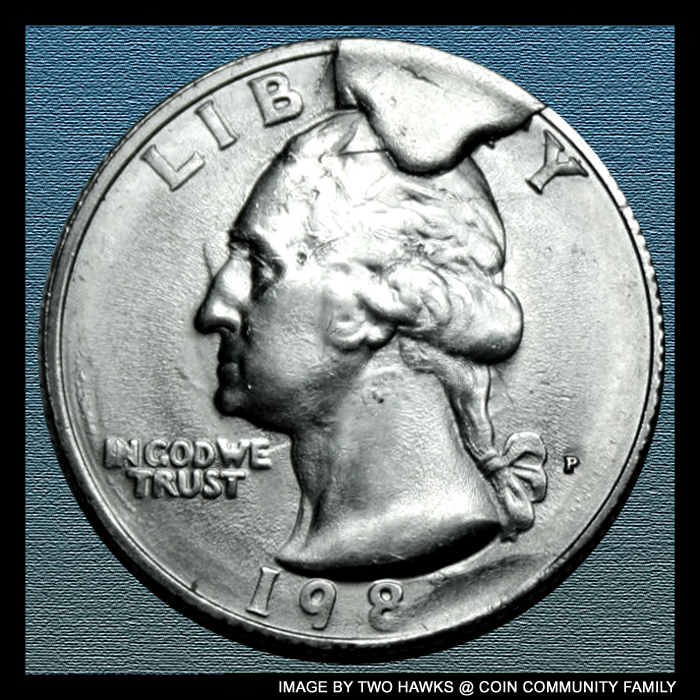
Usually you see this on the obverse die. (probably because of the lifting of the die, the retained die break will fall out on the obverse. The reverse there is no lift of the die, so they retain the
Cud for a longer time)
 CoopHome
 :
Laminations, die chips and Cuds. How do the dies affect the coins struck with them?







 Ericwats!


 Posted 03/08/2021 12:46 pm





 Thanks for the link! Bookmarked it.


