| Author |
 Replies: 12 / Views: 2,453 Replies: 12 / Views: 2,453 |
|
|
Pillar of the Community
United States
3237 Posts |
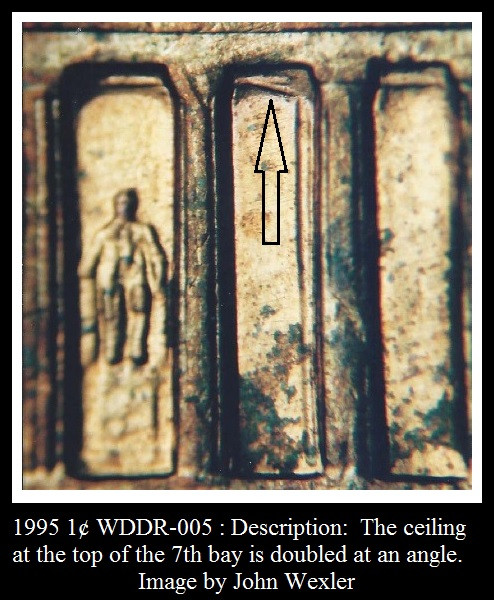
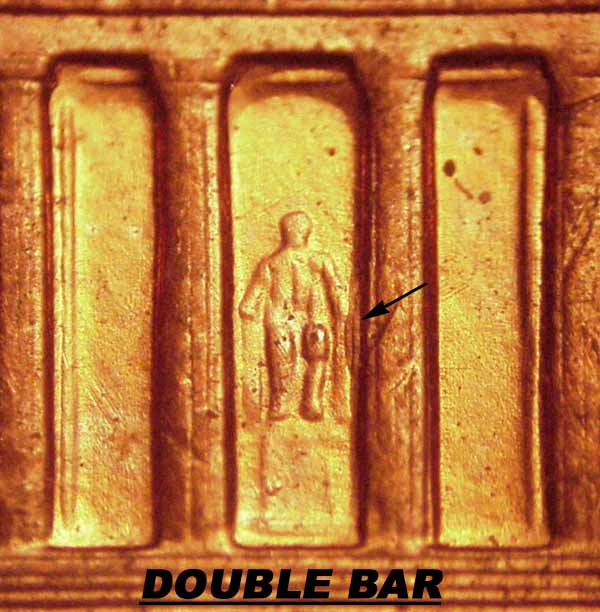
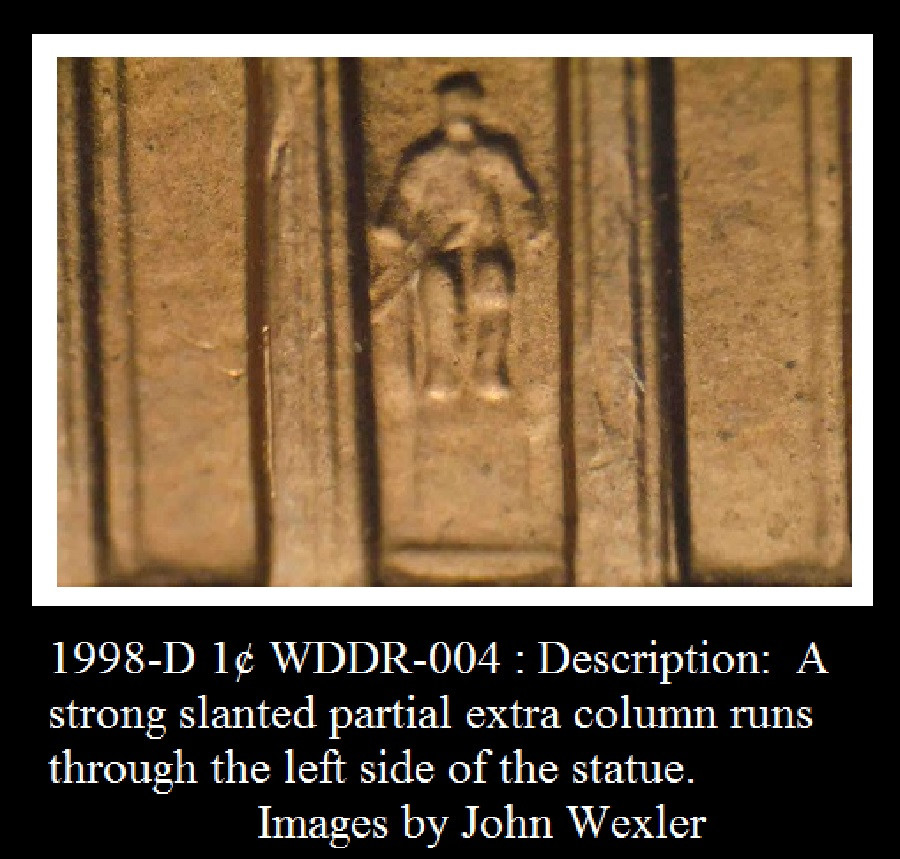
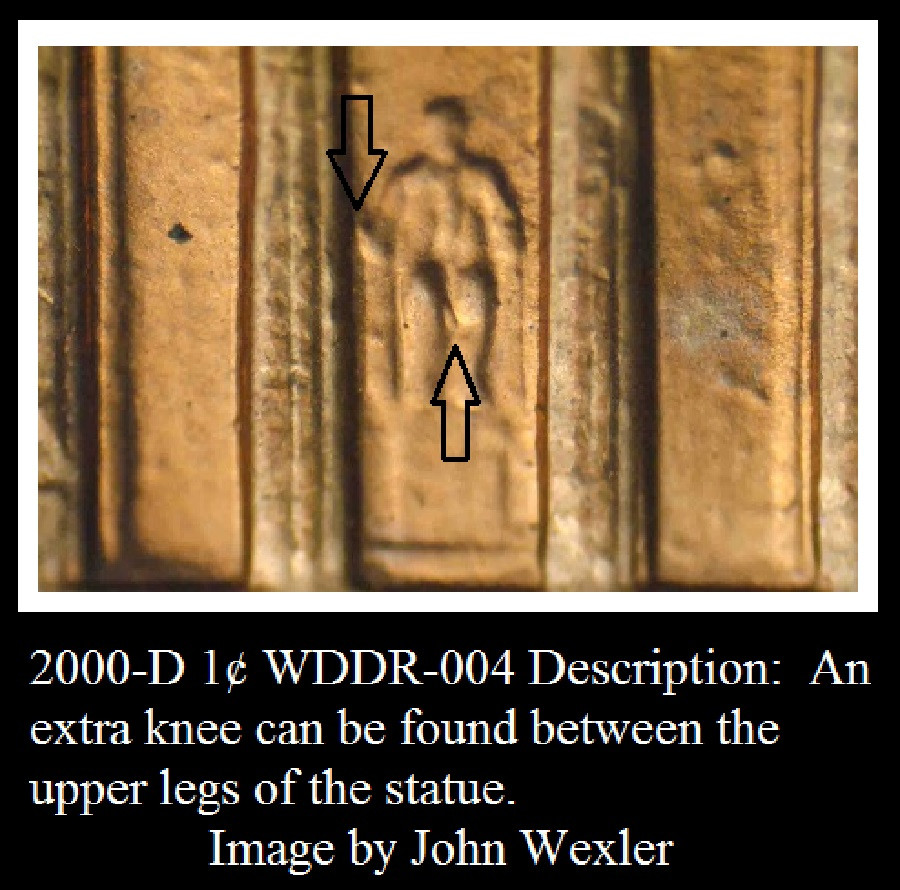
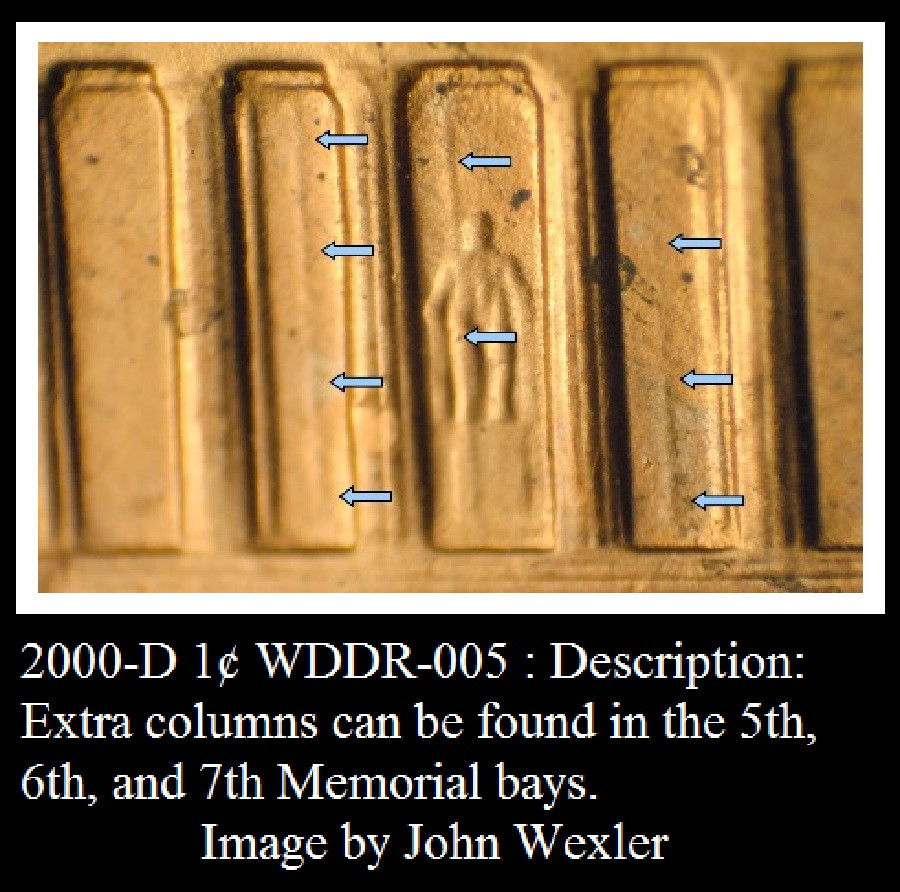
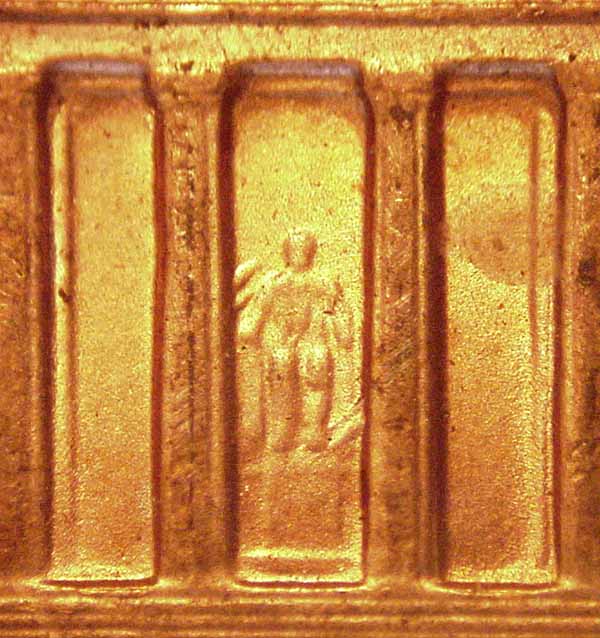
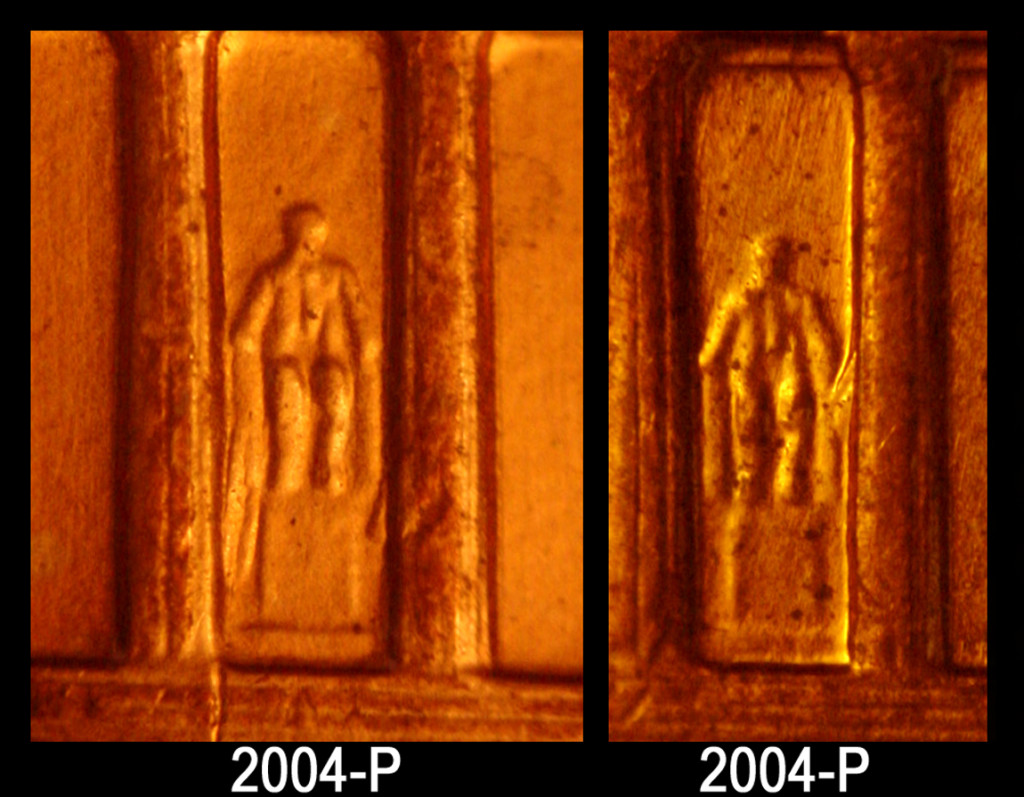
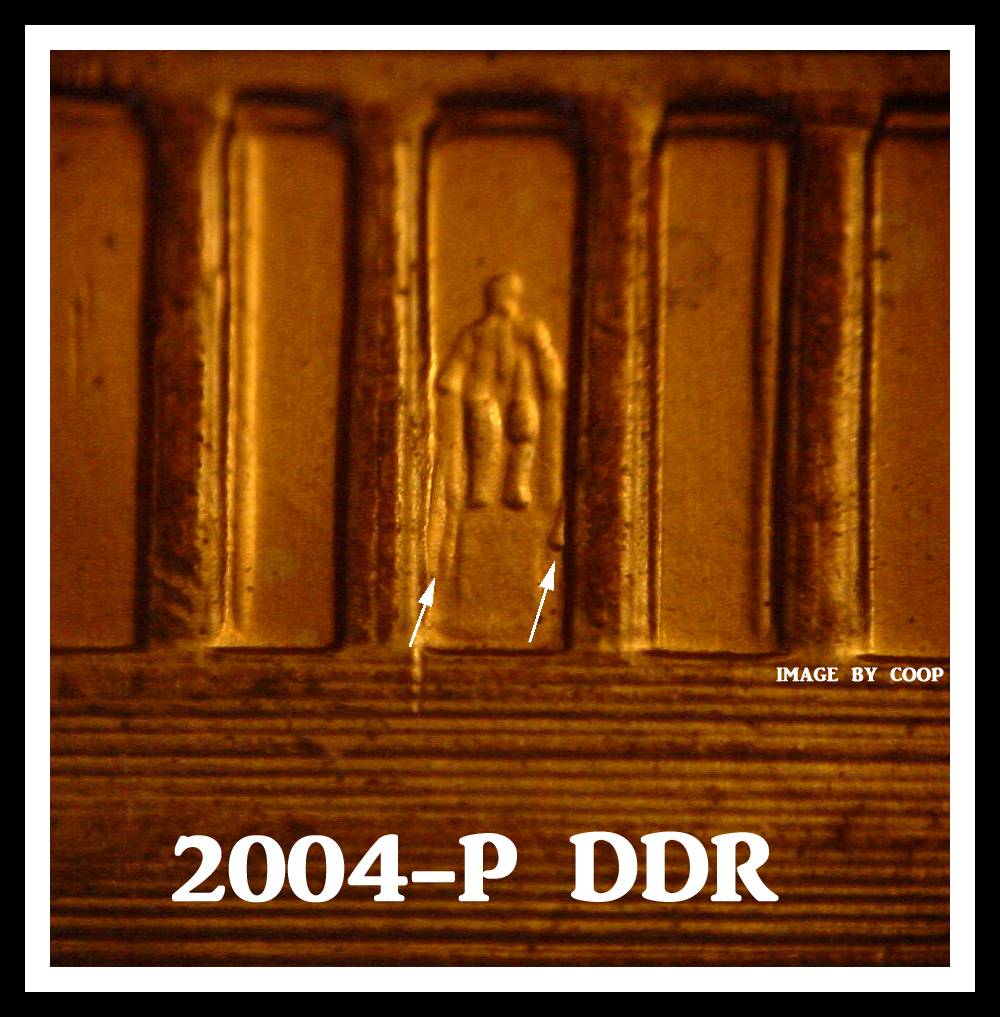
Found this a couple days ago and was pretty impressed. Had never seen one of these single squeeze extra columns almost the full length of the column. 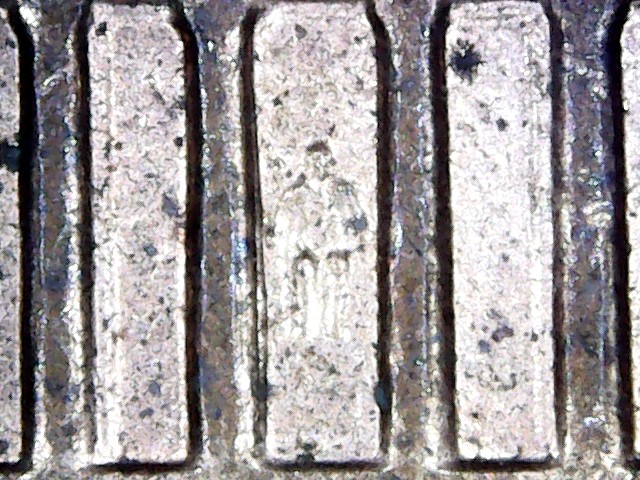 |
|
|
|
Moderator
 United States
56855 Posts |
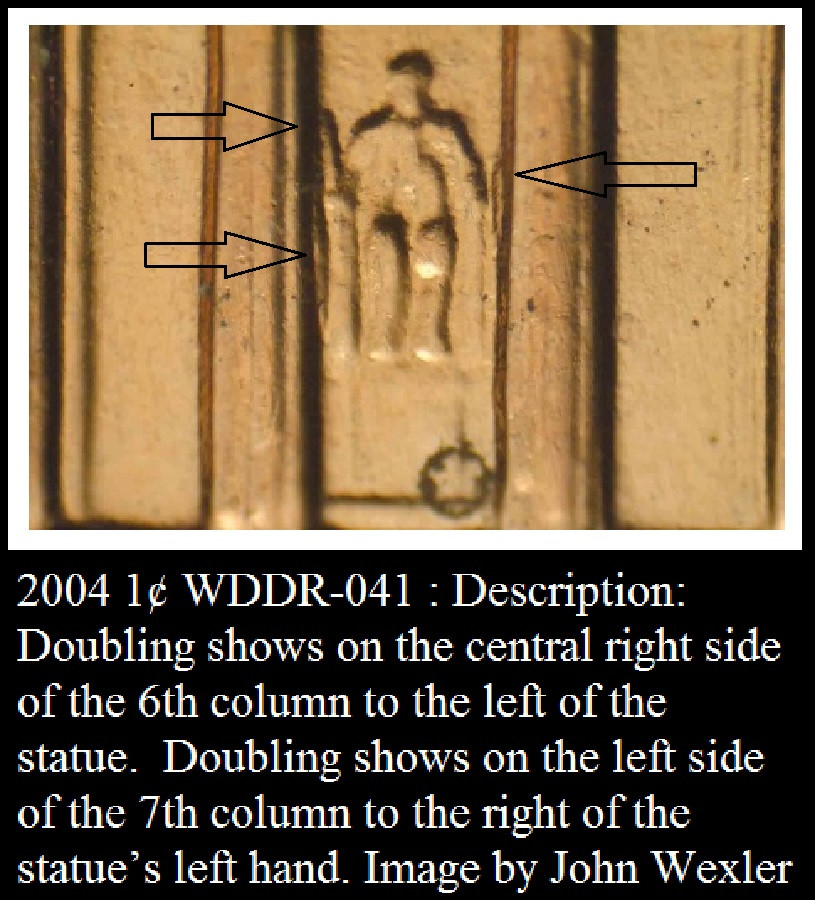
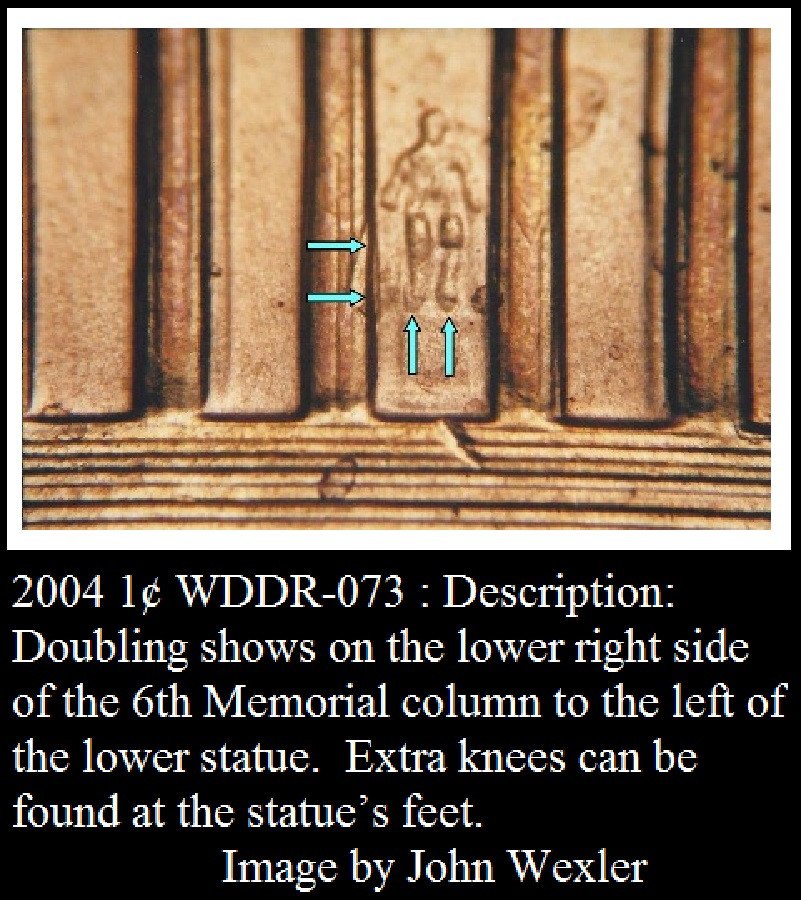
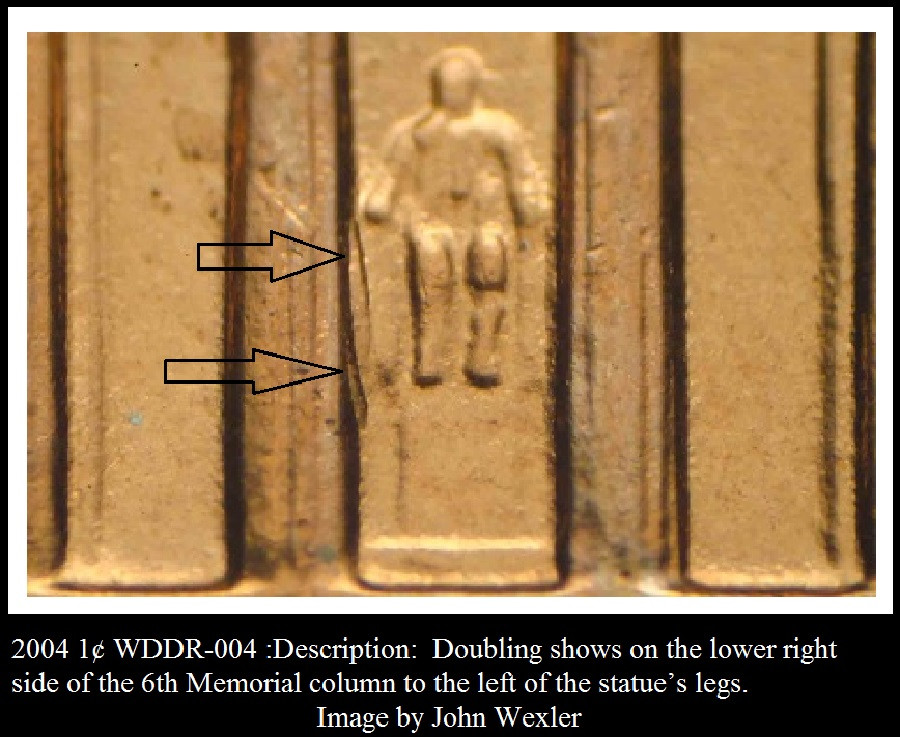
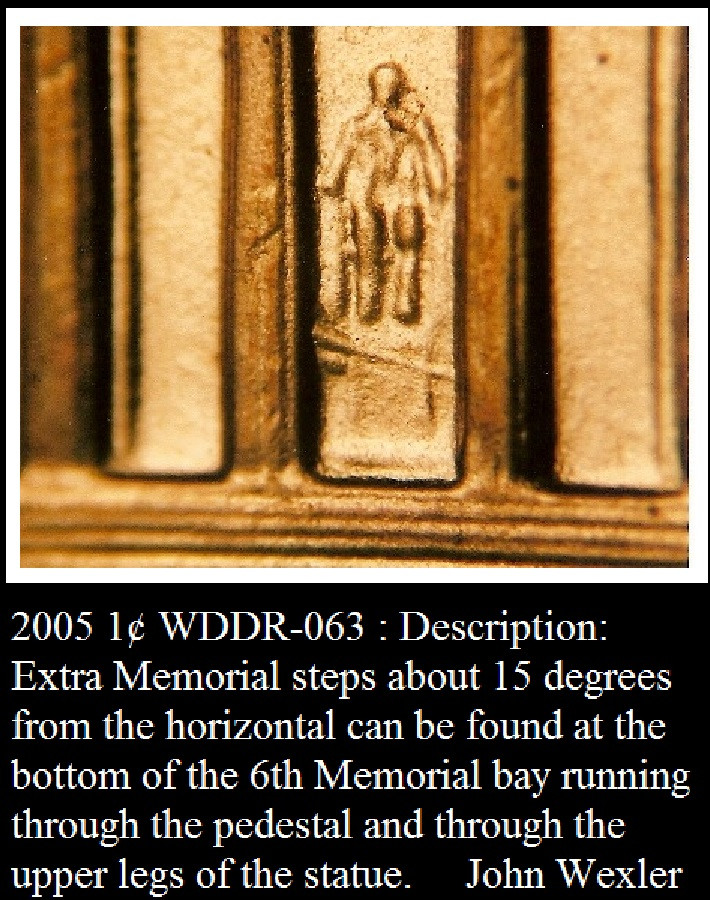
Very nice, I have a bunch of bar on column DDR's. John1  |
|
Valued Member
United States
68 Posts |
Can yall enlighten me? Are you talking about on column six? The term bar cent is a new one on me.
|
|
Moderator
United States
56855 Posts |
|
|
Pillar of the Community
 United States
3237 Posts |
Yes, as John says, what I'm calling a "bar cent" is just an informal term for single squeeze era (mostly 1997-2008) Memorial cent DDRs that present with extra material on one of the columns in the center bay. The DDRs occur when the hubbing process begins slightly out of alignment and a mint worker stops the press, re-aligns, and starts the hubbing again. Because the unhubbed blanks for the dies are convex, the highest point on the center of the hub is the first thing to "kiss" the die, which leaves just a tiny bit of the design doubled (in this case the memorial columns). Other ultramodern doubled dies that happen this way include doubled earlobes on recent coins, homestead doubled pump/windows, Minnesota extra tree quarters, etc. Edited by SamCoin
03/16/2021 9:04 pm
|
|
Bedrock of the Community
United States
62064 Posts |
Edited by coop
03/16/2021 9:07 pm
|
|
Pillar of the Community
United States
3237 Posts |
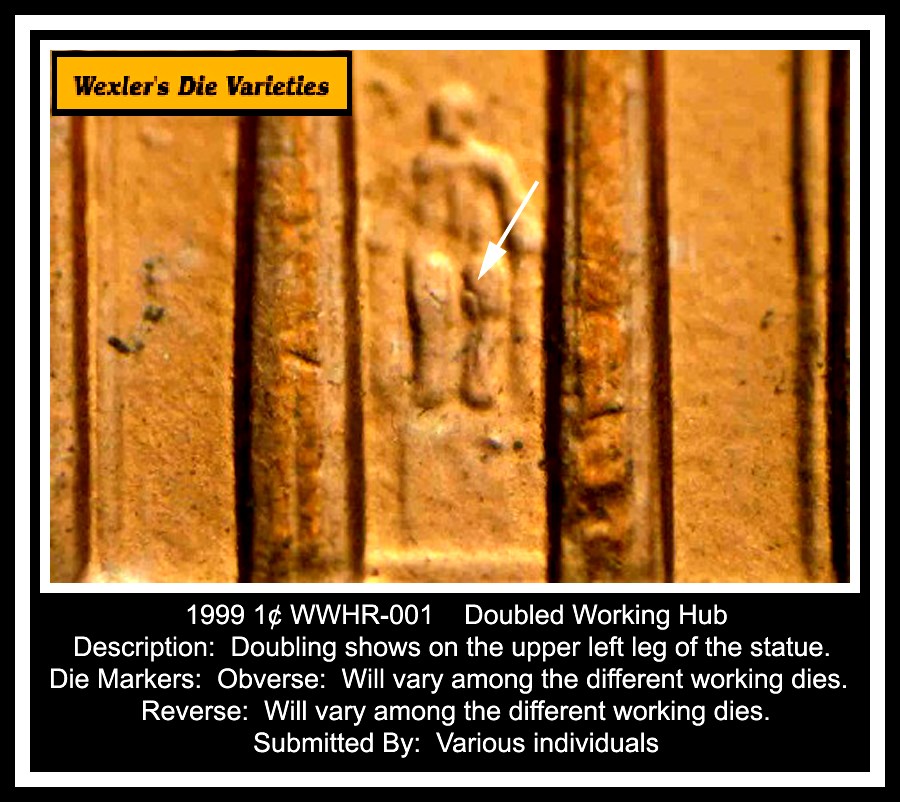
@Coop, I believe the ones where the hub snaps into position are believed to cause the smeared devices we see on many modern shield cents, the 2004 FS-801, etc. I think the doubled columns are created when the hub is aligned slightly out of position and the press is stopped and corrected by a mint employee as I described. At least that's how error-ref describes it:
"The second type of die doubling see with the single squeeze hubbing system occurs when the same offset in placement of the hub to the die occurs. Once again, the hubbing is initiated, but stopped by the press operator when the offset is detected. The the hub to die placement is correct and hubbing once again started. This start - stop - start of hubbing leaves Central located design doubling."
Edited by SamCoin
03/16/2021 10:39 pm
|
|
Moderator
United States
56855 Posts |
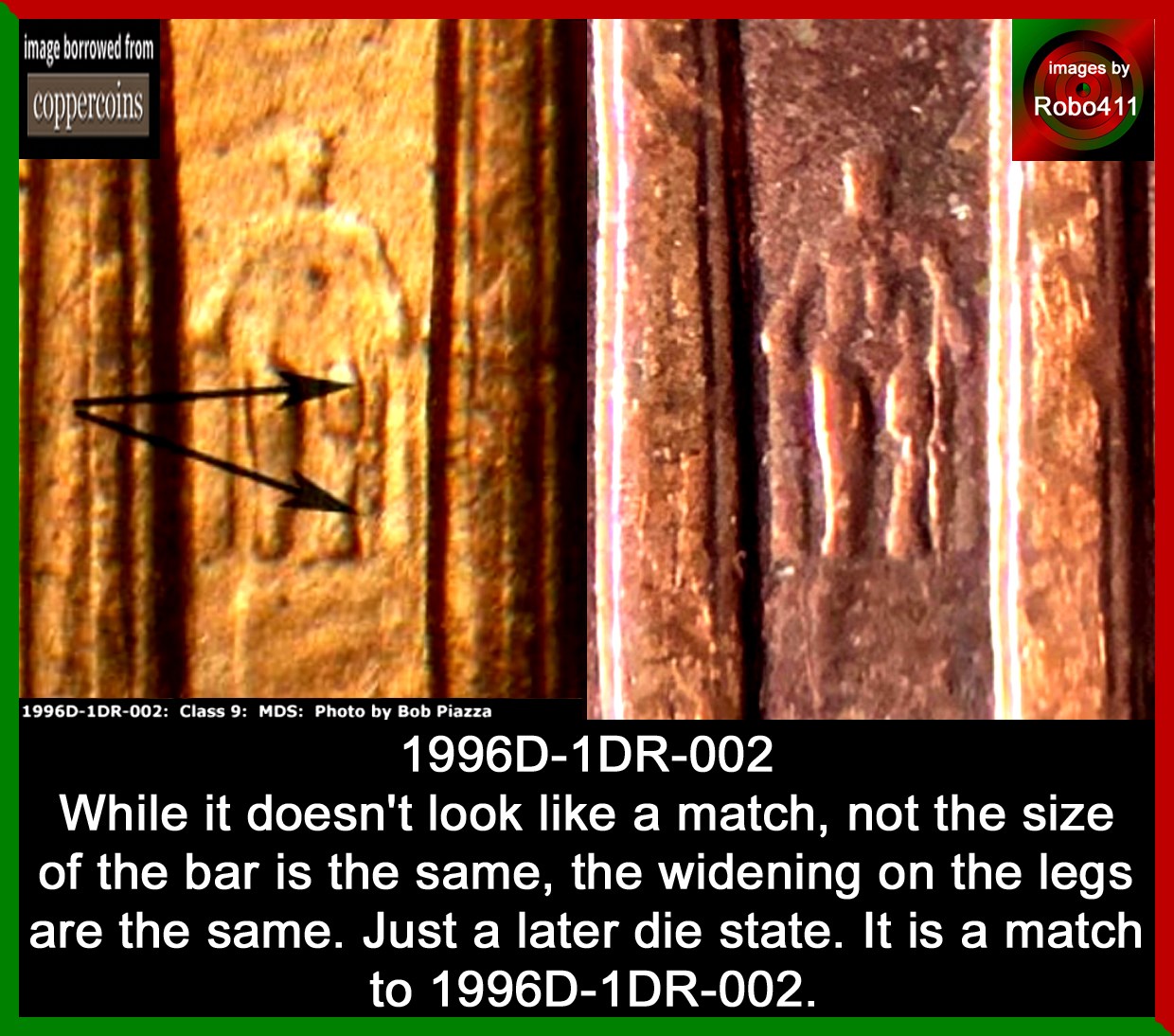
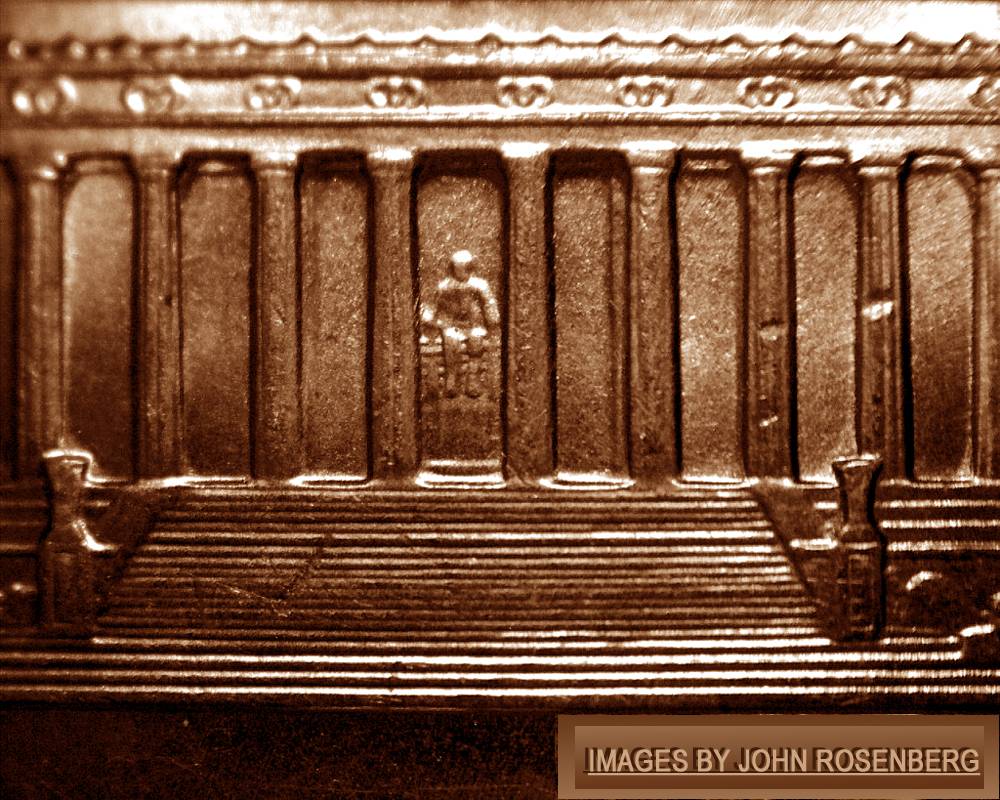
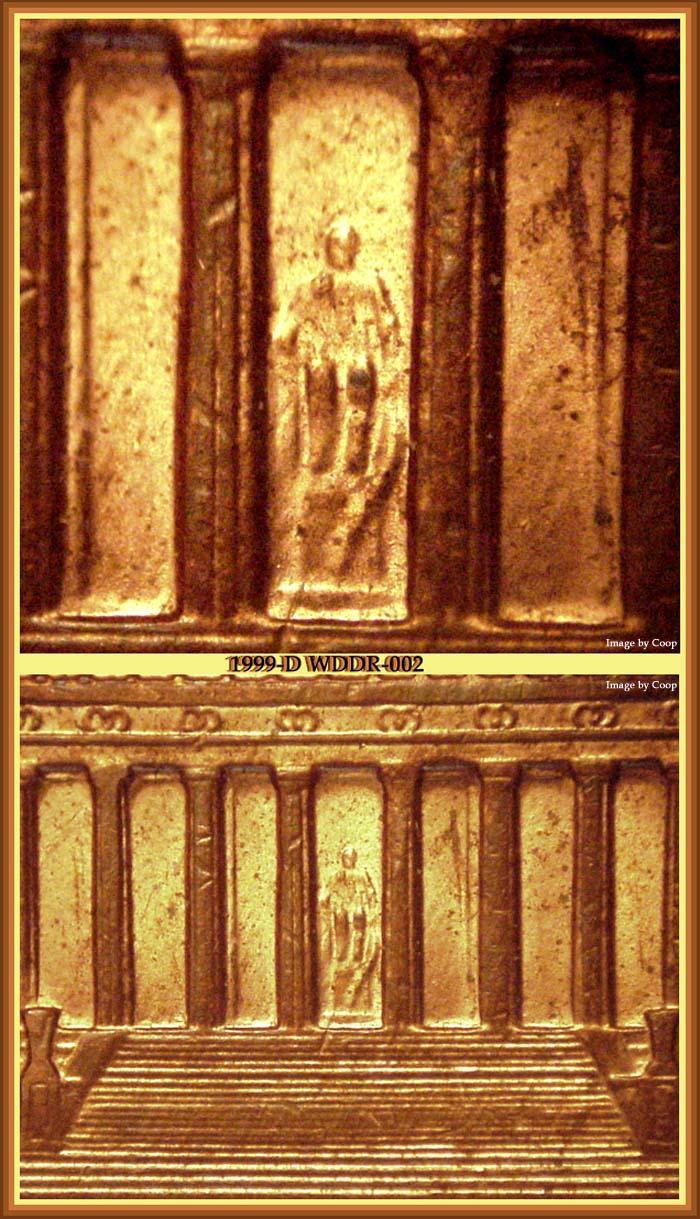
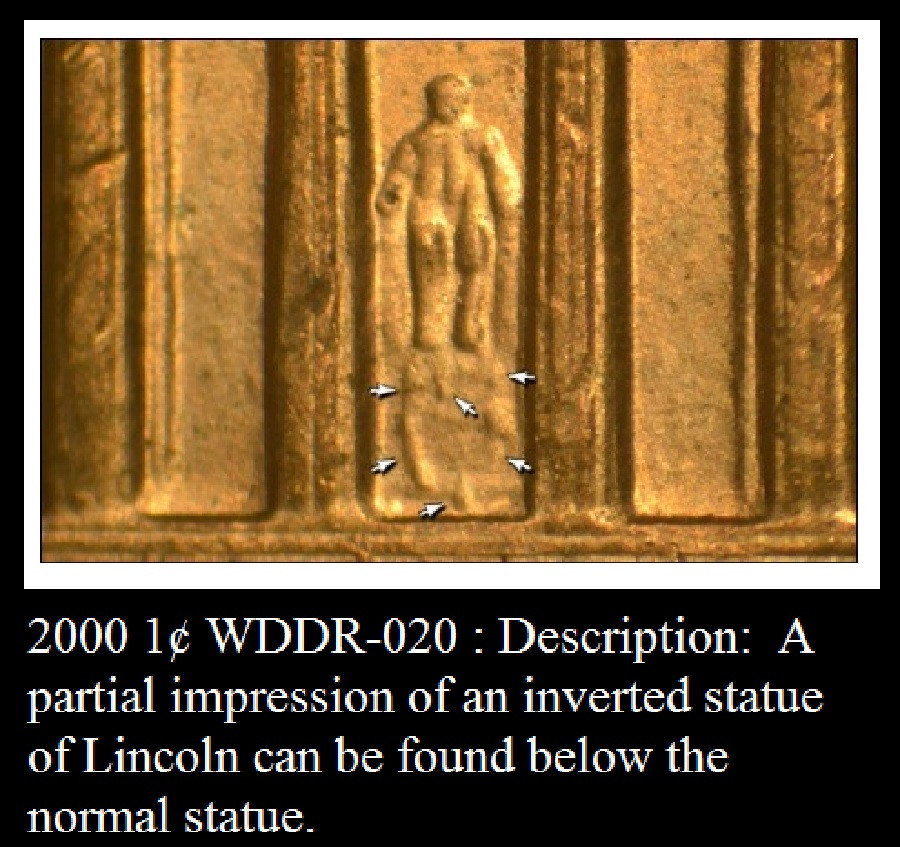
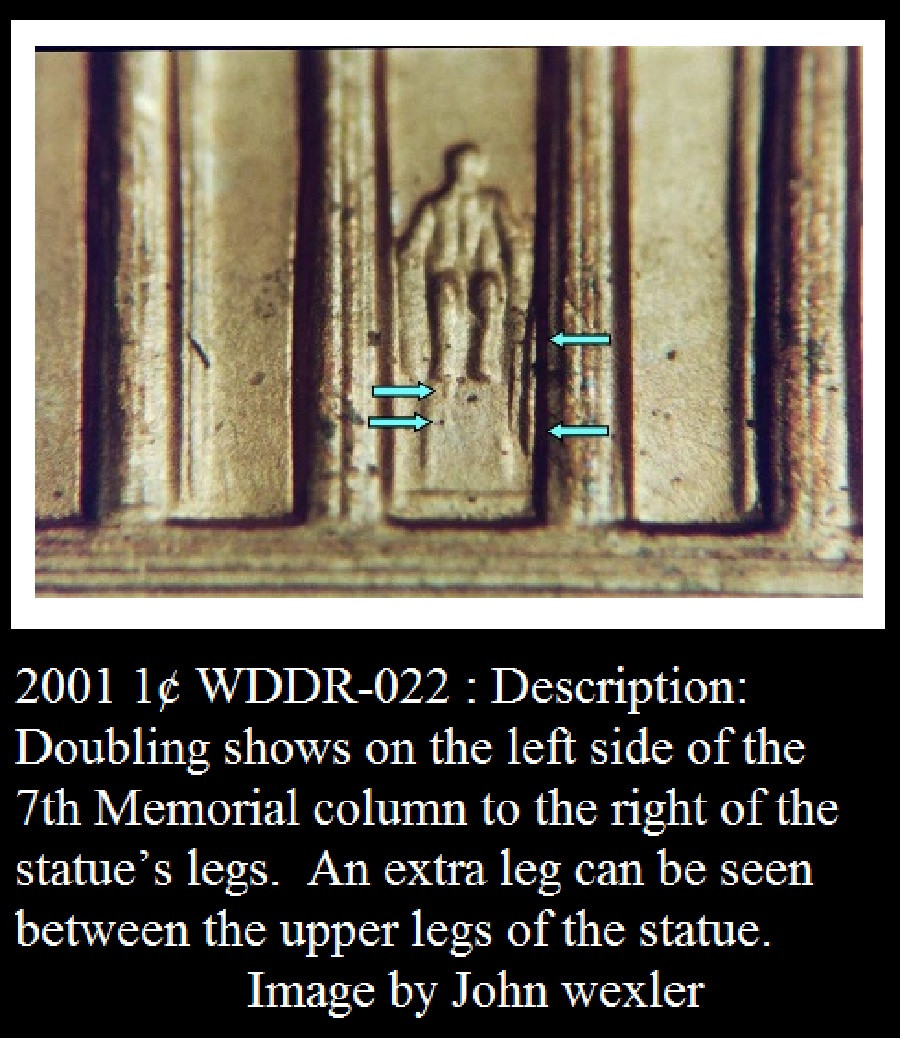
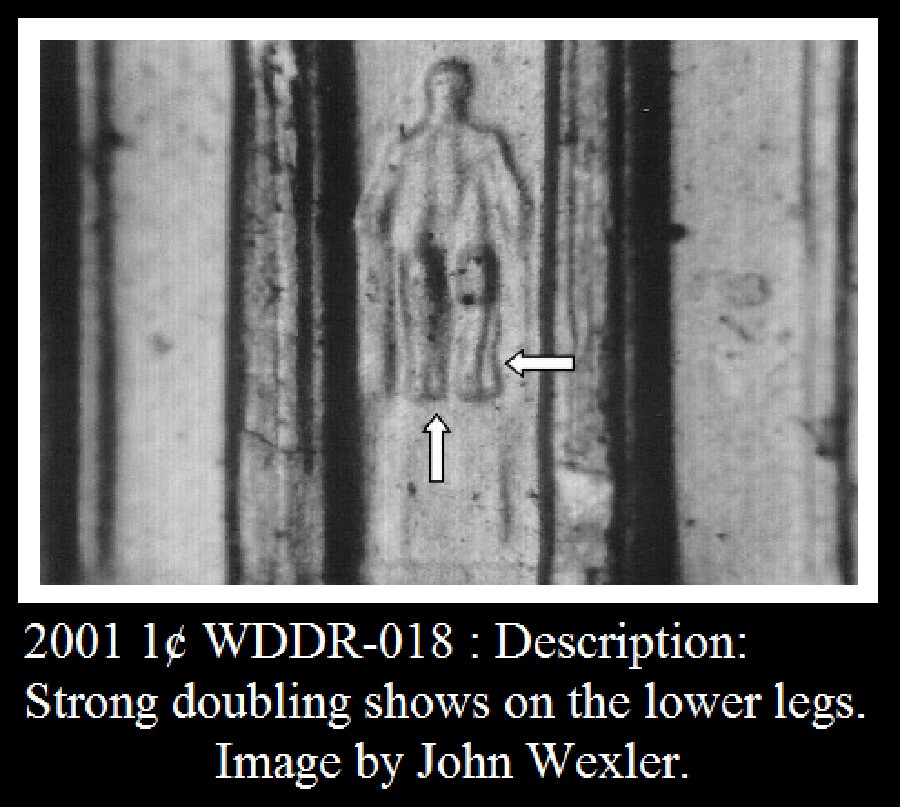
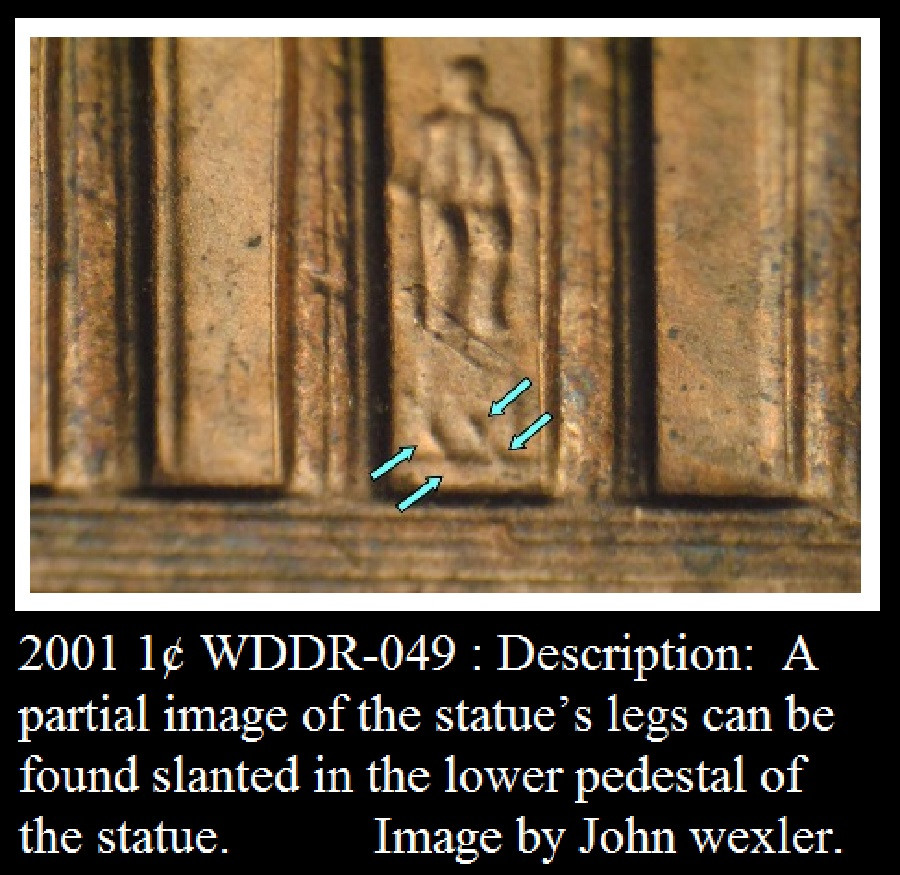
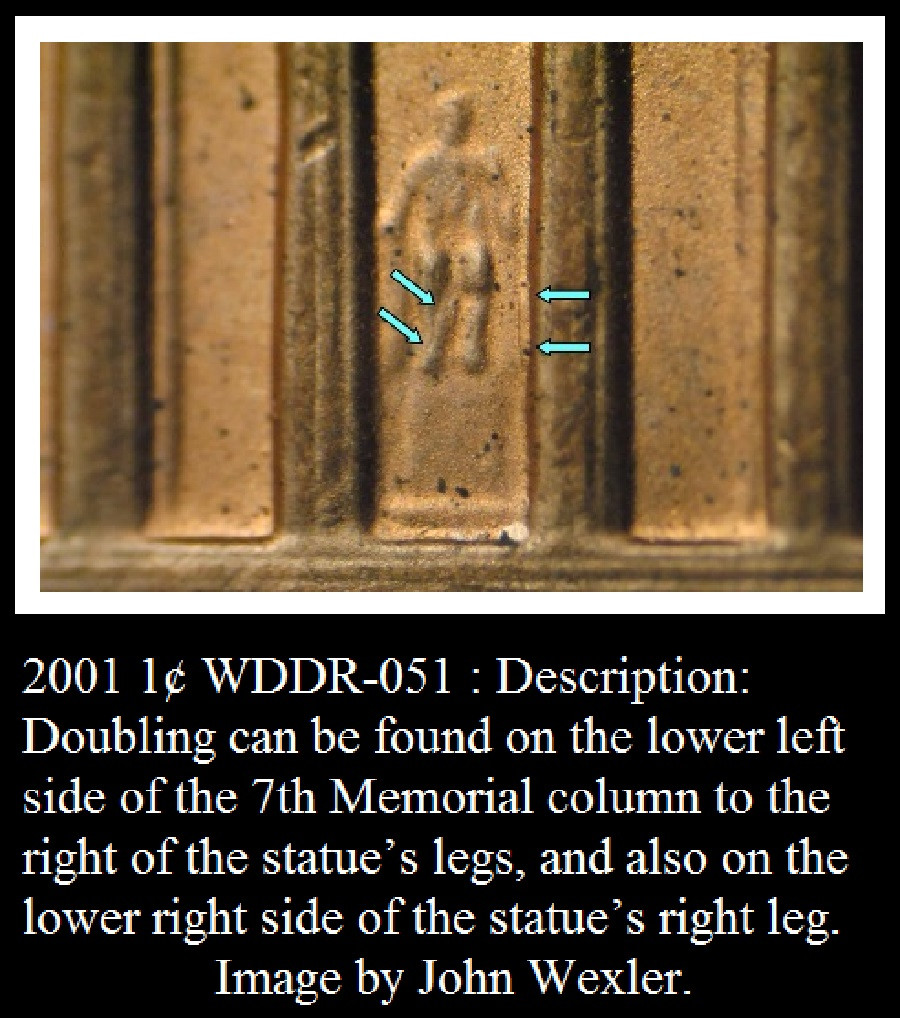
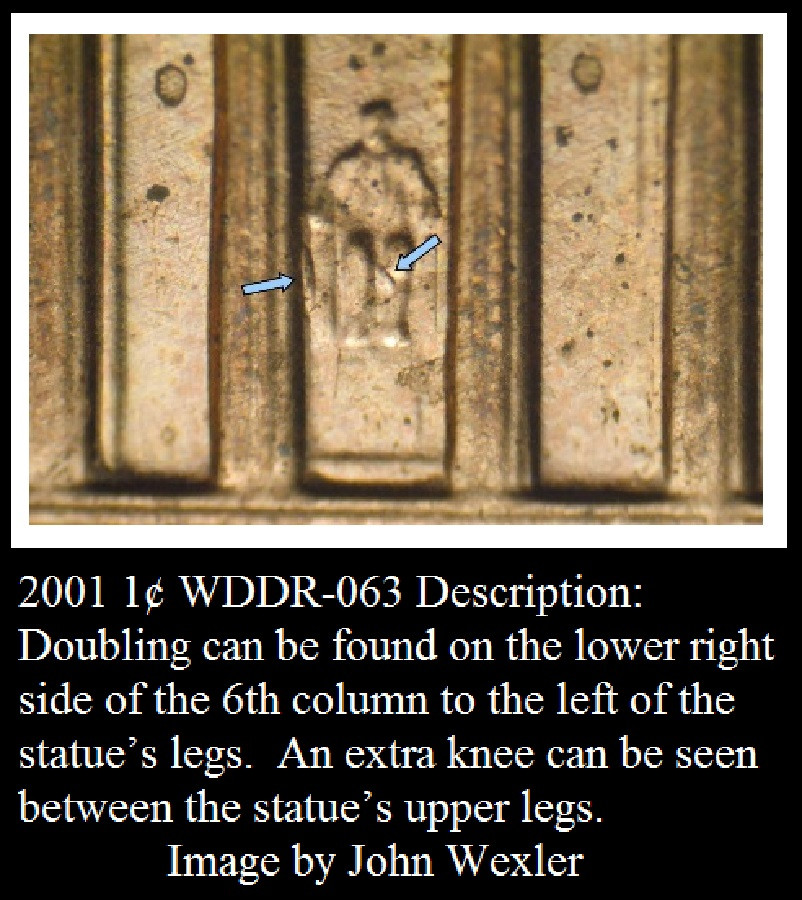
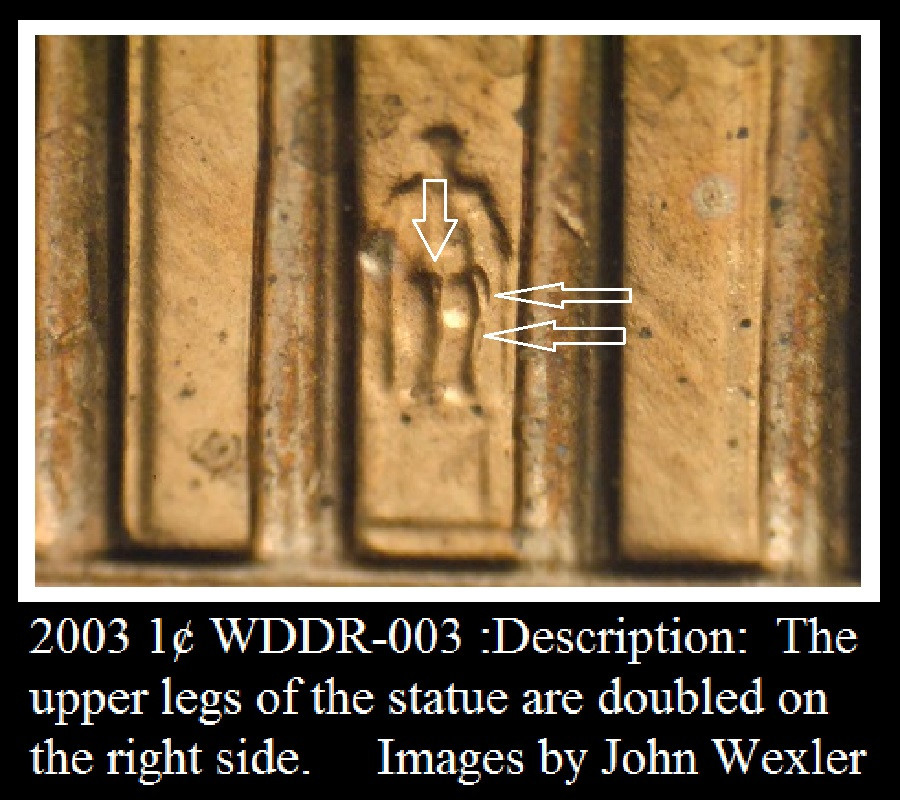
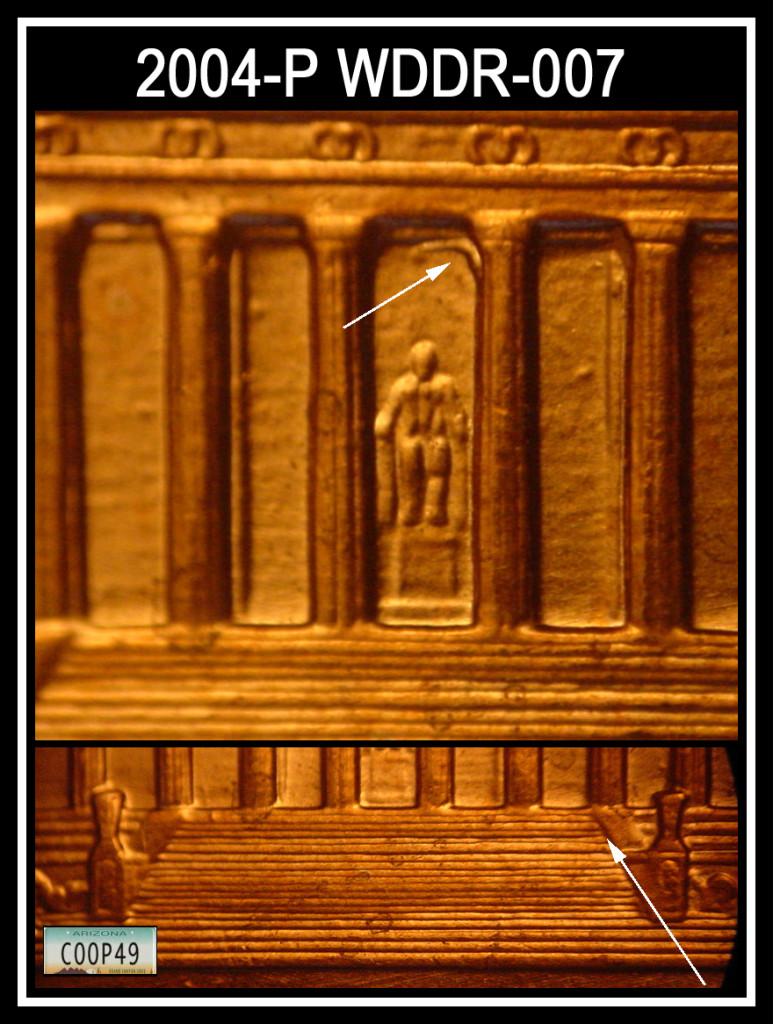
4-6-7 of coops pics are mine  Just a note: Quote:
with extra material on one of the columns no extra, the coin will weigh the normal weight. Most of the BOC cents are on column 7 then 6. The "extra" body parts ones are harder to find. John1 |
|
Pillar of the Community
United States
3237 Posts |
@John Kind of a nit-pick, no? People use "extra material" to refer to Cuds even though there is technically no "extra material" there either. In fact, with the exception of rolled thick and wrong planchet errors, there's *never* extra material. |
|
Moderator
United States
56855 Posts |
@SamCoin: Newbies need to know the "facts". Not nit-picking. U.S. 1¢ pieces are not pennies either  John1 Edited by John1
03/17/2021 4:43 pm
|
|
Bedrock of the Community
United States
62064 Posts |
Unless you got a piece of die on the coin: 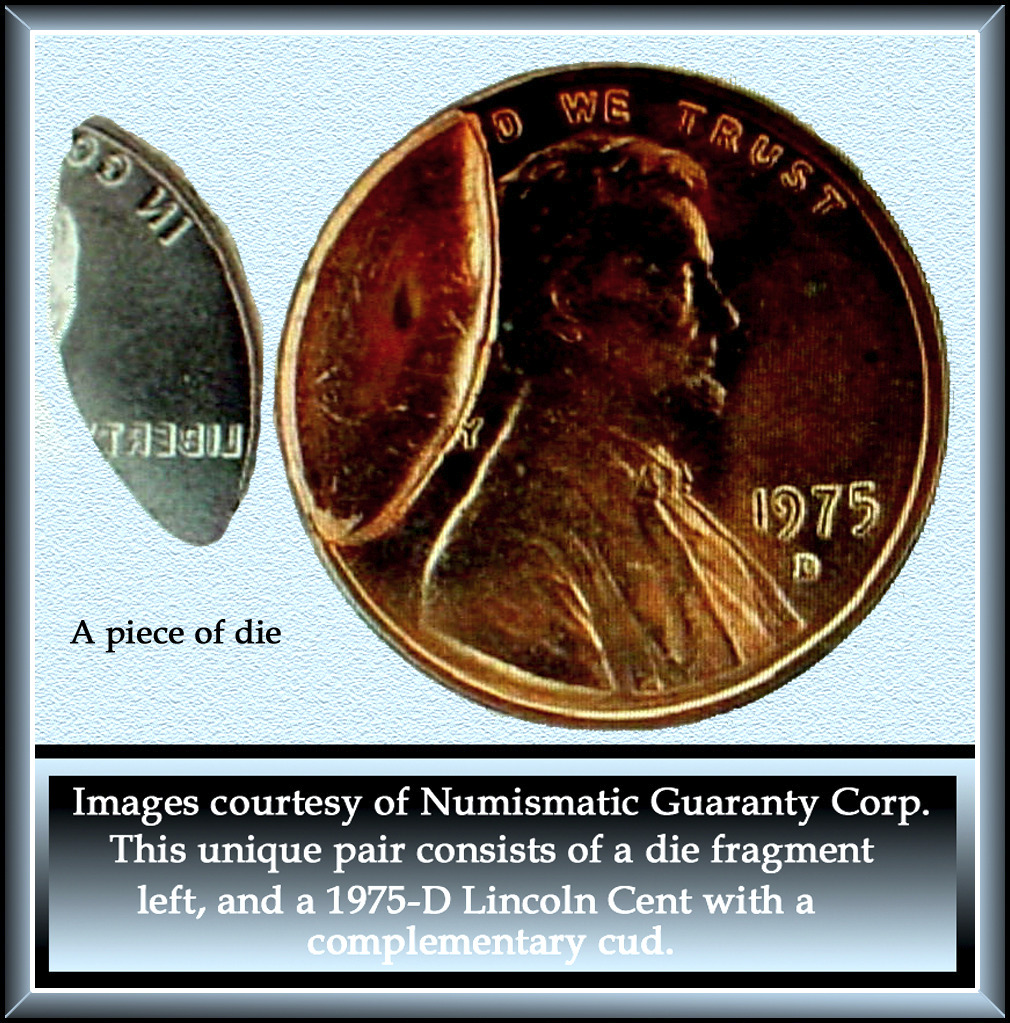 |
|
Pillar of the Community
United States
3237 Posts |
Wow, that is a crazy one, Coop! Love it.
|
|
Bedrock of the Community
United States
62064 Posts |
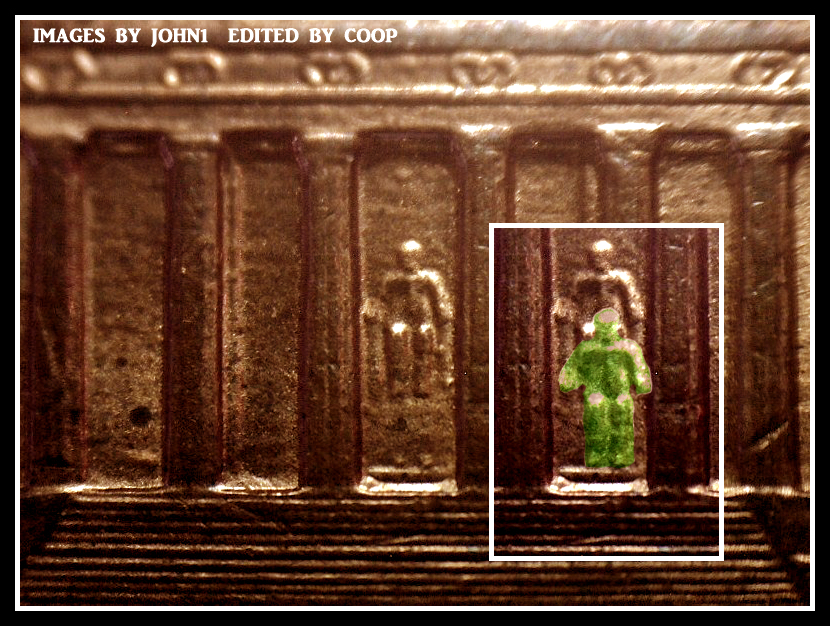
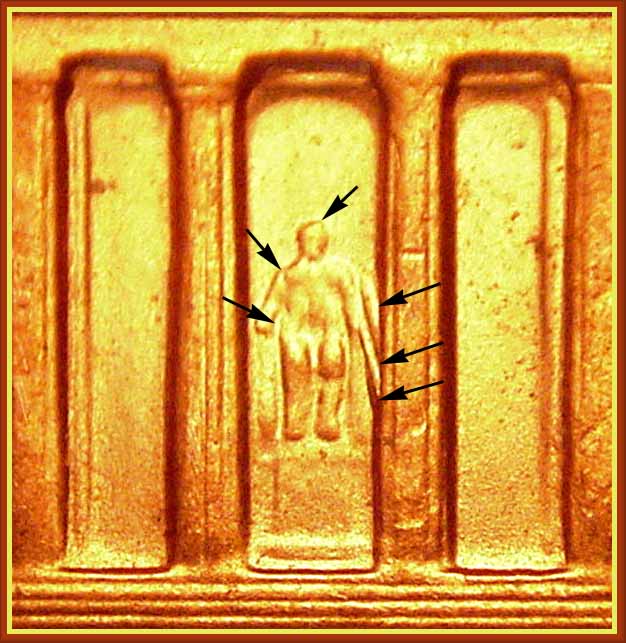
Going through my image files, I was transferring them to disks. But going through them, I found an image I had forgot about wondering that I even had it. But I edited it to show how much the alignment can be incorrect during the die creation process of the single squeeze dies. So I added the information and decided to add this information to the threads that alreay exist to keep things a little closer at hand and here is the information:  |
| |
Replies: 12 / Views: 2,453 |
|







 Posted 03/16/2021 5:30 pm