The most recent Sierra Leone coin in the Krause catalogues and on the NGC database is dated 2012. I suspect they simply don't have any on-the-ground knowledge about more recent coins.
In 2012, Sierra Leone was at peace, with no civil war and an internationally recognized government. This is in contrast to the decade-long civil war of the 1990s which only ended after intervention from British special forces.
Countries at civil war make excellent flags of convenience for bogus and/or semi-legitimate mints issuing "coins", because there's no clear chain of authority that a third party can use to check whether a coin is actually "legal tender" or not. A less-than-ethical mint can get rubber-stamp approval from some rebel government or government-in-exile, and run with that; an outright fraudulent mint can just issue coins with no effort at seeking government authority whatsoever, knowing no-one can verify their legality. This is why there are so many "coins" issued in recent decades in the name of Liberia and Somalia.
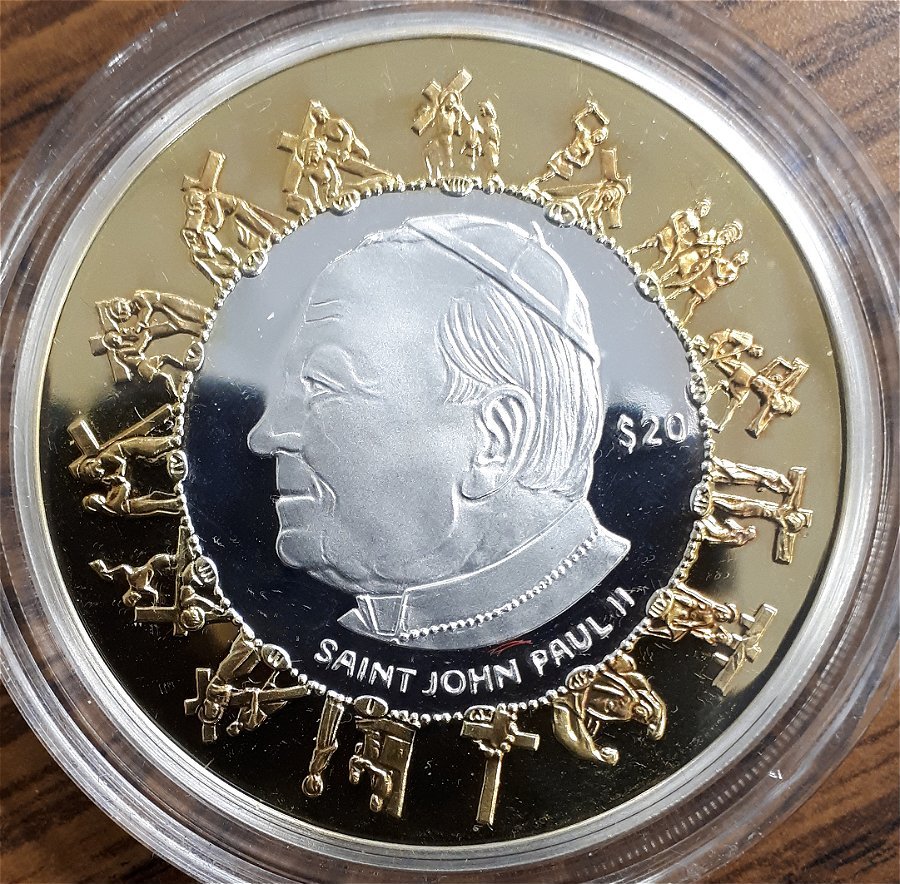
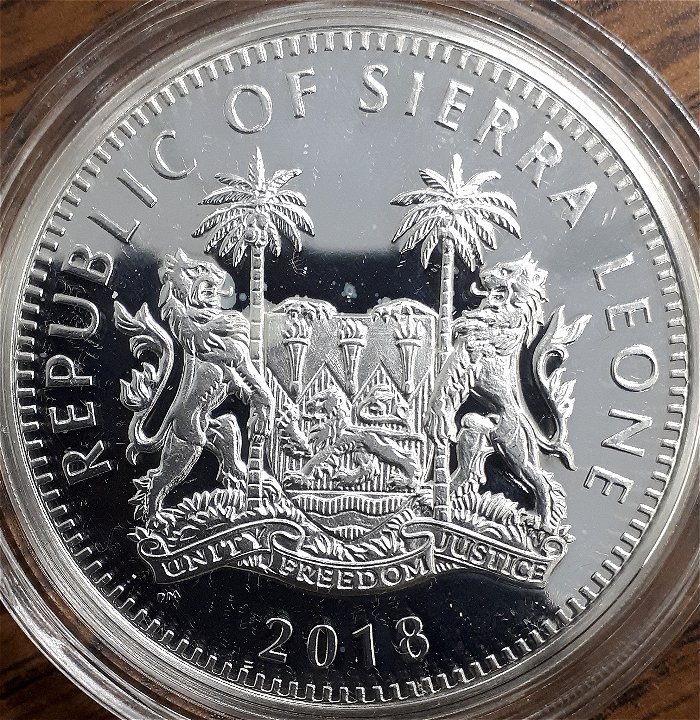
Sierra Leone has been at peace since 2018, and indeed since 2005, but the economy would still be classified as "post-war basket-case", so I suspect in this case, one of those shadowy mints might have put this coin out, to see if anyone notices.
The key indicator that this coin is fake/fantasy is the currency used. Sierra Leone does not use, and has never used, "dollars", or any other currency using the "$" symbol. They use leones, symbol "Le". With a post-civil-war exchange rate of about 10,000 leones to the US dollar, any actual commemorative coins issued by Sierra Leone in 2018 would probably be denominated in tens of thousands or hundreds of thousands of leones.
Yes, this does mean that those $10 2012 Olympics coins listed in Krause/NGC are fake/fantasy, too. And any other dollar-denominated coin listed in Krause or on Numista.
Don't say "infinitely" when you mean "very"; otherwise, you'll have no word left when you want to talk about something really infinite. - C. S. Lewis









 Posted 03/17/2021 10:27 pm





 Excellent clarification (exposing my bad assumption that if Numista lists dollars as a currency for Sierra Leone that this is an "official" currency).


