| Author |
 Replies: 17 / Views: 5,190 Replies: 17 / Views: 5,190 |
|
Valued Member
United States
63 Posts |
|
|
|
|
Pillar of the Community
United States
713 Posts |
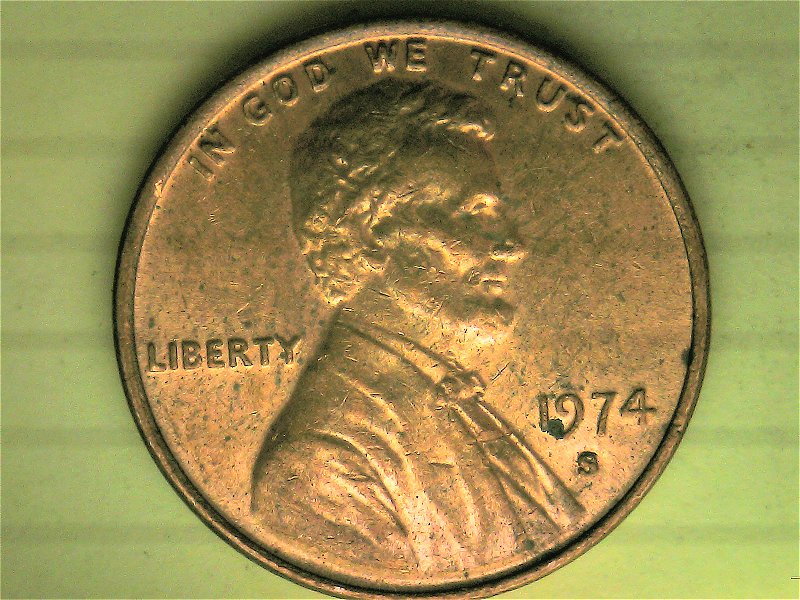
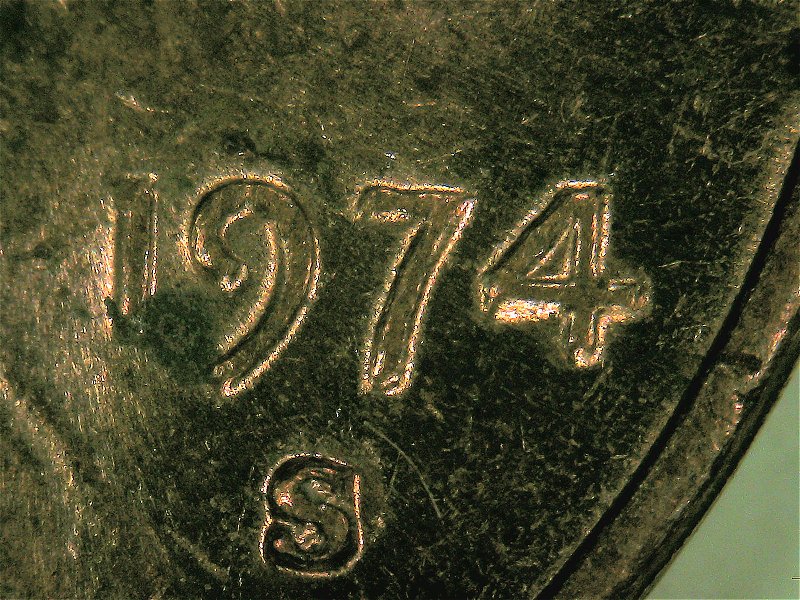
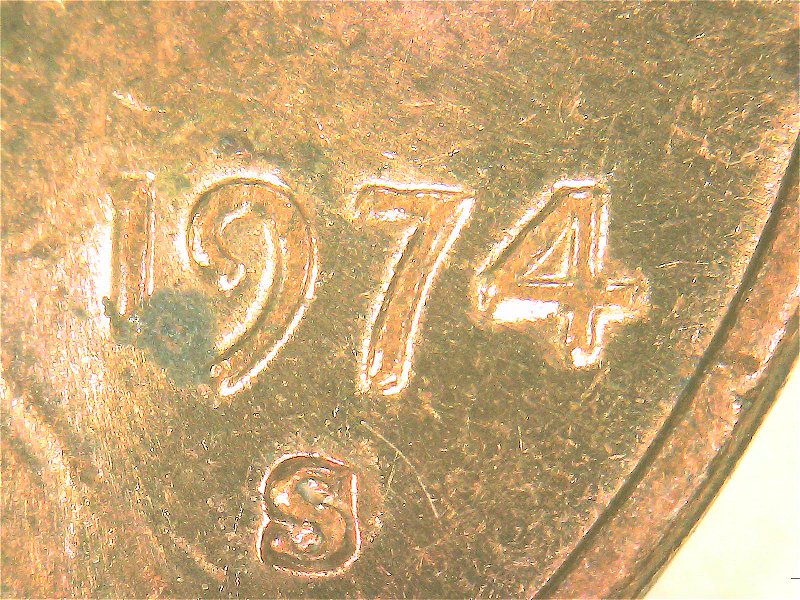
Not seeing any D mintmark and not seeing that any OMMs were listed for that year and mintmark. Has the correct mintmark and location for 1MM-1: http://coppercoins.com/lincoln/dies...ie_state=mds The die looks quite worn and unfortunately looks like a big spot of copper cancer on the date. Clearer pics will definitely help. Good luck with it. Edited by CentSation
03/28/2021 10:48 pm
|
|
Valued Member
 United States
63 Posts |
Quote:
The die looks quite worn and unfortunately looks like a big spot of copper cancer on the date. Thanks CentStation. This is the first time I have heard of copper cancer. I found out it is irreversible. So if I see any signs of copper cancer on a rare coin, is that coin only worth face value? |
|
Valued Member
United States
271 Posts |
Agree that not likely an S/S or even an RPM. What you are noticing astutely appears only on the right side of the mint mark. While nothing is impossible, I would expect to see something amiss on the left side of the mint mark, too, let alone top and bottom.
Stay well,
Diy89Nurm7
|
|
Valued Member
United States
63 Posts |
I thought I was seeing splits in the S on top and bottom like this from coppercoins.com. I may need to get new glasses. 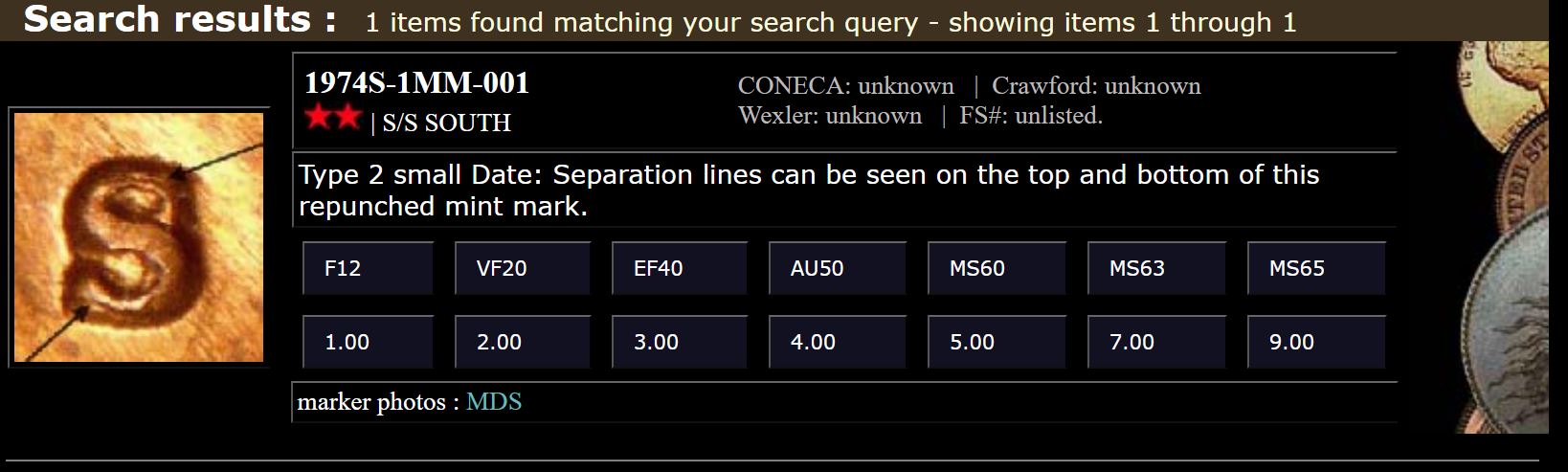 |
|
Bedrock of the Community
United States
10635 Posts |
You are correct. Cooper cancer/zinc rot dooms any post 1982 cent. No cure, sorry.  |
|
Pillar of the Community
United States
713 Posts |
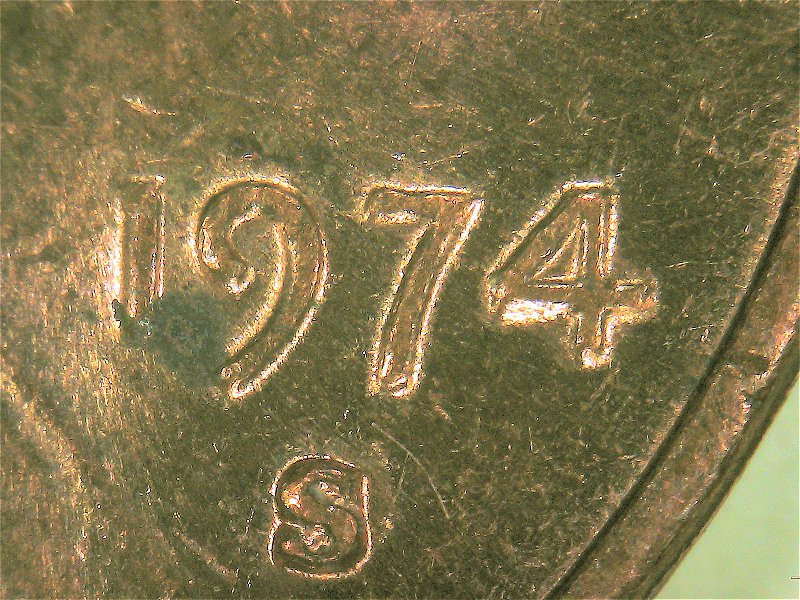
A few things: - I think you do have the only reported repunched MM for the 1974S LMC [congrats] but, better pictures would prove that. I see what looks to be a secondary, the MM position is extremely close and yours looks to be a small date '74 [though that is difficult to prove]. If you see split serifs, then you are probably good. Unfortunately, the coin is dinged up and the 'copper cancer' I referred to is what is commonly/erroneously called a carbon spot and it will eventually cover the whole surface and is [basically] the beginning of the end. Originally you asked about a D/S or S/D, which is an OMM [over MM] - I don't see evidence of that. Edited by CentSation
03/29/2021 7:45 pm
|
|
Valued Member
United States
63 Posts |
Quote:
You are correct. Cooper cancer/zinc rot dooms any post 1982 cent. No cure, sorry. So Copper Cancer only affects post 1982 pennies made with zinc & copper? Does anyone know what the spot on the date between the 1 and 9 is? This is a 1974 S penny and it should be 95% copper according to the date and weight. 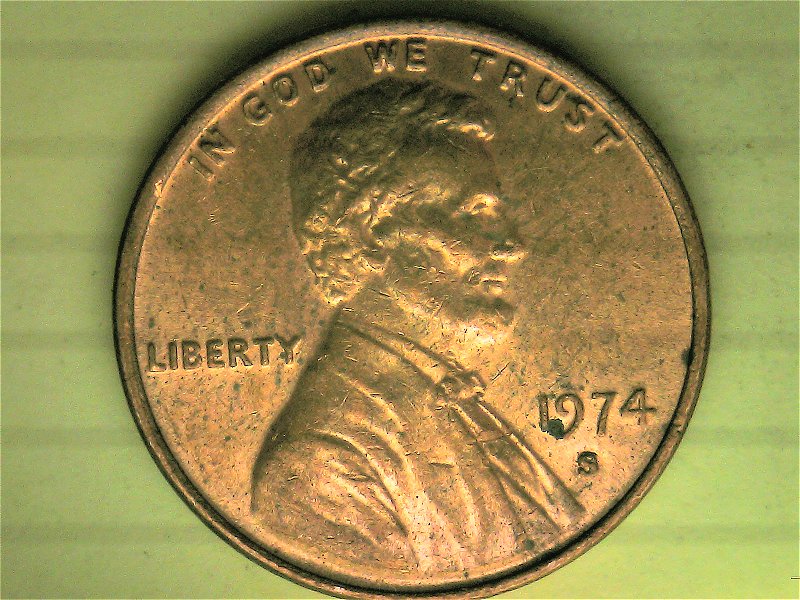 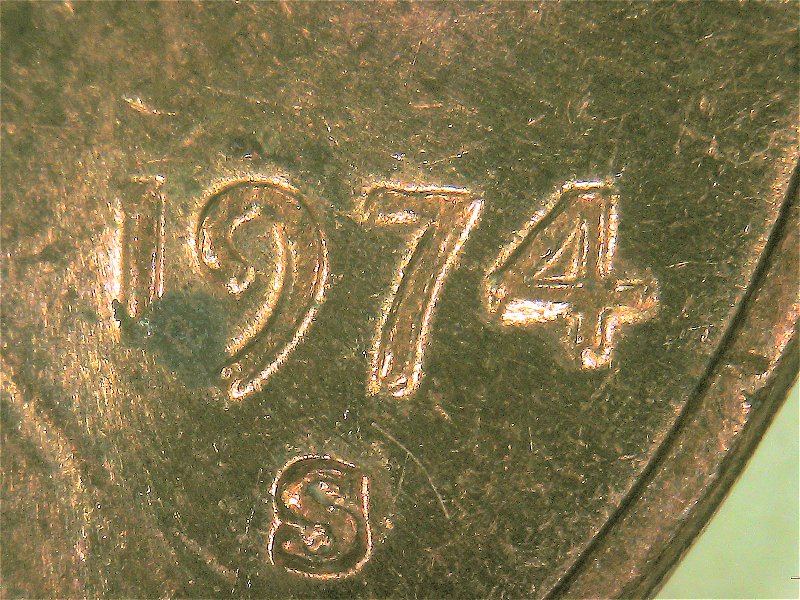 |
|
Valued Member
United States
356 Posts |
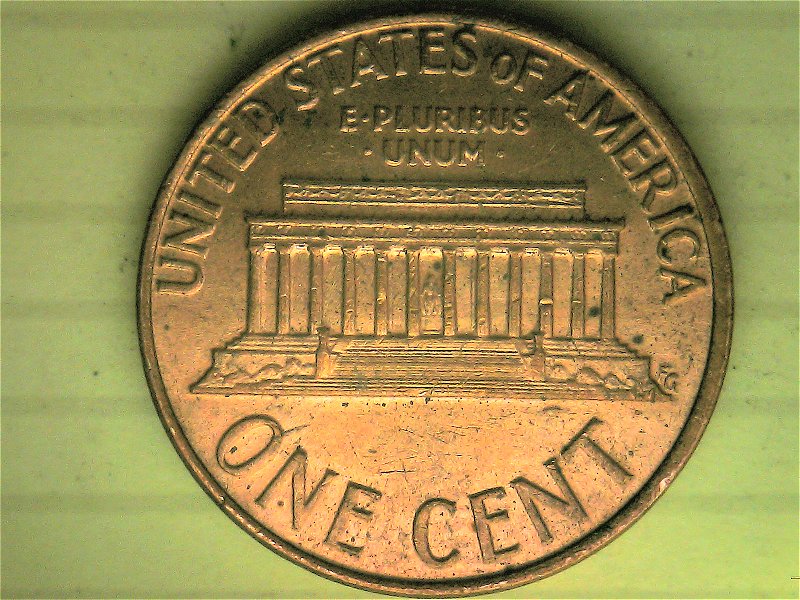
Your coin is definitely a 1974 small date cent. The spot you see on the date is a carbon spot. Your 1974 S Lincoln is a copper coin unlike cents minted after 1982. 1982 was the transitional year when the U.S. mint switched to a zinc core/copper plated cent while at the same time some cents were still being produced in the normal copper composition. I'm not sure how "zinc rot" got thrown into the mix here being that your coin is copper but that does not apply. A carbon spot is what it is but in my opinion is nowhere near as 'fatal' to a Lincoln Cent as zinc rot can be. I have seen carbon spots on copper cents, which can enlarge over time, and I have seen zinc rot consume a zinc core cent pretty bad. With all due respect, I have never seen a carbon spot cover an entire copper cent. You may or may not have an RPM here. Hard to tell from your pics but there is a possibility from what I can make out. If so, it is not the first reported or they would not have an example already listed. "Copper cancer" is a blanket term used for both carbon spots and zinc rot. Carbon spots will be found on copper cents and zinc rot will be found on zinc core cents. |
|
Valued Member
United States
63 Posts |
Scuba1, Thank you for the clarification and education. You made it easy to understand. I have a scope being delivered today. Hopefully, I can figure it out in a week or so and will post better pictures.  |
|
Pillar of the Community
United States
713 Posts |
Edited by CentSation
03/30/2021 8:46 pm
|
|
Bedrock of the Community
United States
62064 Posts |
Just the way the punch looked that year. On the RPM, with a lower angle of light you can see what was going on with the bottom of the mintmark: 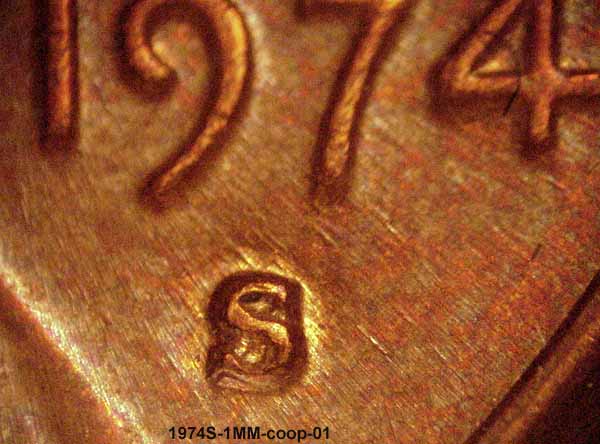 |
|
Pillar of the Community
Canada
6244 Posts |
The spot we see is just the begin of what later will be Verdis, Zinc has nothing to do with. the zinc on this alloy was use just to give more resistance to corrosion but is not word end protection. I like the term "copper cancer", the verdi is a copper oxide which has the form almost identical with cancer cells or tumors.
Is just damage because cleaning those points or the oxide let holes and traces.
|
|
Bedrock of the Community
United States
10635 Posts |
I wish to clarify something from an earlier post in this thread. Some posters like to do a "deep dive" things that really don't need such involved surgery. But once the damage is done, things sometimes need fix'n. I responded to the OP question about "Copper cancer", a term not usually used much in numismatics. The term "cancer" is a very vague term that can mean many things. In an earlier post, "copper cancer" was used to describe "carbon spots" then the question was asked if that spelled doom for a coin. I jumped in saying, "Cooper cancer/zinc rot dooms any post 1982 cent. No cure." I should not have thrown a date to confuse things, since the original coin being asked about was a 1974 cent. I was lumping all copper aliments together. Please forgive me. So to clarify things, allow me to spell everything out. Carbon spots = copper cancer. Zinc rot = copper cancer Verdigris is a corrosive, and in metallurgy circles is known generally as copper cancer. Verdigris is nearly impossible to remove as it eats into the coin's surface and will spread assisted by a damp environment. A carbon spot on a coin the "spot" is there forever and will leave a pit that actually grows deeper over time. They are called carbon spots because many times they are formed from carbon in the air or mishandling. Carbon spots CAN spread from a small spot to one that can cover the entire surface of a coin given the right conditions. Zinc rot is a destructive intercrystalline corrosion process of zinc alloys containing lead impurities. Zinc rot is an irreversible process that makes the coin's surface brittle and will eventually enlarge and shatter the coin, destroying it altogether. Again, my "error" was to lump all these coin aliments, all these "Cancers" together. There is a near impossible chance you can get "zinc rot" on a pre 1982 cent, but from '62 to '82 Lincoln Memorial cents had a composition of .950% copper and .050% zinc, so you'd have to ask a Metallurgists that question. And yes, you CAN have carbon spots on post '82 coins, so you can see where it is easy to confuse and jumbo things up. To summerise, carbon spots and zinc rot are both "copper cancers" Both spell doom if your coin has it. |
|
Pillar of the Community
Canada
6244 Posts |
merclover I like your patience to explain in numismatic term.
For long time I want to compile this extract from the McGill medical school course of Chemistry of the organic and amorf oxidation
Carbon is not involved in these surface finish anomalies and the process is not oxidation (so often described as the chemical
process). The culprit is sulfur and the process is sulphatization.
Carbon spots are found inside diamonds [inclusions from imperfect pressure during formation millions of years ago] ? not on the surface of coins and medals. The proper term in
numismatics should be ? SULFUR SPOTS.
These dark brown to black spots appear on both copper (including bronze) and silver coins (including silver clad).
These are formed, not with contact with carbon, but contact with sulfur from the environment. The sulfur comes from any variety of sources. The curing of rubber, for example, includes
sulfur by vulcanization. Thus rubber should never come in continuous contact with coins and medals.
Sulfur is also used in some manufacturing processes of paper. This is why coins tone in certain paper envelopes. Anti-tarnish tissue is made without any sulfur at all.
Sulphatization is a greater problem for the field of frescos than coins and medals. Here a sulfur atom replaces a carbon atom, physically changing the plaster UNDER the pigments of the
paint. In numismatics at least our sulfur problem is on the surface of the metal, where it can be treated.
More evidence is color. When carbon reacts with copper ? as copper carbonate ? the resulting substance is blue-green! Not brown-black.
Here is an experiment you can do yourself to prove the villain is sulfur, not carbon. Take any uncirculated coin, bronze or silver. The commonest source of sulfur for most people in
daily life are elastic rubber bands where sulfur was used in its manufacture. Place the coin on top of the rubber band so it stays in physical contact undisturbed for weeks at a time.
After months you will see a black line where the continuous contact was made, the sulfur reacted with the copper or silver to form copper sulfate, or silver sulfate.
Do something similar with carbon. Place in contact with an uncirculated coin any form of carbon ? diamond, coal, pencil lead ? and leave for the same time. Nothing will happen!
Try to speed up the chemical reaction by introducing oxygen, water, heat, pressure or whatever. It will still yield the same result, nothing.
In the finishing of high relief medals, as applying a ?French finish,? sulfur is the good guy. An active chemical containing sulfur is used to purposefully apply a darkening to the surface
of bronze or silver medals. With the use of ammonium sulfide this takes place in seconds! Medals totally immersed in this chemical must be withdrawn within ten seconds and immediately
washed with water to stop the chemical action!
Thanks for the patience to read. I do not know who wrote this or any kind of copyrights. It is a part of our studies materials in that time.
Edited by silviosi
03/31/2021 05:43 am
|
|
Valued Member
United States
63 Posts |
Such a wealth of information. Thank You all for responding.
|
| |
Replies: 17 / Views: 5,190 |










 Posted 03/29/2021 1:23 pm


