PCGS - Collecting coinage of the crusades has long been a field enjoyed by few U.S. collectors with many of the circulating types of the era unknown or unavailable to the masses. In recent years through the discovery of additional coin hoards and the growth of the internet, the series has been made increasingly accessible to the general public. The affordability and character of many of these pieces and their associated history makes this a fun and unique series in medieval coinage.
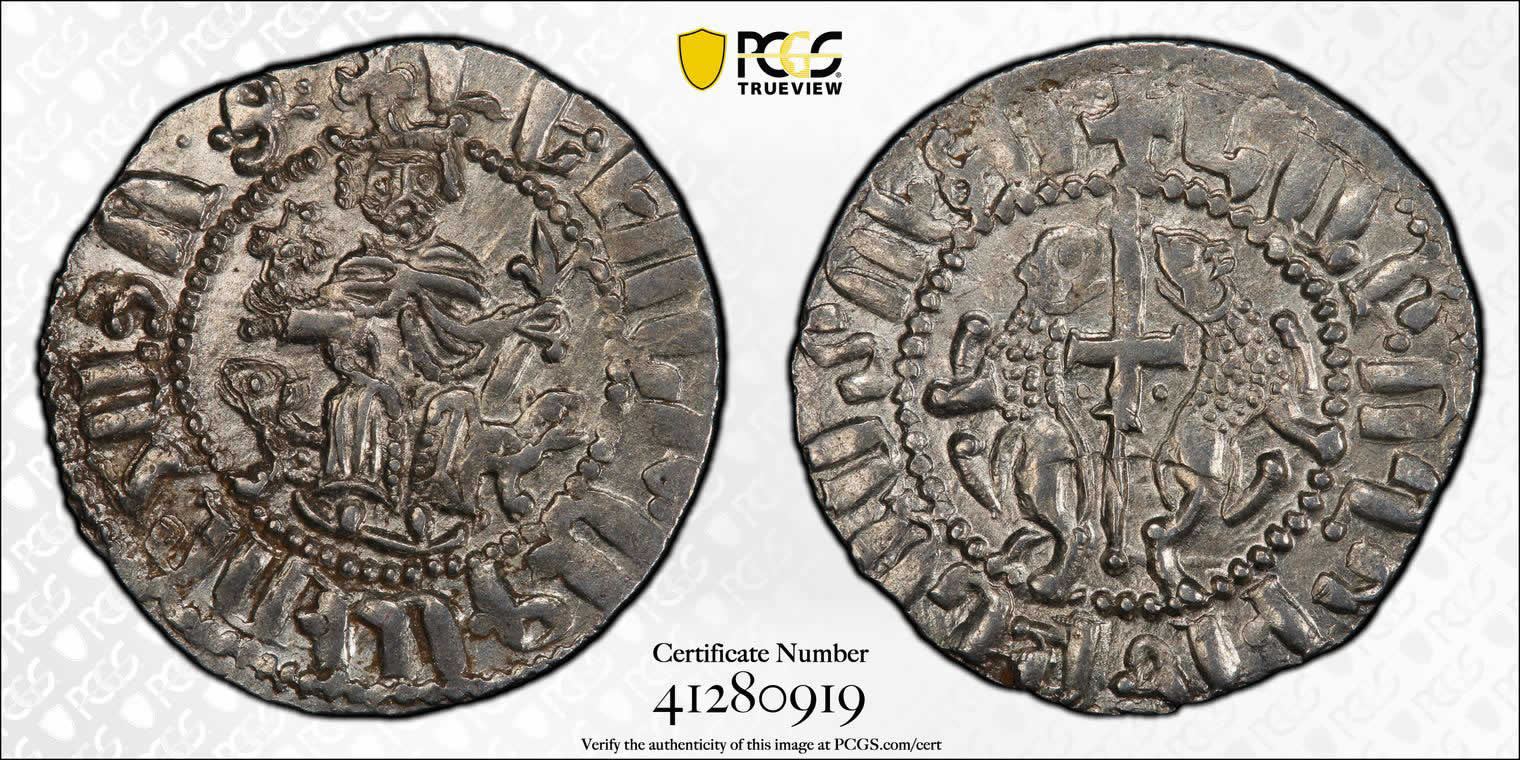
Coins of the Crusades: The Kingdom of Cilician ArmeniaThe coinage of at the founding of the Kingdom of Cilician Armenia is a wonderful series that can introduce many collectors to a variety of themes that are interspersed throughout medieval coinage. Rarely does coinage so thematically capture the zeitgeist of the era of the crusades as the issues of Levon the Magnificent. These coins exhibit magnificent artistic achievement and display many of the advances that arose during that era of coinage. Additionally, these pieces also represent the complex mix of both Frankish and Byzantine Orthodox traditions that would influence the style and nature of the coinage itself.
The coinage of Duke Levon II upon being crowned Levon I as king of Armenia would be some of the more interesting types of the crusades. His coronation caused some issues as the Byzantine Empire had viewed the Armenian Dukes as vassals and were considered an independent Armenia as an act of treason. His reign saw many victories against the Crusader States and Byzantium, helping him solidify the area as an independent nation. His issue of commemorative coins to benchmark many of his personal victories are even more interesting as well as the variety of denominations and their uses in the Armenian realm. Most of the coins discussed in this series are affordable to most collectors and offer a wonderful view into the history and legacy of the Crusades.
The Medieval Armenian EconomyCilician Armenia would be a unique addition to the crusader states. Founded mostly by exiles of eastern Anatolia fleeing war and persecution by the Islamic Caliphates, many refugees were invited by the Byzantine Emperor to settle along areas of the Adriatic coast. These refugees gradually became vassals of the Byzantine Empire and grew close adopting many thematic and religious practices of their benefactors in Constantinople. Their coinage reflects some Eastern Orthodox influence while also maintaining some Armenian tradition. The crest of the house of Rubenid Dynasty, a rampant crowned red lion facing left is featured on nearly every issue of the series. The historical ties of the Armenians' existing areas of ultimate control also became the prominent feature of many Greek Orthodox crosses in the series coinage.
Levon I would preside over the founding of the one of the Crusader States. The Kingdom of Cilician Armenia would herald the coming of one of the most important and wealthiest Kingdoms during the era. Crowned by Papal assent on January 6, 1199, Levon I immediately set out to establish a proper coinage for his kingdom. The land that he had
inherited from his father had been enriched by fighting as mercenaries for the Holy Roman Empire during the Crusades, leaving the newly crowned king with great stockpiles of Silver to begin striking coinage.
The Circulation Issues of Levon IAE TankThe issuance of large-scale copper coinage was rare in the Middle Ages. Few states had the resources or infrastructure besides Byzantium to warrant the energy and administration of tasking die engravers and minters to produce large scale copper issues. Armenia during the reign of Levon I was able to support the issuance of large-scale domestic copper coinage like that of the Byzantine Empire. The ability to support the issuance of these coins tells us that it likely that the kingdom was relatively prosperous with a strong and diverse peasantry able to use coinage for everyday transactions.
The obverse of the Copper Tank features a crowned lion surrounded by Armenian legends and a series an outer perimeter border to prevent clipping. The reverse of this coin features an Orthodox cross centered with two small stars in the field possibly representing the recognition of Levon's kingdom in both the land of Eastern and Western Christendom. This issue is generally affordable to most collectors with a decent Very Fine running in the realm of $60 to $100.
 Read the Entire Article









 Posted 04/02/2021 4:59 pm


