Coin Community Family of Web Sites Join Thousands of Coin, Bullion, & Money Collectors
Join Thousands of Coin, Bullion, & Money Collectors 300,000 items to help build your collection! Specializing in Modern Numismatics Shop for APMEX Bullion on eBay!Coin, Banknote and Medal Collectors's Online Mall Royal Canadian Mint products, Canadian, Polish, American, and world coins and banknotes. Vancouvers #1 Coin and Paper Money Dealer


Username:
Password:
Save Password
Forgot your Password?


This page may contain links that result in small commissions to keep this free site up and running.

Welcome Guest! Registering and/or logging in will remove the anchor (bottom) ads. It's Free!

Small Study Of And Questions About Early Talers

To participate in the forum you must log in or register.
Author Previous TopicReplies: 5 / Views: 2,137Next Topic  
Pillar of the Community

United States
684 Posts
 Posted 04/03/2021  9:15 pm Show Profile   Bookmark this topic Add Westwood Arms to your friends list Get a Link to this Message Number of Subscribers
I was looking at early European Talers focusing on diameter. Four examples were examined to try to figure out if the blanks or planchets were rolled, stamped, and trimmed, or if the blanks or planchets were pre-cut and stamped. The diameter of four coins were measured as follows:
1. top to bottom
2. left to right
3. 10 o'clock to 4 o'clock
4. 8 o'clock to 2 o'clock
The greatest variance of diameter and the orientation are noted below:

Small-Study-Of-And-Questions-About-Early-Talers

Small-Study-Of-And-Questions-About-Early-Talers
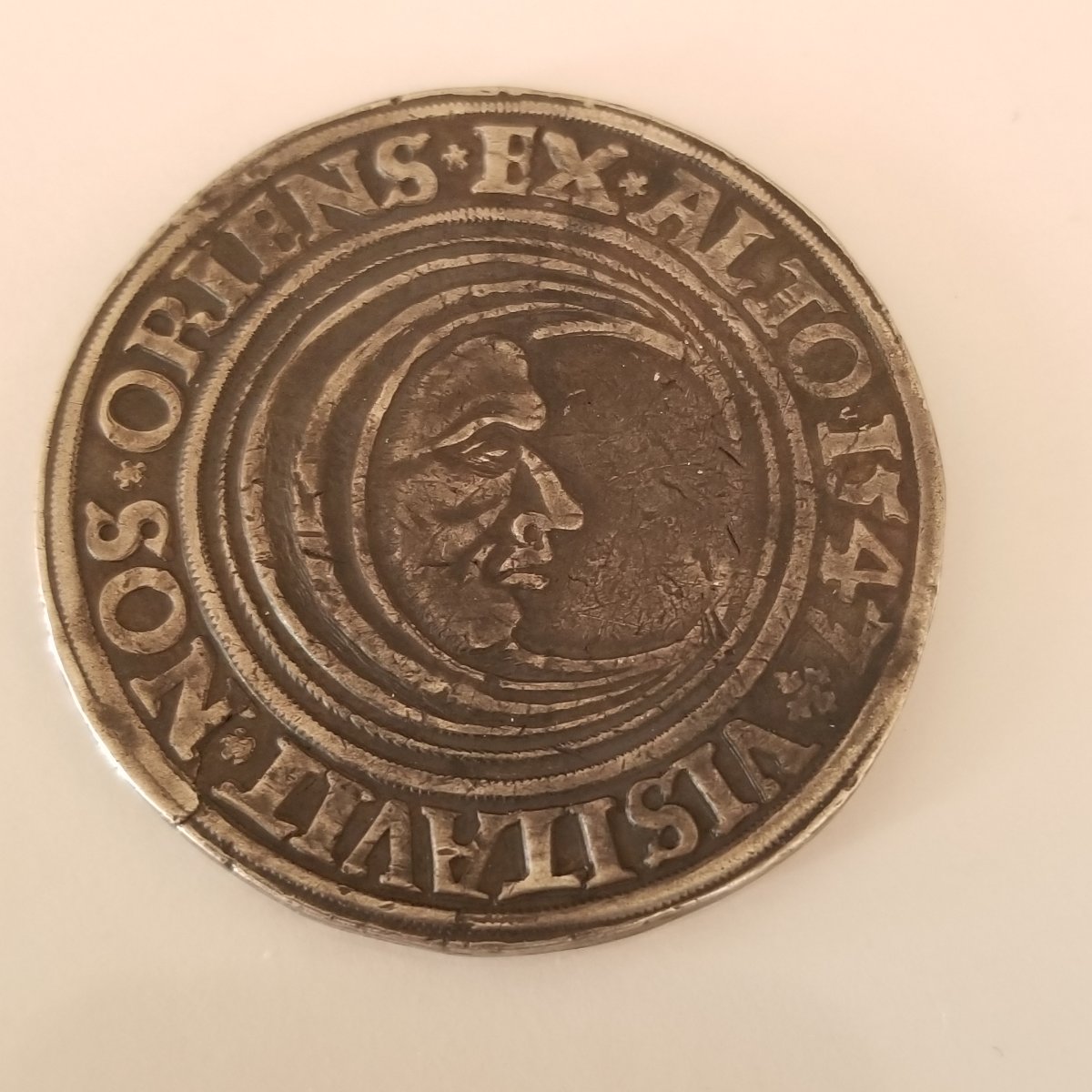
Luneburg 1547 waning moon taler Dav 9419 0.57 mm variance top to bottom, 28.61 gm edge is perpendicular to the surface

Small-Study-Of-And-Questions-About-Early-Talers
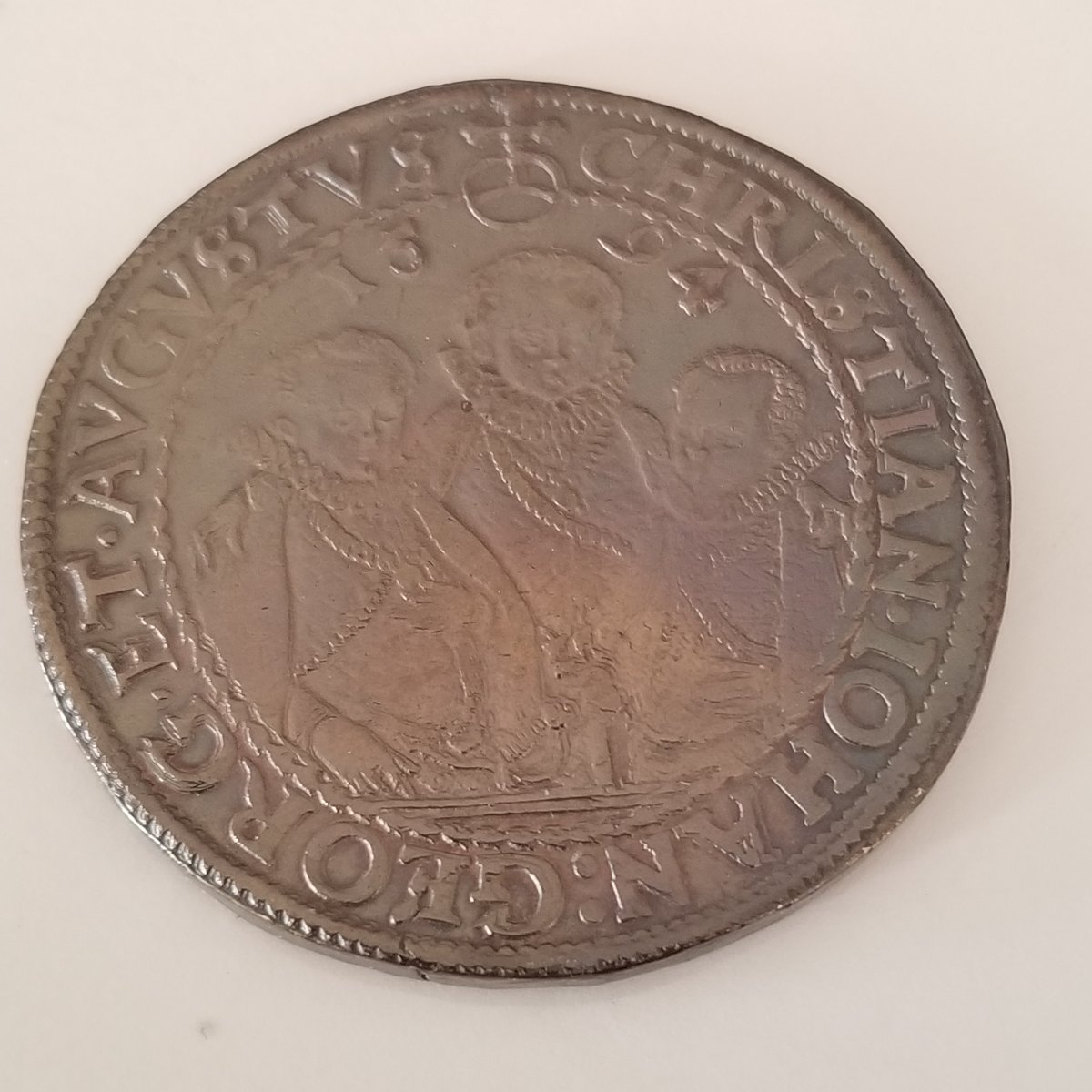
Saxony 1594 3 brothers taler Dav 9820 0.67 mm variance left to right, 29.26 gm edge is perpendicular to the surface

Small-Study-Of-And-Questions-About-Early-Talers
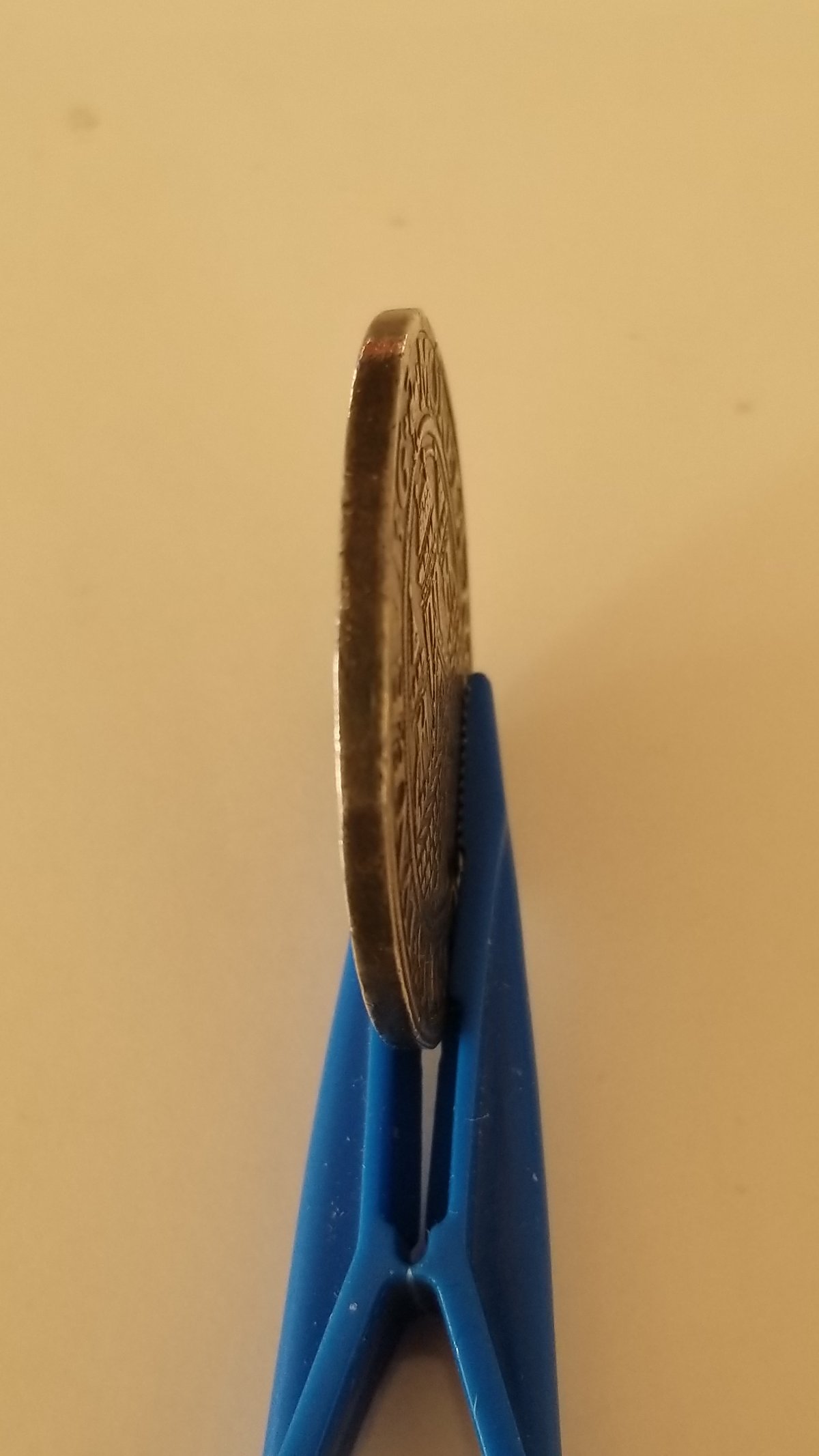
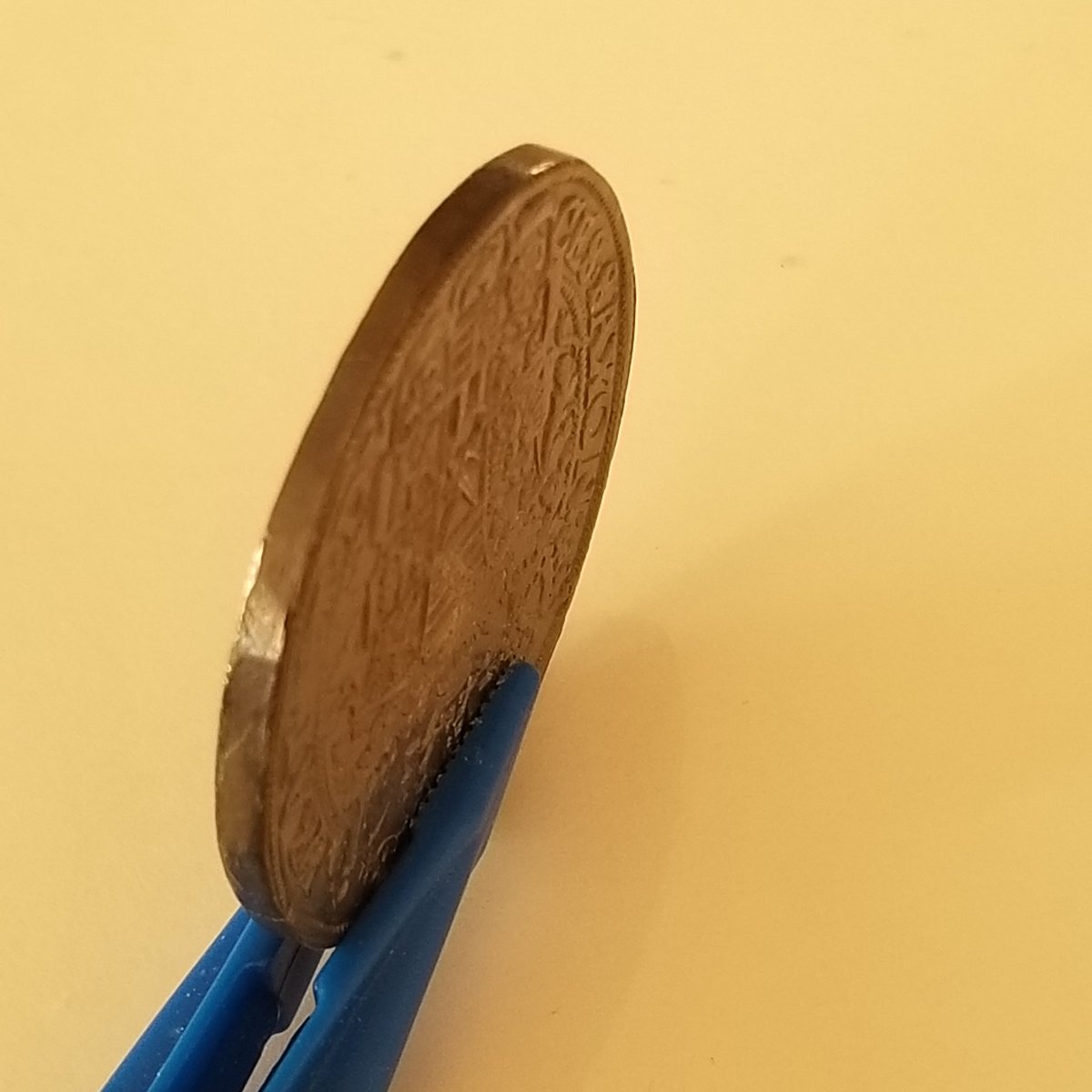
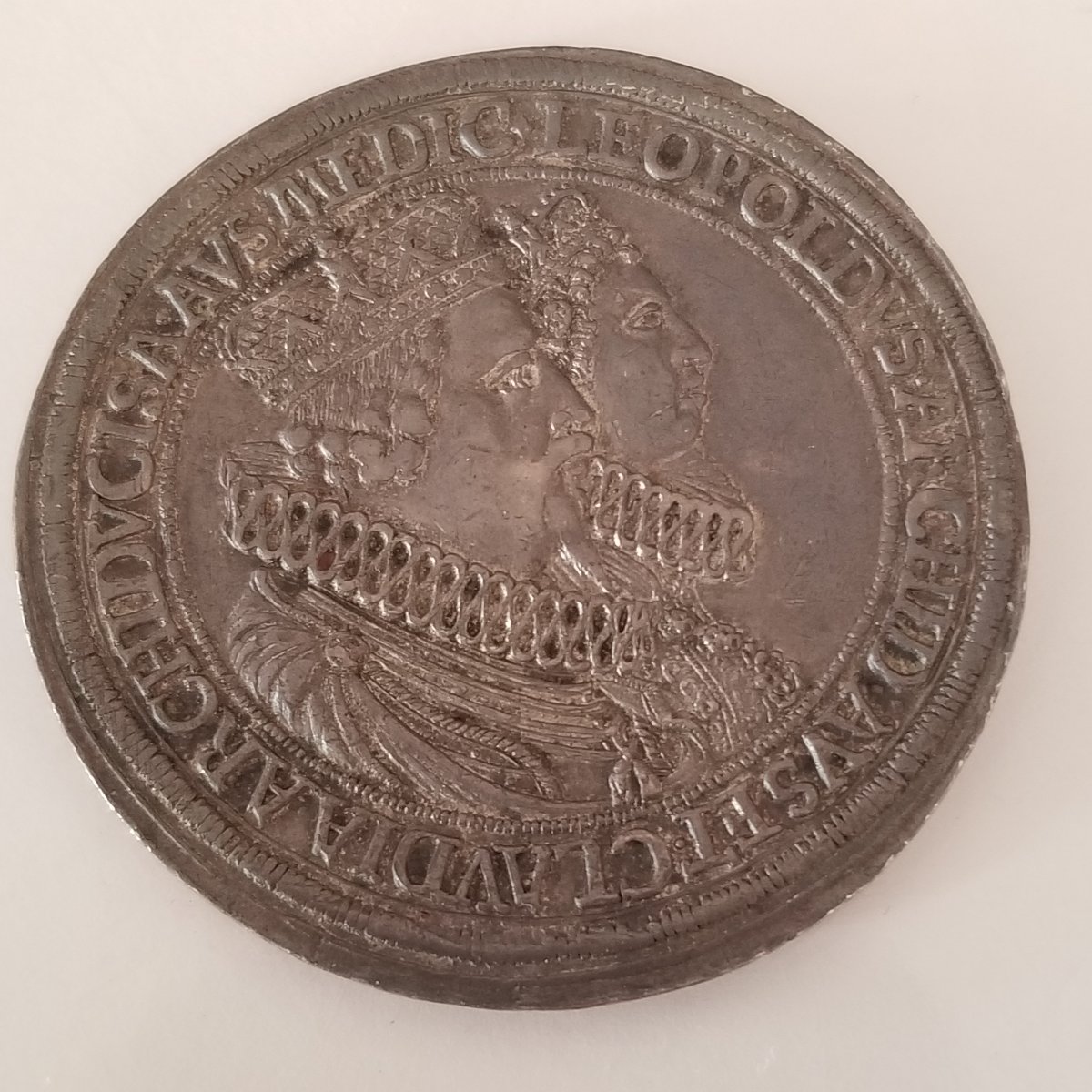
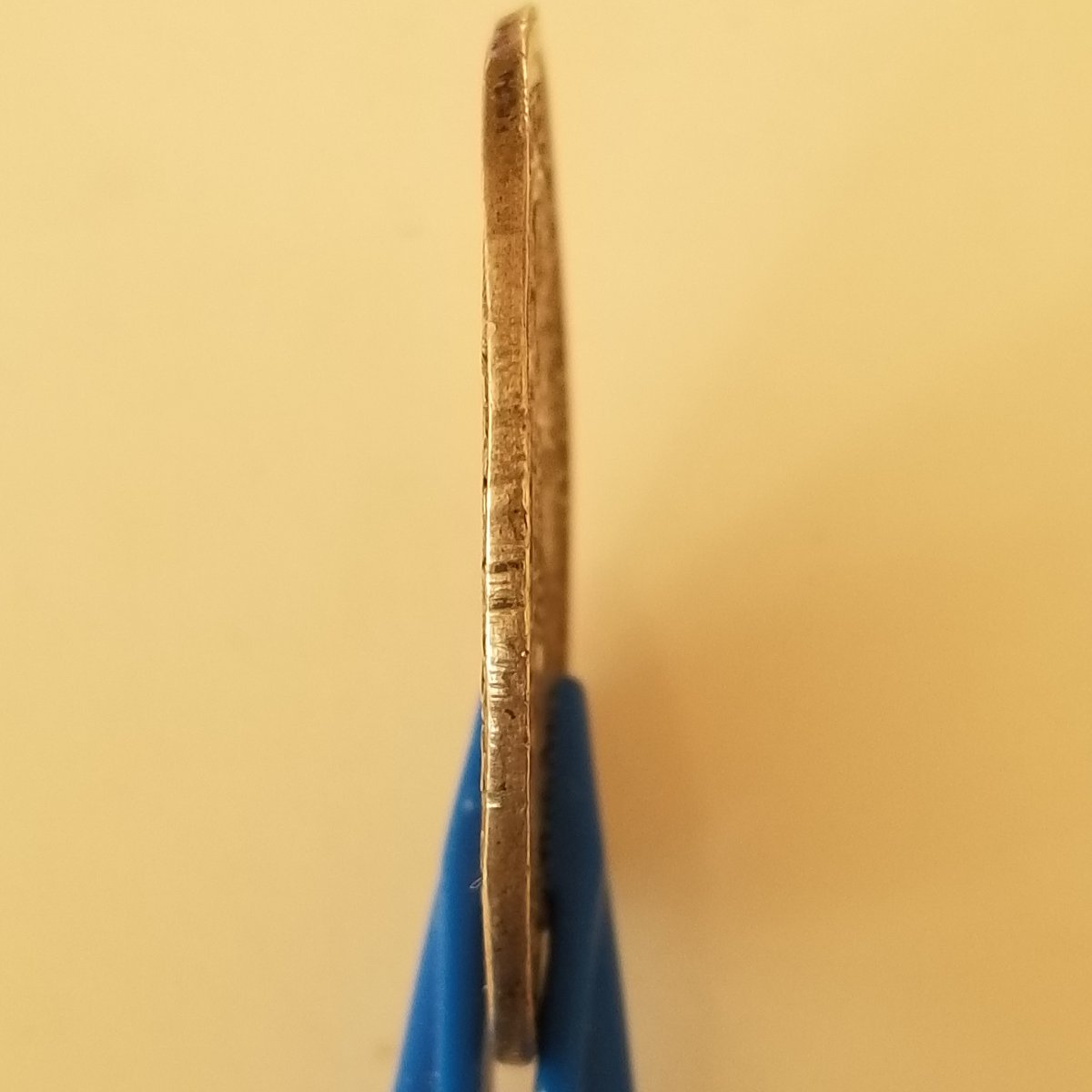
Austria ND (circa 1626) Leopold and Claudia 2 taler Dav 3331 Hall mint 0.23 mm variance 10 o'clock to 4 o'clock, more than 50 gm one edge is slanted from the reverse to the portrait side to the reverse, not perpendicular

Small-Study-Of-And-Questions-About-Early-Talers
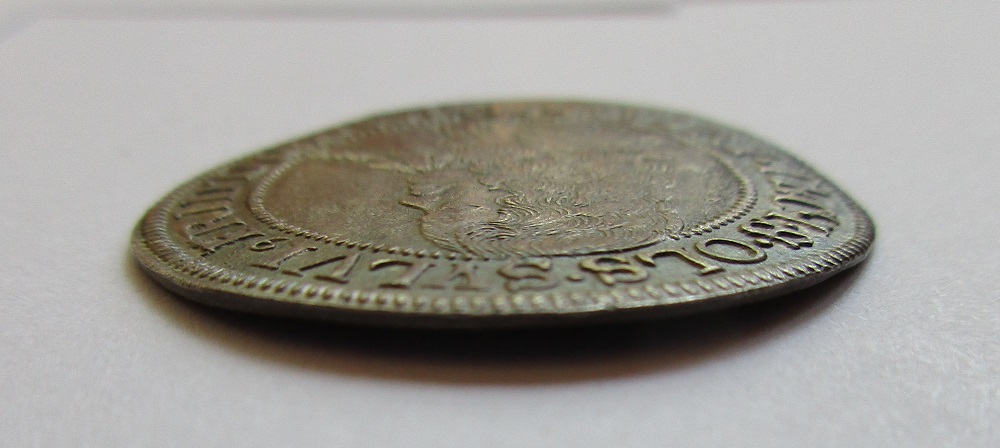
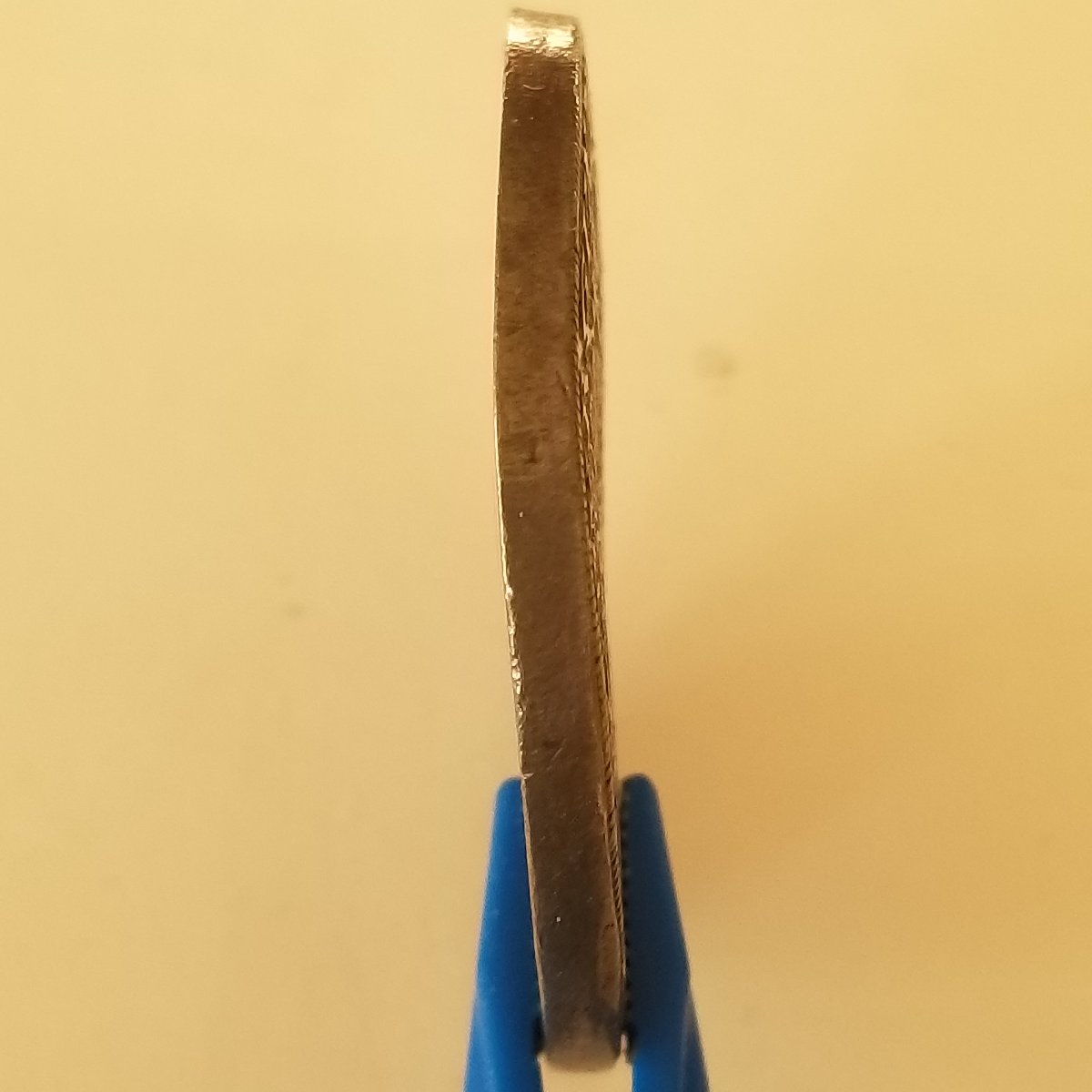
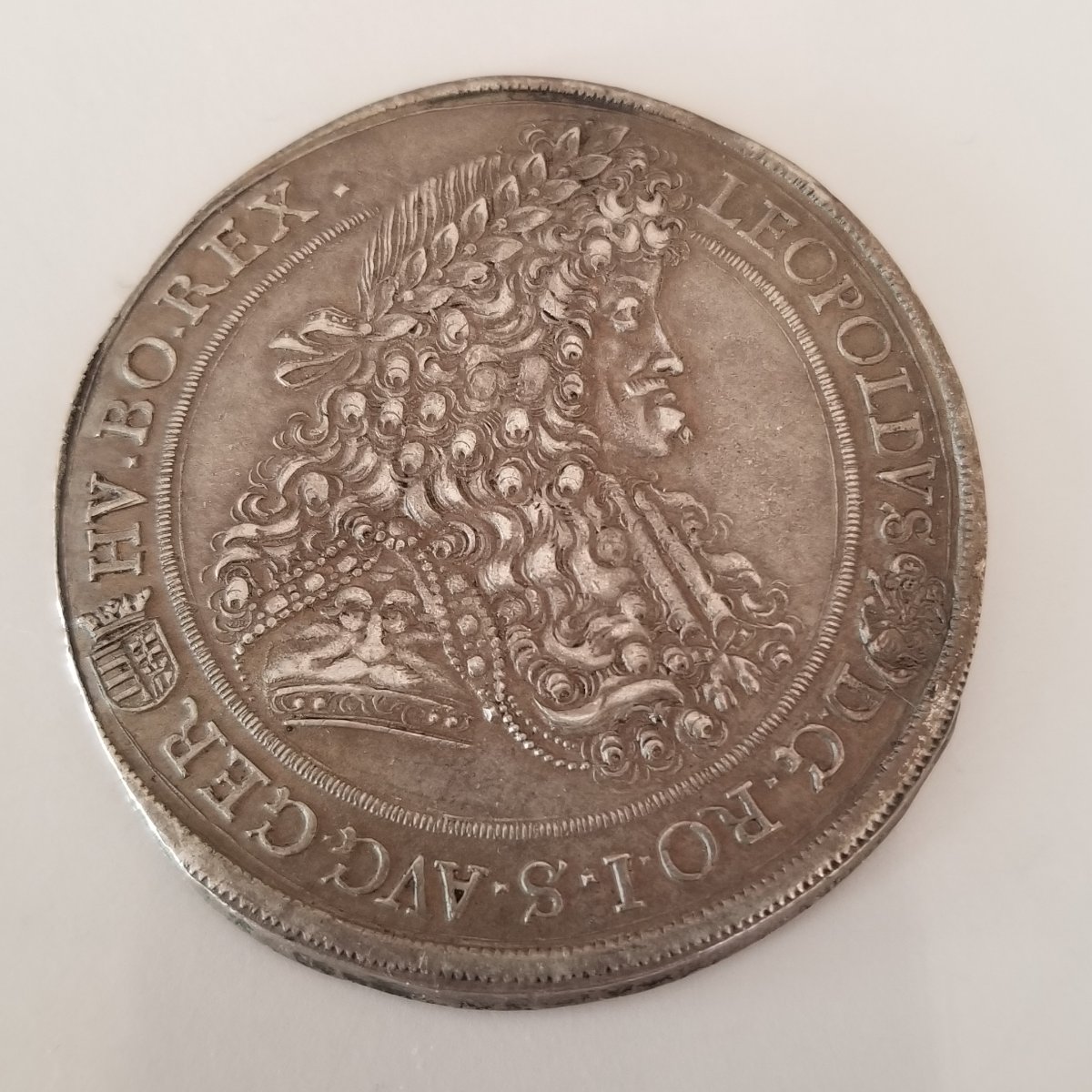
Hungary 1692 hog mouth thaler Dav 3264 0.59mm variance top to bottom, 28.75 gm one edge is slanted from the portrait side to the reverse, not perpendicular

Based on the data, I guess that the 16th century coins were rolled, stamped, and trimmed and the 17th century coins were stamped on pre-cut blanks.

Is this correct?

This guess comes an excellent refence "The Art and Craft of Coin Making" by Denis Cooper. The book is kind of hard to understand, but he says that the punches used to make planchets were conical in that the bottom was wider than the top, allowing the slanted edged blanks to drop from the punch instead having to be forced out.

Also, does anyone know why some of the coins, particularly the 2 taler are almost wavy?


Pillar of the Community
swamperbob's Avatar
United States
5362 Posts
 Posted 04/03/2021  10:40 pm  Show Profile   Bookmark this reply Add swamperbob to your friends list Get a Link to this Reply
I know the Leopold Thaler was a roller strike. I have owned several and they had to be flattened. They seem to always retain some form of bend.

Roller strikes were thinner (out of necessity) than later screw press strikes.

I always wondered just how they were able to engrave the reversed design on the rollers while maintaining the precise depth of the cut.
Bedrock of the Community
sel_69l's Avatar
Australia
21786 Posts
 Posted 04/04/2021  06:42 am  Show Profile   Bookmark this reply Add sel_69l to your friends list Get a Link to this Reply
I am guessing: The roller die was hubbed by rolling over a flat master relief die.
Pillar of the Community
Learn More...
tdziemia's Avatar
United States
7940 Posts
 Posted 04/04/2021  07:54 am  Show Profile   Bookmark this reply Add tdziemia to your friends list Get a Link to this Reply
Nice study, thanks for sharing.

A minor (geometric) point is that if one angle is not perpendicular, then both are not perpendicular (one is obtuse, greater than 90o, and the other is acute, less than 90o by the same amount).

When you say "wavy," do you mean bent/curved (@swamperbob's comment), or more irregular?
I've got some smaller silver from the Hapsburg empire around the same time that's distinctly curved from the roller press (photo below is a 6 kreuzer Silesian coin minted in Olesnica). I am guessing there are several things that could contribute to a hammered coin being "wavy"
Small-Study-Of-And-Questions-About-Early-Talers

Pillar of the Community
swamperbob's Avatar
United States
5362 Posts
 Posted 04/04/2021  2:20 pm  Show Profile   Bookmark this reply Add swamperbob to your friends list Get a Link to this Reply
Just a thought.

Roller dies came after hand hammered dies and before the advent of the screw press. (My belief - if incorrect please advise)

If hubbing was conceptually developed before the screw press was invented - why did it take until the last decade of the 18th century (1790s) to be used with essentially flat dies?

Also if hubbing was used for roller dies why don't we see evidence of that in the form of coins rolled from matching working dies with different unique cracking patterns?
Pillar of the Community
United States
684 Posts
 Posted 04/05/2021  2:52 pm  Show Profile   Bookmark this reply Add Westwood Arms to your friends list Get a Link to this Reply
Thanks to everyone. Another question, could a precut blank be struck with roller presses?

TDZIEMIA, your point is well taken, and I did not properly explain the methodology.

Using Luneburg as an example.
Top to bottom measurement 41.27 mm
Left to right 40.70 mm
10 o'clock to 4 o'clock 41.08 mm
8 o'clock to 2 o'clock 41.09 mm
The greatest delta of perpendicular (+/- a couple degrees) measurements is noted. For this Luneburg coin I noted the variance as top to bottom 0.57 mm. More proper would be top to bottom vs. left to right.

As for wavy I am referring to the not flat surfaces as shown in the edge pictures of the Austria 2 Taler and the Hungary 1 taler.
  Previous TopicReplies: 5 / Views: 2,137Next Topic  

To participate in the forum you must log in or register.


Disclaimer: While a tremendous amount of effort goes into ensuring the accuracy of the information contained in this site, Coin Community assumes no liability for errors. Copyright 2005 - 2026 Coin Community Family- all rights reserved worldwide. Use of any images or content on this website without prior written permission of Coin Community or the original lender is strictly prohibited.
Contact Us  |  Advertise Here  |  Privacy Policy / Terms of Use

Coin Community Forum © 2005 - 2026 Coin Community Forums
It took 0.27 seconds to rattle this change. Forums