| Author |
 Replies: 10 / Views: 4,656 Replies: 10 / Views: 4,656 |
|
|
New Member
United States
24 Posts |
|
|
|
|
Pillar of the Community
United States
1537 Posts |
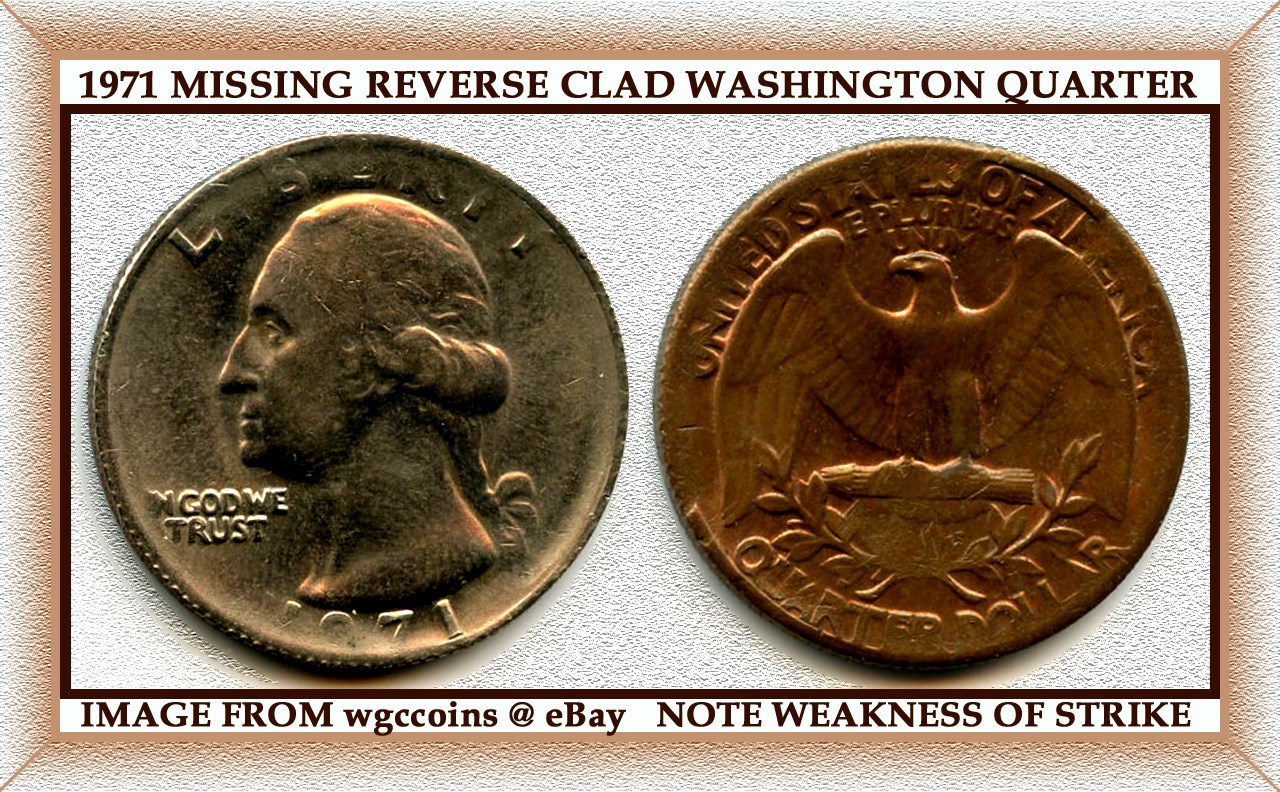
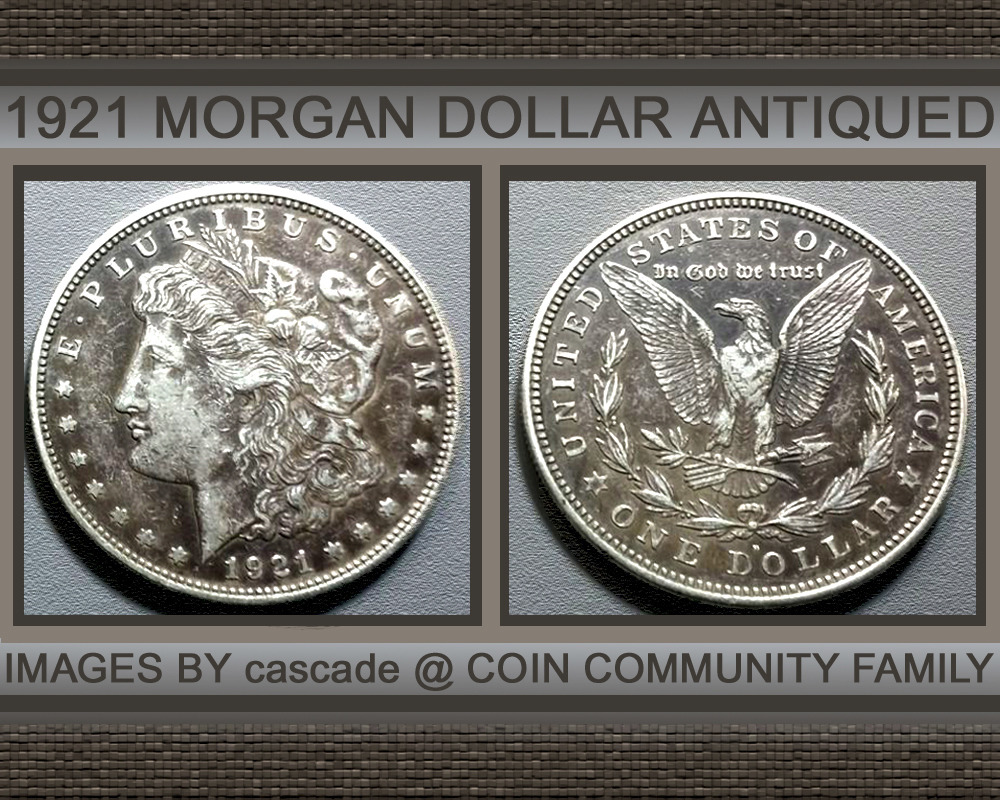
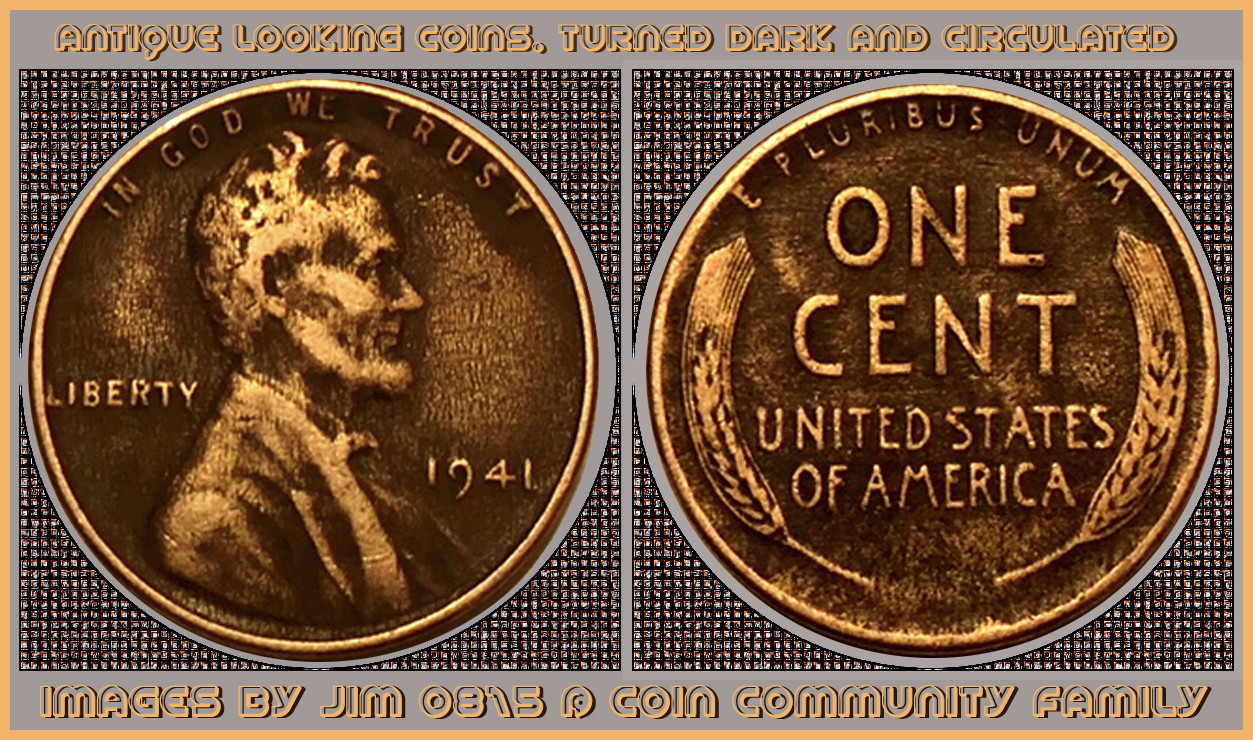
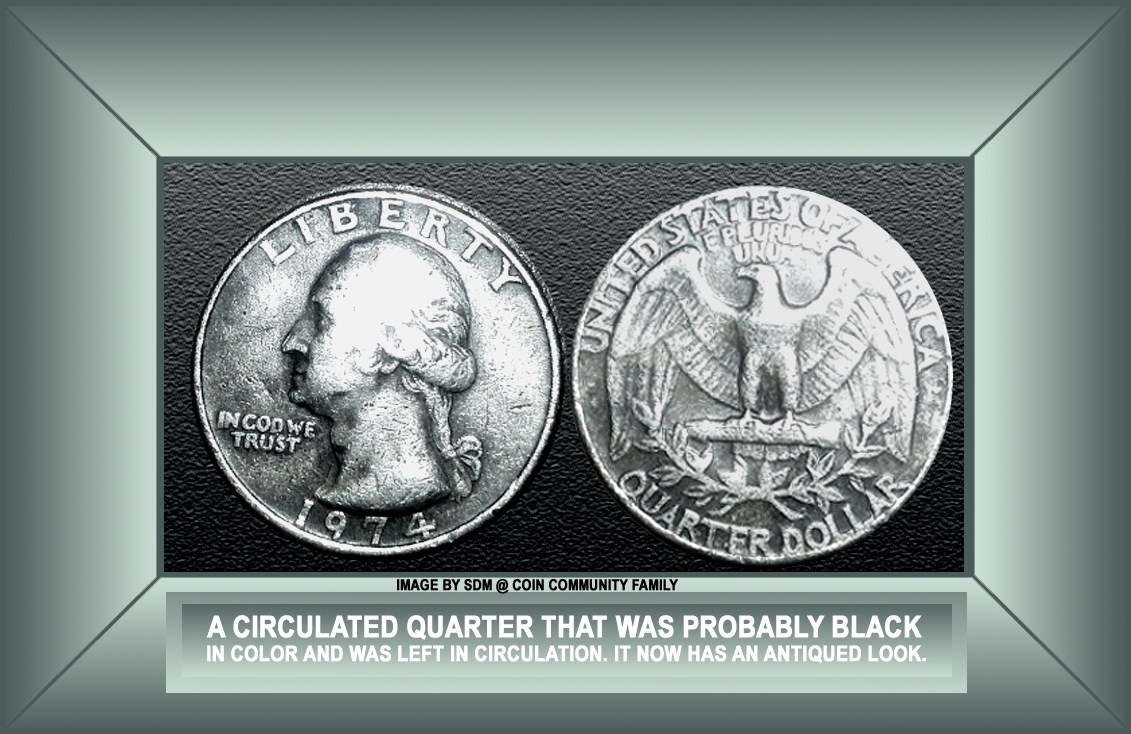
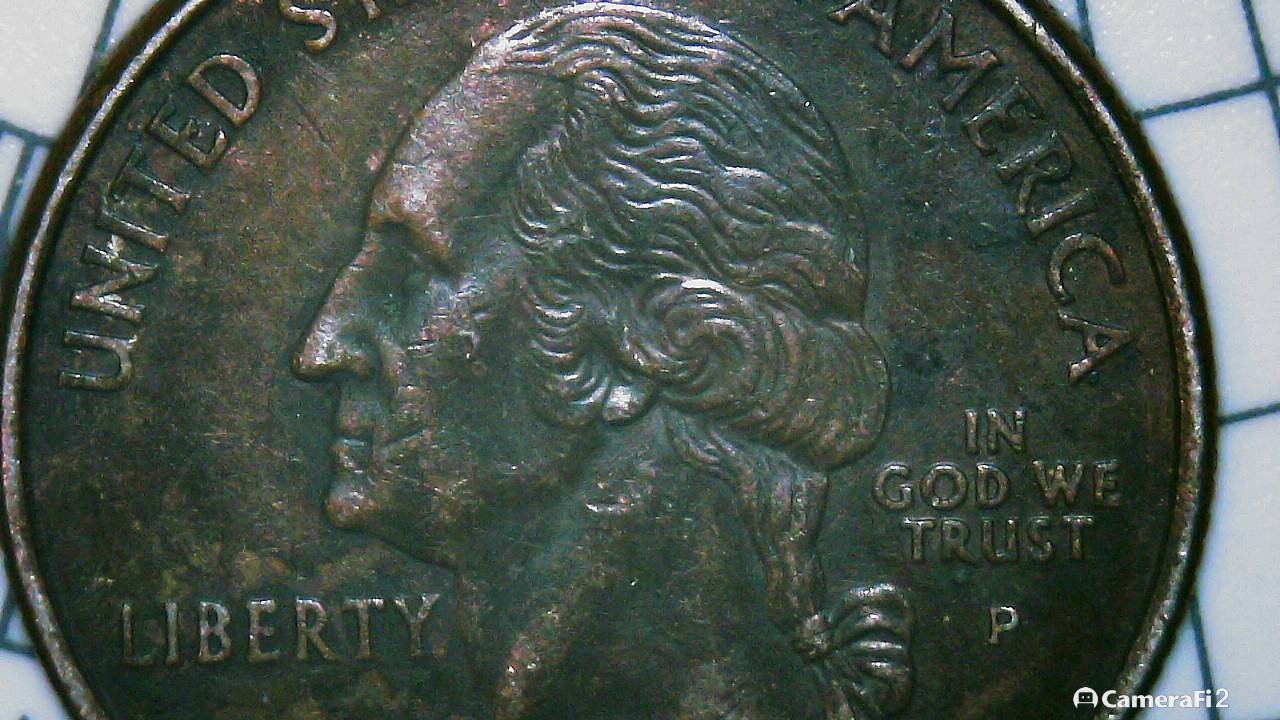
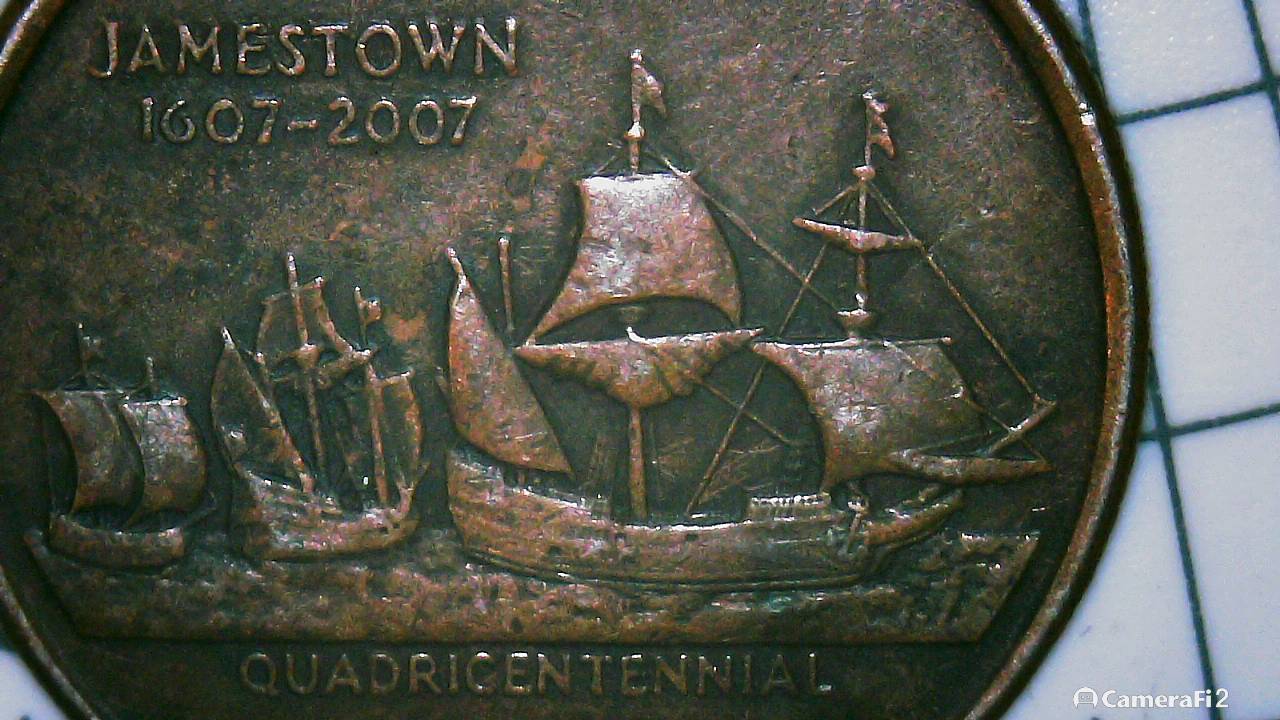
Unfortunately, it's post-mint damage ( PMD), possibly from spending time in the ground (metal detector find?), on the floor of an industrial shop, or something similar. |
|
Bedrock of the Community
United States
62064 Posts |
|
|
New Member
 United States
24 Posts |
Really? I don't doubt you're findings, I'm just curious how you know?
|
|
Bedrock of the Community
United States
62064 Posts |
Years of collecting, editing hundreds of thousands of images, a few posts on several sites, a photographer for various sites for images, using images from various sites and sources. How about you?
|
|
Bedrock of the Community
United States
10635 Posts |
Environmental toning/staining/damage. How? Damage can happen a million different ways, but one thing is certain, this coin did not leave the Mint looking like this. You have Post Mint Damage ( PMD). No premium, sorry.  |
|
Moderator
 United States
56855 Posts |
|
|
Pillar of the Community
United States
3281 Posts |
Trial and error is a way of learning. Knowing what aspects identify a variety or error coin comes with years of practice and observation.
|
|
Bedrock of the Community
Australia
21792 Posts |
Have a very close look at the milled edge under high magnification; the clad layer, if there is one, may? reveal itself.
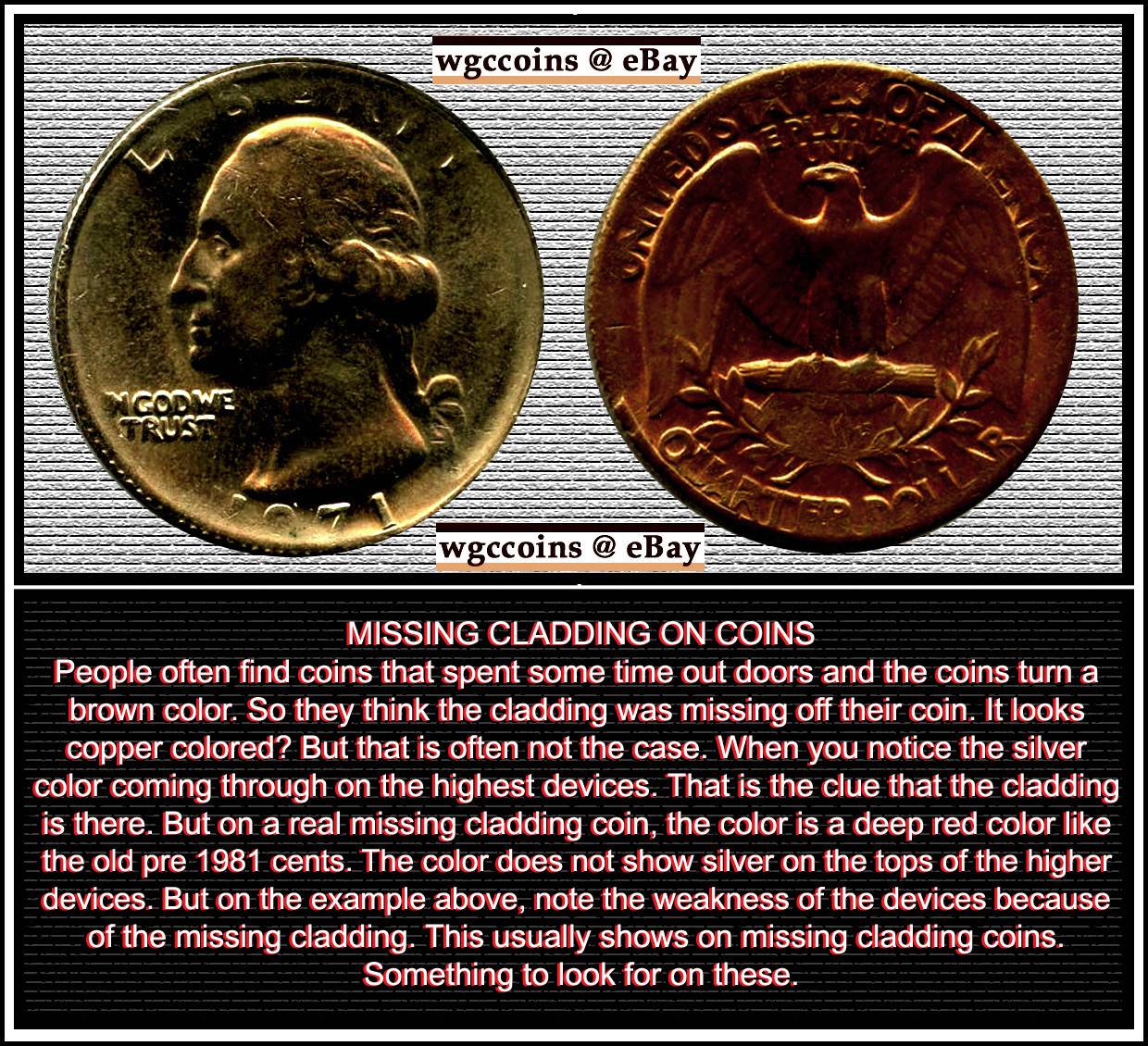
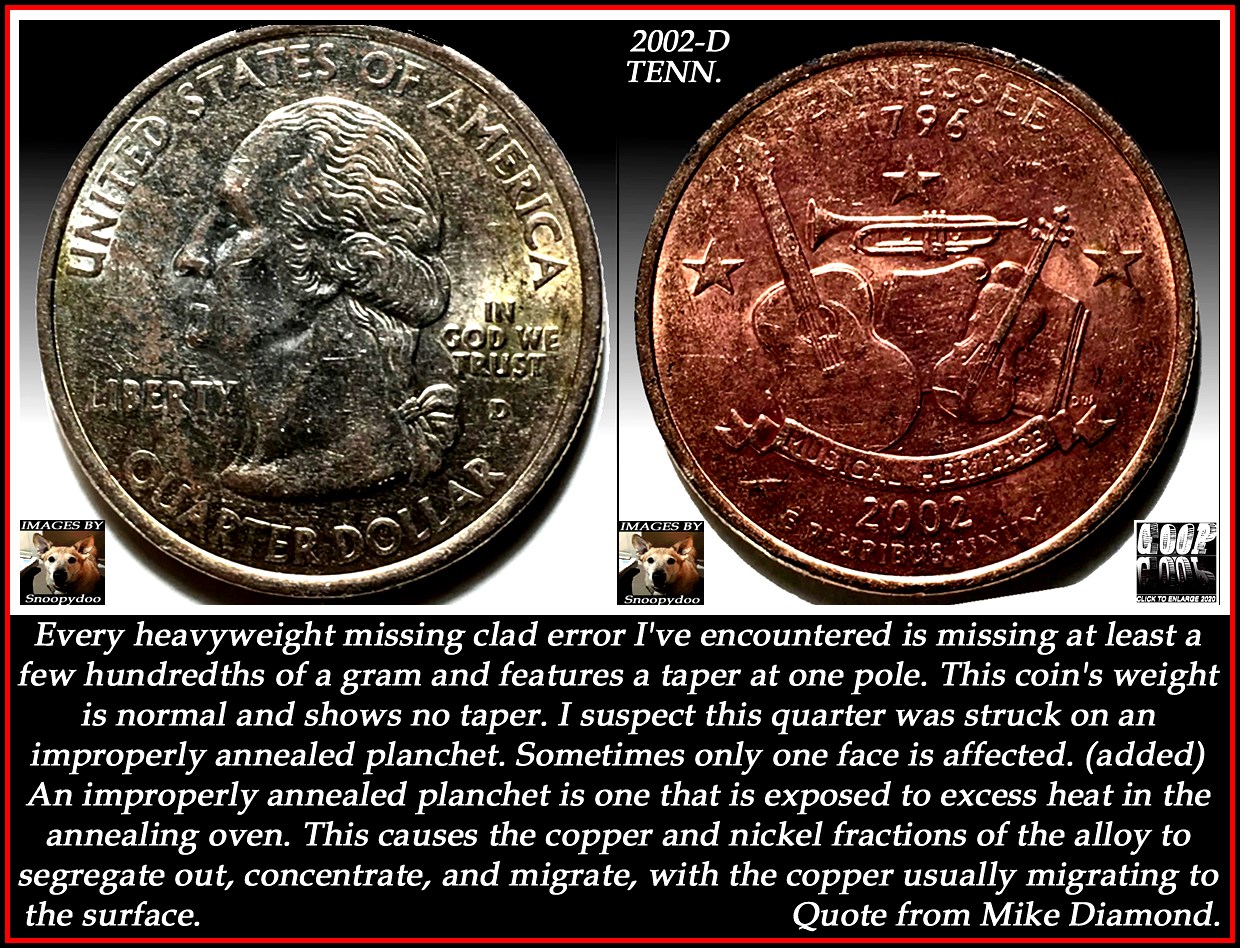
Clad coins that have been buried for a long time also develop a coppery hue.
Because this coin is only worth face value if normal, I personally would take the risk** and vigorously rub the edge on a piece of coarse cloth to see if a clad layer can be revealed. I don't recommend that others do this, because it is a form of minor, but deliberate damage.
Nevertheless, the truth that it is a clad coin, or a wholly copper coin, will be revealed.
**With ancient coins, there are always risks when it comes to cleaning them after recovery from burial, even to the extent of the total loss of the coin in the worst cases. There is no way of avoiding at least some risk.
|
|
Pillar of the Community
United States
4618 Posts |
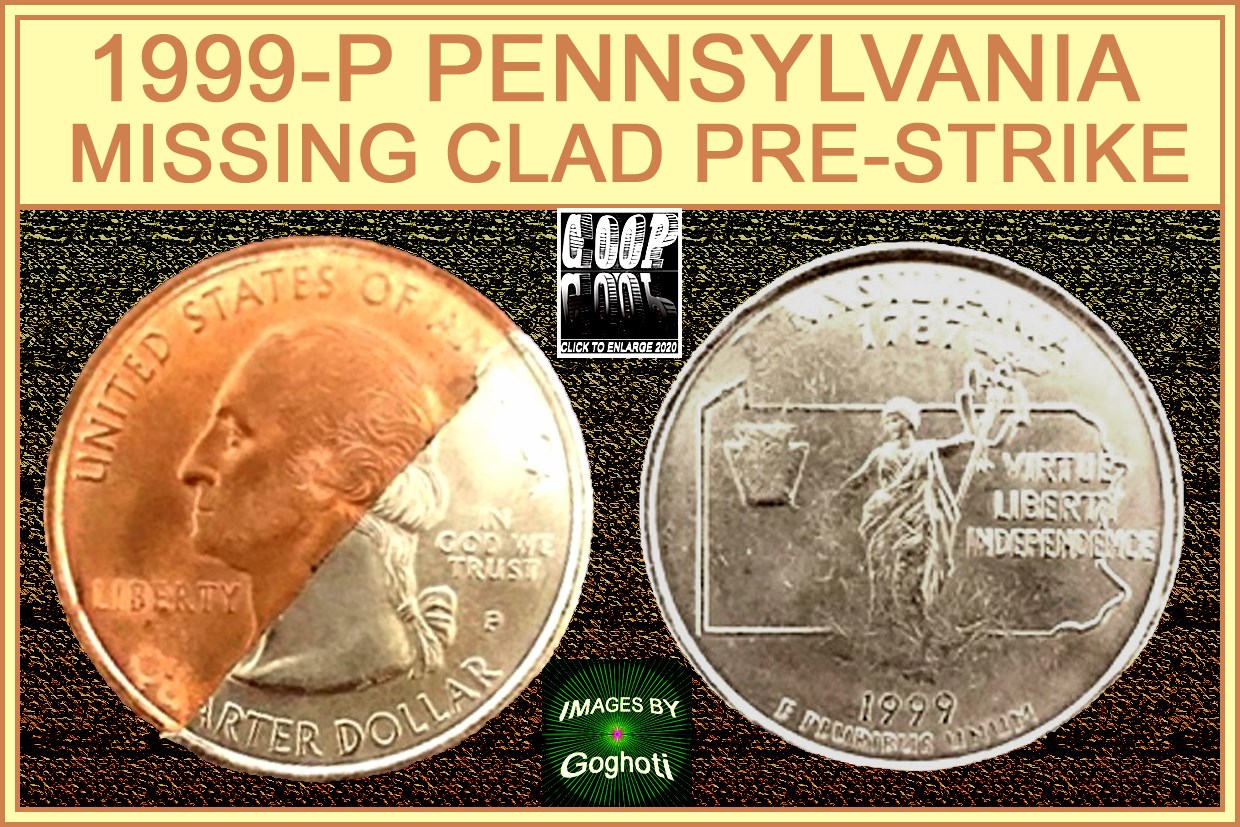
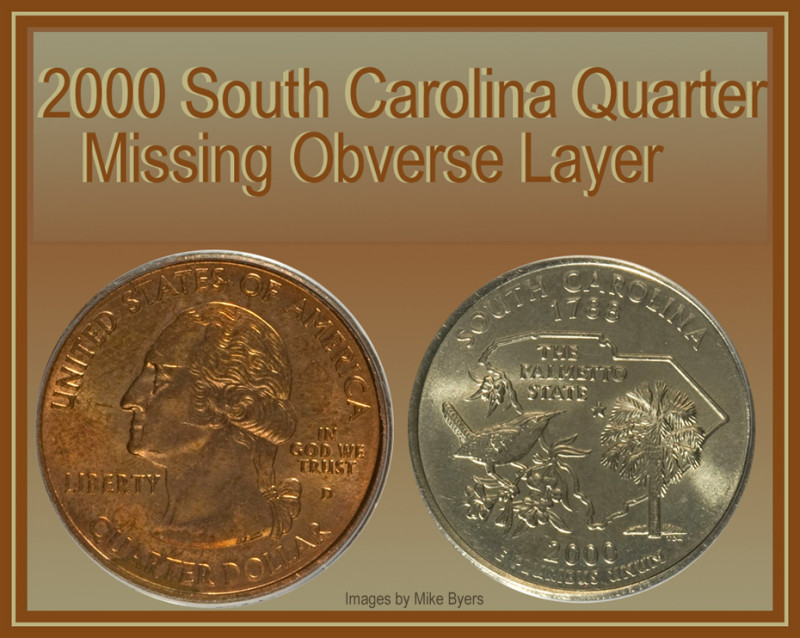
 to the CCF! A bonding error (missing clad layer) will almost always result in weakness of detail in the strike on coins with one clad layer missing. A coin with both clad layers missing would have very pronounced weakness of strike on both sides. Only a handful of coins with both clad layers missing before the strike have ever been certified. While coins have been found to be struck on a planchet rolled out of the copper center stock intended for the coin, it is again so rare that only a few are known to exist. A quarter's clad layer should weigh about 1 gram. Do you happen to know the weight of your coin? ANA ID: 3203813 - CONECA ID: N-5637 Clean a coin that may be worth collecting? Please DON'T! When in doubt, leave it dirty!! 
|
|
Bedrock of the Community
United States
62064 Posts |
|
| |
Replies: 10 / Views: 4,656 |
|









 Posted 04/12/2021 9:56 pm