Coin Community Family of Web Sites Join Thousands of Coin, Bullion, & Money Collectors
Royal Canadian Mint products, Canadian, Polish, American, and world coins and banknotes. 300,000 items to help build your collection! Join Thousands of Coin, Bullion, & Money Collectors Vancouvers #1 Coin and Paper Money Dealer Coin, Banknote and Medal Collectors's Online Mall Specializing in Modern Numismatics Shop for APMEX Bullion on eBay!


Username:
Password:
Save Password
Forgot your Password?


This page may contain links that result in small commissions to keep this free site up and running.

Welcome Guest! Registering and/or logging in will remove the anchor (bottom) ads. It's Free!

No Pics, Just A Question About Cob Coin Weights

To participate in the forum you must log in or register.
Author Previous TopicReplies: 8 / Views: 1,576Next Topic  
New Member

United States
5 Posts
 Posted 07/18/2021  6:10 pm Show Profile   Bookmark this topic Add larrydog to your friends list Get a Link to this Message Number of Subscribers

I have many (18) cobs. Weights range from from 5.9 grams to 13.7 grams, 19.8 grams and 27.2 grams.

Never really heard of 19 gram cobs. Any thoughts on this?

Thanks
Pillar of the Community
thq's Avatar
United States
3343 Posts
 Posted 07/18/2021  7:07 pm  Show Profile   Bookmark this reply Add thq to your friends list Get a Link to this Reply
I'd guess that the 19.8g is a seawater corroded 8R. Cobs like this sell for under $100 on ebay and look awful. This one weighs 14.9 grams.

https://www.ebay.com/itm/203477885867?LH_BIN=1
"Two minutes ago I would have sold my chances for a tired dime." Fred Astaire
Edited by thq
07/18/2021 7:18 pm
New Member
United States
5 Posts
 Posted 07/18/2021  8:37 pm  Show Profile   Bookmark this reply Add larrydog to your friends list Get a Link to this Reply

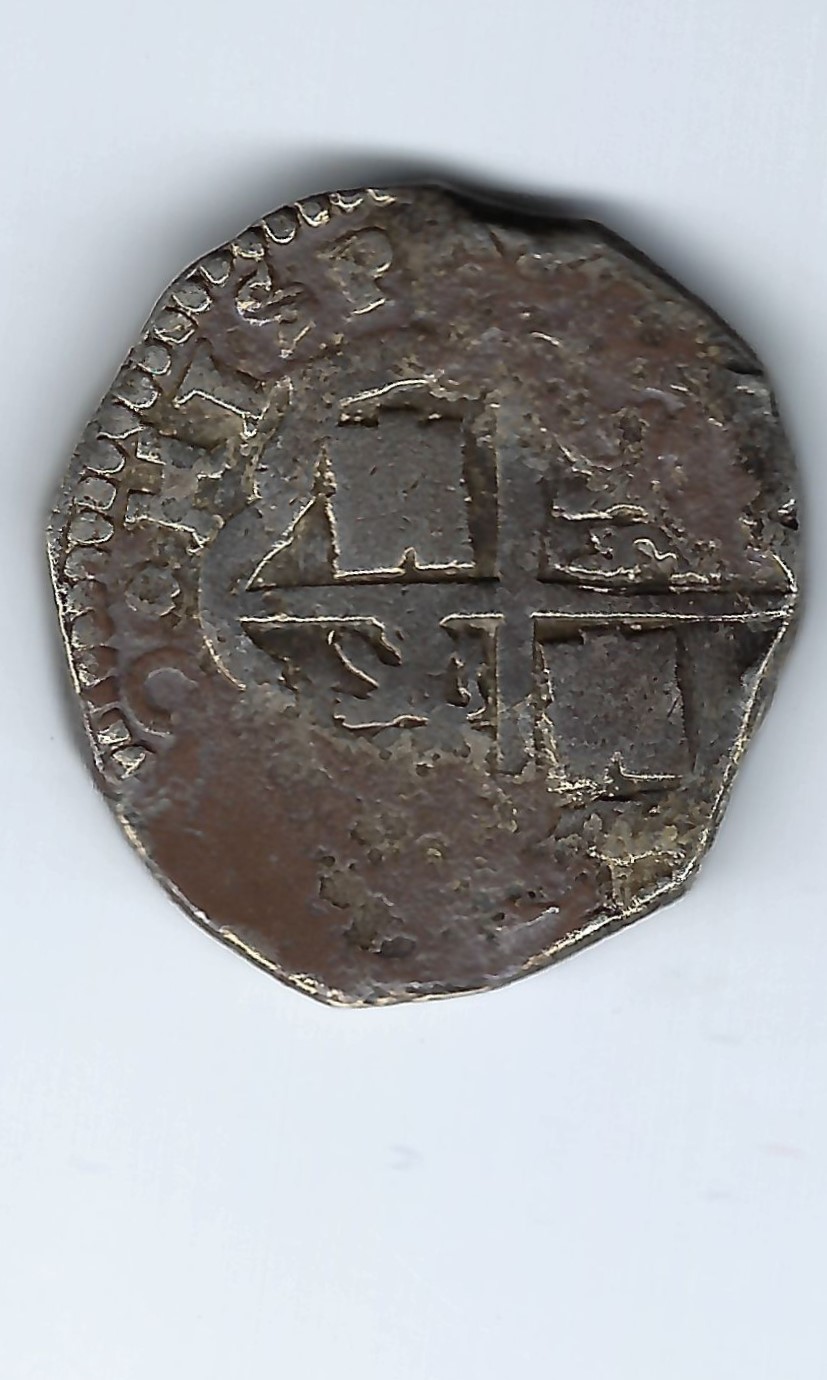
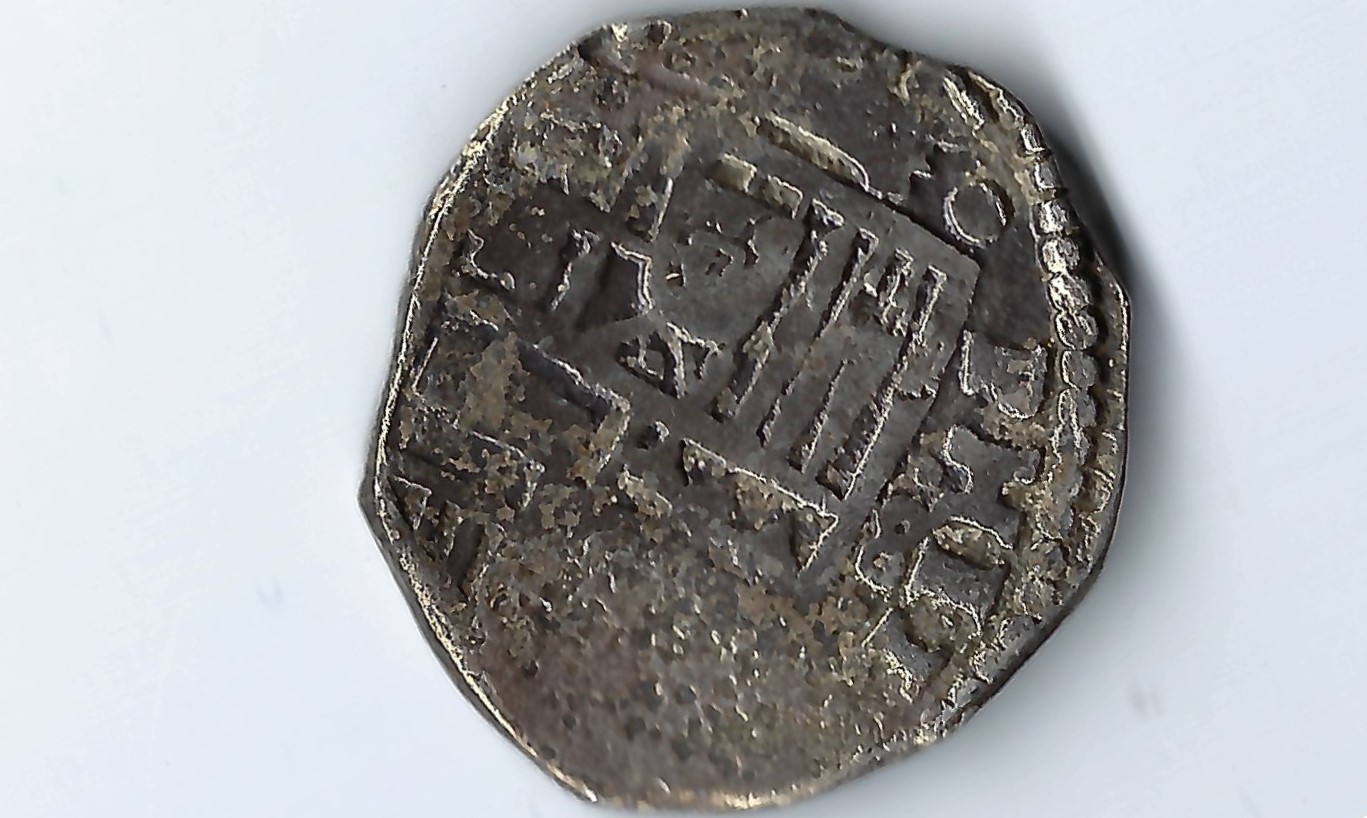
I know what I said about no pictures, but here they are. The cob comes in at 20.9 grams

No-Pics,-Just-A-Question-About-Cob-Coin-Weights
New Member
United States
5 Posts
 Posted 07/18/2021  8:38 pm  Show Profile   Bookmark this reply Add larrydog to your friends list Get a Link to this Reply

Thank you to those who reply.
Pillar of the Community
thq's Avatar
United States
3343 Posts
 Posted 07/18/2021  10:15 pm  Show Profile   Bookmark this reply Add thq to your friends list Get a Link to this Reply
It looks pretty corroded in spots, but has a lot of well-worn detail in others. An unknown Philip, since the assayer isn't visible, Potosi IMO.
"Two minutes ago I would have sold my chances for a tired dime." Fred Astaire
Edited by thq
07/18/2021 10:25 pm
Pillar of the Community
swamperbob's Avatar
United States
5362 Posts
 Posted 07/18/2021  10:16 pm  Show Profile   Bookmark this reply Add swamperbob to your friends list Get a Link to this Reply
Hello again larrydog

Underweight cobs may have been salvaged from a wreck site (as thq indicates) or they may be from a land burial site in reactive wet soil. This is because silver and copper do erode under adverse conditions and the chemical byproducts often wash away over time leaving a lightweight coin. However such erosion eats into the coin from the outside in and the alteration of the surface appearance is very obvious. On your coin there is some apparent corrosion but by no means enough to remove almost 6 grams of metal. A cob that has an apparently intact surface and is underweight falls into one of the following categories:

1. It may be genuine but clipped, shaved, drilled, hollowed out and filled or filed on the edges to steal silver. In fact the practice of stealing silver from the edges of coins is why crude coins like the cobs were not successful in circulation and are the actual reason the authorities began to add perimeter and edge designs to the coins to prevent the practice. So examine the edges in particular and all surfaces looking for the marks of alteration. On the edge look closely for areas that look like they might have been cut and scratched differently than the surrounding areas of the edge. Even look for color changes. Most of this class will be sold as genuine, however, to comply with ANA rules all defects and alterations should be noted by the seller. Even if Caveat Emptor Rules apply (Let the buyer beware) the seller does not get a free pass and could be reported to ANA for sanction if he is a member. Like any other altered coin the extent of the damage effects the value. Be very cautious as it will be difficult to sell these coins and you may not recover the purchase price.

2. The coin may be fraudulent but at the same time it might be a mint made fraud These are known to have happened when crooks ran or were employed by mints. They are generally referred to as "Debased originals" which includes the physically underweight coins or the coins using too little silver. These coins unlike category 1 types have not been altered after they left the mint. They were made light weigh or with bad alloys in the mint and were placed into legal channels for use. They will normally trade on a par with full weight genuine examples because the exterior surfaces of the coin have not been altered. So in this case weigh the coin and then check the specific gravity of the coin. A check of the design is needed to make sure the dies used were genuine (matched design) and that no evidence of a fraudulent die exists. Remember at this time in history the value of any coin in circulation was the actual metal content of the coin, not the "fiat" or legal value expressed by the design. An underweight coin or a coin with a shorted assay might not be accepted in commerce and the passer could be charged with passing (uttering) a counterfeit. Today most of this type are treated as genuine collectables, but once again a strict interpretation of ANA rules requires a factual disclosure. Re-sale may be difficult but should be easier than with a type 1 above.

3. The coin may be fraudulent but made outside the mint. There are two main types here that are based on the original motive behind manufacture. Contemporary counterfeits of this type are collectable and valuable but recently made examples are numismatic frauds and are almost worthless and a danger to the hobby.

3.A. Contemporary Counterfeits These coins were made for circulation to defraud people in general commerce at the time when the original coins were in circulation. These are collected as historical items. They are legal to own and allowable under ANA rules if properly described. They do not fall under the Hobby Protection Act.

3.B. Numismatic Forgeries These coins were made to be sold to collectors as if they were genuine. They are fraudulent and sales of this type are a criminal offense under commerce and fraud statutes. They can be legally sold ONLY if they are stamped (incuse) with the legend "COPY" in accordance with the Hobby Protection Act as amended. (The HPA only applies to the US - Production and sale of Fraudulent copies of coins is legal in many world markets - so know local laws.) These NF types are actually worth their melt value only. Specialists will at times pay a small amount above melt to examine and test various types and retain them for their educational value.

As for the photos you posted, my opinion is that the coin likely falls in Category 3. The design looks too crude to me to be believable, but I could be wrong since I gave up doing cobs years ago as noted earlier. If the design is known to be correct for a known 8R issue of Philip (?) then I would look closely at the edge along the left side of the shield. There appears to be a straight cut line in the surface (face) of the cob that is out of place. It may have been clipped. One thing about clipping - some fraudulent coins (old and new) were edge cut to look at the center metal and to get a piece of the coin for a destructive assy.


Pillar of the Community
thq's Avatar
United States
3343 Posts
 Posted 07/19/2021  09:00 am  Show Profile   Bookmark this reply Add thq to your friends list Get a Link to this Reply
I found an NGC slabbed 18g clipped 8R cob last night which is similar to yours.

https://www.ebay.com/itm/203446231476

Look at the neatness of the edges. I see the same thing on your cob, along the edge dentilation next to HISP on the cross side. It looks like intentional trimming using the dentils as a guide. The rest of the coin has the normal edge of a corroded cob.

Potosi had serious problems with mint fraud. The Spanish were harsh with the mintmasters and assayers when it occurred. In 1649 it was due to very low silver assay.

https://en.m.wikipedia.org/wiki/Gre...raud_of_1649

These Potosi cobs (and their remelted silver) were circulating in great numbers in Spain at the time and caused a worldwide financial catastrophe. My guess is that they were significantly underweight due to the low assay, but am not sure of this. Your cob may have been made during this period, but the assayer's initial is not visible. Following this disaster most of the low assay Potosi cobs were melted or marked as debased, and the design was changed to "pillars and waves".

Sedwick has an excellent article on this. The marked coins are rare and yours is not one of them.

https://www.sedwickcoins.com/articl...ntermark.htm
"Two minutes ago I would have sold my chances for a tired dime." Fred Astaire
Edited by thq
07/19/2021 11:58 am
Pillar of the Community
thq's Avatar
United States
3343 Posts
 Posted 07/19/2021  4:16 pm  Show Profile   Bookmark this reply Add thq to your friends list Get a Link to this Reply
Sedwick's 2009 Treasure Auction #6 contains a large group of the debased Potosi shield 4 and 8 reales, countermarked and dating from the 1640-1652 period. The 8R weights vary from 16-27 grams. This is a pretty good sampling of the weight variability of authentic (and mostly excellent condition) coins in a corrupt period.

The link is not allowed, but it's easy to google it. The coins start on Page 79 of the catalog.
"Two minutes ago I would have sold my chances for a tired dime." Fred Astaire
Edited by thq
07/19/2021 4:23 pm
Pillar of the Community
United States
1962 Posts
 Posted 07/19/2021  8:38 pm  Show Profile   Bookmark this reply Add realeswatcher to your friends list Get a Link to this Reply
8g of corrosion loss would make itself very obvious... understand that it takes a lot of eating to get that much down.

Clipping is of course another obvious cause for being significantly underweight, and one can sort of spot those from the design dimensions being "off" relative to the size of the planchet.

In this case, however, the piece is non-regal. It most closely resembles (especially the shield side) a 1650s to 1662 Madrid mint piece, but the design elements are crude.

Now, is it a contemporary counterfeit or a somewhat older numismatic "imitation"/garage project? A quick glance would lean towards contemporary by the crude style, but the curiously bold PHIL and HISP plus the somewhat oddly smooth rims sort of lean modern imitation (that COULD be some clipping - whether the piece is contemporary or modern). I wouldn't make a call either way - perhaps in hand.
Edited by realeswatcher
07/19/2021 8:40 pm
  Previous TopicReplies: 8 / Views: 1,576Next Topic  

To participate in the forum you must log in or register.


Disclaimer: While a tremendous amount of effort goes into ensuring the accuracy of the information contained in this site, Coin Community assumes no liability for errors. Copyright 2005 - 2026 Coin Community Family- all rights reserved worldwide. Use of any images or content on this website without prior written permission of Coin Community or the original lender is strictly prohibited.
Contact Us  |  Advertise Here  |  Privacy Policy / Terms of Use

Coin Community Forum © 2005 - 2026 Coin Community Forums
It took 0.31 seconds to rattle this change. Forums