| Author |
 Replies: 8 / Views: 1,562 Replies: 8 / Views: 1,562 |
|
|
New Member
United States
5 Posts |
I've had this cob for the past 40+ yrs. It was given to me by my Grandfather It weights about 27 grams I have a few more cobs that he gave me that may be posting about as well 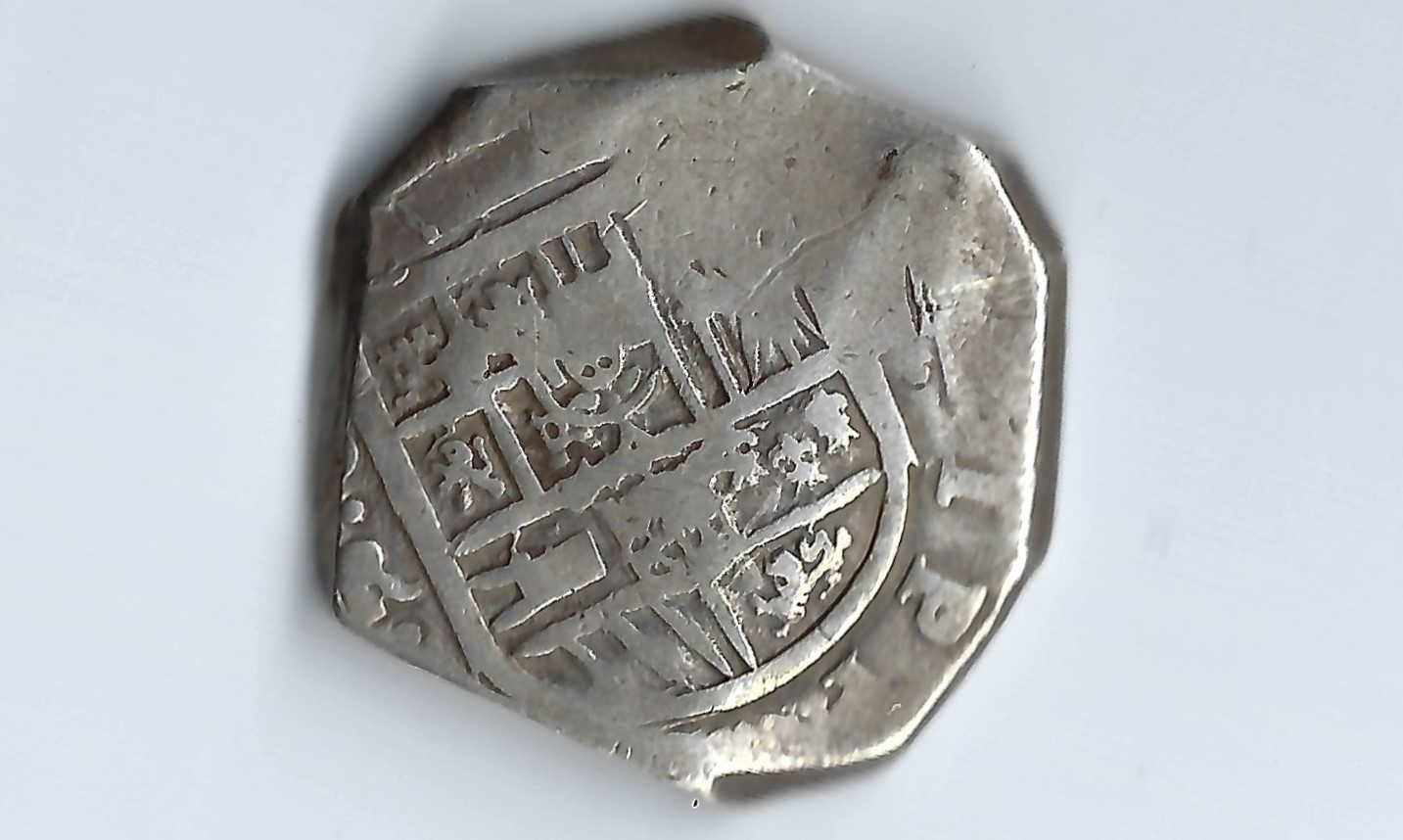 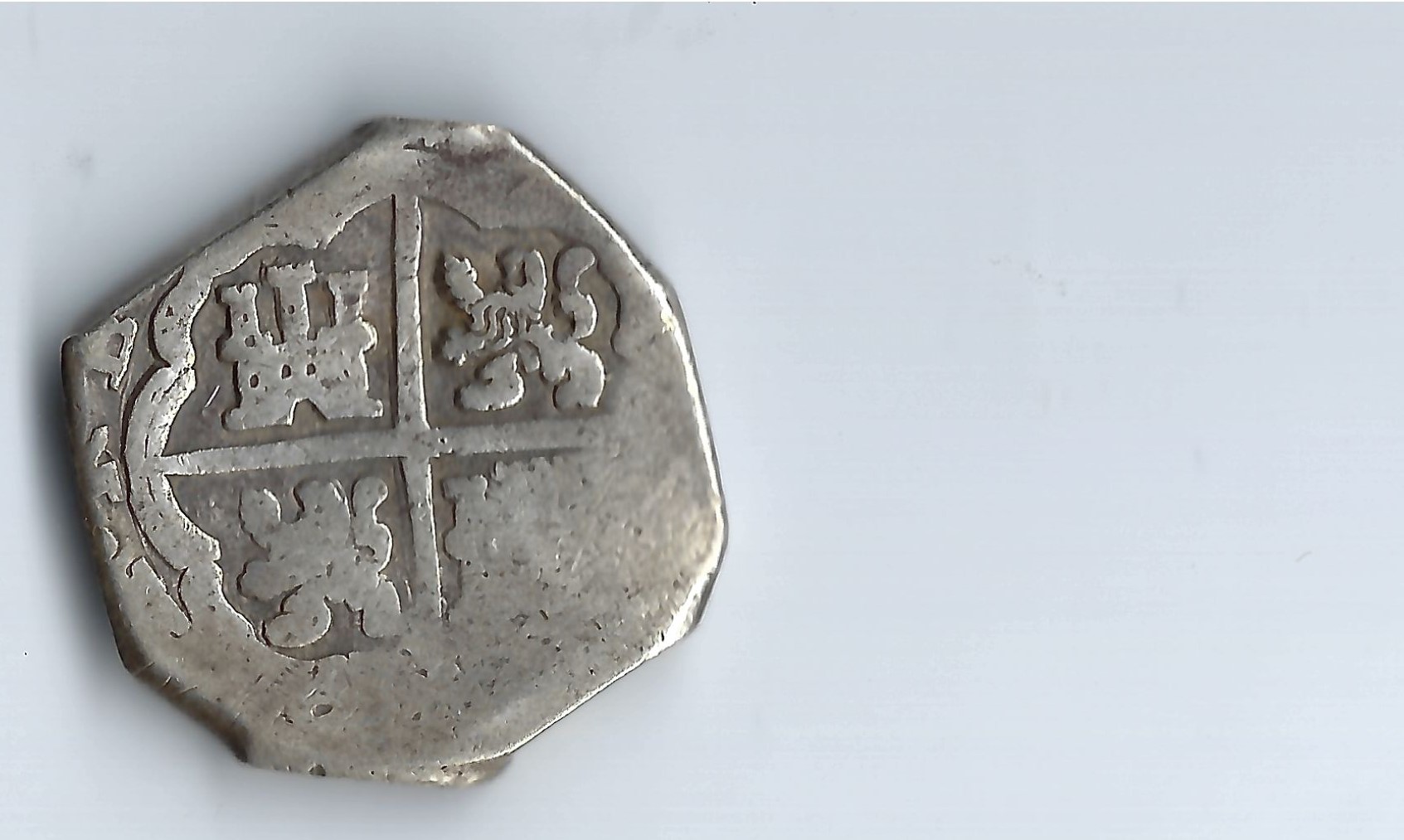 |
|
|
|
Moderator
 United States
34471 Posts |
@larr, first welcome to CCF. You should definitely expect that people are kind to you hear. With respect to this cob, we have a couple experts here on these things that should be able to offer their opinions. Please give it a few hours to a few days for them to weigh in.
"If you climb a good tree, you get a push."
-----Ghanaian proverb
"The danger we all now face is distinguishing between what is authentic and what is performed."
-----King Adz
|
|
Pillar of the Community
United States
9797 Posts |
 larrydog! I'm certainly no expert on cobs, but this one looks nice, I'm certainly intrigued by them myself. "Buy the Book Before You Buy the Coin" - Aaron R. Feldman - "And read it" - Me 2013! ANA Life Member #3288 in good standing since 1981, ANS, Early American Coppers Member (EAC), Colonial Coin Collectors Club member (C4), Conder Token Collector Club member (CTCC), Civil War Token Society (CWTS) member, Liberty Seated Collectors Club (LSCC) & Numismatic Bibliomania Society member (NBS), USMex, Member in good standing, 2¢ variety collector. See my want page: http://goccf.com/t/140440 |
|
Pillar of the Community
United States
5362 Posts |
Hello " larydog" and I have worked as an authenticator since the 1970s for various dealers but I am no expert on cobs because they tend to be "non-standard" at least to people like myself who are unaccustomed to "the cob mentality". The provenance of the coin dating back 40+ years (before 1981) falls into an age where cob forgery was extremely common. It would be better to know when your grandfather came into possession of the coin. I was trained in the mid 1970's in Boston and even back then cobs were a serious problem. They were very popular, extremely low priced ($20 for an 8R was almost extortion at that time) and they were notoriously under documented in the available historic literature. We were all aware of forgeries many of which were made for tourists and little more. Accurate copies in silver were suspected but most dealers and collectors seemed to look the other way. Alloy composition varied not only by mint but by era and how the silver was being refined at that time. That was expected, these were crude issues, however, the tolerance given when reviewing cobs was given far wider latitude than any other type I was accustomed to. I have run into that situation in particular with the cobs of Potosi Bolivia. Specific gravity testing is of little use because "experts" tend to accept a far wider range of silver content than I could as an authenticator. Cobs were really made to export wealth back to Spain and most were melted into ingots to pay debts or to make Peninsular issue coins. Out of the thousands of tons of silver shipped to Spain relatively few cobs survived. Cobs are the coins of the Pirate era and the market is unending and unbelievably forgiving of them as well. Ending up in repeated disputes with "expert dealers" over the authenticity of underweight cobs that were only 50%-65% silver led to me rejecting cob submissions after time. If people want to believe the unscientific and prefer the looks of a coin to facts so be it. Personally I wonder how a royal coiner would ever attempt to short the King by 30-40% and expect to keep his neck intact, but then again who am I to consider that the integrity of a Royal edit will be honored. All that said - I believe it "Looks" real enough to be treated as genuine by most. I would want to know the SG but it will not matter anyway. Have fun collecting and remember it is a hobby or should be. It was more fun when I started in 1955. |
|
Pillar of the Community
United States
3347 Posts |
According to Sedwick's book, it looks like a Potosi 8R, assayer R (curved leg) ca 1605-1611. The weight looks right and it has a lot of wear. Part of the king's name Philip III is present. Based on the sharpness of the details it looks like it was struck and is not a cast replica. It is not in Sedwick's fake cob database.
Cobs are essentially little ingots, with planchets made by chopping up strips of silver poured out on a flat surface and cooled. The volume poured out was exact, and division into equal weight pieces was done by balancing instead of using a scale. The quality of the hand strike was not very important since most were remelted when they reached Spain. Only a few were made into well-struck presentation pieces known as Royals.
The main reason for cobs being underweight is seawater corrosion on shipwreck recoveries. This is usually pretty obvious, because the cobs lose detail and become thin and shiny. Yours doesn't show that. IMO it's worth $300-500.
"Two minutes ago I would have sold my chances for a tired dime." Fred Astaire
Edited by thq
07/18/2021 08:24 am
|
|
New Member
 United States
5 Posts |
Thanks to all that replied. I have a few more cobs that I will be posting and asking advice and commentary about
|
|
Pillar of the Community
United States
3347 Posts |
This article by Sedwick is the best I've found describing how cobs were made. https://www.sedwickcoins.com/articles/strap.htmA known amount of silver was melted and poured out in a strip (riel) on a table. Sedwick says that the silver was weighed, but I have my doubts that any scales were used. It could have been volumetric. Cobs were produced by slaves in the crudest and fastest way possible. The strip was cooled and divided by balancing and chopping, then rebalancing the halves and chopping again. Each strip produced 8 cobs. After cutting, the cobs were hammered on the dies to produce the design. It is obvious from overlaid designs that many of them were hammered more than once. "Two minutes ago I would have sold my chances for a tired dime." Fred Astaire
|
|
Moderator
United States
191235 Posts |
to the Community! |
|
Pillar of the Community
United States
1962 Posts |
Bob, regarding that period (late 60s-mid 70s)... It's not so much a case of "even back then" as that time actually being the HEYDAY for "fake" cobs in the aftermath of the 1715 Fleet discoveries and the flurry of other wrecks that started getting salvaged. A big problem resulting from that era is pieces that were intended as "replicas", rather than "numismatic fakes"; most were unmarked and some were actually quality casts that certainly COULD be passed. There are, of course, some intended-as fakes from that era that still pop up (several good ones, in fact) - and it sometimes is impossible (or not worth the time/effort) to convince someone that their cob from a 30- or 40-yr-old collection is fake. Variance in weights/tolerances is its own topic. Potosi, to use the example mentioned, of course had their known period of fraudulent debasement... and then periods (e.g., 1670s) where the weights vary from a good bit under to a good bit OVER and it seems to be simply be poor quality control. I actually think, to be honest, that once you REALLY familiarize yourself with cobs, it can almost be EASIER to pick out non-kosher examples than for some struck series. That said, this piece is genuine - Seville, assayer R. Circa 1630s by style, a fairly common type with a very typical strike. Quote:
It is not in Sedwick's fake cob database. Sedwick's DB main use is as a learning tool. It shows examples of SOME known counterfeits which you can study and gain insight into what to look for in the wild. Despite them finally adding a good number of addl. pieces the past few years (after not updating it much if any in many years), it is absolutely, positively NOT CLOSE to being exhaustive - and he'll tell you that. |
| |
Replies: 8 / Views: 1,562 |
|









 Posted 07/17/2021 4:29 pm


