| Author |
 Replies: 10 / Views: 912 Replies: 10 / Views: 912 |
|
|
Pillar of the Community
United States
2408 Posts |
|
|
|
|
Pillar of the Community
 United States
8988 Posts |
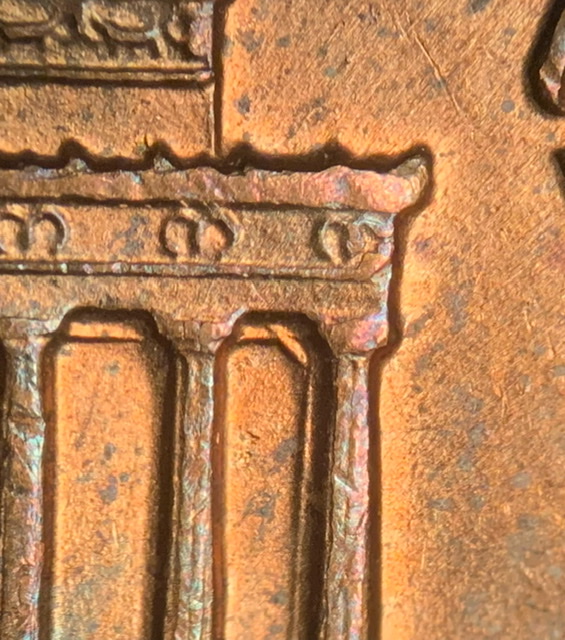
I'm thinking just a die gouge. I know there is hub doubling of the ceiling in the 80P but it is centralized. LINK https://doubleddie.com/828697.html I was thinking there were others out there similar but could not find them. -makecents-
|
|
Pillar of the Community
United States
2887 Posts |
@makecents.... "I was thinking there were others out there similar but could not find them." The 1992-D 1¢ WDDR-002 has a similar look, http://www.doubleddie.com/467734.html , but I agree w/ your assessment, the slanted ceiling is a die gouge. |
|
Pillar of the Community
United States
8988 Posts |
Quote:The 1992-D 1¢ WDDR-002 has a similar look, http://www.doubleddie.com/467734.html , but I agree w/ your assessment, the slanted ceiling is a die gouge. Ah yes. Thanks! I remember thinking this listing might be the same thing.  -makecents-
|
|
Bedrock of the Community
United States
62064 Posts |
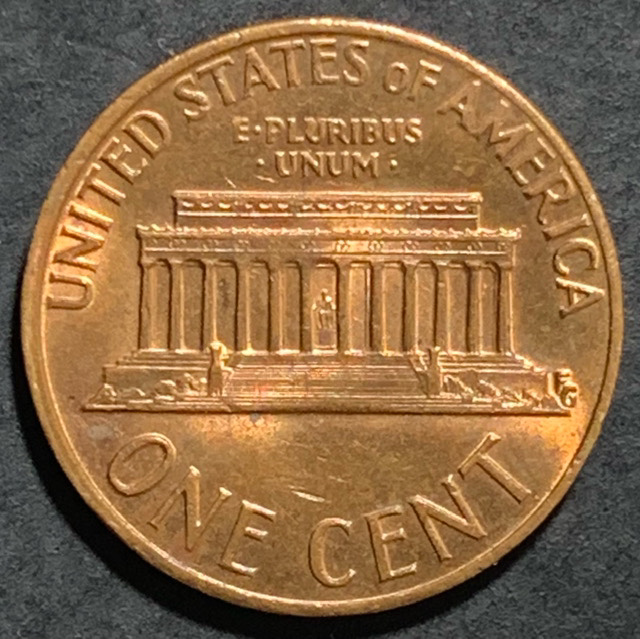
Well on the 1992 it maybe an example of a class 9 doubled die. But this is a 1973 cent without the single squeeze issue. So it maybe just damage on that area. Note the line continuing above on the cornice? (follow the angle and your will see it NW of that area) So I feel this is not a DDR, but damage to the die. |
|
Pillar of the Community
United States
8988 Posts |
Quote:Well on the 1992 it maybe an example of a class 9 doubled die. But this is a 1973 cent without the single squeeze issue. So it maybe just damage on that area. Note the line continuing above on the cornice? (follow the angle and your will see it NW of that area) So I feel this is not a DDR, but damage to the die. Yes sir, I agree on all counts. If the OP's coin was a doubled die, I would expect to see doubling somewhere else also, where it is not centralized. The Class IV, that you see on coins before the single squeeze, are the ones I've noticed being somewhat isolated but they are usually centralized, ears and doubled eyelids. That's why I thought this was nothing more than die damage of some sort. -makecents-
|
|
Pillar of the Community
United States
2869 Posts |
This looks like die damage as others have said.
|
|
Pillar of the Community
 United States
2408 Posts |
Thanks everyone. I had my doubts also. But how's bout the question. How does a slanted ceiling become one?  |
|
Pillar of the Community
United States
8988 Posts |
Quote:How does a slanted ceiling become one? As stated above, more than likely a die gouge/damage. The die has taken a hit or gouged out, this created a small divot, which in turns makes a raised area on the coin when it is struck. -makecents-
|
|
Pillar of the Community
United States
2408 Posts |
 . Yes makecents that makes cents. I agree for my coin. How did the slanted ceiling happen on others. Such as 1995-DDR-001,002,003? Or 1992D-WDDR-002. 1995 WDDR-009. How did they happened? |
|
Pillar of the Community
United States
8988 Posts |
Sorry, I didn't realize you were talking about doubled dies, I thought you were referring to yours. This is above my pay grade and am sure someone will come along to help more after my response. The short and long of it, is the working die is cone shaped, high at the center point and with the old system of multiple hubbings, sometimes the die is not soft enough to take the impression from the hub and has to be removed and heated again to soften the working die. Because this process is done manually, they may not be aligned properly when put back and the next hubbing will be misaligned, creating a doubled die. The cone shape is the key to this type of doubling, where only a particular part is doubled and not elsewhere. The 84P DDO-001 is one of the best examples of this. H Double die and hubbing process LINK https://doubleddie.com/58222.htmlClass IV offset doubling LINK https://doubleddie.com/203906.html-makecents-
|
| |
Replies: 10 / Views: 912 |
|









 How does a slant ceiling become one?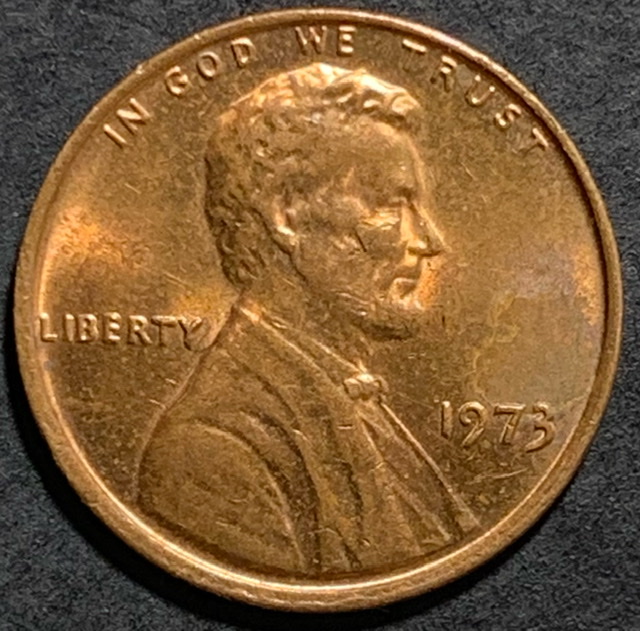


 Posted 09/23/2021 4:14 pm


