Devices on coins can be enlarged on the devices by excessive die wear, reduced by heavy die polishing, altered after the strike by
Machine Doubling. But the stronger the spread on a die, the larger the devices can be. Because this happens on the die, some of the same issues can affect a die. A worn hub, a distorted hub, being hubbed with a different hub that was fresher. Alignment of the being incorrect. But on enlargement that is seen can vary from they die classes. But on the older style dies they were several different issues.
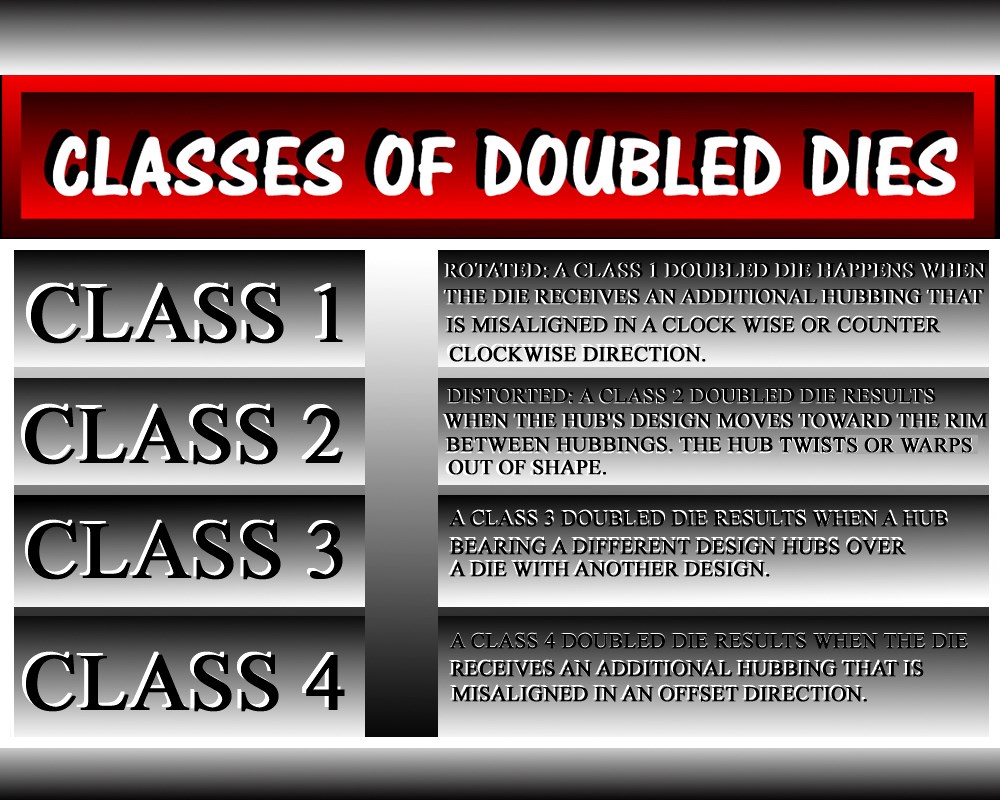
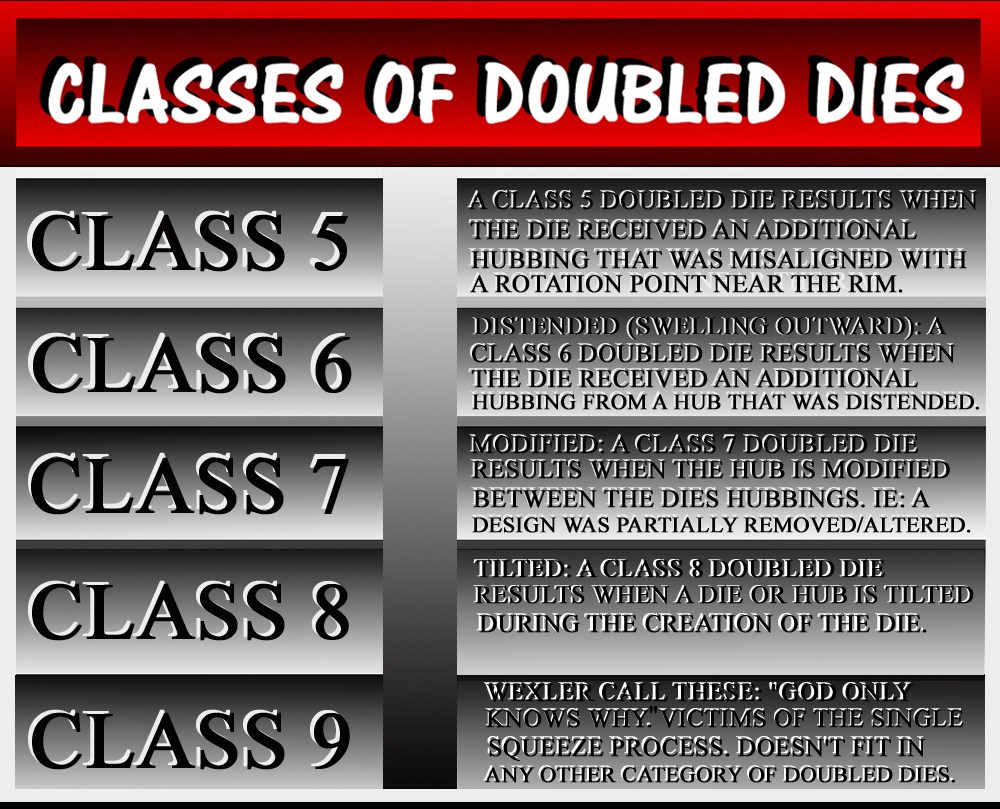
On the single squeeze dies they tend to be the same issue referred to the class 9 doubled dies. These tend to affect certain areas of the design, most often on the center of the design.
Some dies varying in strength. Enlarging the devices larger than normal size on the doubled dies. Often referred to as spread. This spread is most often seen on the centers of the devices. When compared with a normal die and a
DDR, we can see this better:
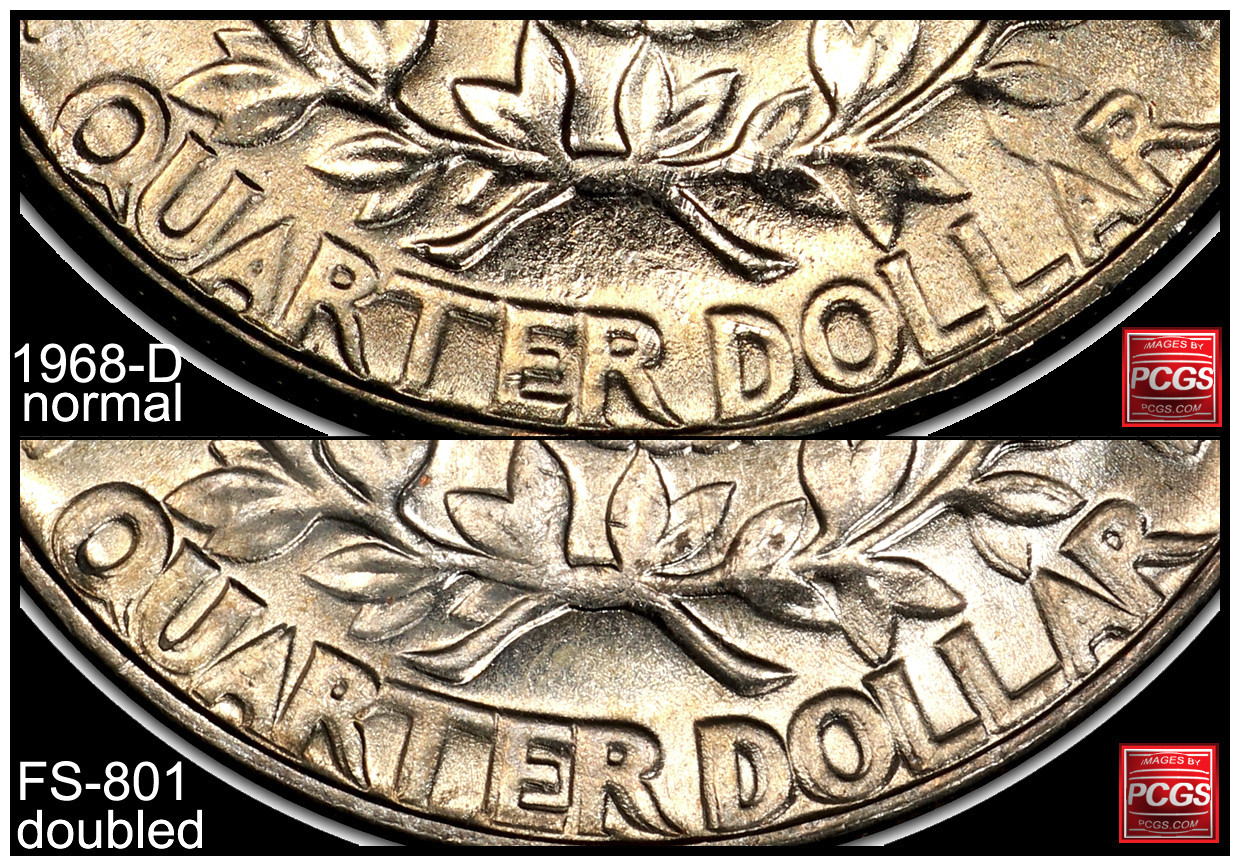
Note the normal size compared with the devices with the spread that a doubled die will show. Note we see spread on this example on the centers of the devices, but also some of the design devices are also showing enlargement and notching on the corners of the spread of the devices? Because the hub process rotated a bit between the two/more hub process to create this die. Sometimes like the 1955 and several other doubled dies the devices are almost showing two sets of devices:

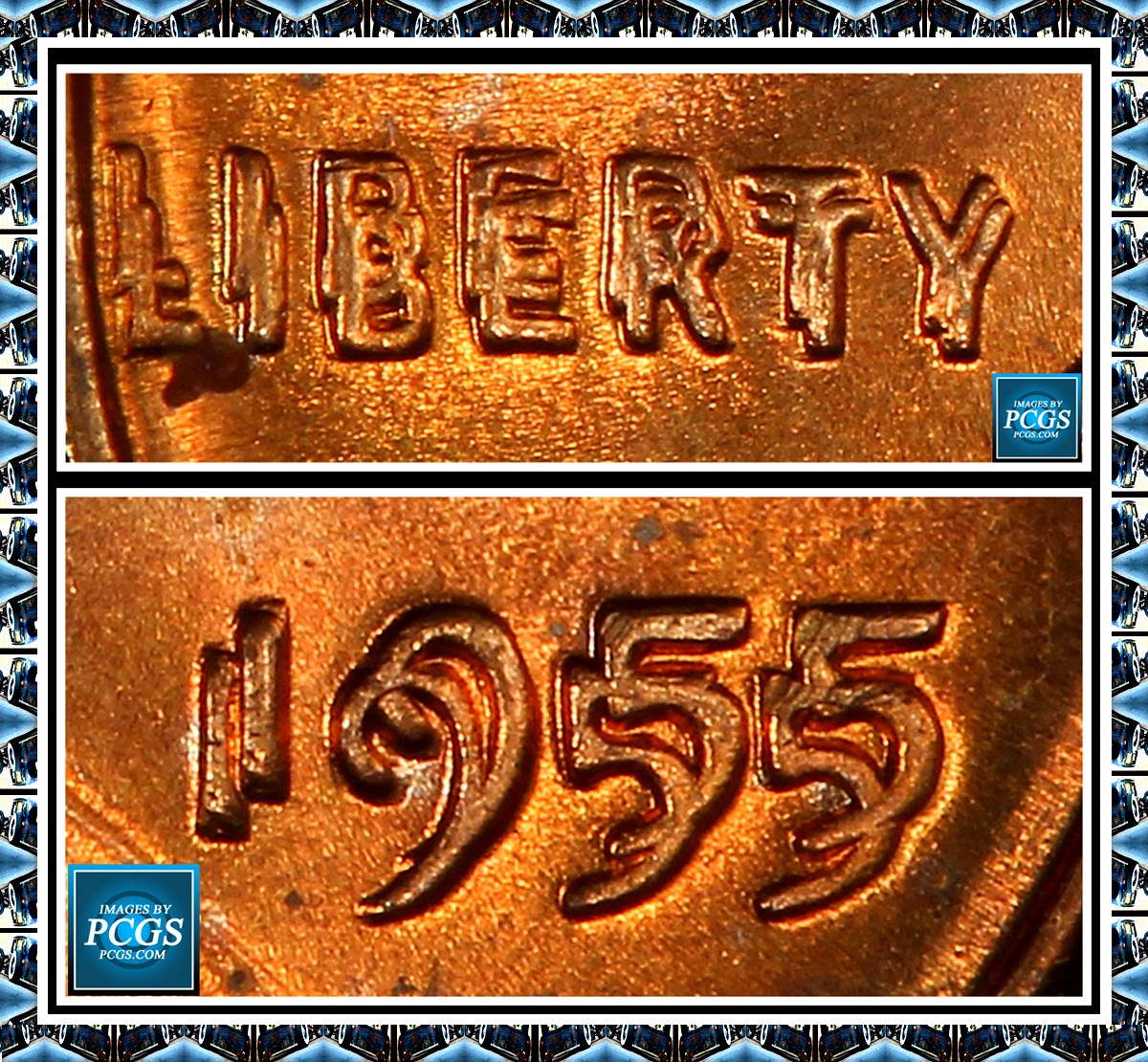
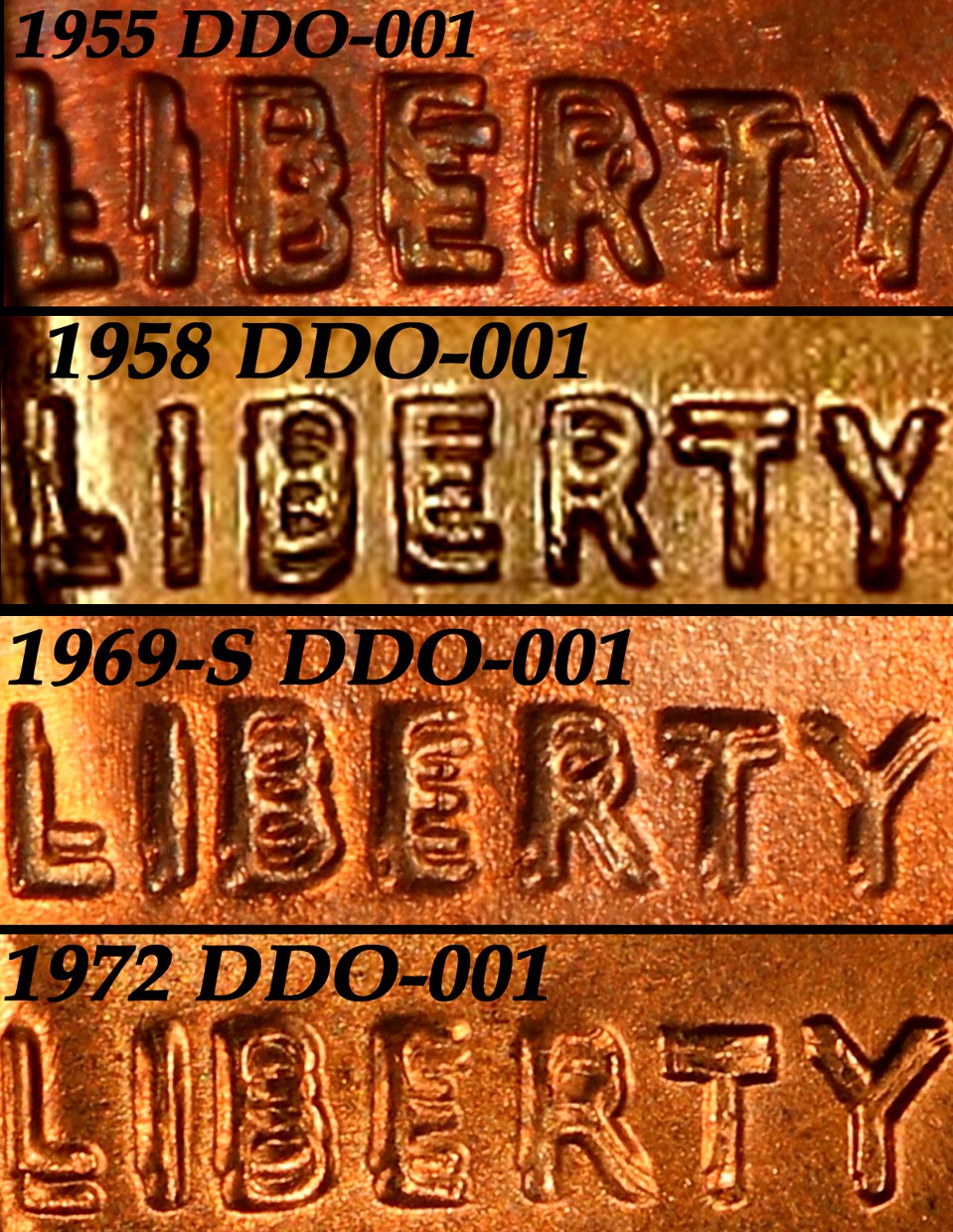
Spread can be in different directions:
))_AAA.jpg)
Spread can also be strong or minute:
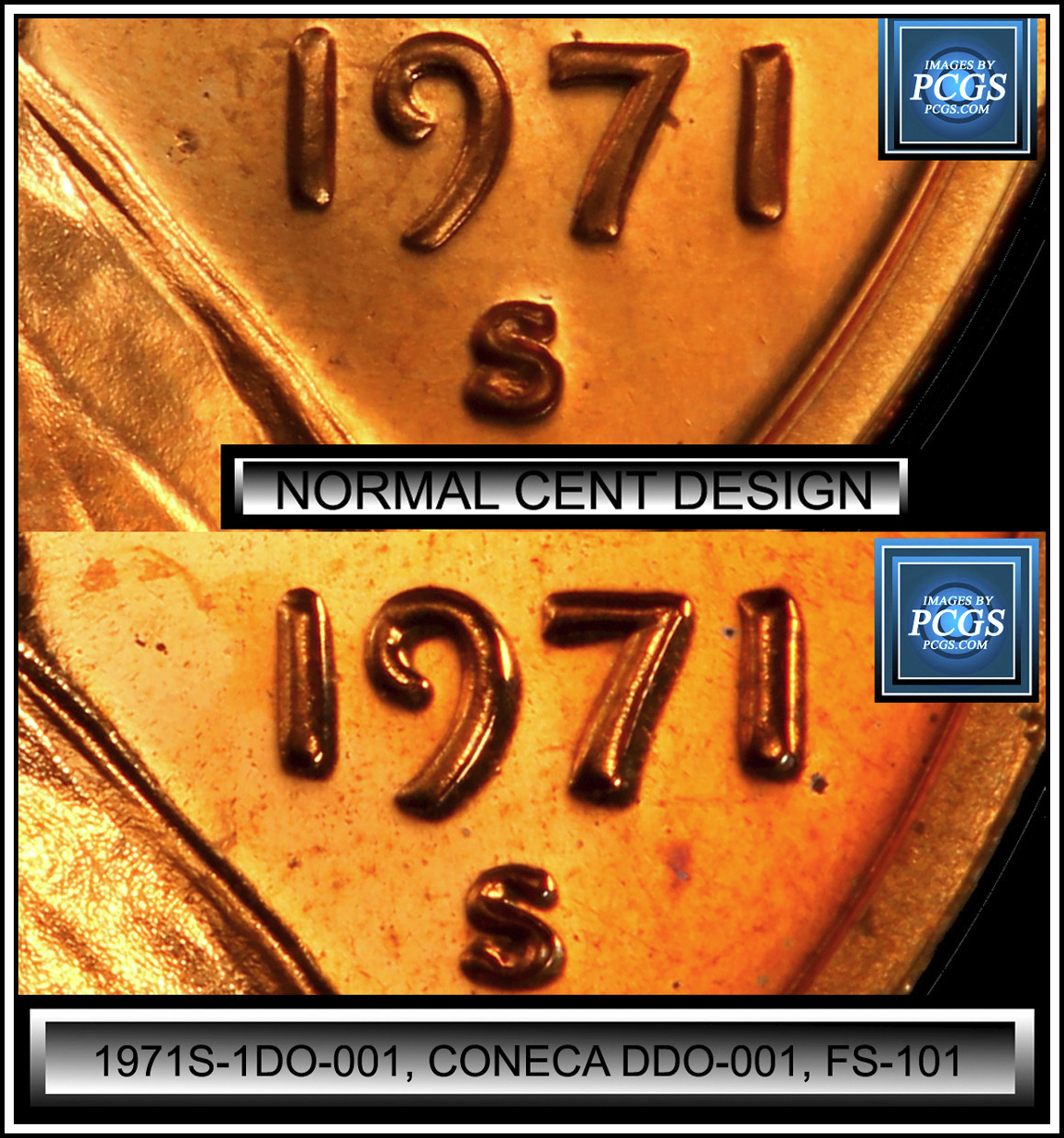
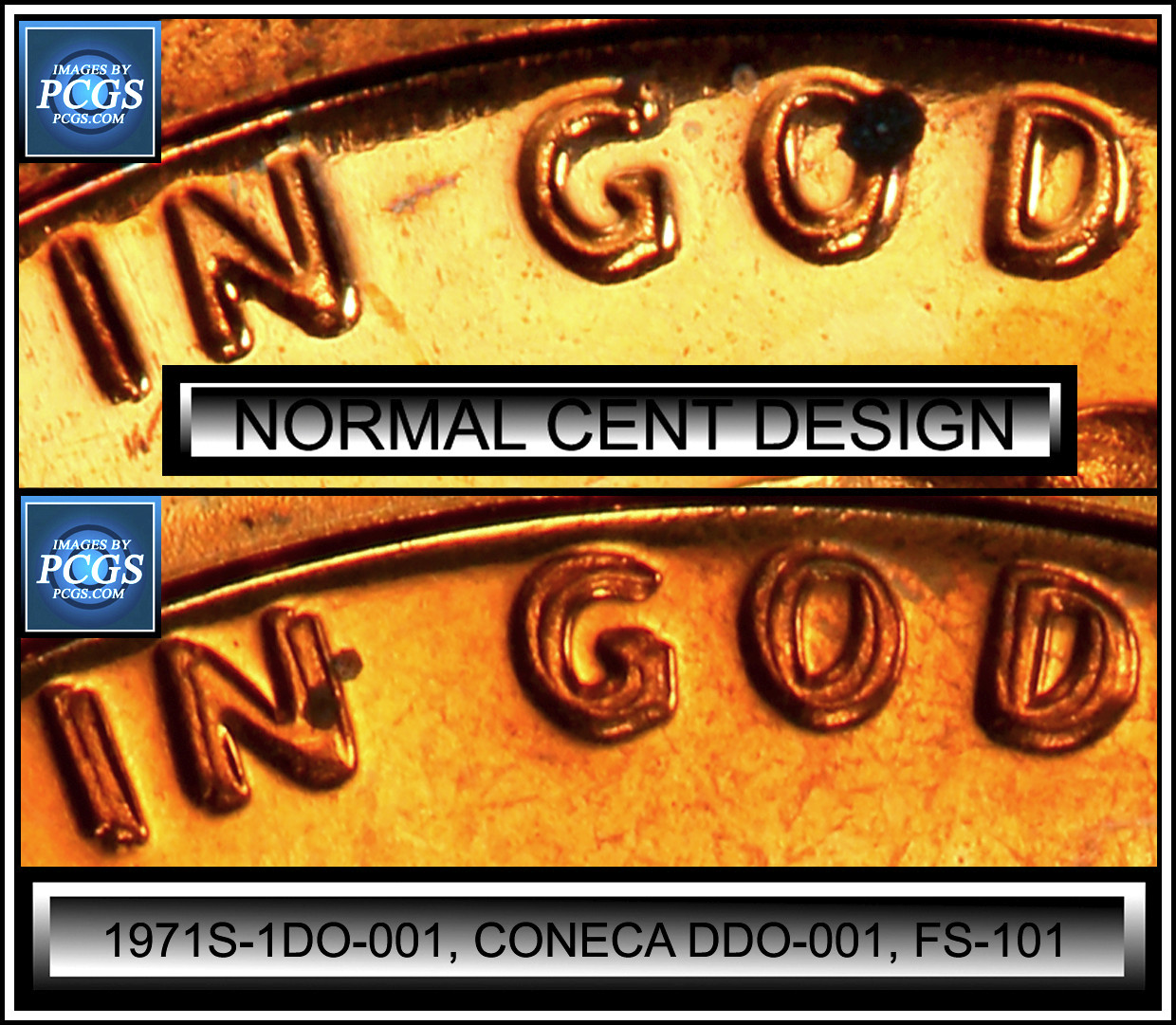
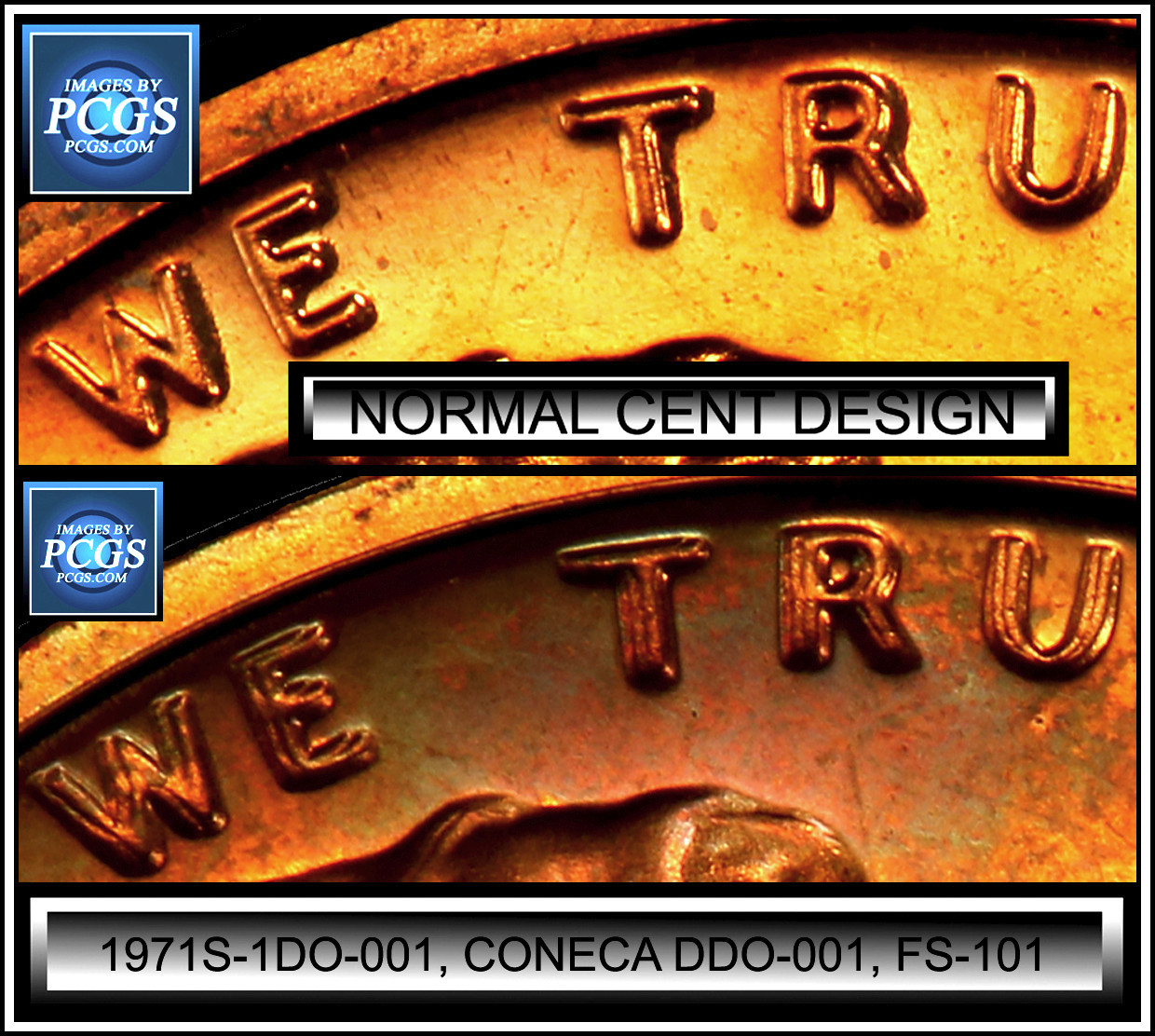
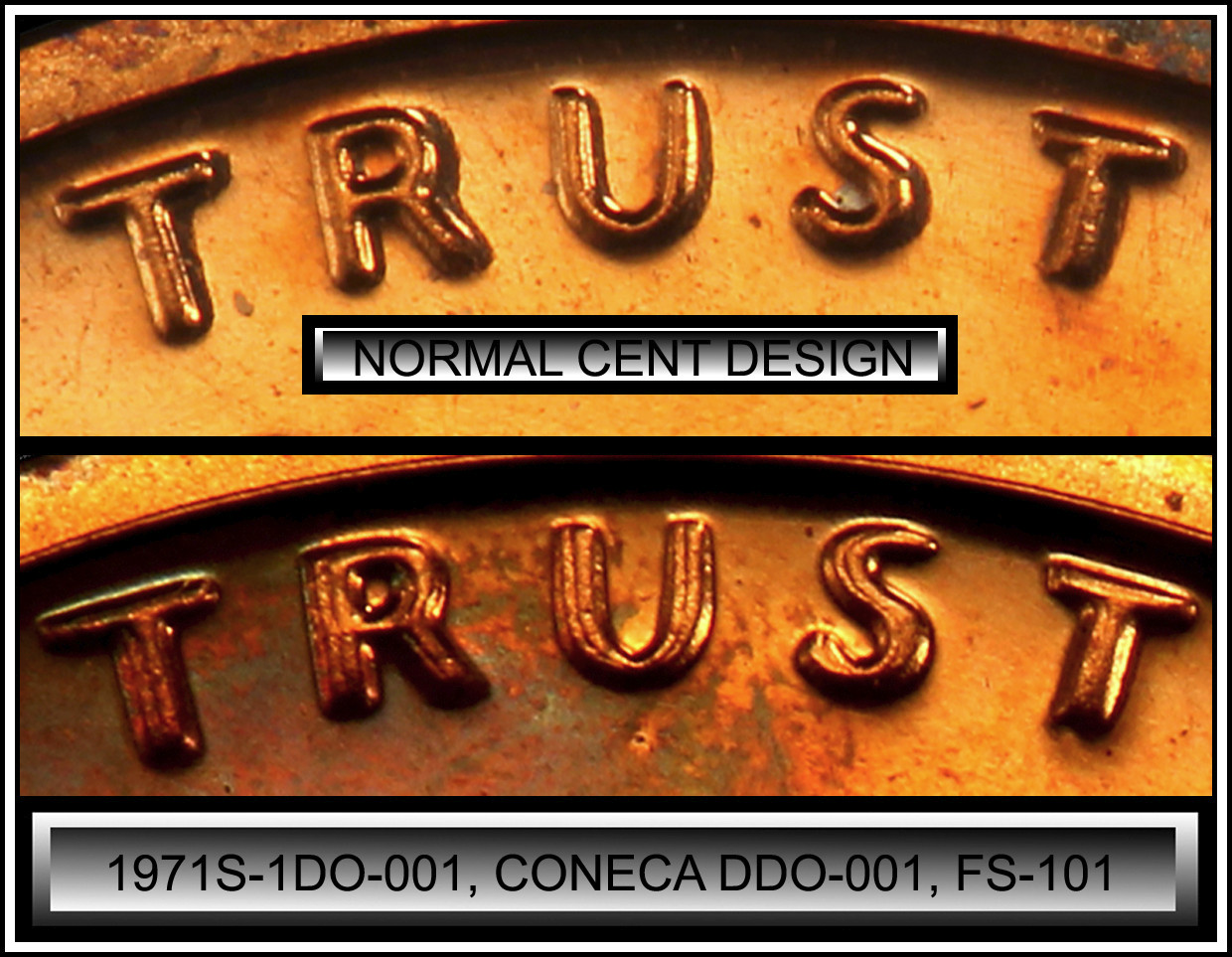
Note the spread of the devices are on the center area of the devices and makes them wider/taller enlarging the devices.
)).jpg)
)).jpg)
When compared with a side by side presentation, we can see the affect of the spread whether a large spread or a smaller spread compared with a normal coin. What creates the need for different varieties. On doubled dies the spread can be different from die to die, thus creating the need for listings known examples of each type. This even applies to RPMs as well.
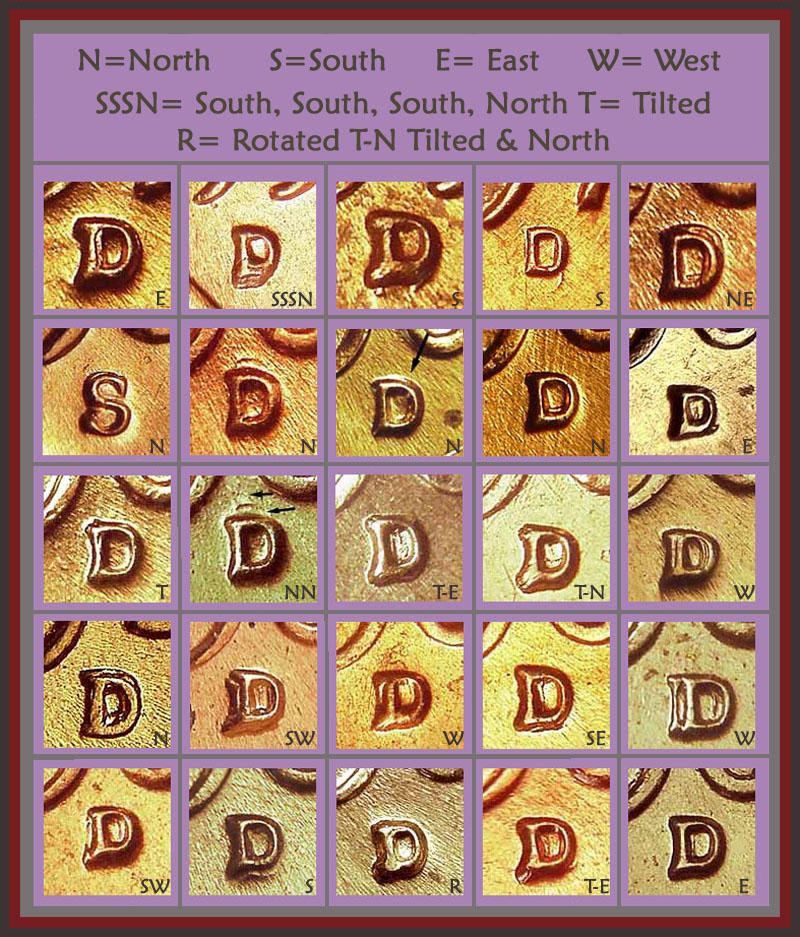
The spread between punching has to be present to be a RPM. Without the spread of the mintmark punching multiple times, enlargement of the mintmark doesn't make it a RPM.
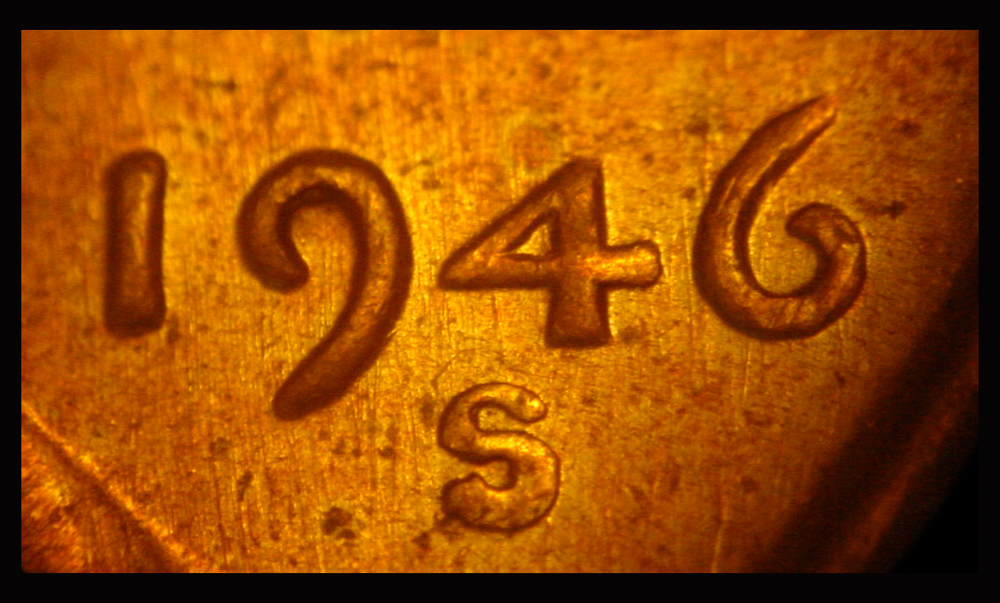
Note how this one is enlarged, but it is not a RPM as you don't see multiple punchings.
On the single squeeze dies the spread is a bit different. It is either raising off the fields.devices and creating distortion on the dies, that is seen on the struck coins. Like the DD's on the Quarters they area affected are mostly the same on the class 9 doubled dies. On the obverse of the design on the States and
ATB Quarters, the earlobes are affected, being enlarged/showing above the fields or design of these quarters:
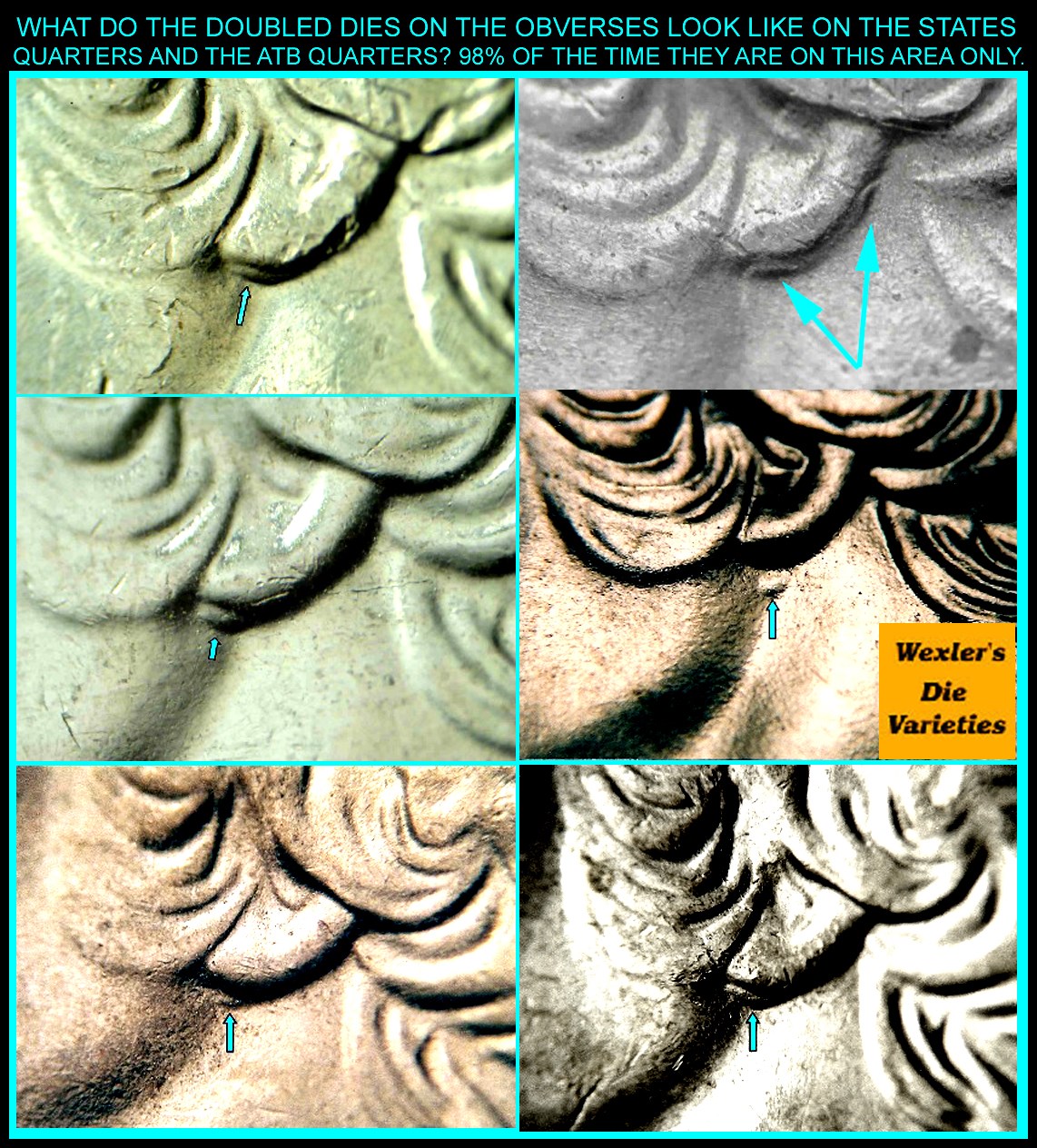
Note how the spread is an enlargement of the lobe of the ear. If it doesn't enlarge/create a hub double, then it is not a
DDO on the ear. If
Machine Doubling alters the devices, it is not hub doubling as it didn't come the die, but from movement of the machine. The second area on the obverse is the affected is the motto on these quarters:

Note the
Machine Doubling on the left image. That is a removal of the contour of the device, making that area reduced in size. But note on the right the affect of the spread on these devices. Note the distortion of them? That is what the class 9 hub doubling looks like most of the time. A distortion of the devices by spread created on the die.
On the reverses, the
DDR's are mostly found only on the central areas of the design. That is the target area. The devices will be enlarged on those areas:
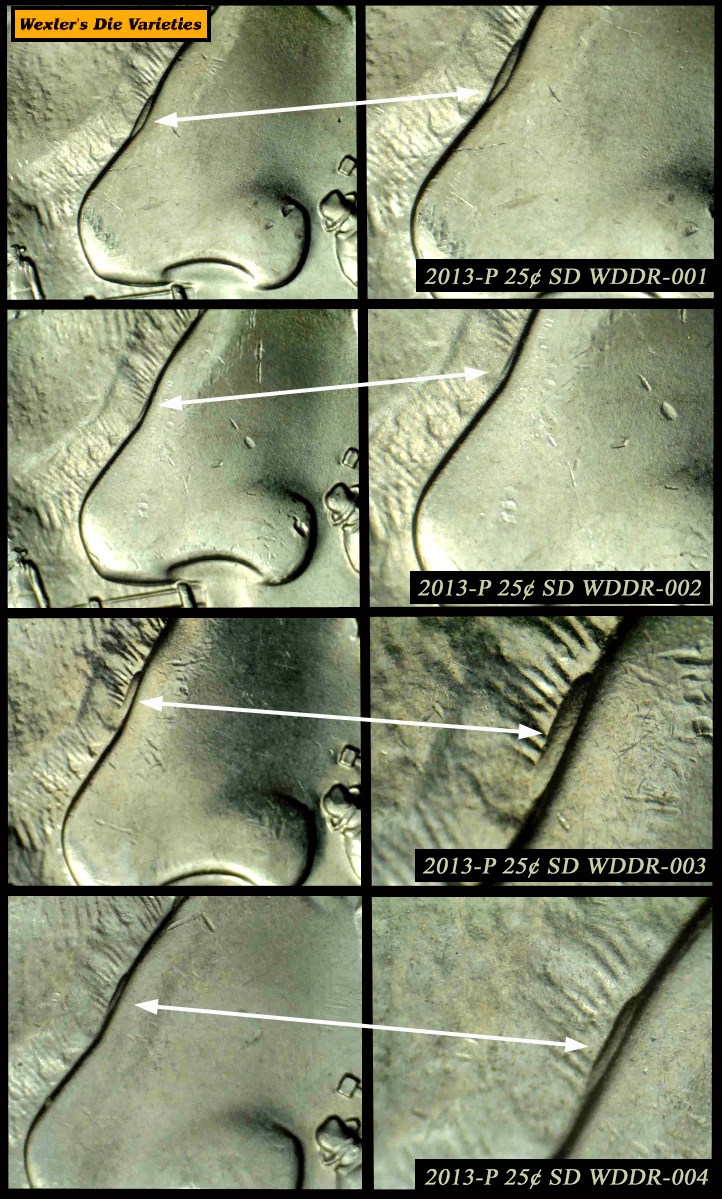
Note the differences created by the hub doubling on the central area of this design. There are many for each design. So if you don't look up this information on Wexler's site, then you would be guessing where to find these
DDR's. We often use a map to get to a destination. Well in your searches, look for the destination of the locations of the doubled dies on the designs. Know what to look for Each design is different. So look in the target areas for the devices to be affected and how/what to look for on these. If you were going to look for gold, you need to know about there to look, what it looks like, and what you need to find it. Just stumbling in the dark, doesn't speed up the process. Know what to look for by know where to find it. Wise, you will be finding stuff that is nothing to a true variety collector. On these images, these are just a grain of salt of what I have on hand. I didn't create any images for this thread. These are among my 12K set of images. Putting them together takes some time, but seeing the differences side by side, helps the eye to train itself so you can find that you are really looking for. So much to cover, I would have to make different topics on each denomination. But if the spread/distortion/addition added to the die isn't there, it is not a doubled die.
Machine Doubling alters normal and doubled dies as well as it is machine movement that distorts the devices after the strike. Look for the spread, enlargement of devices. If you see it enlarged, also make sure it is not just die wear. Clues? Die flow lines, the devices being distorted wider at the rims and closer in smaller:

Note these devices are enlarged, but they are not doubled dies. Just extreme die wear. Just like fools gold, you have to train your eyes to see the differences. When you have questions, always ask. Make it a new topic of discussion, then the subject will be easier to find when the specific question is asked on a new thread. Hope this helps with your question.









 Posted 11/24/2021 12:54 pm


