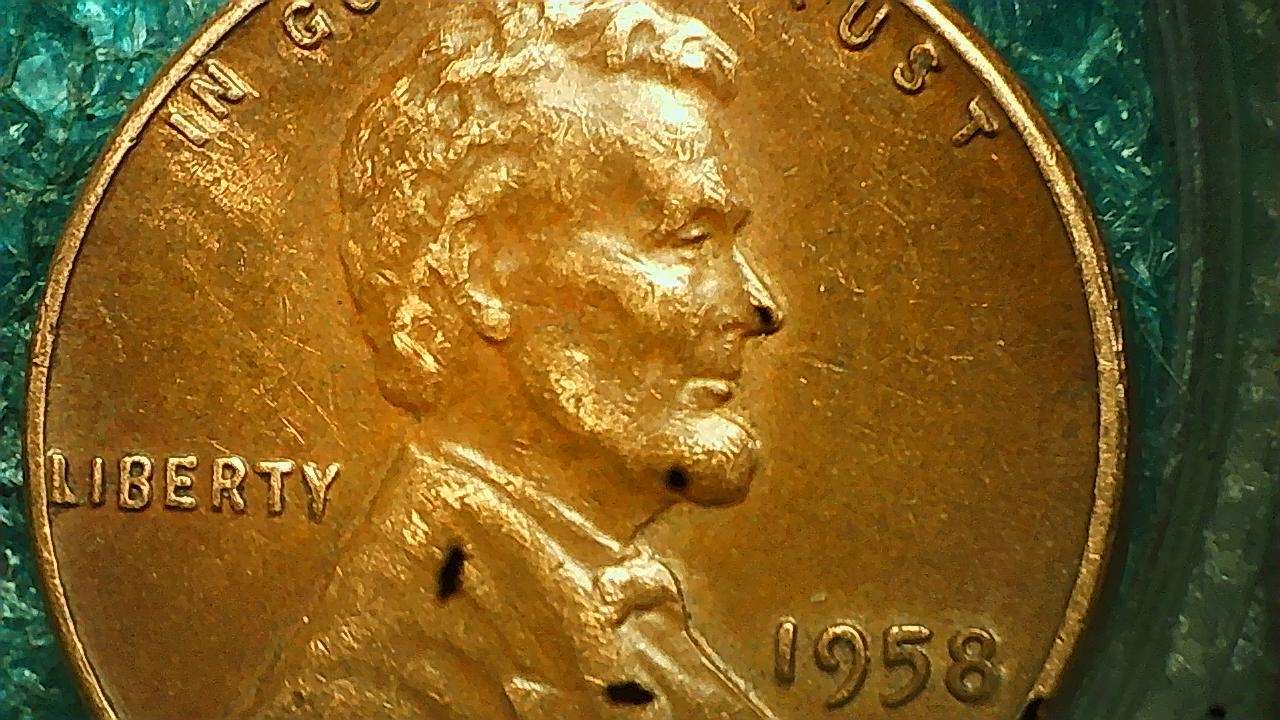
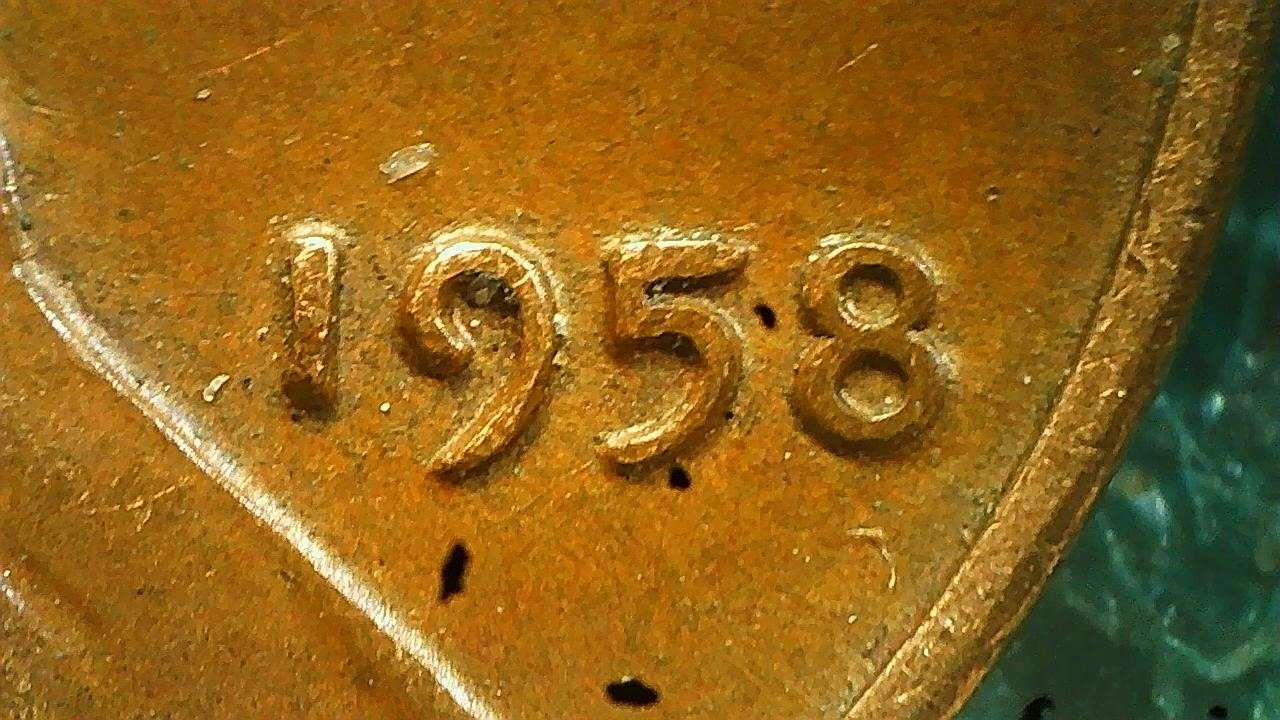
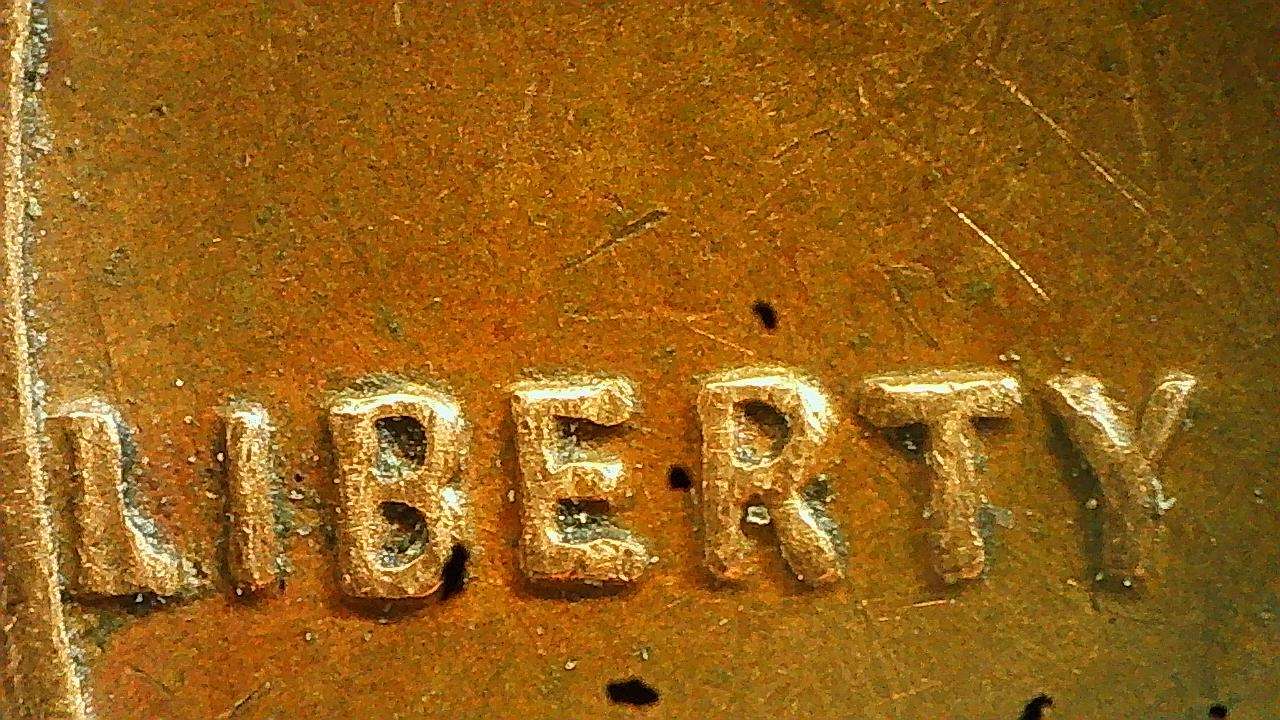
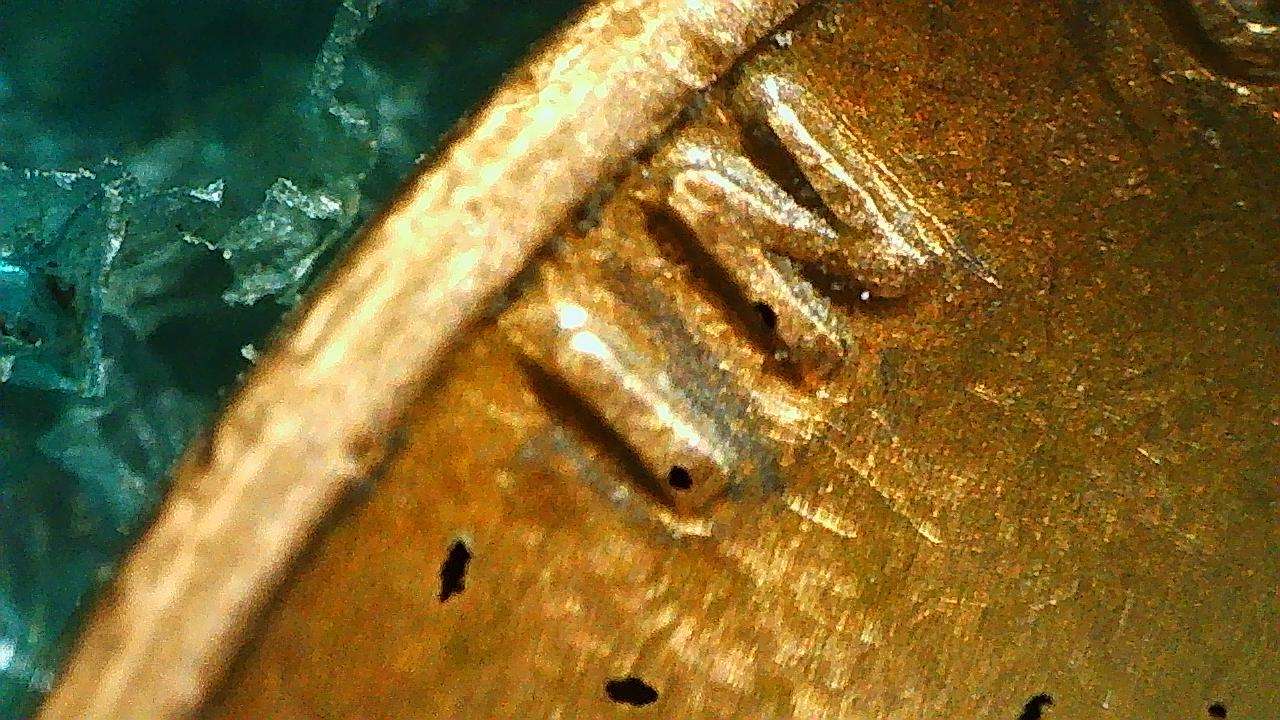
I think what is happening here is the common mistake many people make nowadays since microscopes are a dime a dozen.
Forums nowadays are much more busy with posts such as this one. You are looking way too hard to try to find something on a coin that is showing all the signs of the minor non collected imperfections the minting process produces, and always has resulted in: The kind of imperfections that were always there before inexpensive microscopes and went unnoticed.
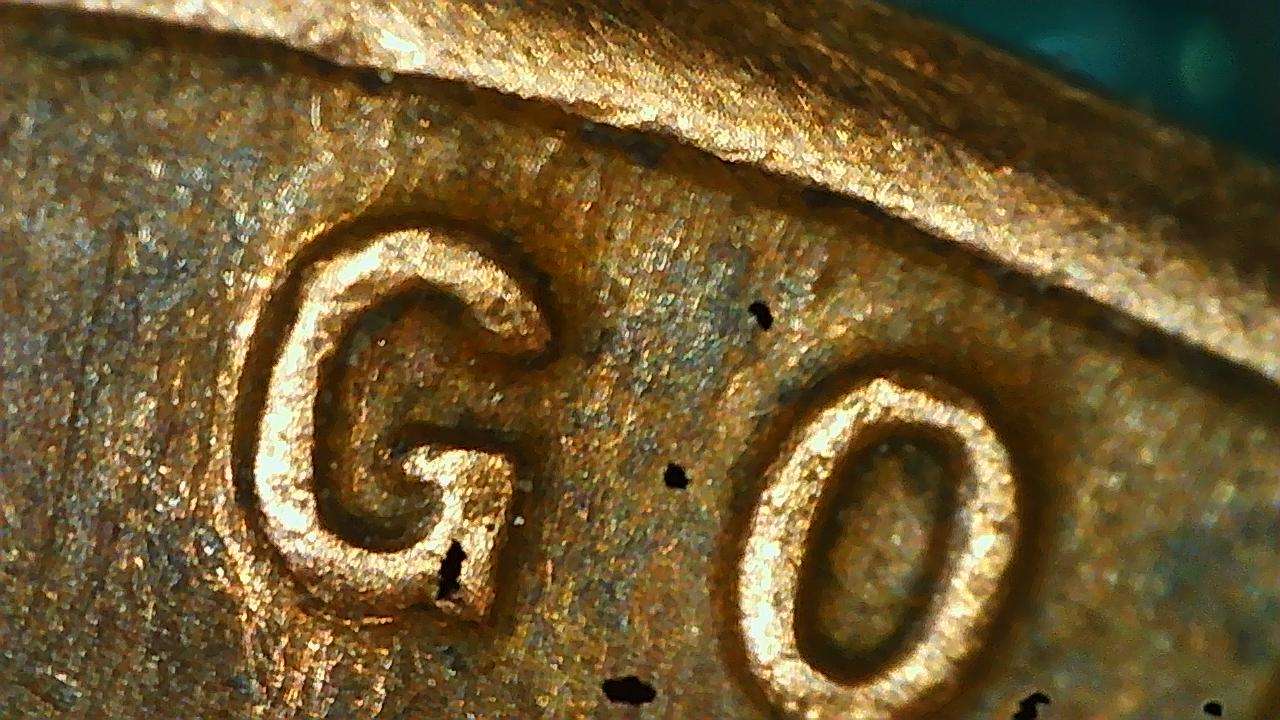
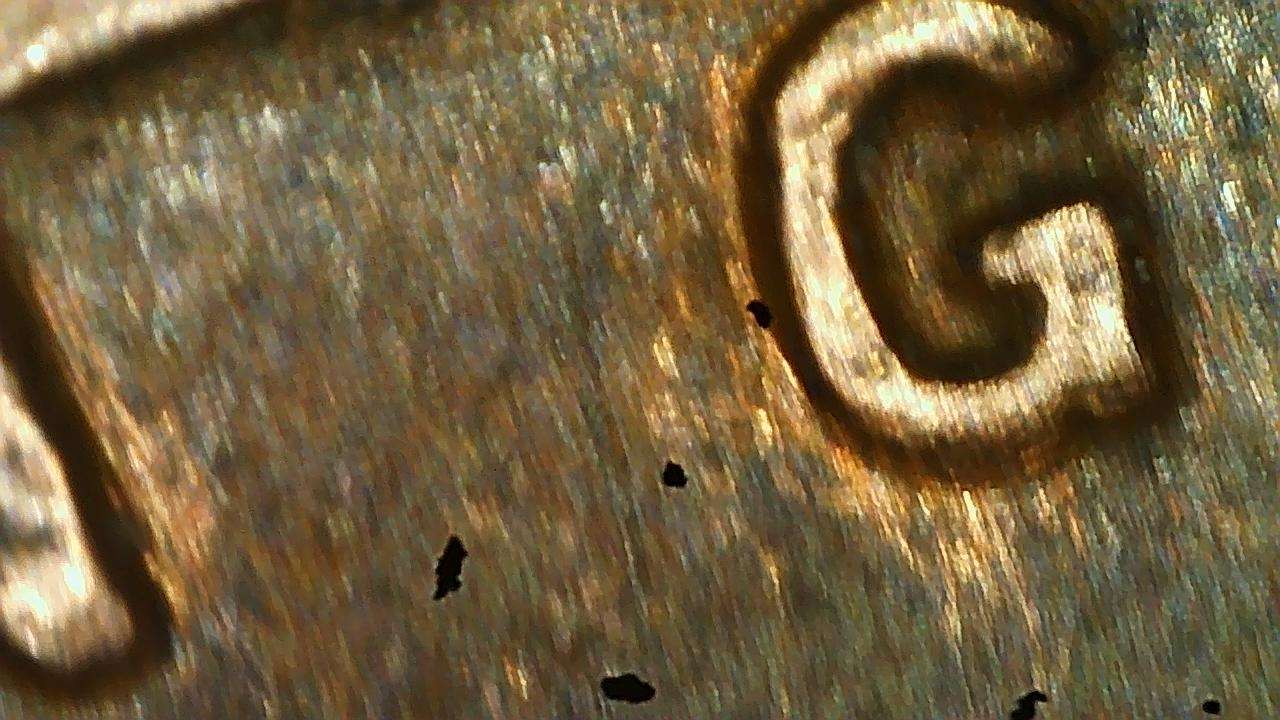
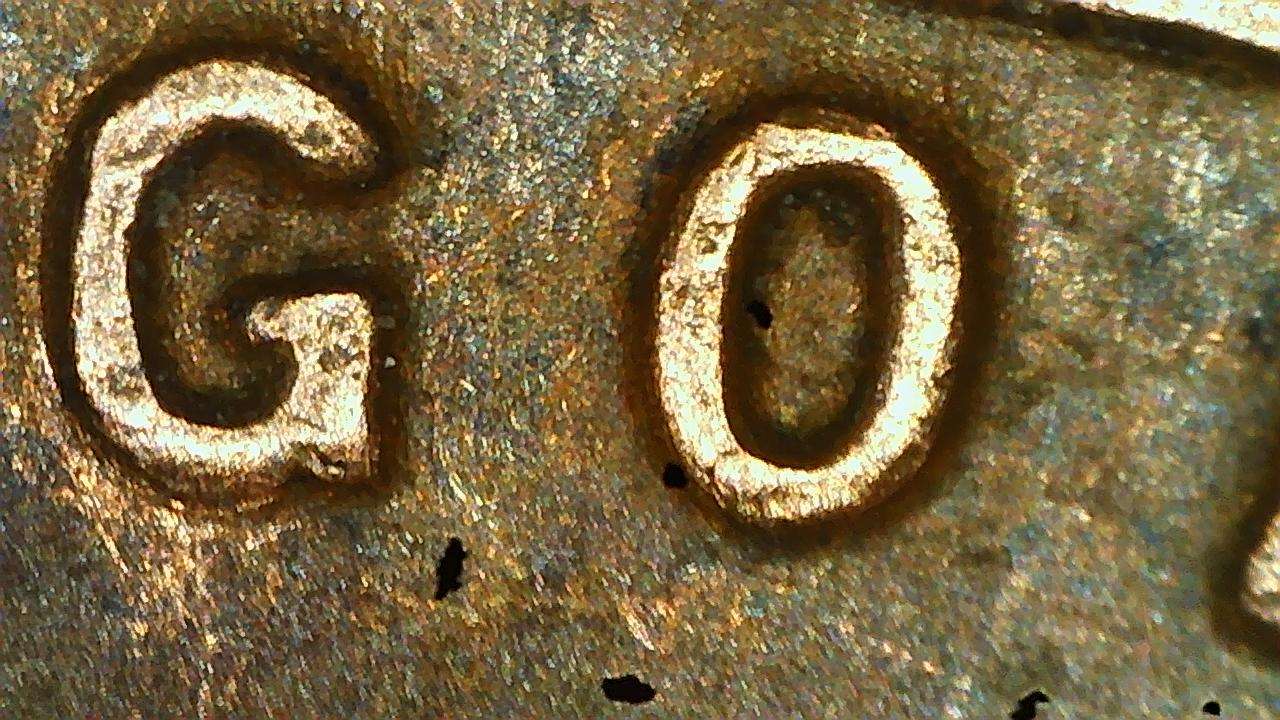
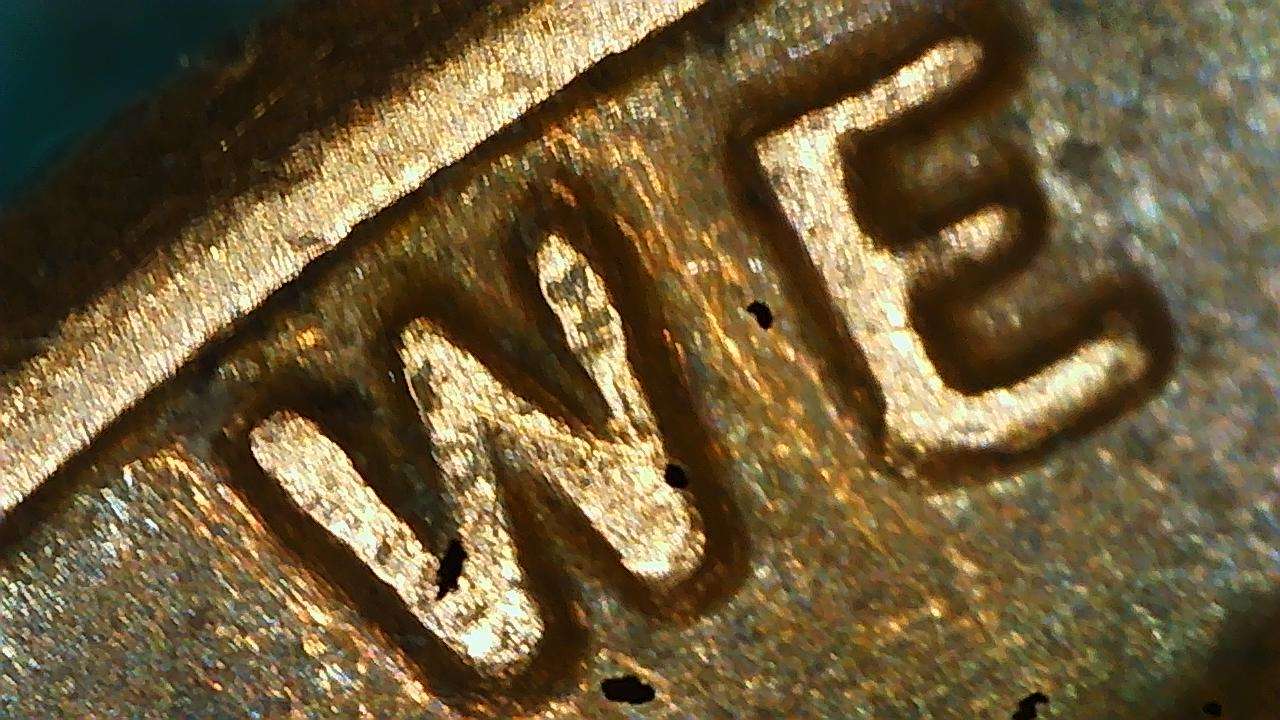
When magnification of this level is used,
Pareidolia comes into play and we see all sorts of things.
Take a step back and think about legitimate coin errors people will pay money for.
These errors are not the ones you need a microscope to see. A money-worthy
DDO or
DDR needs little is any magnification if a person has good eyes. A 3X loupe easily shows any money-worthy
DDO DDR.
Save Yourself time, effort, and disappointment...don't learn the coin hobby backwards. 
Looking for random anomalies on coins and hoping they match up to something collectable will take you a lot more time, wasted effort, and disappointment repeatedly finding out you have nothing but post mint damage.
Spend some initial time at places like error-ref.com, doubleddie.com, varietyvista.com, conecaonline.org, coppercoins.com etc. to find what actual and collectable coin errors look like.
A good way to start is, for instance, separate a bunch of pennies by date. Go to varietyvista.com and, date by date, use the reference there to see what errors are known for that specific coin/mint mark. Look for those specific errors/varieties using the pictures provided. After doing this for awhile you will KNOW what an actual error looks like and not have to waste time on face value and damaged coins.








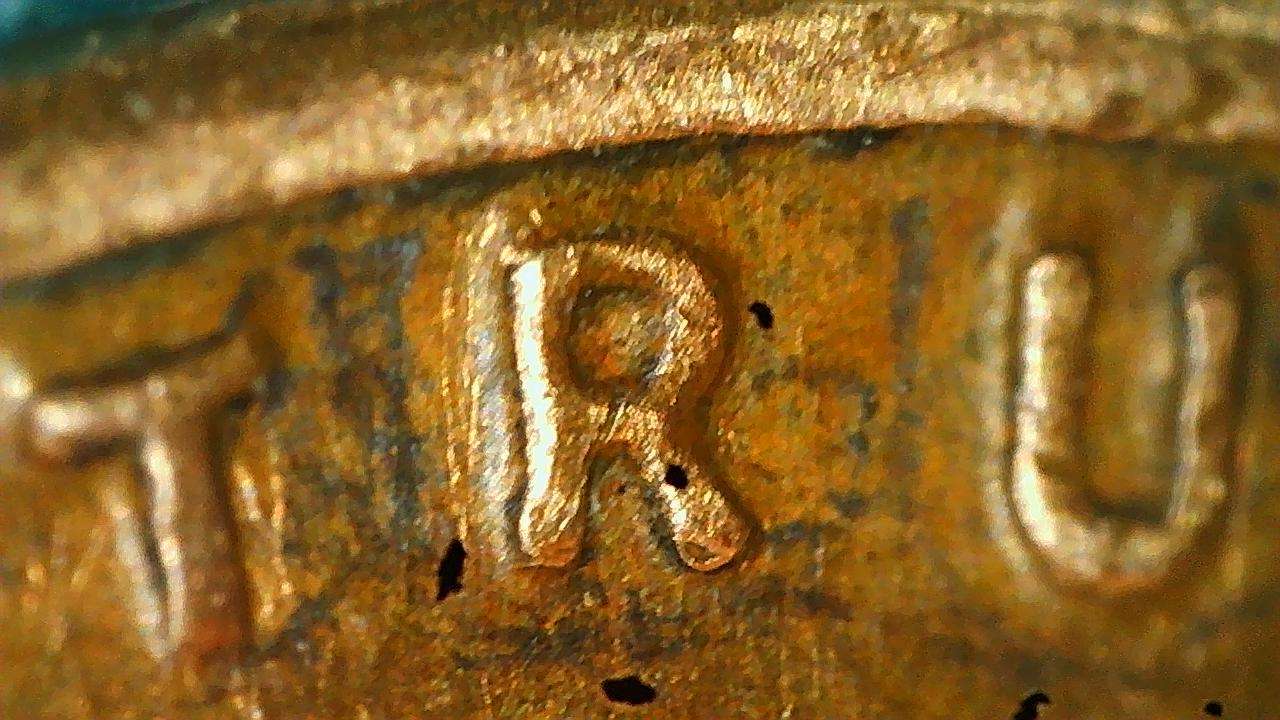
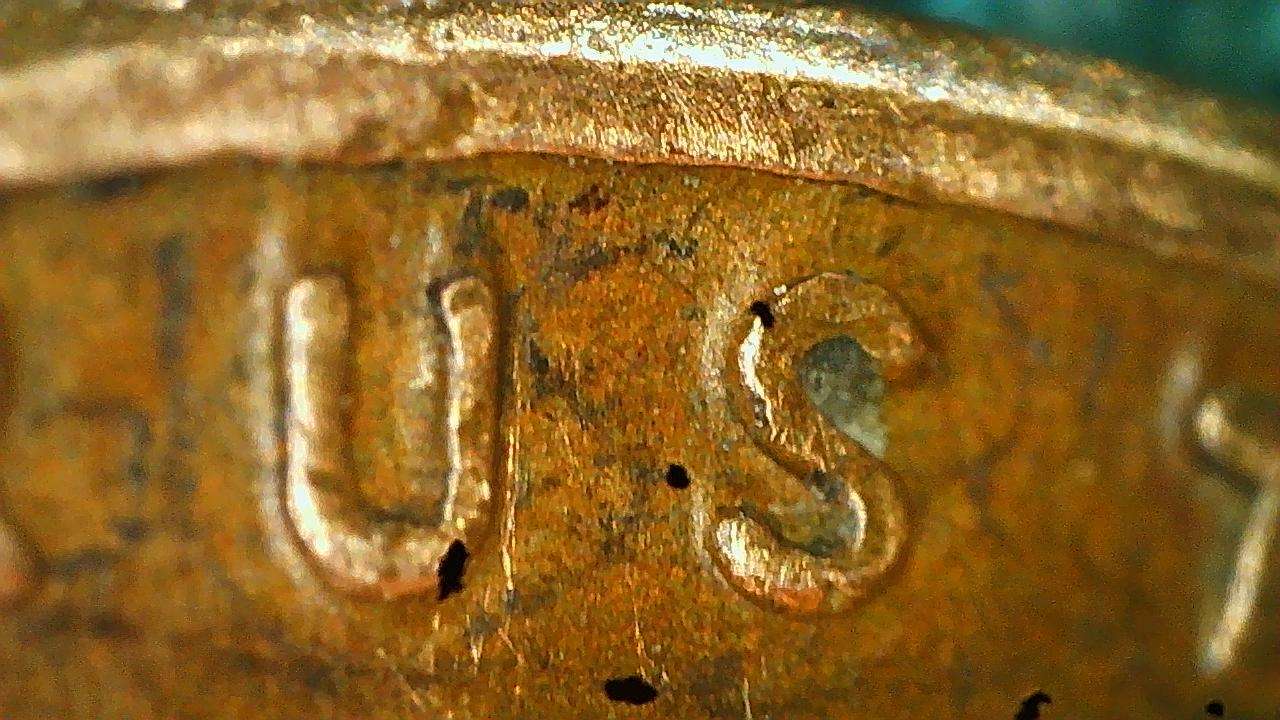


 Posted 11/28/2021 09:06 am





