Thank you all for the interest, I will be sure to keep you all updated!
@tdziemia
Quote:
How long is that list? And I hope you will continue to post them here for us to enjoy, as you fill that collection
The list is quite long and about to get longer due to a decision I just made

I will get my spreadsheet all good looking and updated and will post that at some point here on the forum!
@palouche
Quote:
Very interesting collecting theme, which areas do you think will be the most difficult to acquire?
Paul
I don't have the faintest doubt that the hardest to acquire will be a suebic coin. Those are crazy expensive, consistently upwards of 10k. Honestly I don't think I will ever get one unless I level up a lot in the game of life hehe
There are some others, like some muslim taifas and some christian counties that are pretty scarce too and will probably set me back one or two thousand euros if I decide to get them, but in time I will be able to save up for that when I'm working (student life doesn't allow for that at all I'm afraid). But the 10k+ is just absurdly hard for me to get even many years in the future!
@lucky cuss
Quote:
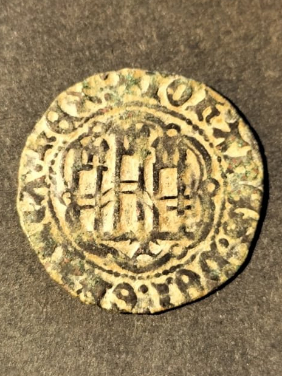
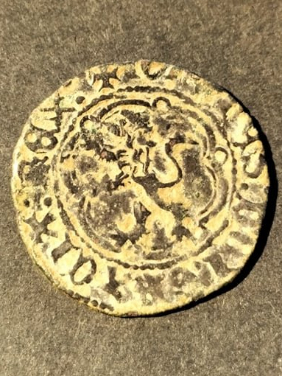
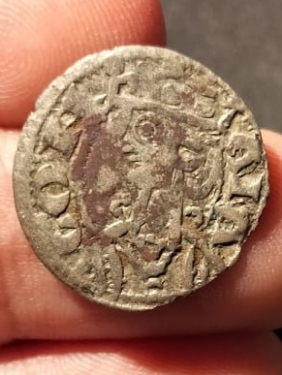
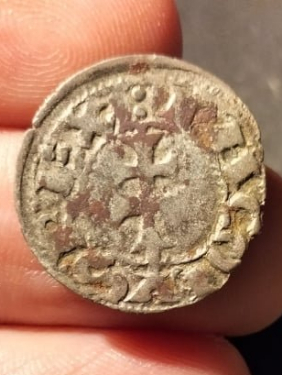
I wonder if beyond the "billon" designation the precise composition of these has ever been determined. It'd be interesting to subject them to analysis by x-ray fluorescence (XRF), especially that Aragon one to see if Jaume el Conqueridor was being truthful regarding the continuing purity of Aragon's coinage. Certainly his campaigning in the cause of reconquest and his ultimately abortive participation in the Crusade of 1269 were both such costly endeavors that it would've been tempting to pay for them via debasement.
Curiously I am currently reading some papers presented in a set of symposiums on the "Problems of Medieval Coinage in the Iberian Area" and I just read one the other day about the Aragonese coinage. As far as I know, the author himself didn't quote many chemical analysis but back then in the 80s the XRF analysis of coins was really in vogue so some day I'm bound to find some experimental results on that. In a paper on the monetary history of Aragon he does quote a result stating that an obolo from Alfonso IV (1327-1336) was struck at 4 deniers fine (33%), experimentally verified. But that isolated result hardly has any significance and on the symposiums nothing was presented regarding analysis of aragonese coins (some results on portuguese coins are presented though, that's quite a fun read). In any case the author in said paper explained in detail the monetary history of Aragon, and in particular the part where they made those promises and surely has some data to back it up, I quote:
Quote:
By 1100, there was a succession of brisk variations, issues of reduced fineness being interspersed among regular issues of coins of quatern (4 deniers fine, i.e. 33 per cent of silver). It is important to note that those debased issues were coinages of necessity, which were produced in order to compensate the encroachment upon resources suffered by the king in the wake of the Almohade invasion, which cut off the afflux of parias. But, that was a phenomenon which only occurred by that period. For the remainder of the Middle Ages, there are no reasons to speak of bad currency.
I if you're interested I can read the full paper again and try to summarise it for you!
Benny









 Posted 12/03/2021 12:56 pm


