Before to answered here I consult the Metallurgical engineering Clad process to be sure and not to be erroneous.
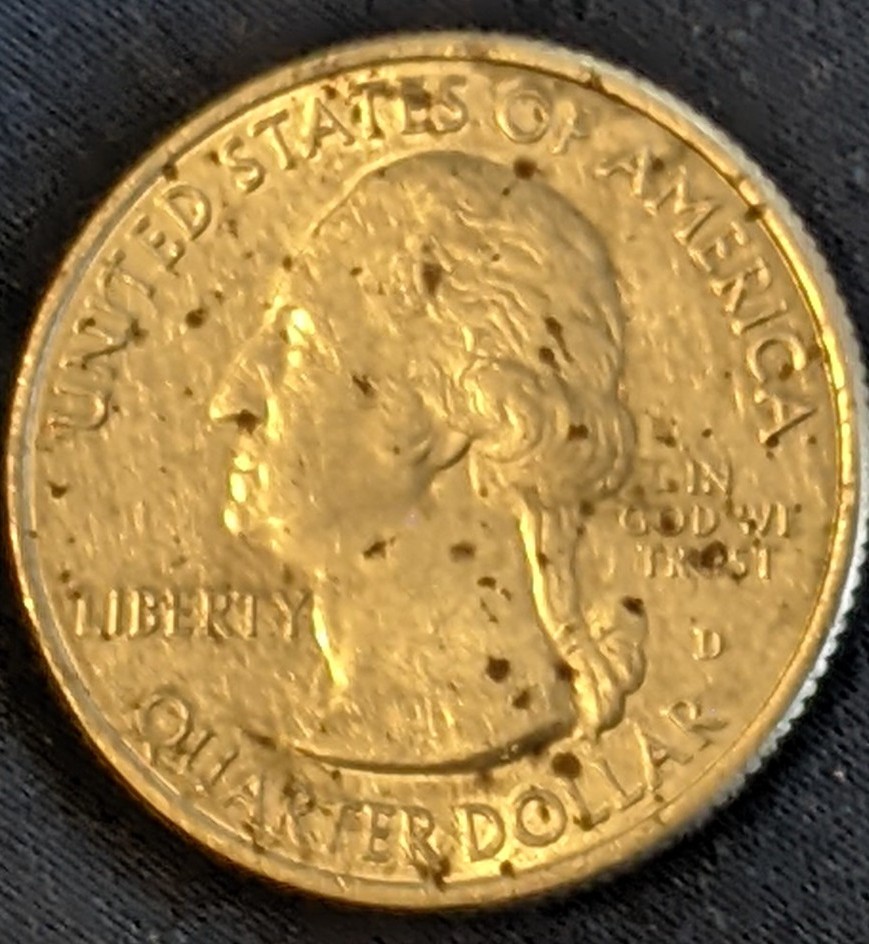
The term you give, it is not a technical term but if employ on numismatic I do not say nothing. The bubbles you see could have two causes.
1. If it is a core Foliated (missing after the rolling and roll process of core), then after the Glad process which do not take the form of the core planchet and etc, The planchet will finish before strike at annealing. If is missing on core due to heat effect the clad will develop bubbles.
2. It is in the same processes like mentioned, when it is apply the clad, some extra outside particles like dust, metal, etc. will be incorporated between the core and the clad, which will give your coin appearance.
Only incentive action can say exact, but this action destroy the coin. So in conclusion: The appellative is given do not matter to much. Those things in my opinion must be put in the category of the planchet defaults. Could be different opinions here but if the core is foliated or ex-foliated, or the clad cleaning system has an malfunction, for me it is clear that it is planchet error.
I think it is enough for the moment. On this issue I can wrote many pages and put tests results and chemical reactions under annealing process.
On your case I will go with the second point due to the weight of the coin. Outside extra material.
Edited by silviosi
01/22/2022 5:29 pm













 Posted 01/22/2022 4:49 pm


