









 Posted 02/12/2022 10:05 am


Quote:
Shame, this is one tough date.
Shame, this is one tough date.
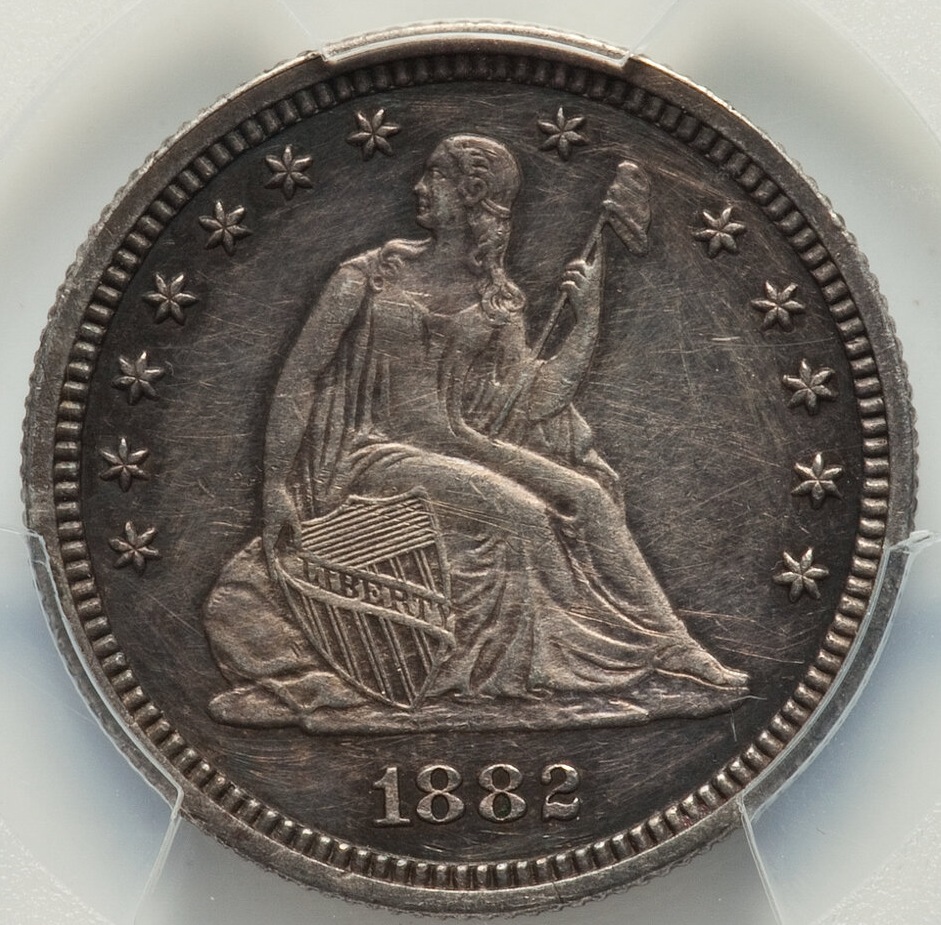
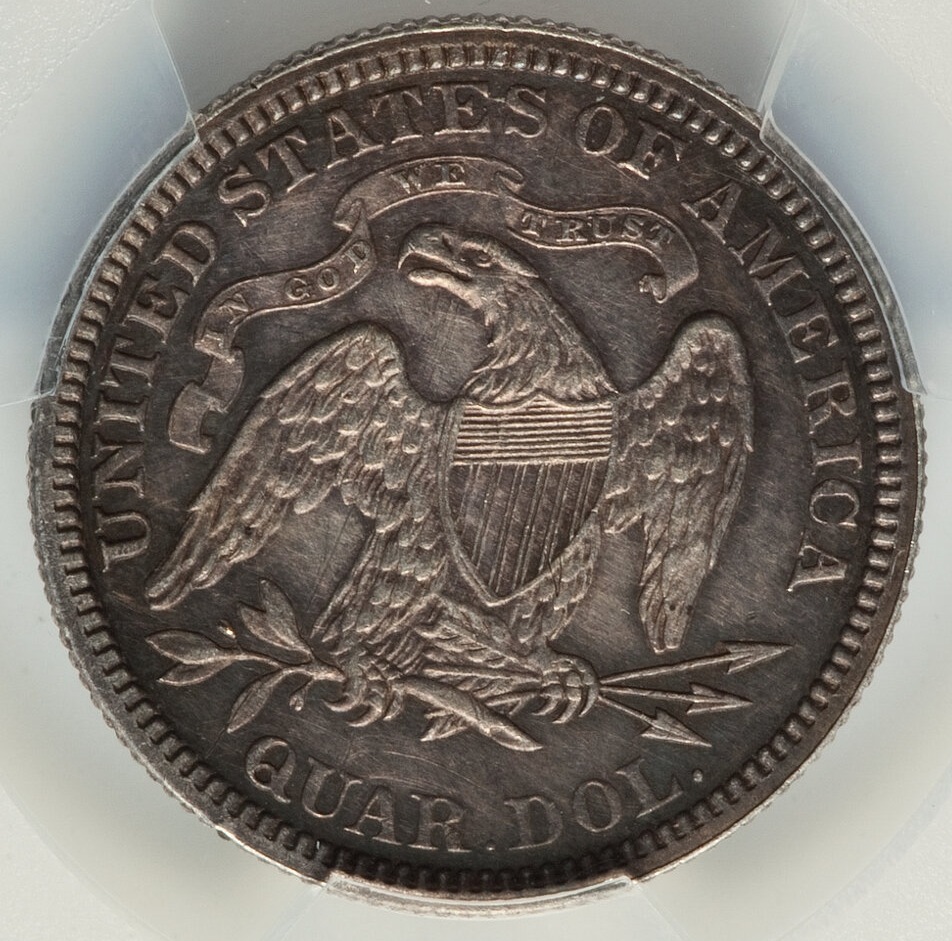
Yep, sometimes I bottom feed for coins I can't otherwise afford. It helps to imagine the circumstances of the impairment. In fact, I'm pretty sure I know exactly what happened to this coin:
It was October 1884, two years after the coin was minted, in the Philadelphia pied-à-terre of Lester Brumbaugh, an aristocrat who entertained his mistresses in the posh but discrete studio along Vine Street. Brumbaugh had been at his desk, admiring a few coins in his collection, before his companion called him to the table for afternoon tea.
At that moment, both Liberty and her eagle became spontaneously self-aware. Conscious but still largely non-corporeal beyond the raised texture of silver on the disc, they willed themselves enough kinetic energy to topple the coin off the desk and into the waste bin. This was was soon emptied into the street below, right out the window by the scullery maid.
The coin bounced onto its rim and rolled into the center of the Victorian thoroughway, before flattening, now covered in a thin veneer of horse manure, onto the stone pavement.
A Hansom carriage was racing through the neighborhood. Much to the distress of Liberty, already suffering the indignity of being covered in horse excrement, the rear wheel of the carriage caught the coin right on the rim, flinging it against the wall of Potter's Bar, after which it toppled into the entry path of the saloon, where none other than Greenback Party presidential candidate Benjamin Franklin Butler was just exiting after three straight hours of bourbon & snuff, paid for - of course - in greenbacks and paper fractionals.
Butler resented bullion coinage of all types, and so regarded the appearance of the sentient coin in his path as a matter of both insult and good fortune. And when Liberty --- who through sheer force of will had managed to "speak" to Butler by creating quantum level vibrations that catalyzed airwaves just as a human larynx might -- the inebriated Butler misinterpreted her plea to "please take me home", and was in fact offended by it. Rather than pocketing her, he tossed Liberty and her bird of pray onto a passing coal wagon, where the coin suffered numerous abrasions as it jostled ever deeper into the black & scratchy load of coal.
That load was dumped later through the cellar trap of an elegant second-empire style bourgeois residence situated just within the city limits, housing none other than the Phidelphia mint director Horatio Burchard.
There, Liberty and her eagle sat forlorn under a pile of coal for another six months when, sadly, their respective consciousnesses expired out of sheer boredom. Then, a few days after Buchard was fired from his position in the summer of 1885 for undisclosed indiscretions that threatened to scandalize the honorable mint, he went into his cellar for the first time in 20 years to shovel coal, having let his servants go for want of means to pay them.
Whereupon Buchard recovered the now non-sentient coin, abraded and discolored, and tossed it into a box in his study with a large lot of other coins he had pilfered from the mint during his years of loyal service.
He took the box down downtown -- to Vine Street, ironically -- where he met a man named W. Elliot Woodward at Potters Bar. After three shots of bourbon each, Woodward gave Bouchard seven half eagles for the box of coins, for which he later realized a profit of nearly $200, although the protaganist in our story -- the 1882 quarter that, for awhile, was doubly sentient -- was simply too heavily damaged to sell.
Like I said, I'm pretty sure that's exactly what happened.
Edited by pristine2
02/12/2022 2:47 pm
02/12/2022 2:47 pm


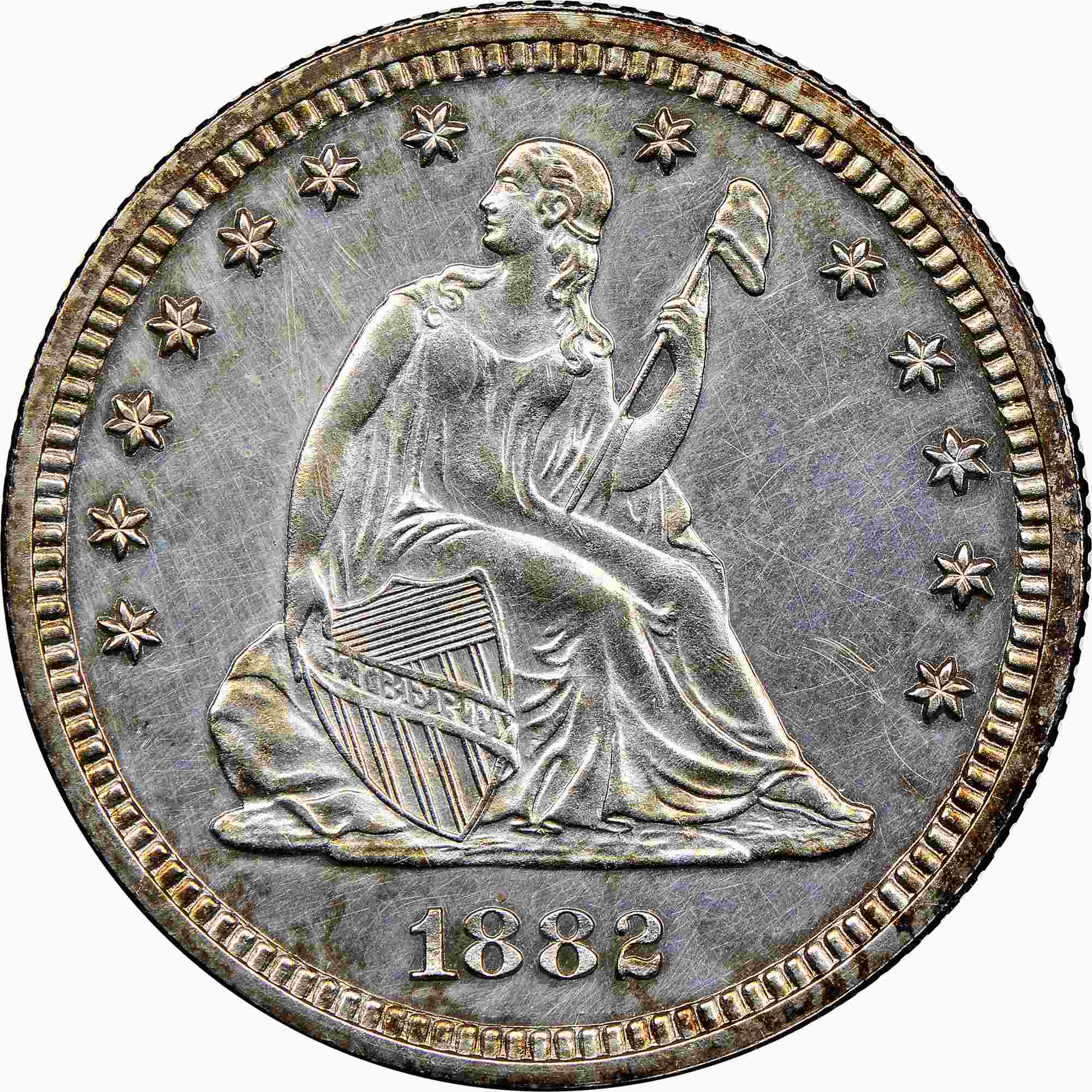
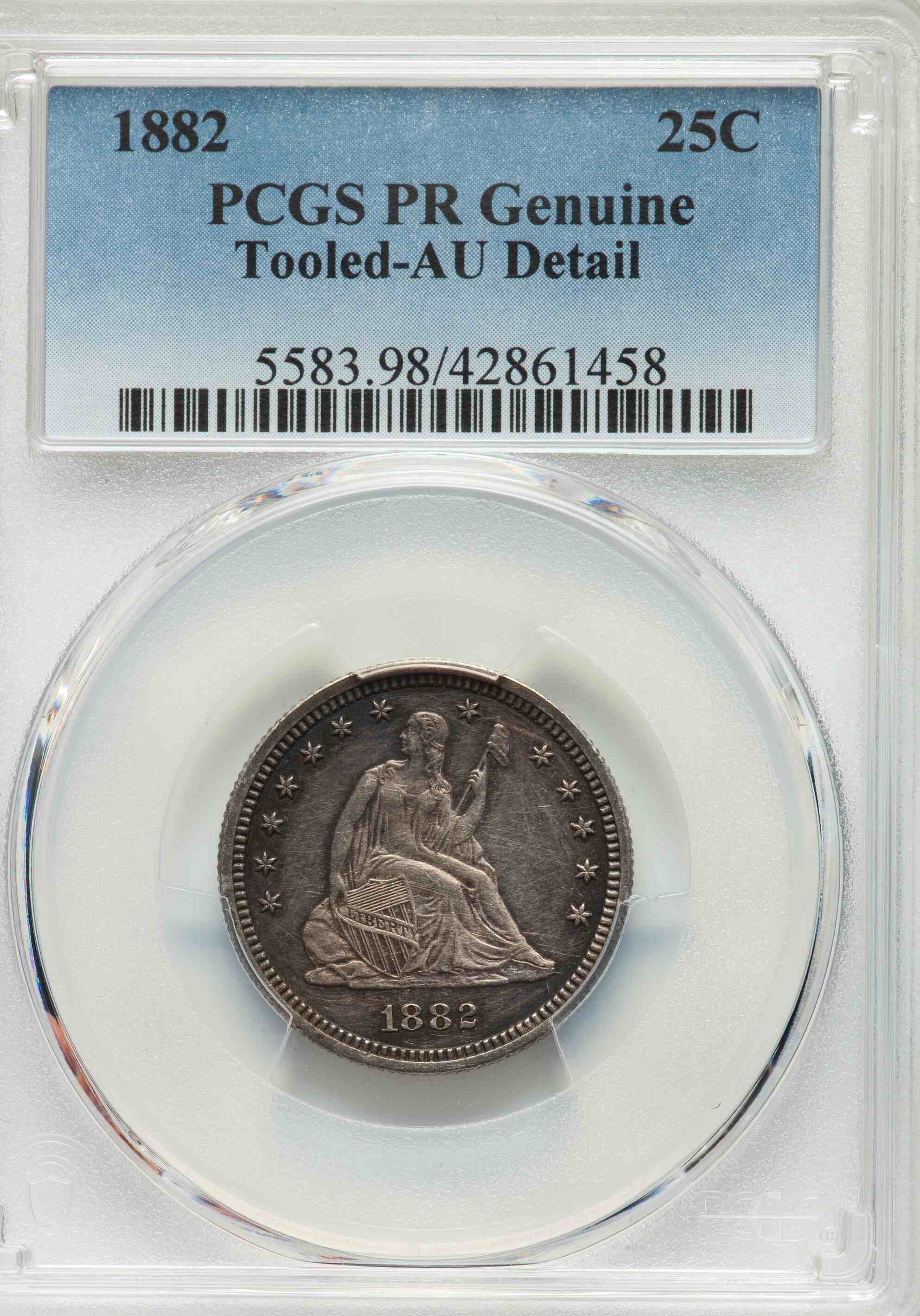


 what was I thinking


