











 Posted 04/05/2022 01:57 am


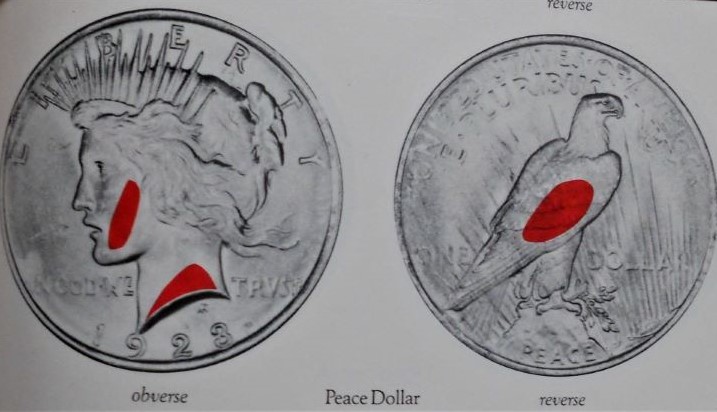
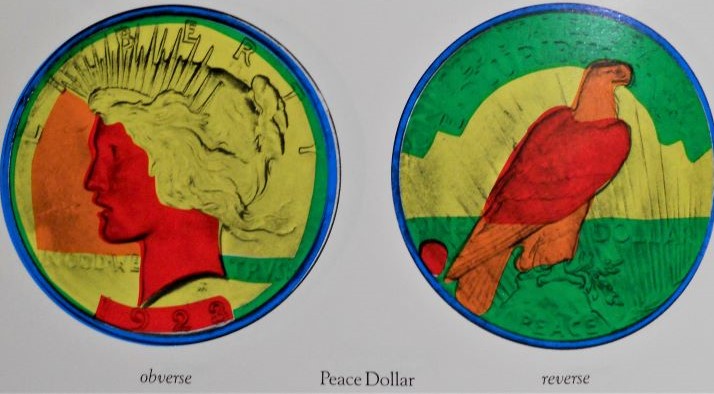
I agree that grading from pictures is not the same as grading hands on under the proper lighting and from pictures all we can give is our best educated opinions based upon what we observe. I do have to disagree however with the placement and severity of marks. Surely a considerable mark in a hairline wouldn't be as noticeable as a lesser mark on the cheek or in an open field. Grading consists of surface preservation which carries the bulk of the grade. This includes amount and severity of marks and their locations on the coin. Then there is strike, followed by luster and finally eye appeal. All of these factors can be assigned a number from 1 to 5. There is a formula for assessing a coins grade based upon the numbers you assigned to each category. For example: perhaps a coin has minimal contact marks in not so noticeable areas. You may assign this a 4 out of 5 on the scale. Since this surface preservation makes up the bulk of the grade(you multiply that number X 2 = 8). Then you look at the strike. Perhaps some weakness but not wear and average weakness for others of that date. You may assign that a 3. Coin exhibits blazing luster, you assign it a 5. Coin has average eye appeal, you assign it a 3. Total points equal 19. According to the formula found in the book by Halperin, That would give the coin a grade of MS-64. Is this a perfect solution to grading? Not by any means but is is more scientific than just guessing what a grade should be.


