









 Posted 05/01/2022 8:35 pm


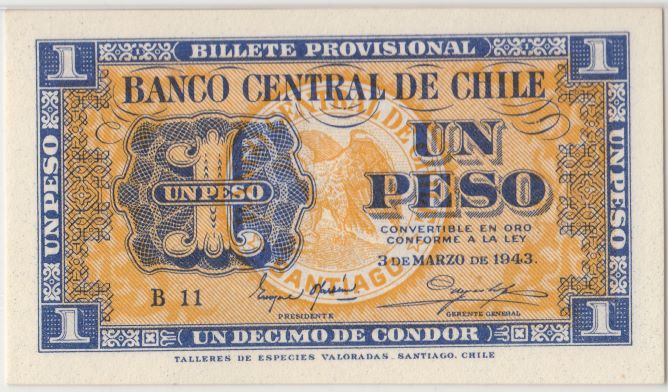
Serial numbers are added when the government or issuing authority actually cares about the quantity of notes issued and intends from the start to maintain some record and control.
If they simply don't care, for whatever reason, then adding serial numbers to banknotes is an unnecessary expense. Removing serial numbers also has the side effect of hiding just how many notes are being issued, if the government were concerned with keeping such statistics secret.
Typical instances of "not caring" are:
- Low face value notes
- Hyperinflationary notes not expected to circulate for long
- Notes issued in wartime for use in occupied enemy territory.
The Japanese Invasion Money is an excellent example. They originally were issued with serial numbers, but quickly dropped them once resources began to be depleted. Examples of "early JIM" with serial numbers are much more valuable than the later number-less versions.
If they simply don't care, for whatever reason, then adding serial numbers to banknotes is an unnecessary expense. Removing serial numbers also has the side effect of hiding just how many notes are being issued, if the government were concerned with keeping such statistics secret.
Typical instances of "not caring" are:
- Low face value notes
- Hyperinflationary notes not expected to circulate for long
- Notes issued in wartime for use in occupied enemy territory.
The Japanese Invasion Money is an excellent example. They originally were issued with serial numbers, but quickly dropped them once resources began to be depleted. Examples of "early JIM" with serial numbers are much more valuable than the later number-less versions.
Don't say "infinitely" when you mean "very"; otherwise, you'll have no word left when you want to talk about something really infinite. - C. S. Lewis


