Wartime issues from the Middle East are very commonly found in old soldiers estates here in Australia. Most of our diggers stopped somewhere in the Middle East while enroute to and from Europe, even if they saw no active service in the Middle East directly. And such souvenirs are usually in quite poor condition.
So while not worthless, I don't believe there's anything of high monetary value here. A dealer might give you a few dollars each for them, you might get a few dollars more if sold on
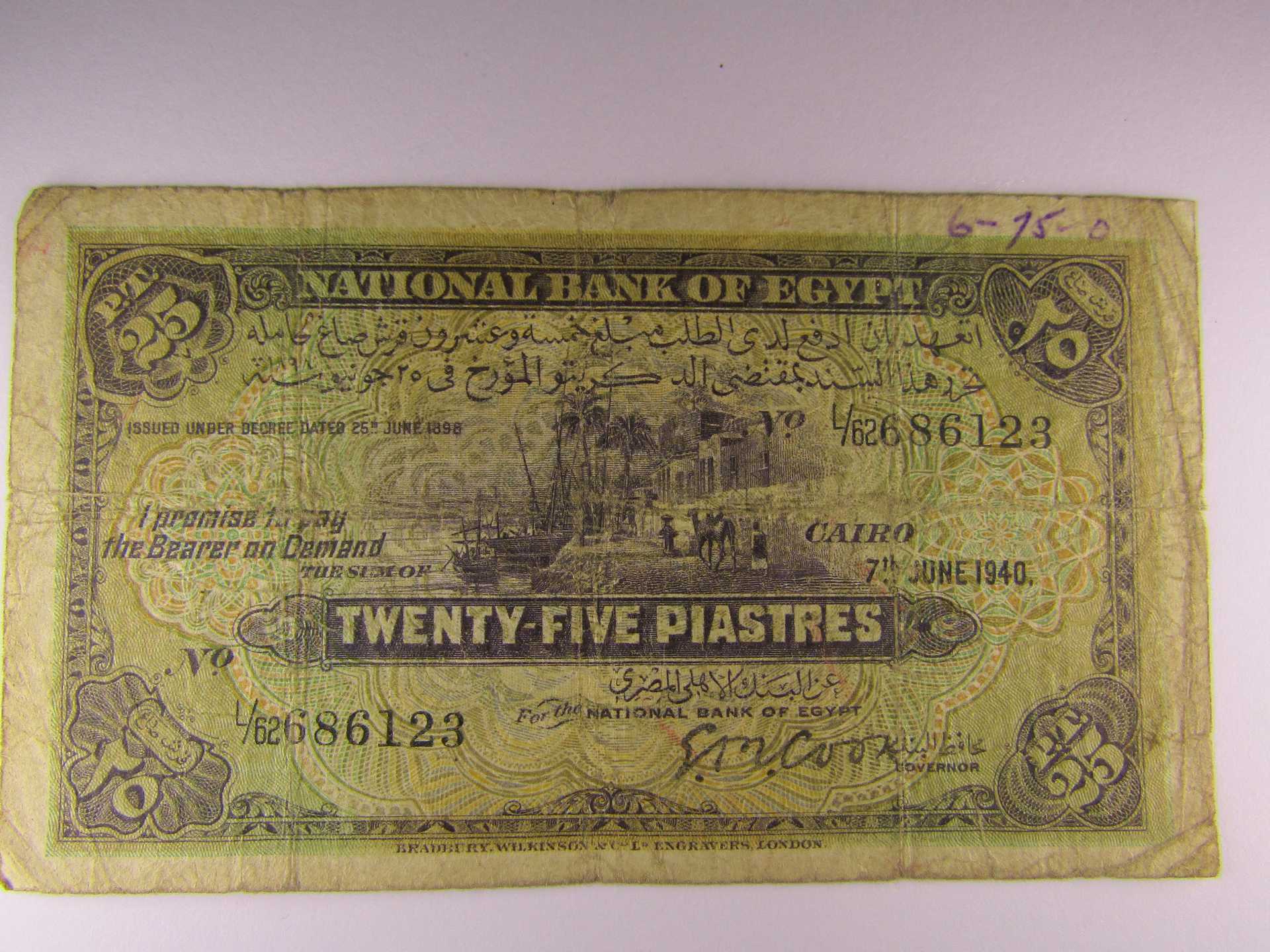
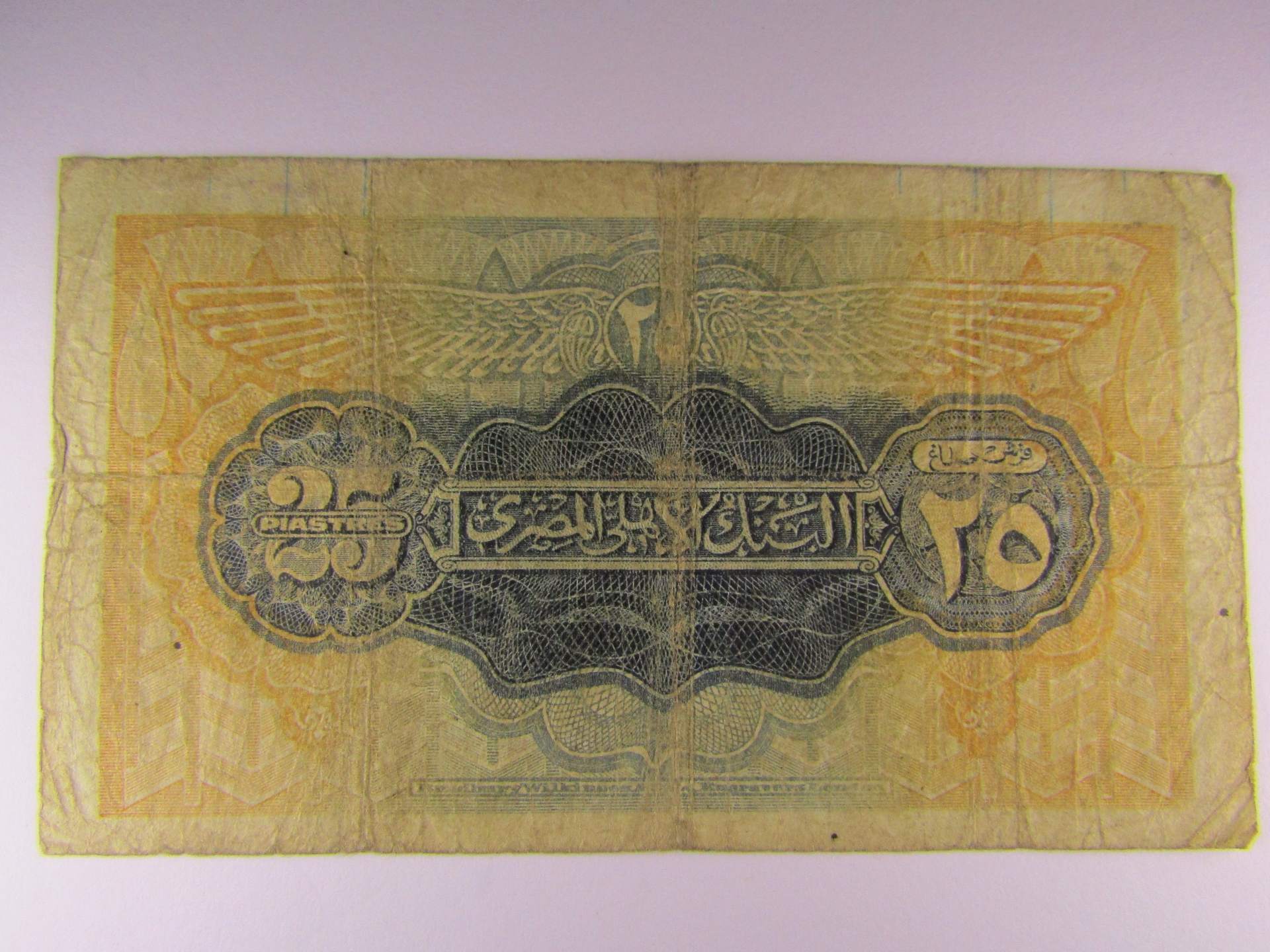
ebay. I believe the highest-value piece you have is that first note, the Egyptian 25 piastres from 7th June 1940; this particular variety, from June 1940 with the "Cook" signature, is scarcer than issues from later in 1940. In excellent condition these notes can be worth hundreds of dollars; this one, maybe $10 or $20?
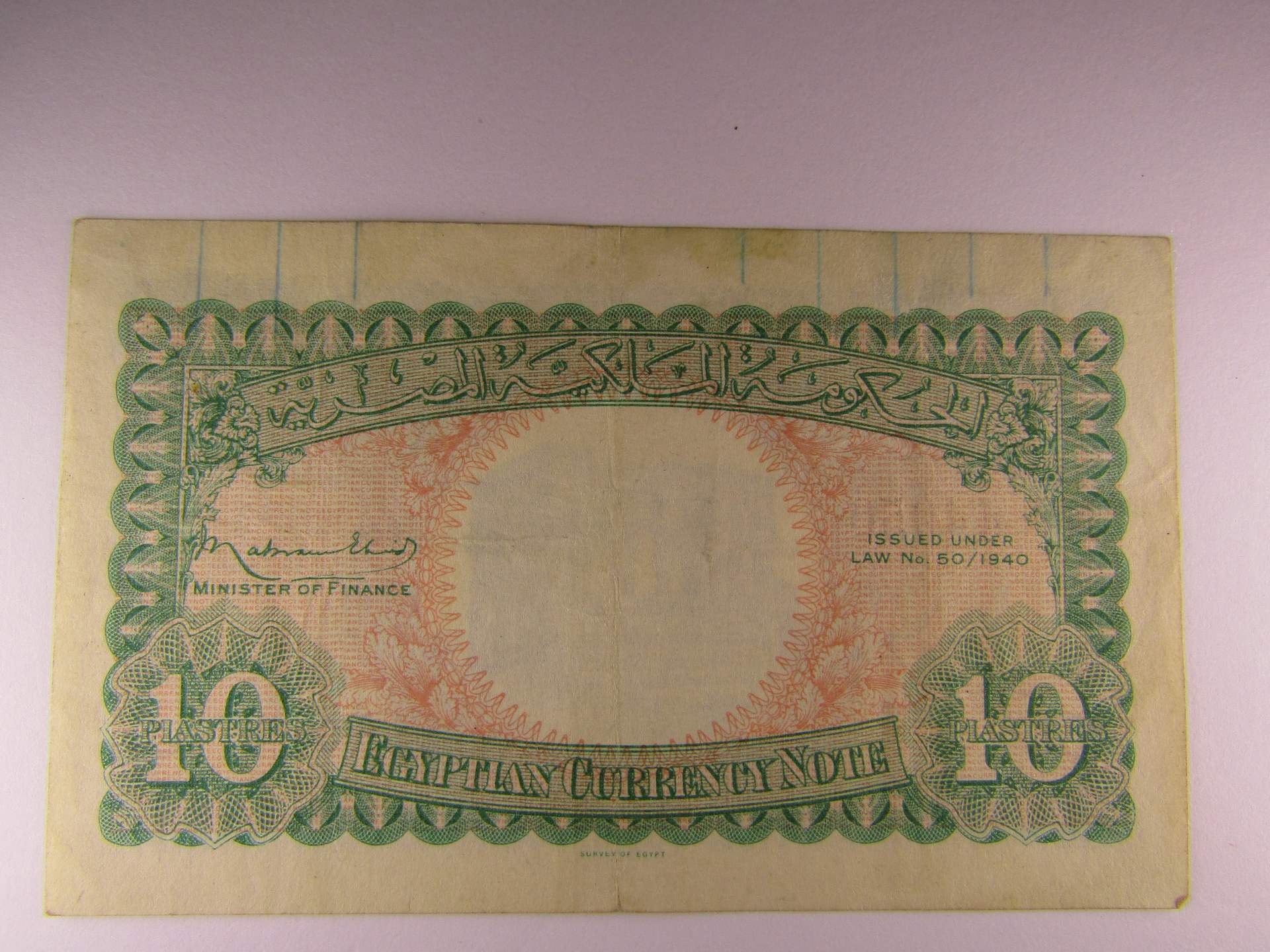
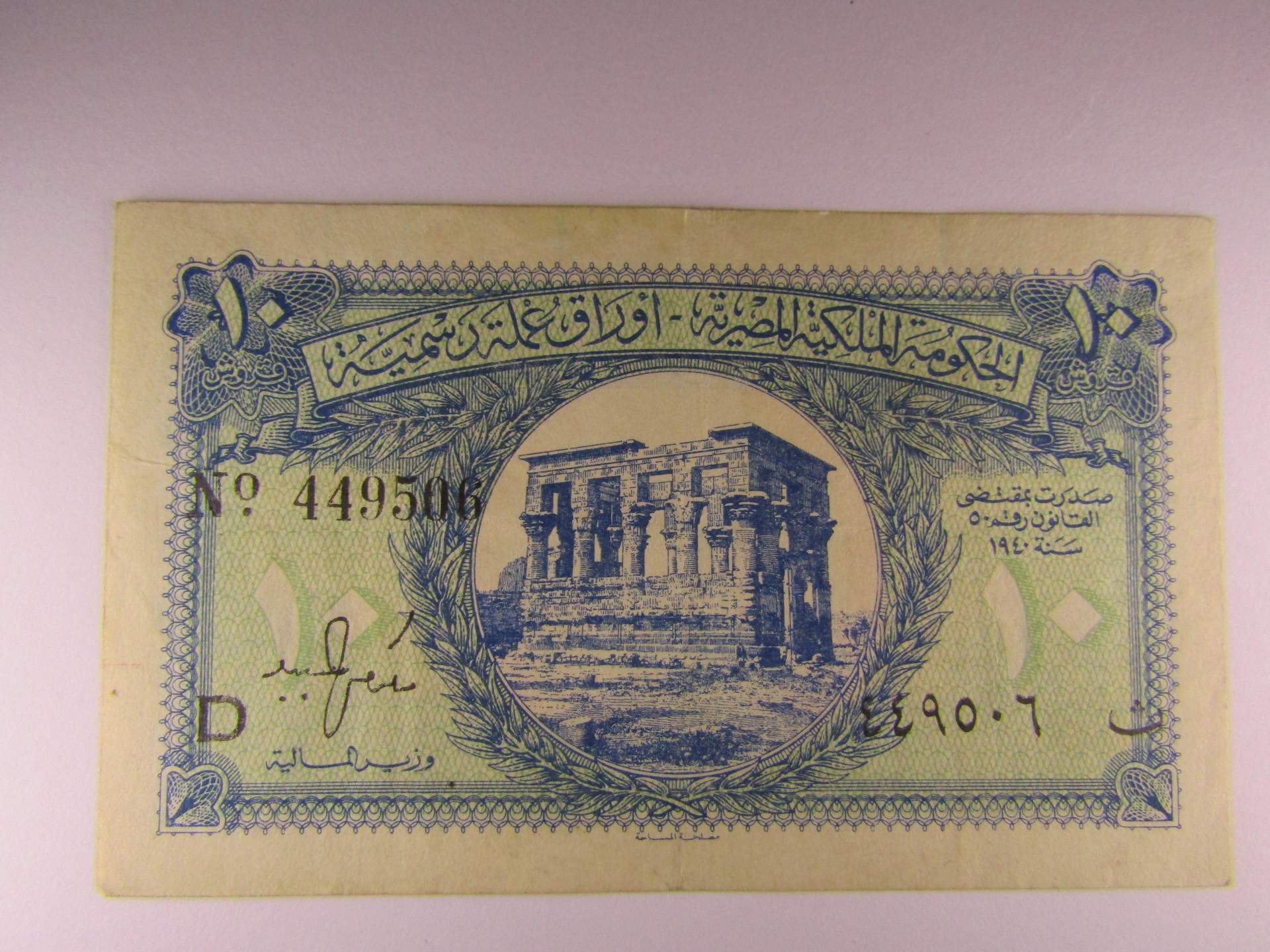
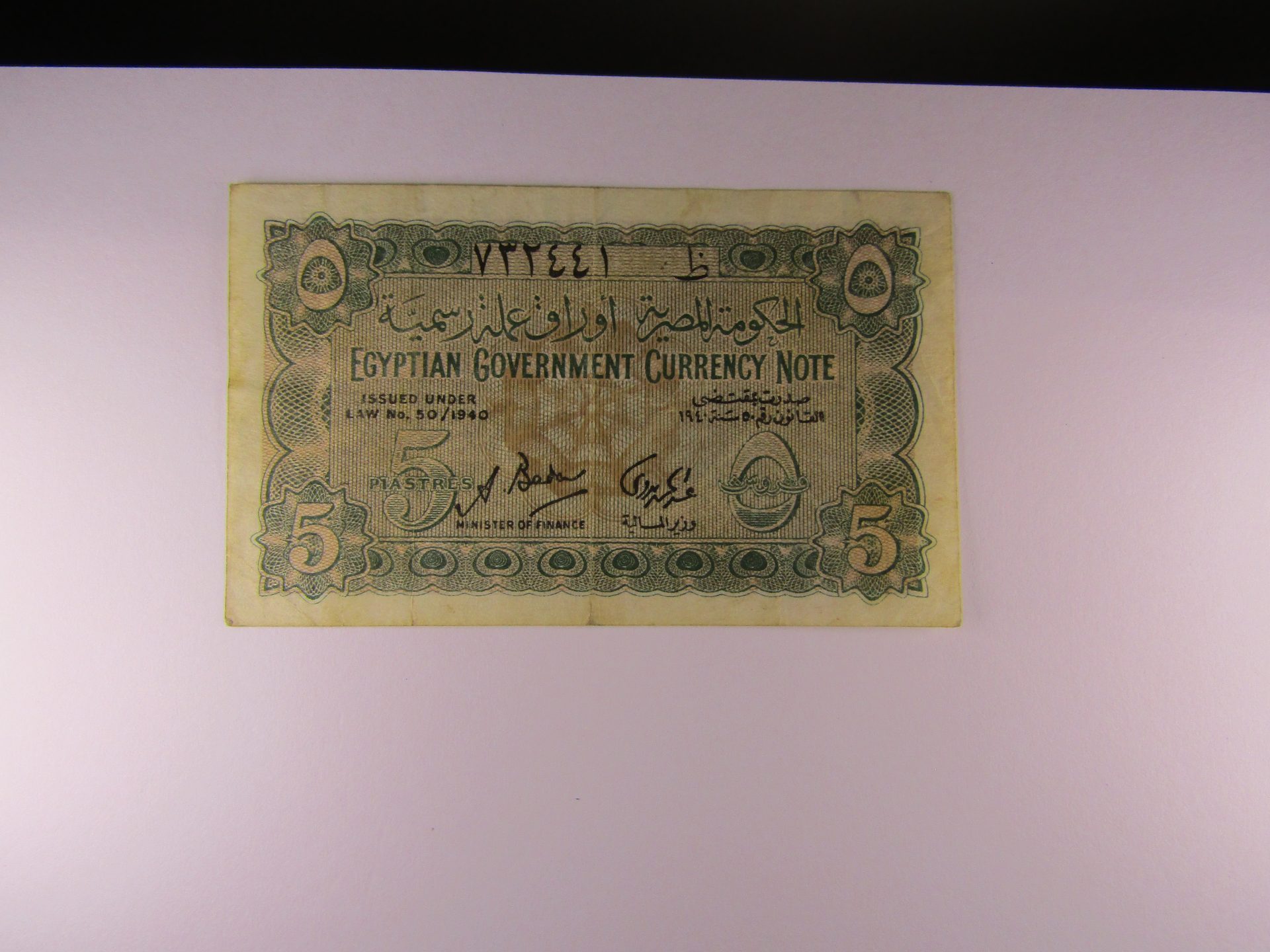
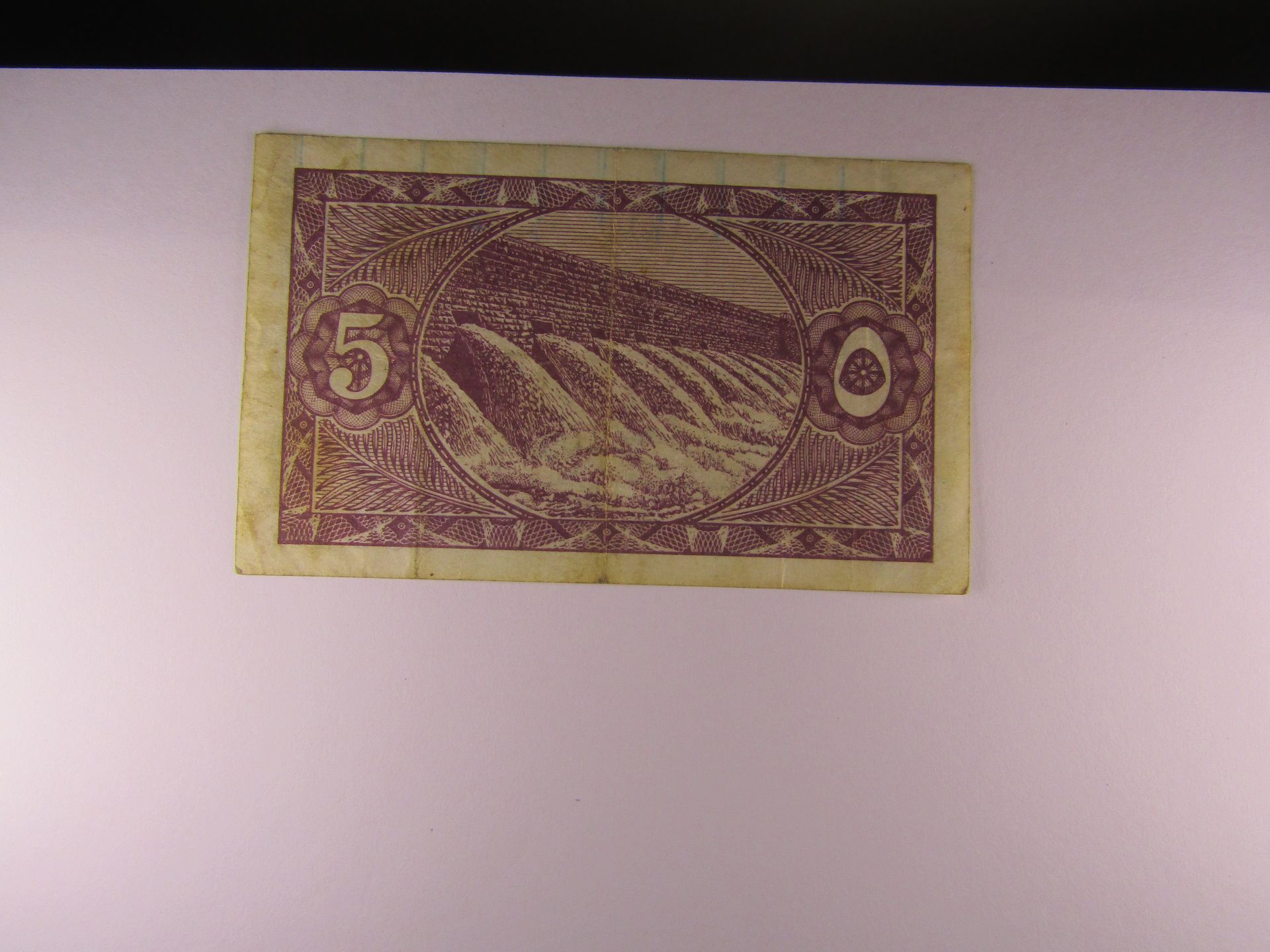
The two smaller Egyptian notes have odd blue vertical lines running across the tops of the backs, which aren't supposed to be there. I suspect these notes might have been kept together with some notebook paper, and the lines from the notebook have run onto these notes when they got wet.
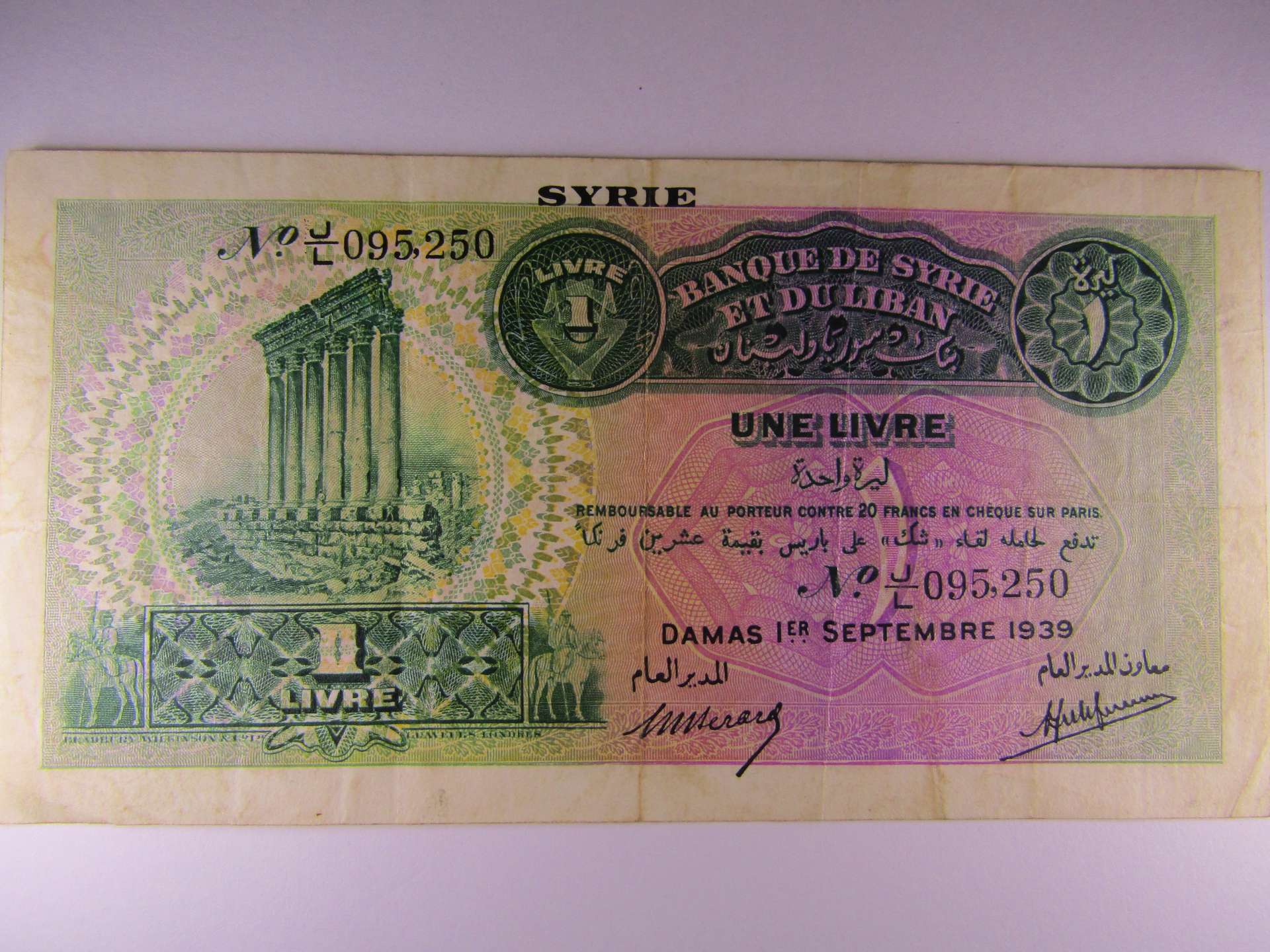
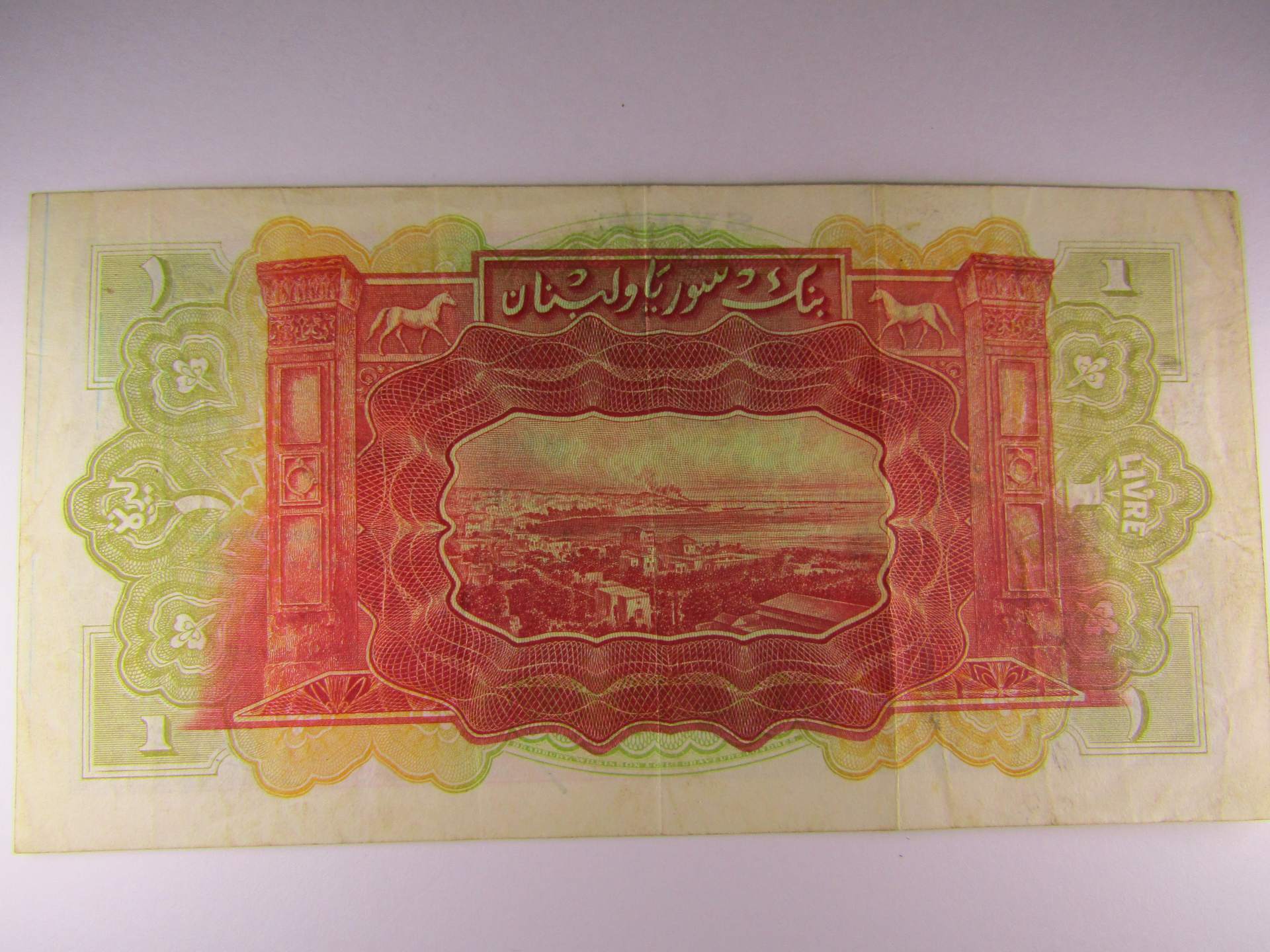
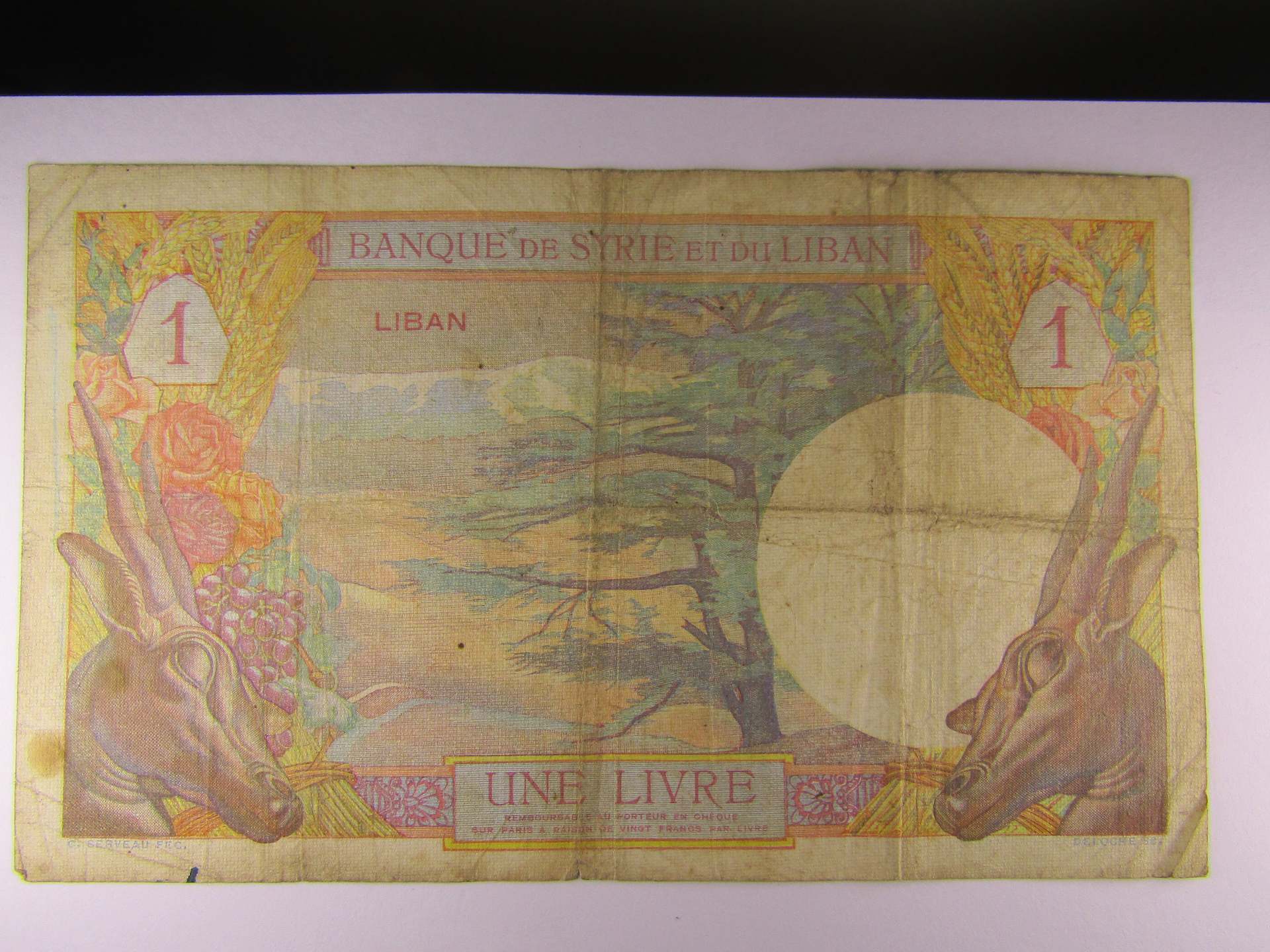
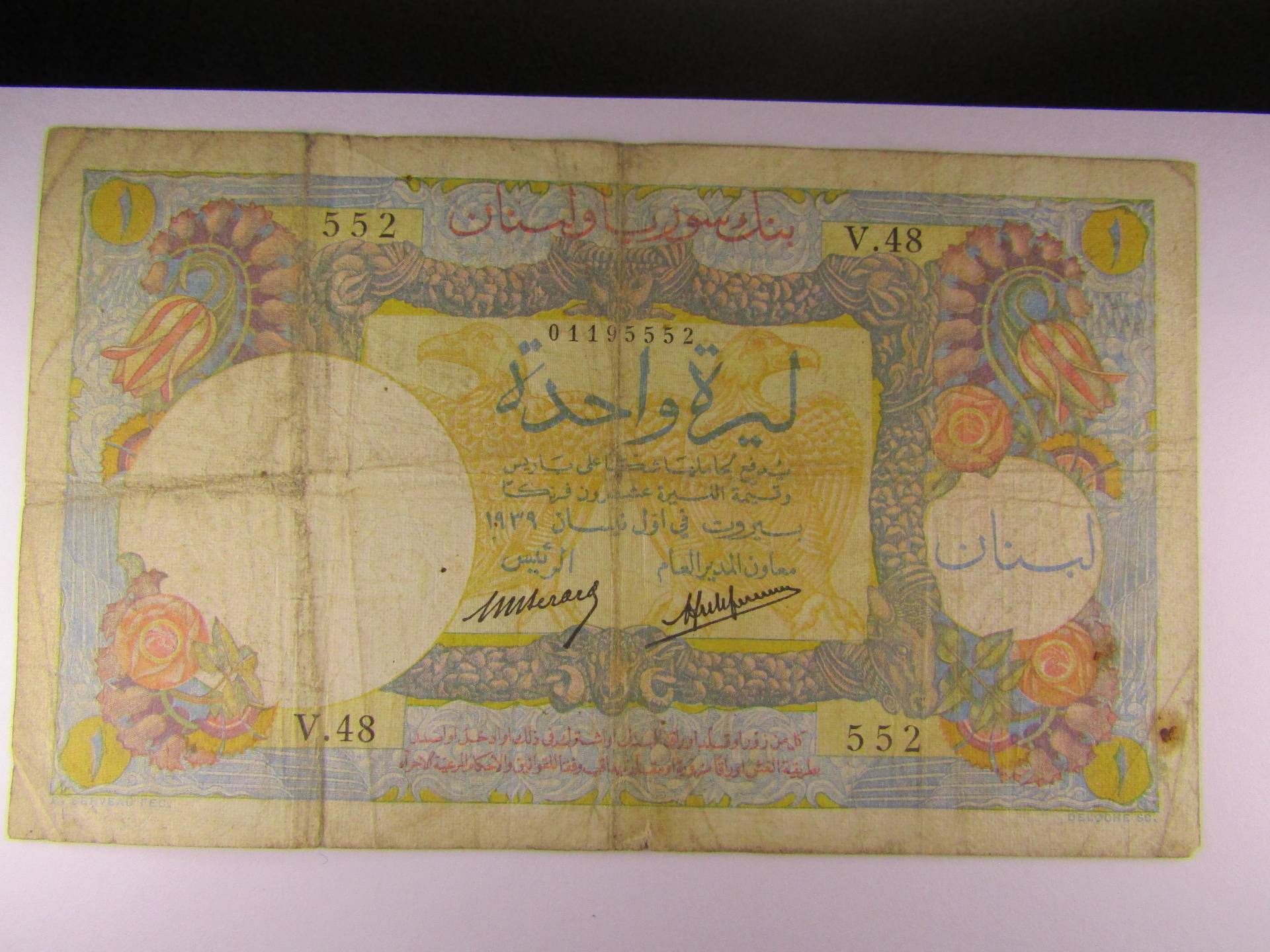
And just for your own curiosity's sake: note number 4 is actually from Lebanon, not Syria. The French colonial bank, the "Banque de Syrie et du Liban", issued banknotes for both colonies; which colony the banknote was intended for is indicated by small overprinted stamps. On your third note, the stamp is "Syrie" (Syria), but on the fourth note, the stamp is "Liban" (Lebanon).
Don't say "infinitely" when you mean "very"; otherwise, you'll have no word left when you want to talk about something really infinite. - C. S. Lewis










 Posted 06/06/2022 12:09 am


