I have also found a 1970 penny that looks like it is painted on but it's not I've tried using the acetone nail polish remover and it's blended into the penny I just haven't found anything regarding this it weighs between two and three grams I need a better scale but I'll send some pics and see what you think
Quote: I need a better scale but I'll send some pics and see what you think
Well this is what I think: 1 - you should start your own topic for a coin you want to be evaluated. Posting a similar coin that pertains to the original post is permitted if it relates directly back to that post. 2 - NEVER use nail polish remover on any of your coins. it contains contaminates that can ruin your coins finish and any inherent value. You should use PURE Acetone you gat from the hardware store. 3 - We will need an exact weight of your coin down to the hundredths of a gram (0.00g) 4 - Please, when posting images - post them up right for us. When we examine coins, sometimes we need to compare obverse to reverse and having the images up right for both sides makes it far easier to visualize both sides at once. 5 - The pictures you took are very nice. well done on that part - nice and large, clear and in focus with good lighting.
Sounds like it isn't paint, but there are other things that it could be that would have been added after it left the mint. Solder and mercury are two such substances.
"If you climb a good tree, you get a push." -----Ghanaian proverb
"The danger we all now face is distinguishing between what is authentic and what is performed." -----King Adz
I'd agree; it's had some molten metal - probably solder, since solder is deliberately designed to stick to other metals - dropped onto it. Not mercury; mercury would stay liquid at room temperature and smear across the whole surface. Mercury also would probably have all evaporated away by now.
It definitely didn't leave the mint looking like that. See how much wear and damage the coin has seen? If a coin left the mint looking like that, surely one of those hundreds of people who used this coin would have spotted it, would have said "woah, that's odd", and not spent it.
Don't say "infinitely" when you mean "very"; otherwise, you'll have no word left when you want to talk about something really infinite. - C. S. Lewis
If you want to try acetone, go ahead, nothing will be done on your coin. Go to the pharmacy and ask ketone not acetone. Ketone it is the real acetone and not acetone sail.
@SAP the mercury has the propriety to glue on cooper. In atmosphere normally will evaporate, but here in North America in 70's we play with thermometers mercury which can spread on metals under light heat.
An interesting find, people do some strange things to coins after leaving the mint (it didnt come that way from the mint). The coating can be from using a weak nitric acid solution which removes the barrier that prevents mercury from normally bonding to the cent. Once the cent is coated with nitric acid, it prevents the copper from forming an oxide layer, so it really absorbs mercury at that point. It could also have picked up some solder, but in any case this is just some form of damage with a coating and its not worth any premium.
Quote: Data, funny we didn't use nitric acid in the 60s when we rubbed mercury on cents. I stuck pretty well without acid.
Interesting. The oxide layer can prevent the bonding of mercury as you can also see in the video. The nitric acid I mentioned is just one method to prevent the copper from forming an oxide layer so it then bonds well.
Mercury unfortunately is known now to be quite damaging to the body and many people developed health issues from exposure. Yet we had exposure besides fish and environment and being passed down through the placenta at birth, such as Mercurochrome, amalgam fillings, thermometers with mercury. Radiofrequency radiation including Wi-Fi exposure of 2.4 GHz for 20 minutes significantly increased (approximately doubled) the amount of mercury released from amalgams of the Wi-Fi exposed group compared to the non-exposed group. Since many of the population has dental amalgams, this becomes a serious hazard that is not being considered https://www.ncbi.nlm.nih.gov/pmc/ar.../PMC4944481/ Now back on track to coins.
@DATA, thanks to put this link for the members here. I have no idea what they will understand?!!. This semi study was done by no medical science personnel. I know this article-study long time ago when one of my residents come to me thinking find the grail. Is tell nothing, was done for med Eng. EMF studies. In normal condition like today with the quantity of Hg we take, the humans need at least 250 years of life to be affected deadly. Do not panic of this.
Now, we have to comeback to our coin. The Hg (mercury) at the room temperature is liquid (till 30 C deg.) then after will start to evaporate. Coating an cent with mercury is very easy task. Cotton tampon, mercury and the job is done. No need of any other things, The alloy in coins in oxygenated alloy, so the mercury will stick on. Any oxide will help the mercury to stick on the metals due to theirs oxygen composition.
Disclaimer: While a tremendous amount of effort goes into ensuring the accuracy of the information contained in this site, Coin Community assumes no liability for errors. Copyright 2005 - 2026 Coin Community Family- all rights reserved worldwide. Use of any images or content on this website without prior written permission of Coin Community or the original lender is strictly prohibited. Contact Us | Advertise Here | Privacy Policy / Terms of Use







 I have also found a 1970 penny that looks like it is painted on but it's not I've tried using the acetone nail polish remover and it's blended into the penny I just haven't found anything regarding this it weighs between two and three grams I need a better scale but I'll send some pics and see what you think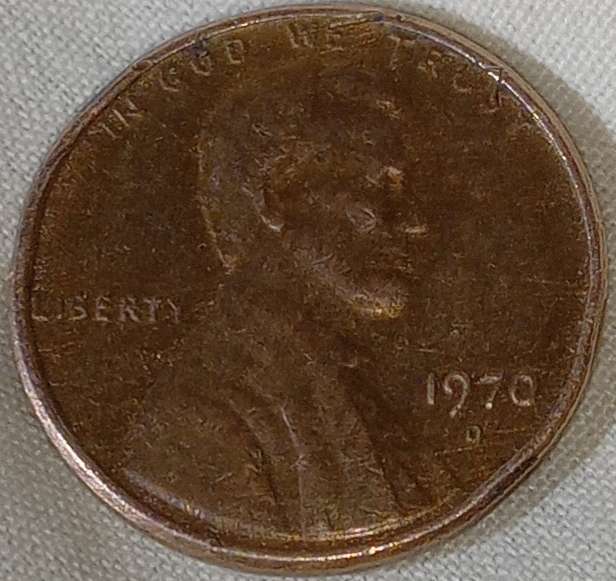
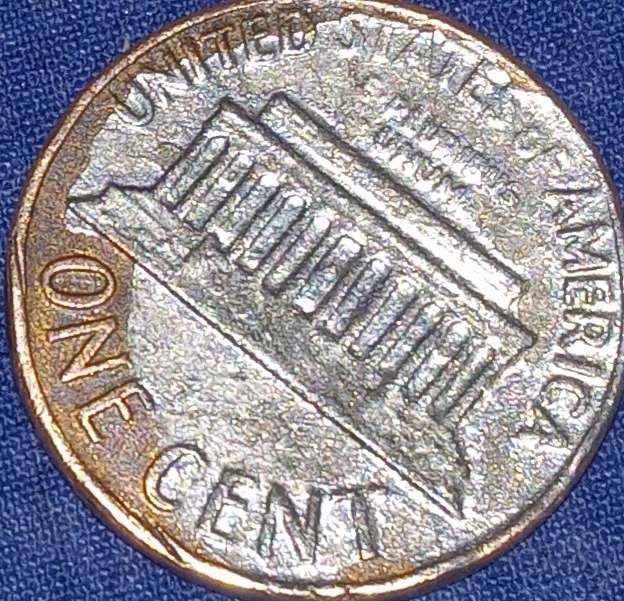


 to CCF


 Posted 08/01/2022 2:33 pm





 with Spence, more solder than mercury.


