| Author |
 Replies: 5,946 / Views: 249,857 Replies: 5,946 / Views: 249,857 |
|
|
|
Pillar of the Community
 Sweden
2124 Posts |
Quote:
Can't be stuck already For sure not.  Austria 1765, 1 thaler, Maria Theresia, Vienna mint.  |
|
Pillar of the Community
 United States
6883 Posts |
Quote:For sure not.  |
|
Pillar of the Community
United States
8057 Posts |
Lovely thaler! Long couple of travel days for me (Wyoming to Ohio via Minneapolis). Here is a 1765 crown of Austrian Netherlands, Brussels mint, also struck in the name of Maria Teresa (still seller's photos):  |
|
Bedrock of the Community
United Kingdom
18926 Posts |
1764 Portuguese 5 Reis (date clear on coin if held at right angle to the light!): 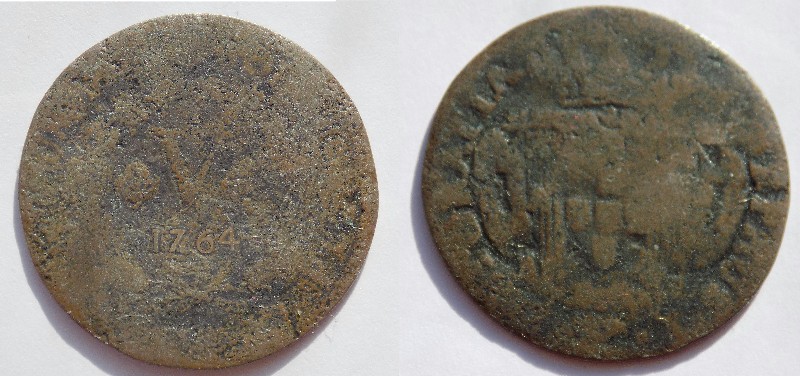 |
|
Pillar of the Community
Belgium
1185 Posts |
great 1765 silver pieces from Austria and the Austrian Netherlands (Southern United Provinces - currently known as Belgium) here something from the Northern United Provinces (currently known as The Netherlands): 1764 Utrecht half ducaton (halve zilveren rijder) 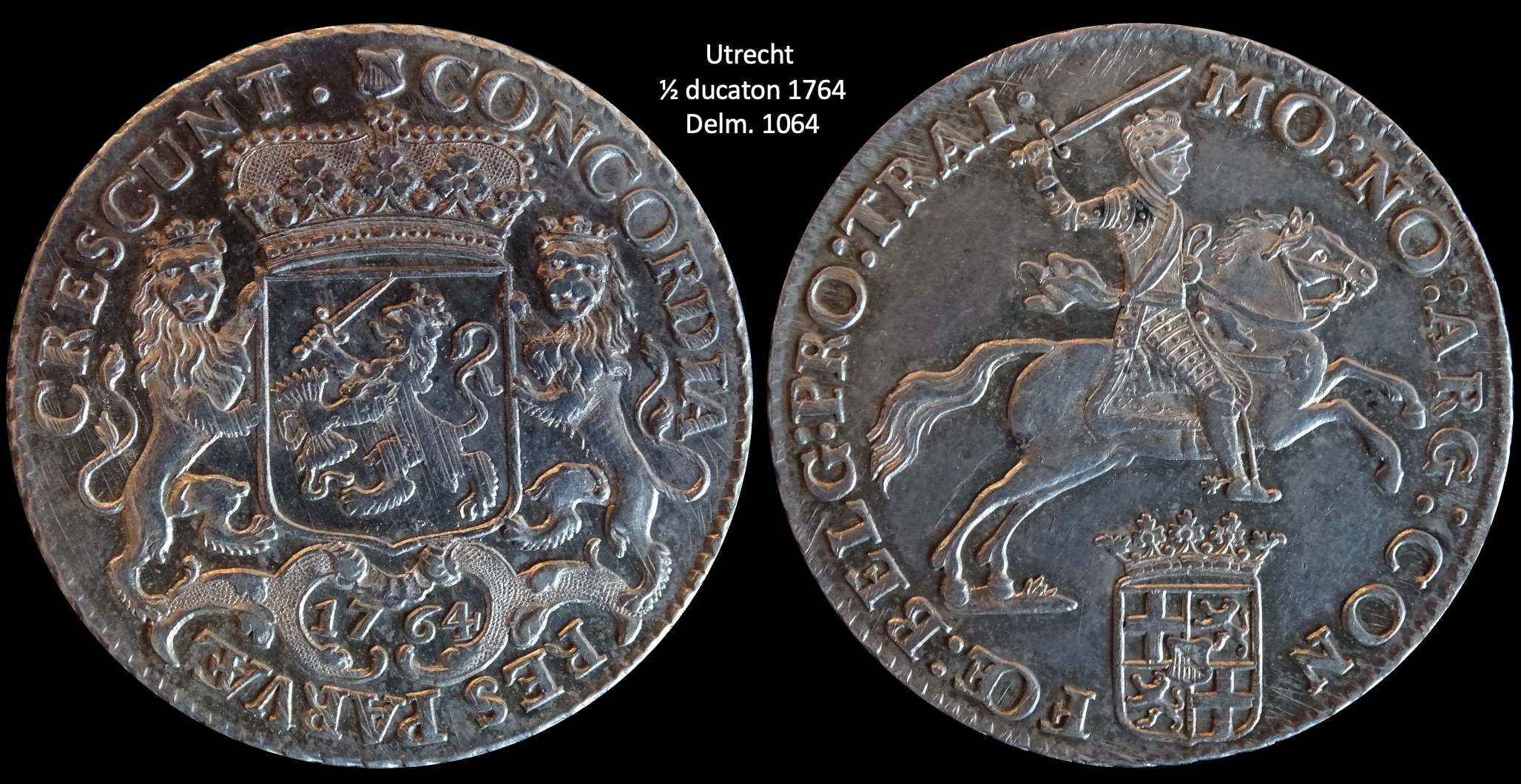 as we will go back in time, we'll see that the seventeen Southern and Northern provinces were once united |
|
Moderator
 United States
196342 Posts |
You all scared me for a second!  |
|
Pillar of the Community
United States
8057 Posts |
Beautiful coin @1c5d  Quote:
1764 Portuguese 5 Reis (date clear on coin if held at right angle to the light!): Yes, it's visible in your photo. For me a 1764 solidus/schilling of the Duchy of Courland. Courland was a sort of semi-independent state under rule of the Polish-Lithuanian Commonwealth from the 1570s until the final partition in 1795. So we see the Polish eagle and the Lithuania rider featured on the reverse. Even though the date is not legible except for a bit of the last digit, it is a one year type: https://en.numista.com/catalogue/pieces86474.html  Edited by tdziemia
05/08/2023 11:59 am
|
|
Pillar of the Community
United States
8057 Posts |
Here is a schilling/solidus struck in the Polish city of Elbing in 1763. 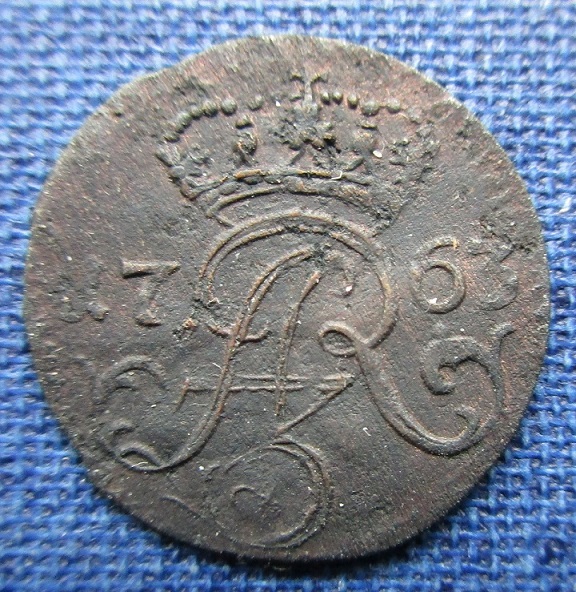 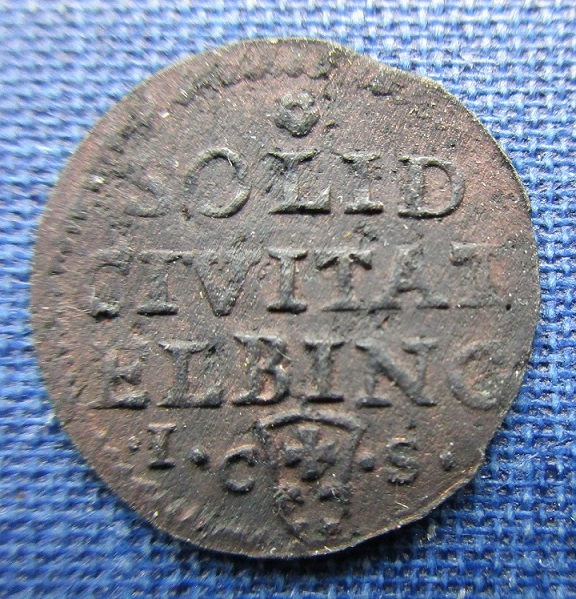 |
|
Bedrock of the Community
United Kingdom
18926 Posts |
1763 British threepence:  |
|
Bedrock of the Community
United States
12057 Posts |
Work is really kicking me hard lately! Only doing one per year just to keep from clogging things up since I have quite a few German States minors from these years. 1765 W-MP - Thaler - Wurzburg Davenport 2899 NGC VF30 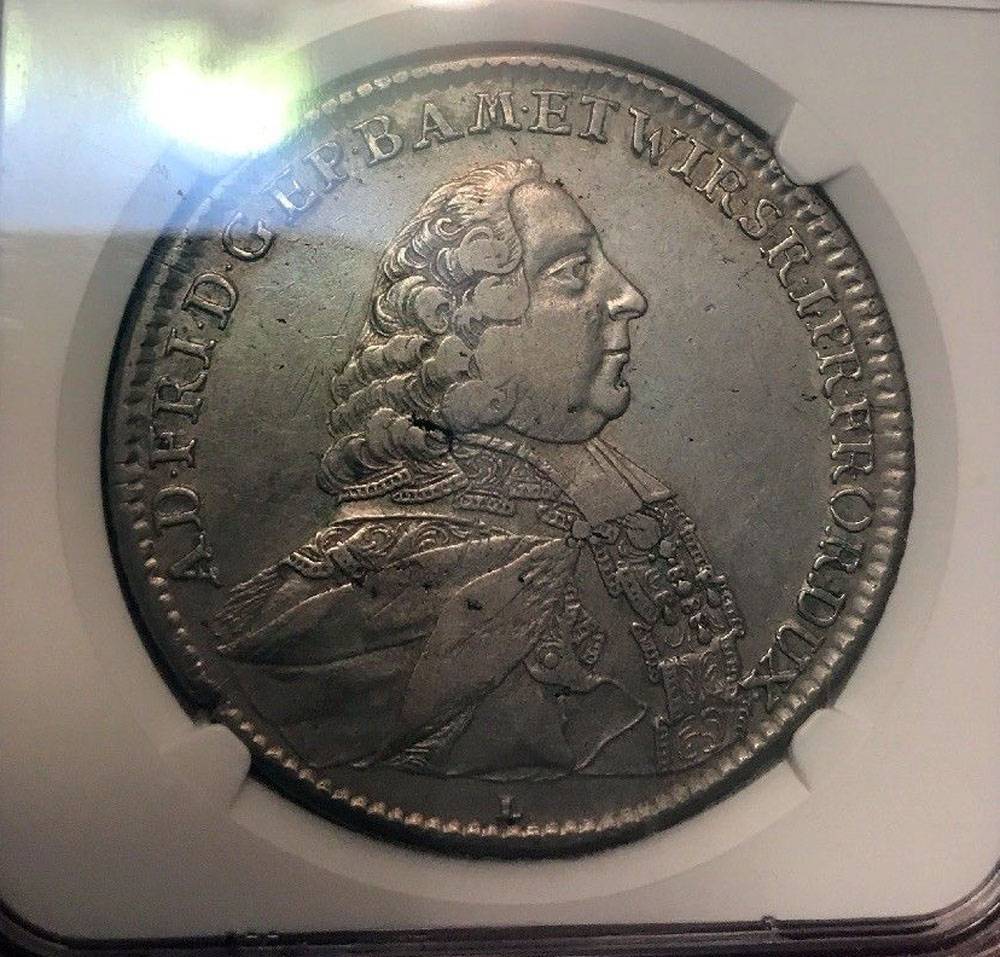 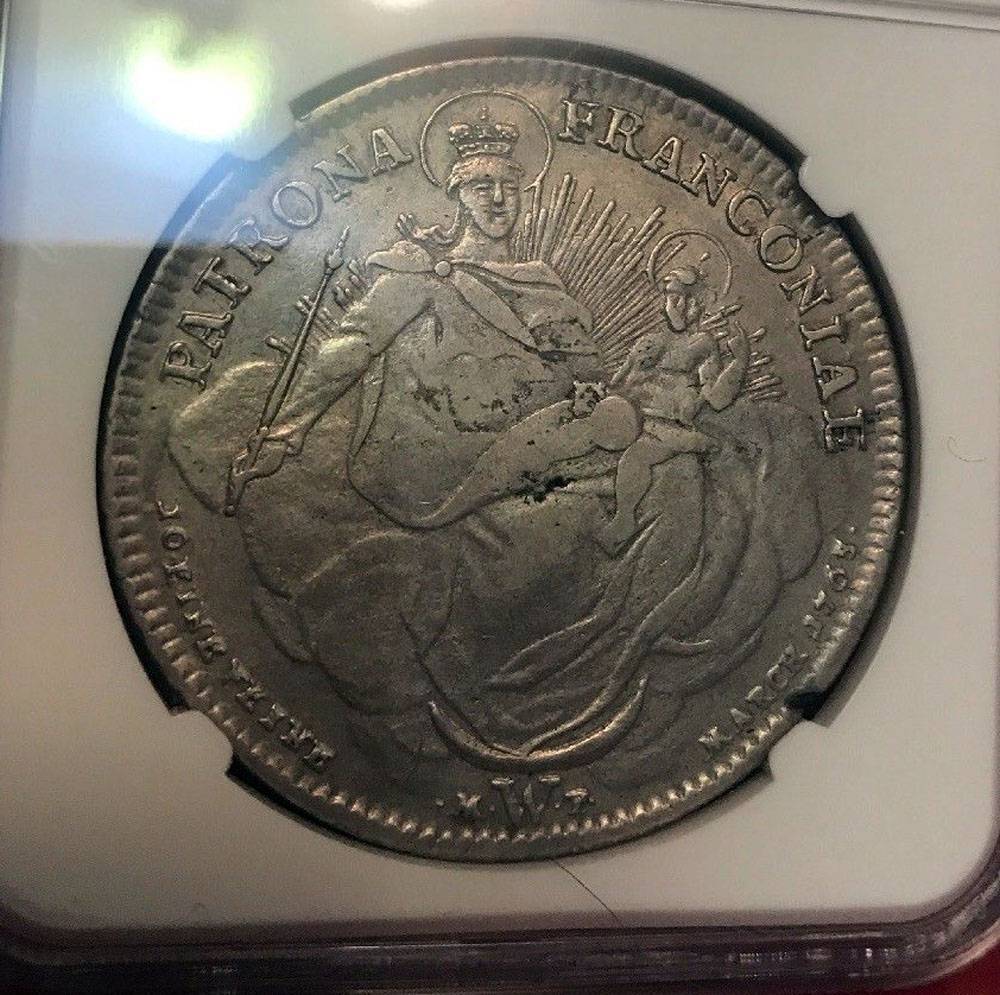 1764 E-IDB - 2/3 Thaler - Brunswick/Luneburg One of my favorite German States coins 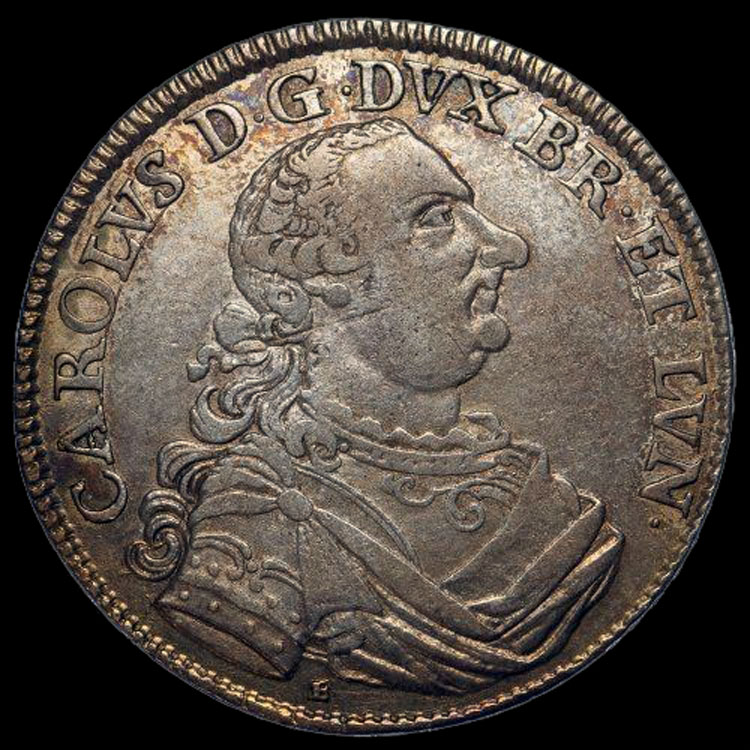 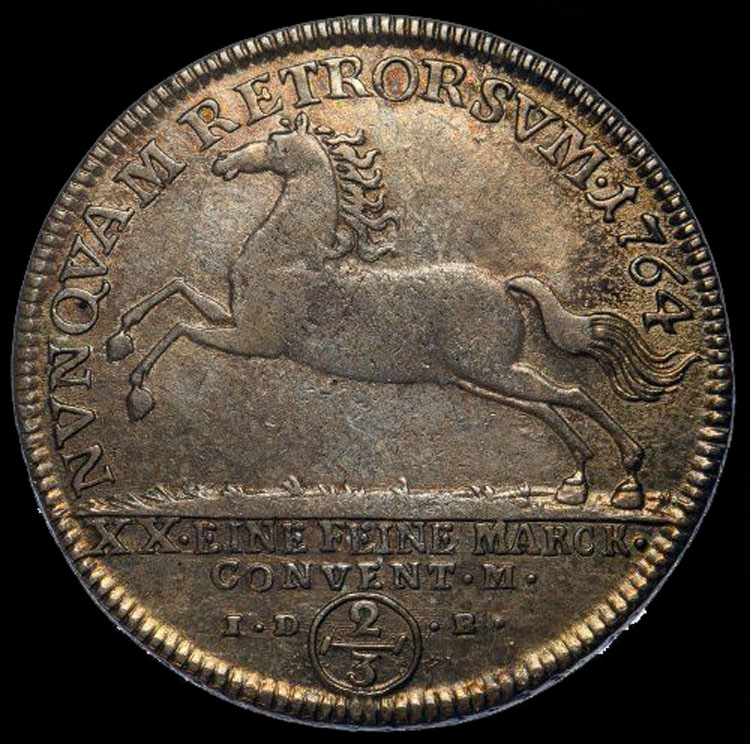 1763 - 1/12 Thaler - Hildesheim Very nice circulated example of the type 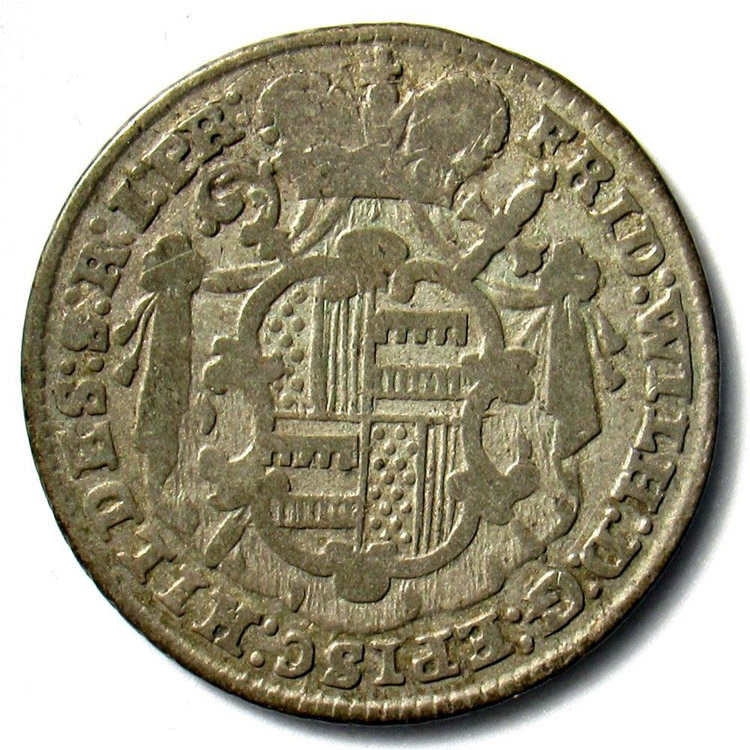 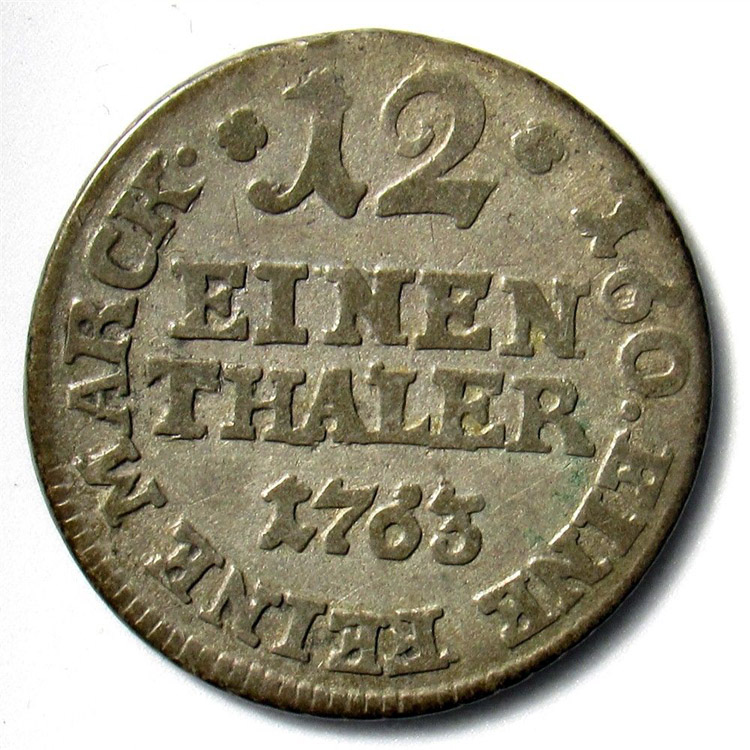 1762 - 6 Pfenning - Bishopric of Münster The oddly-shaped planchet is normal, not a defect 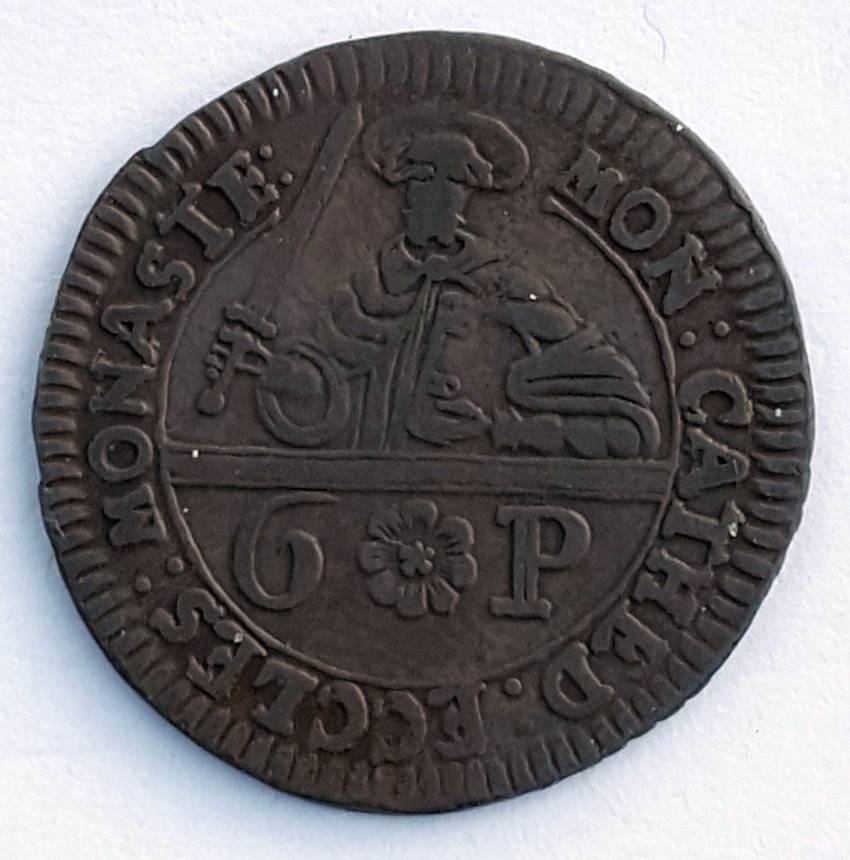 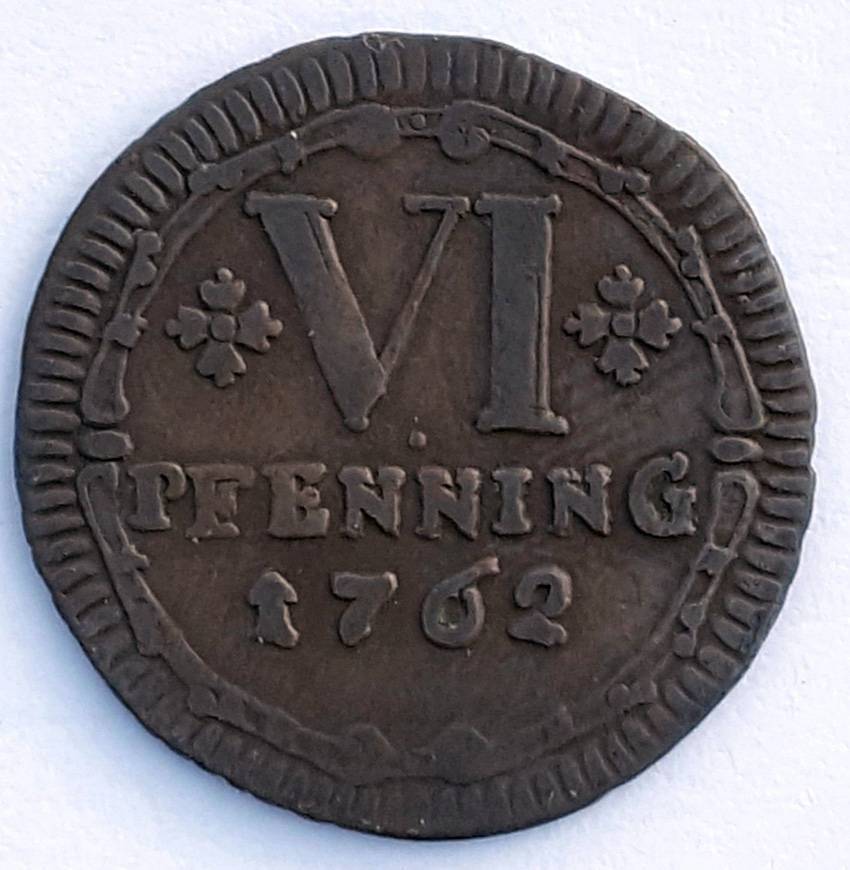 Member ANA - EAC - TNA - SSDC - CCT #890 "Most of the things worth doing in the world had been declared impossible before they were done." -- Louis D. Brandeis |
|
Bedrock of the Community
United Kingdom
18926 Posts |
Lovely coins, paralyse! 1762 United Kingdom threepence: 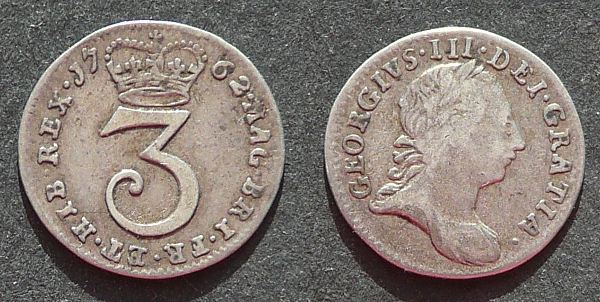 |
|
Pillar of the Community
United States
8057 Posts |
Quote:
Lovely coins, paralyse!  But for double chins, this guy, Friedrich August II of Saxony / Augustus III of Poland. is the clear winner (his coins of the 1750s are even less flattering). Poland-Lithuania Commonwealth, 1762 30 groszy, Gdansk mint (too bad for the uneven toning): 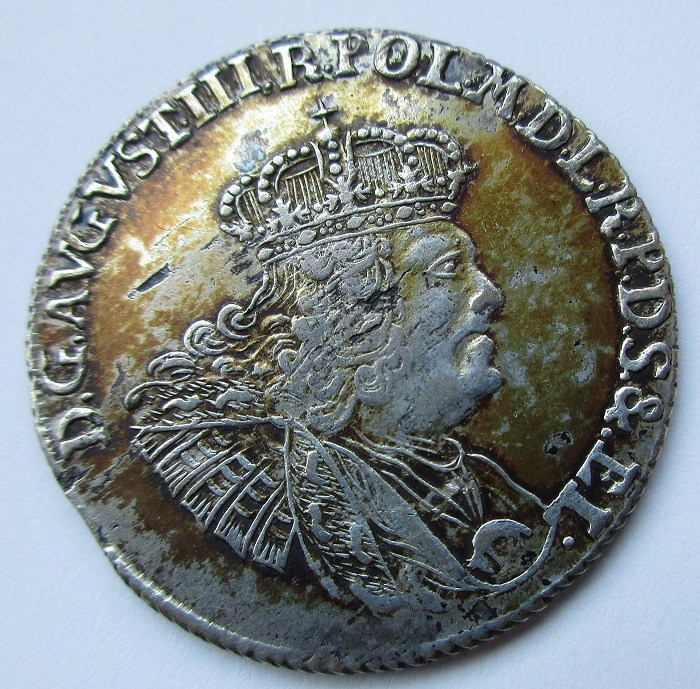 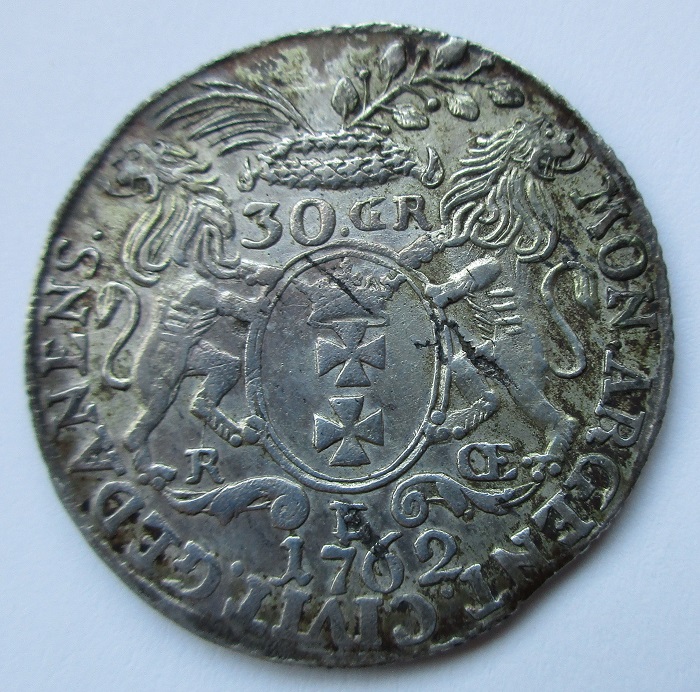 Edited by tdziemia
05/10/2023 08:02 am
|
|
Pillar of the Community
Belgium
1185 Posts |
double chins as sign of the message " it's good to be the king"  the uneven toning on the obverse is interesting, perhaps this coin was gilt and has been used in a pendant ? it was common practice in those days here an example of a pendant bearing the date 1761: a gold piece of 14 guilders from Zeeland better known as the "gold rider" (gouden rijder) most "gouden rijders" from this period became collectibles, a memory of the nice coinage of the 18th century indeed, the "gouden rijder" (like the taler-sized silver rider) has a great design; thus, a great number of pieces of current survivors were used shortly after minting as pendants pieces that are now sold in auctions often have the comment 'klemsporen' which means traces of former mounting this one has the carrier eye still attached 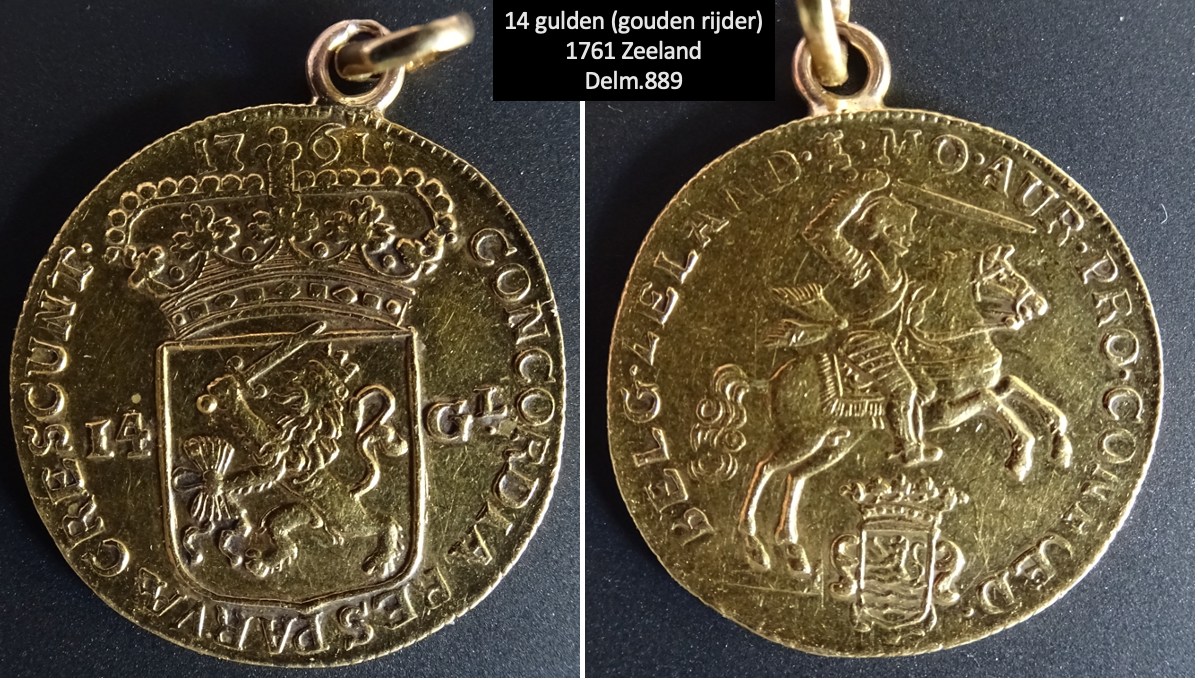 of interest is the 14 guilder face value, the weight in gold is ±10 grammes the 1 guilder of those days was a piece of silver ±10 grammes this brings the gold/silver ratio of the 18th century Netherlands to 14, which is in the normal range |
|
Pillar of the Community
United States
8057 Posts |
I have also wondered what might have happened to the Polish coin to give that appearance. I had considered a botched removal of a darker patina, but gilding on one side makes more sense. Going "from the sublime to the ridiculous," I will follow the gouden rijder with a modest schilling (0.6 grams of 0.084 fine silver) of the Polish-Lithuanian Commonwealth struck in Torun in 1761: 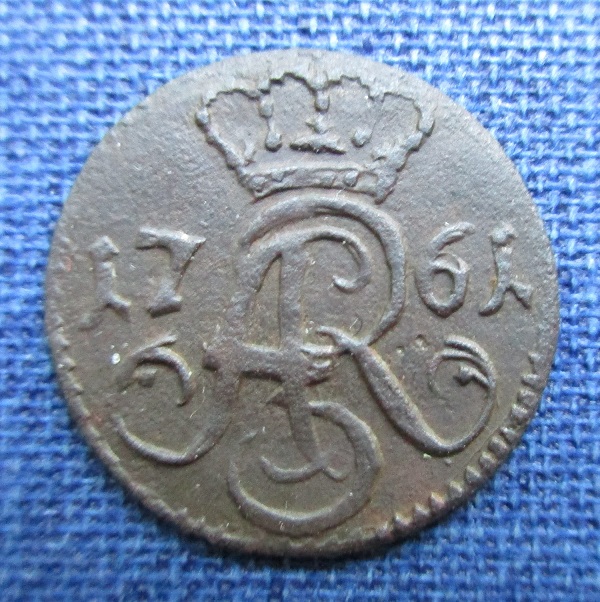 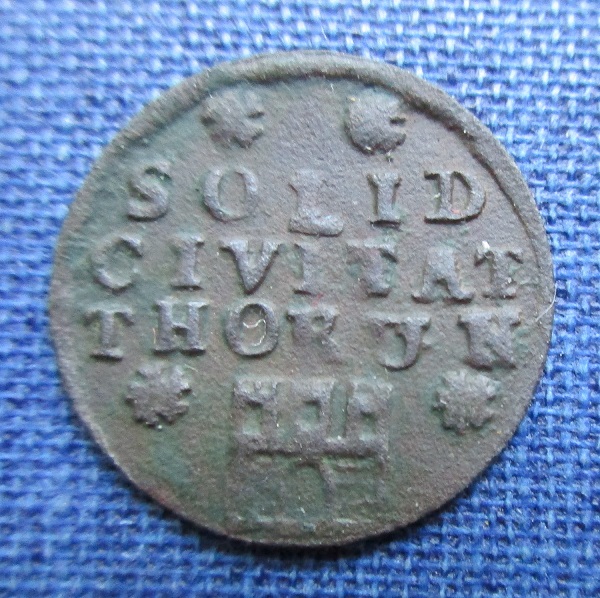 If my math is correct, it would have exchanged at 2,800 to buy a golden rider! Edited by tdziemia
05/11/2023 09:17 am
|
|
Bedrock of the Community
United States
12057 Posts |
It's always nice to see coins that I seldom or never get to see here in the USA. Even the German States coins that I collect are becoming more and more difficult to find without paying through the nose. I cannot contribute anything beautiful for 1761, but I can offer something original, at least, if not in the greatest of shape. Russia - 1761 5 Kopeck - (Ekaterinburg most likely) - Elizabeth 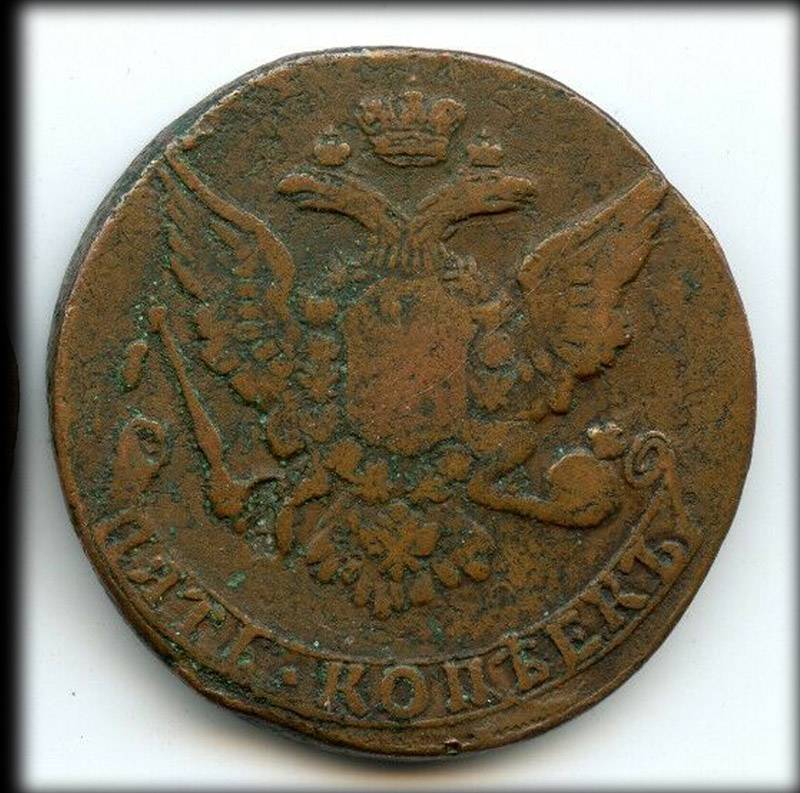 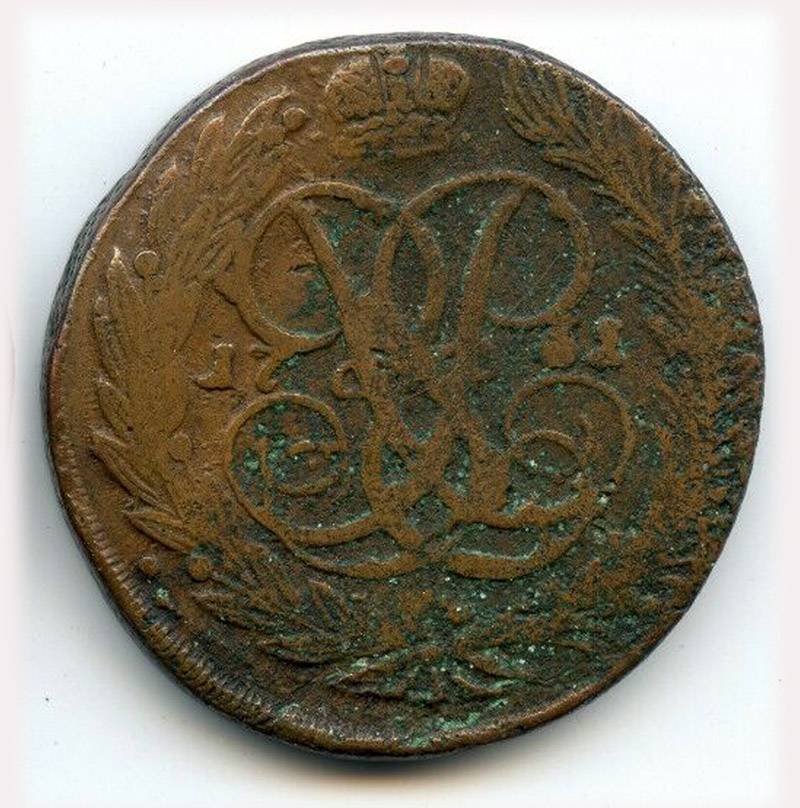 I have seen some of the novodel 2 kop. and 5 kop. coins and they are interesting because they show that if the technology (and effort) had existed at the time these coins would have actually looked quite decent when new, almost medallic. But when it comes to original coins, even XF-AU examples often have a lot of strike and planchet related issues that make them look much more worn than their actual circulation would account for. Member ANA - EAC - TNA - SSDC - CCT #890 "Most of the things worth doing in the world had been declared impossible before they were done." -- Louis D. Brandeis |
| |
Replies: 5,946 / Views: 249,857 |







 First Page
 Previous Page


 Posted 05/07/2023 05:50 am





