| Author |
 Replies: 5,946 / Views: 249,584 Replies: 5,946 / Views: 249,584 |
|
|
|
Pillar of the Community
United States
1871 Posts |
For today French Louis XI obole, ND (1467), Duplessy 565a, Numista #65414 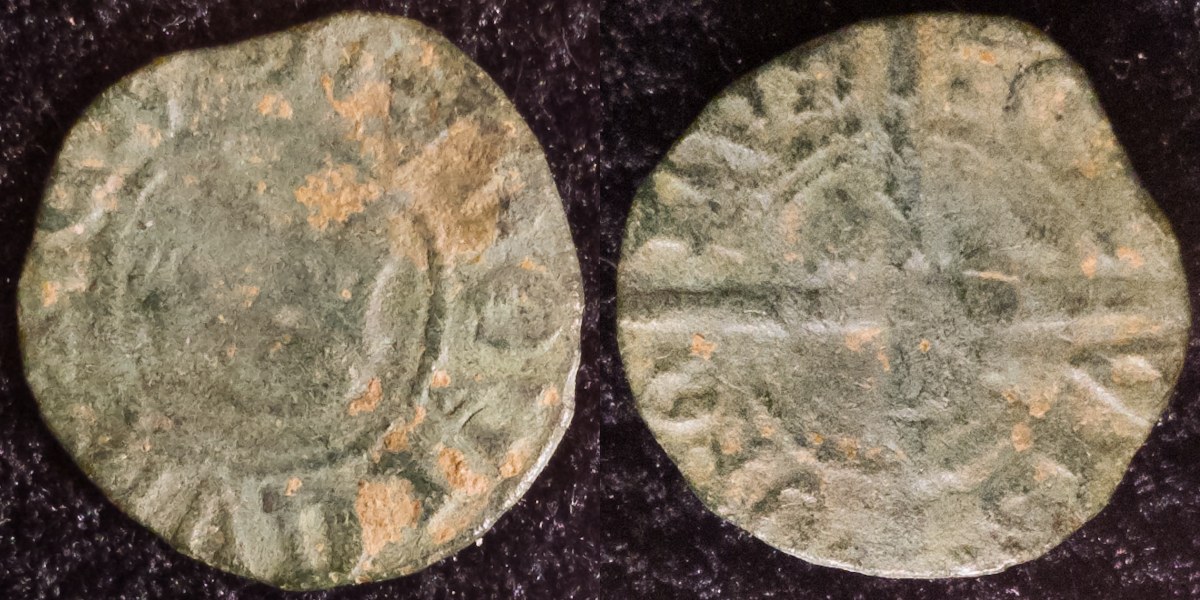 https://en.numista.com/catalogue/pieces65414.html https://en.numista.com/catalogue/pieces65414.htmlAnd a bit of catch up for 1470 Bahmani Sultanate 1 gani AH 874 GG-BH114 21.0-21.9mm, 16.37g 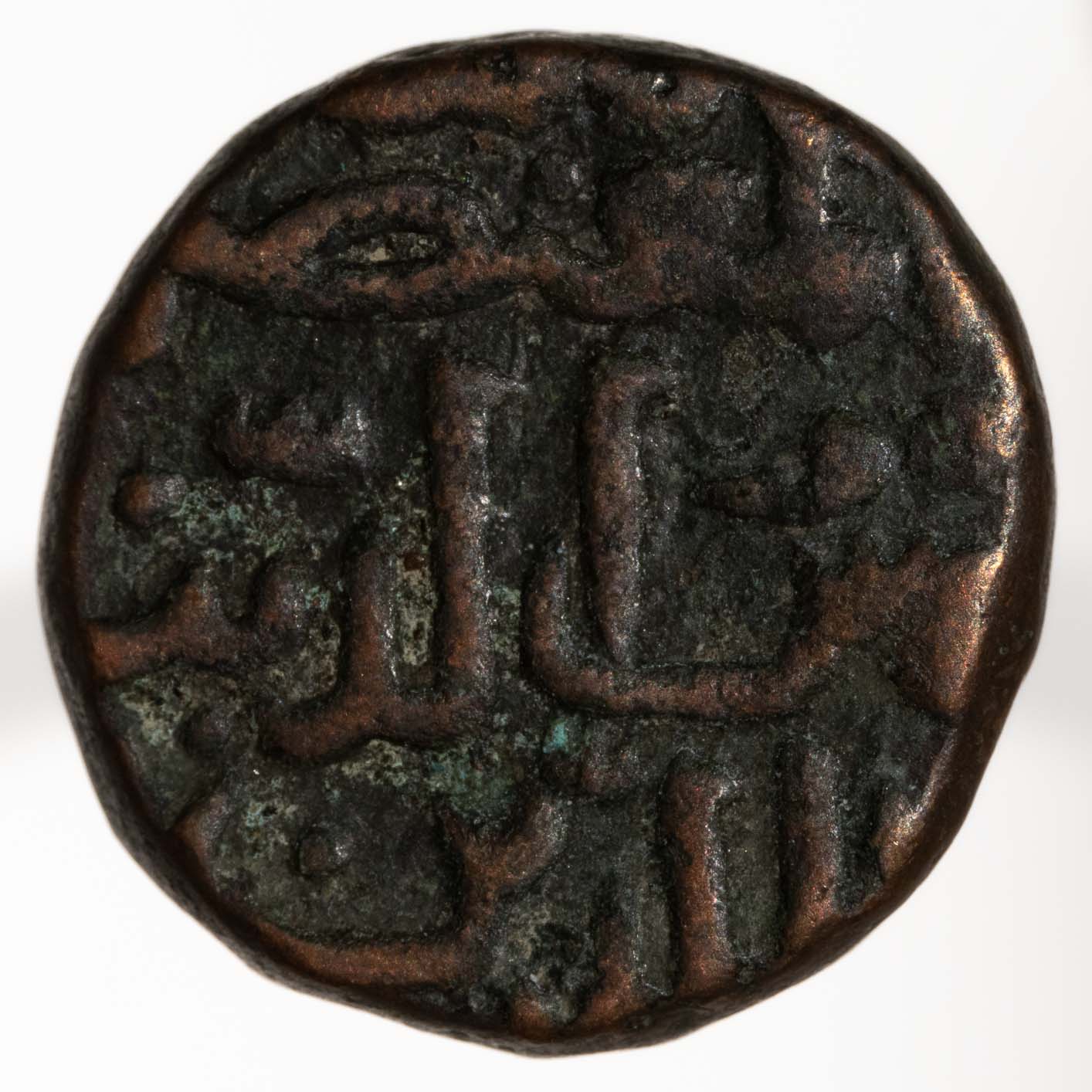 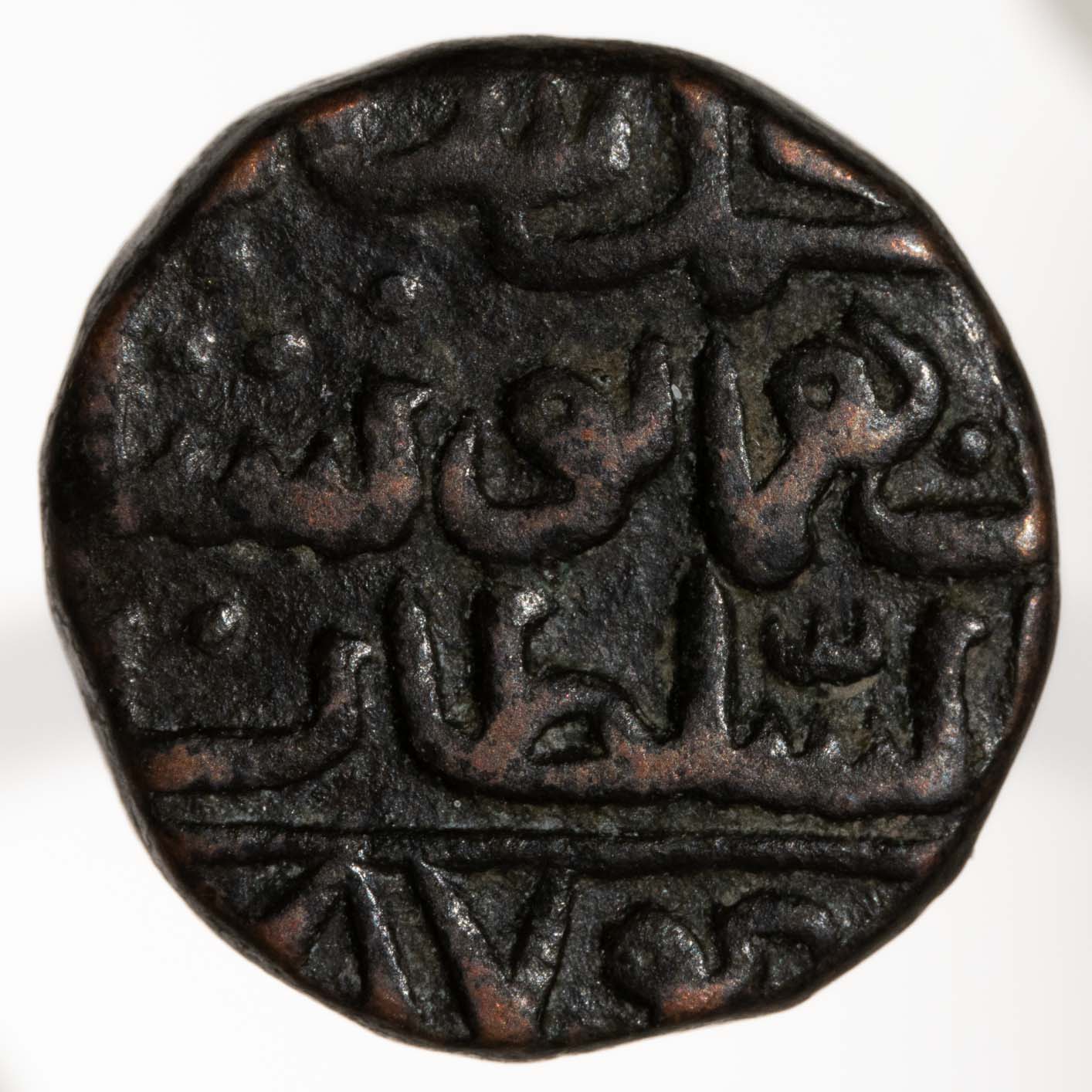 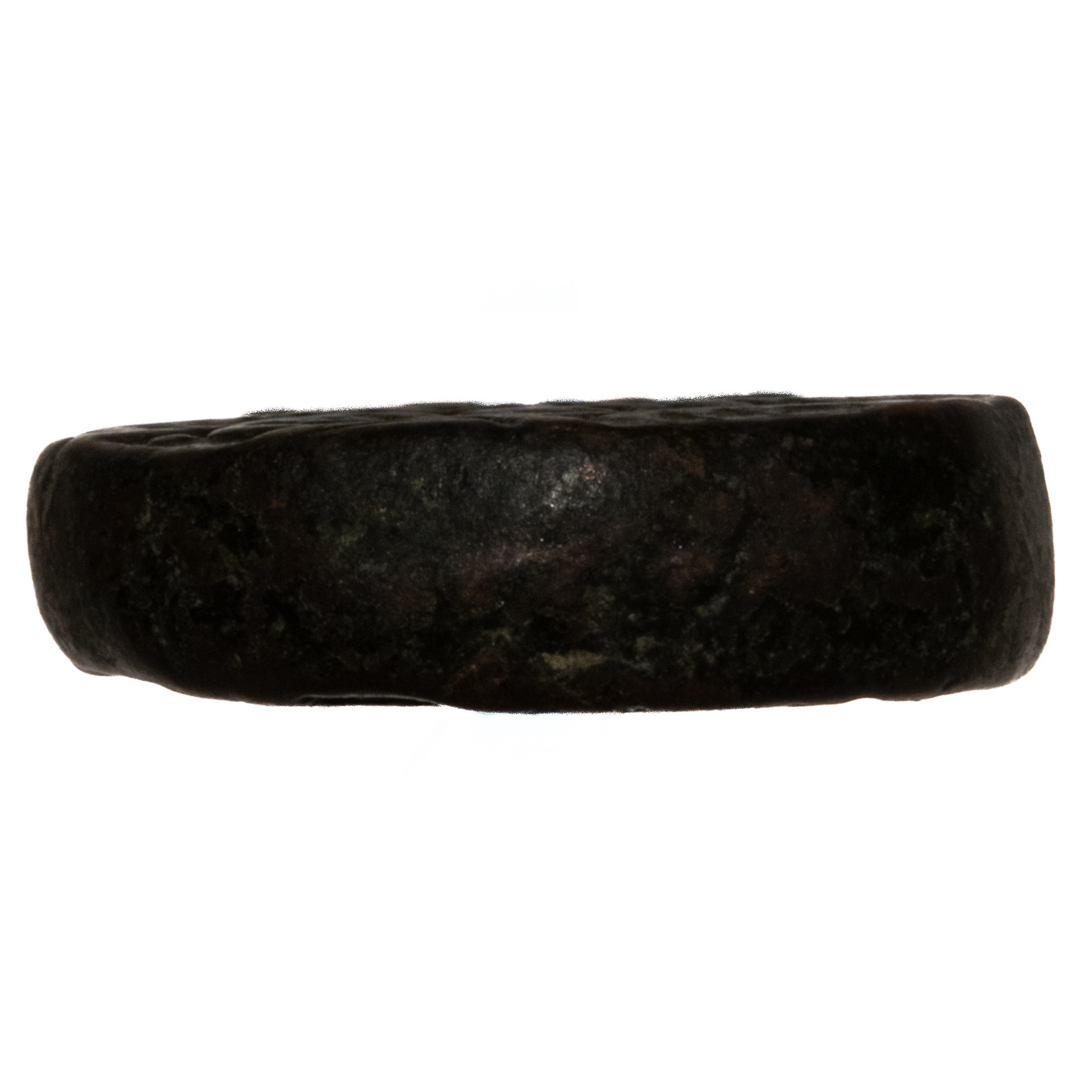 Jaunpur Sultanate billon tanka AH 874 GG-J27 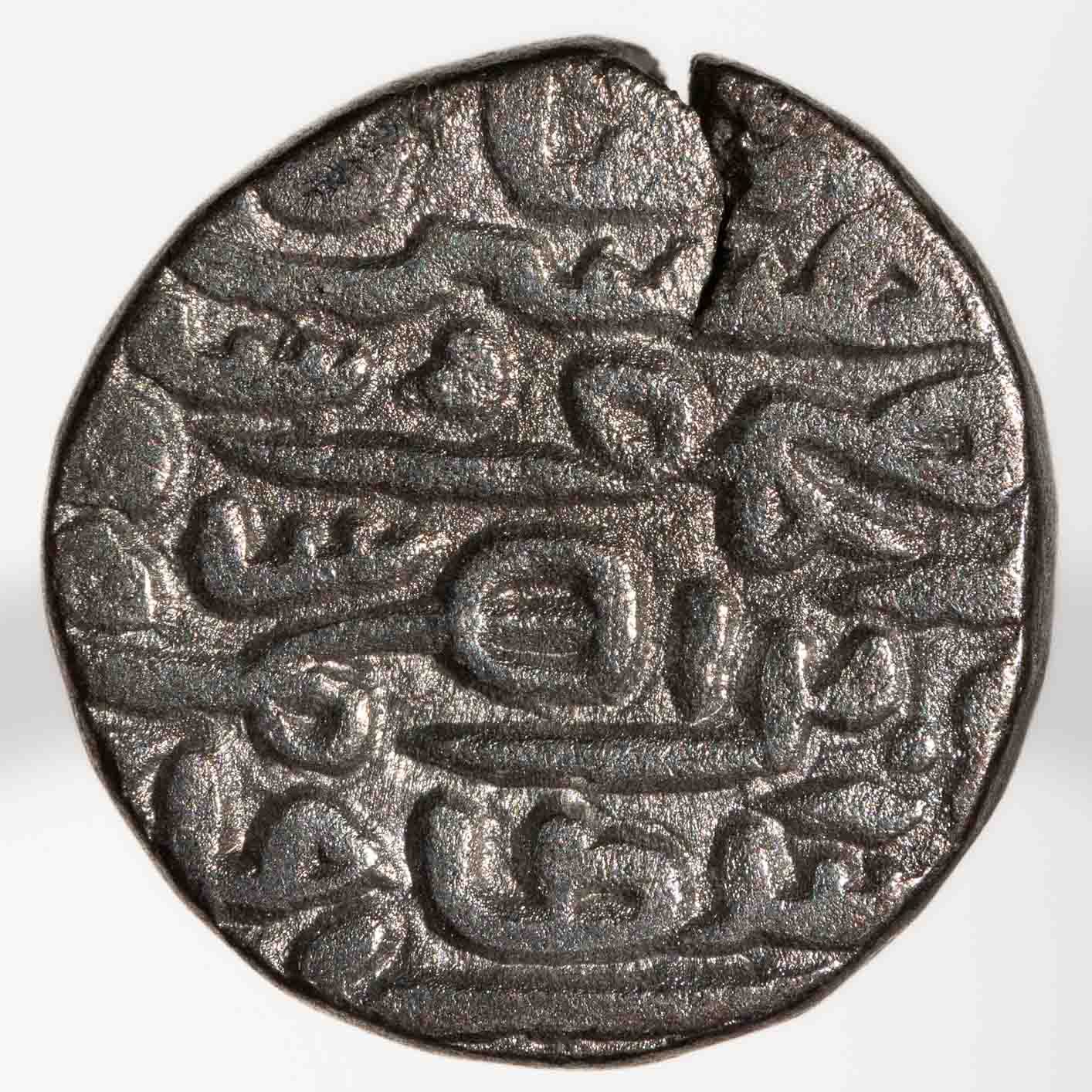 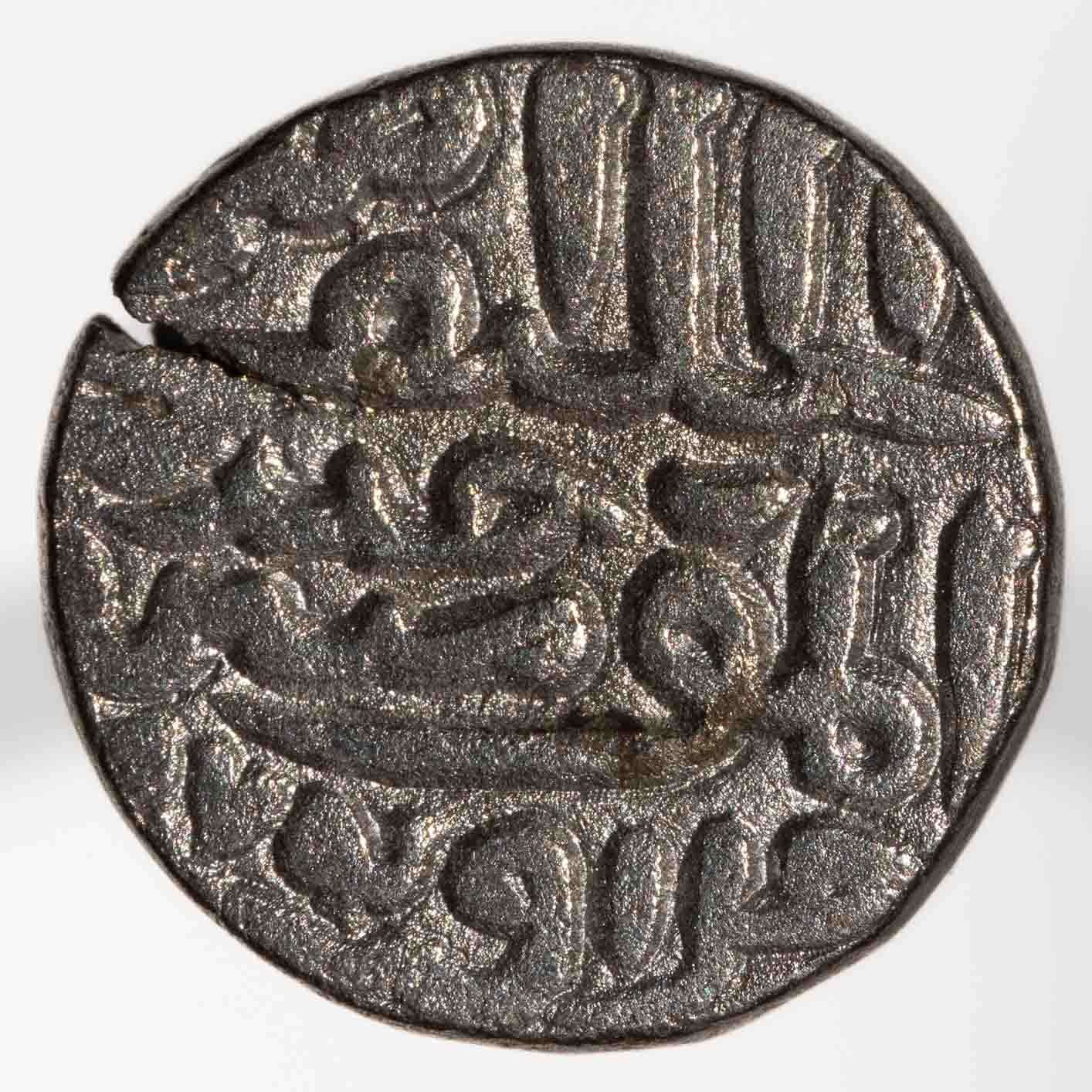 Edited by bd251
04/14/2024 1:53 pm
|
|
Moderator
 United States
34562 Posts |
Those are some great additions to the thread @bd. To help us move back another year today, here is another Horngroschen. This one was minted in Leipzig in 1466 AD. I have attributed it as Levinson I-103a.   "If you climb a good tree, you get a push."
-----Ghanaian proverb
"The danger we all now face is distinguishing between what is authentic and what is performed."
-----King Adz
|
|
Moderator
United States
34562 Posts |
Another day, another Horngroschen! Minted in Colditz in 1465 AD, it is a bit more weakly struck and/or worn than some of the others. I have attributed it as Levinson I-95.   "If you climb a good tree, you get a push."
-----Ghanaian proverb
"The danger we all now face is distinguishing between what is authentic and what is performed."
-----King Adz
|
|
Pillar of the Community
United States
2252 Posts |
Can someone explain to me the odd shape of the "4" in some of these coins?
For example, in Spence's 1471 coin.
I tried finding info about it through google, but didn't come up with anything.
|
|
Pillar of the Community
 United States
8056 Posts |
I think it's just the way that number was represented in northern Europe until the early 16th century.
It's common to the Low Countries examples that were shown in the 1470s and 1480s, the Saxony coins that are being shown now, etc.
If you rotate it about 60 degrees counterclockwise you get a sort of curved version of our modern 4.
Edited by tdziemia
04/16/2024 11:13 am
|
|
Moderator
United States
34562 Posts |
@jpsned, if you really want to go down a rabbit-hole on this, send me a dm. I wrote a paper on the typeforms of medieval numbers a while back and would be happy to send you some info.
"If you climb a good tree, you get a push."
-----Ghanaian proverb
"The danger we all now face is distinguishing between what is authentic and what is performed."
-----King Adz
|
|
Pillar of the Community
Russian Federation
5186 Posts |
One study I'm hoping exists but hadn't been able to find yet (or at least not in a language I can understand) is about the typeforms of medieval numbers on Islamic coins. They had a whole different tradition going on, or maybe rather several of them, especially in India - and there's little to be found on it anywhere. 4 and 5 in particular used to have some pretty wild shapes. AFAIK the oldest coin with Hindu-Arabic numerals on it is this Sicilian follaro type, dated 533 AH (1139 AD). Would be happy to be corrected (and/or to see any explicit references - reportedly it's discussed in Dated Coins of Antiquity p. 12 but I've never seen that). I believe there are a few dubious earlier examples. (Though the far older coinage of the Western Kshatrapas was dated in a system that was a distant predecessor of what later became the Hindu-Arabic numerals.) |
|
Moderator
United States
34562 Posts |
One of our members was recently in Bacharach, the site of minting for this Goldgulden that can be dated to 1464 AD. It has been attributed as Felke 1395 and Friedberg 1978.  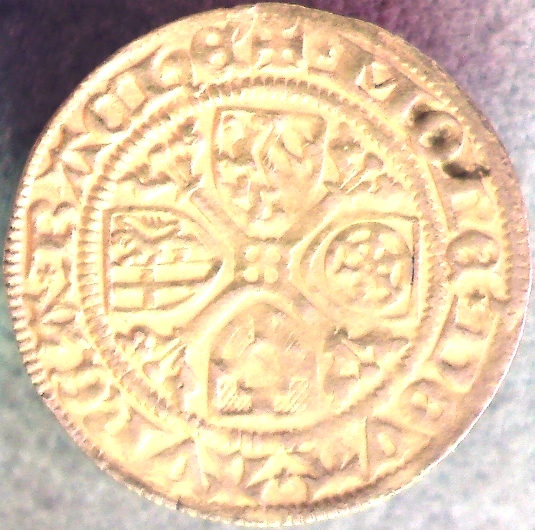 "If you climb a good tree, you get a push."
-----Ghanaian proverb
"The danger we all now face is distinguishing between what is authentic and what is performed."
-----King Adz
|
|
Pillar of the Community
Australia
2583 Posts |
Oh, that's a stunning coin!
The Ox moves slowly, but the Earth is patient.
|
|
Moderator
United States
34562 Posts |
Thx @ttk. I wish I was better at taking pics of gold, but I don't get much practice... For today, I have a Hungarian Denar that is datable to 1463. I have attributed it as Huszar 706 and Frynas H.34.28.   Unfortunately, we now hit a three-year window where I don't have coins so I'm hoping that others can chip in with pieces from their collections. "If you climb a good tree, you get a push."
-----Ghanaian proverb
"The danger we all now face is distinguishing between what is authentic and what is performed."
-----King Adz
|
|
Moderator
 United States
196100 Posts |
Looking good!  |
|
Pillar of the Community
United States
8056 Posts |
Quote:
One of our members was recently in Bacharach, the site of minting for this Goldgulden that can be dated to 1464 AD. It has been attributed as Felke 1395 and Friedberg 1978. 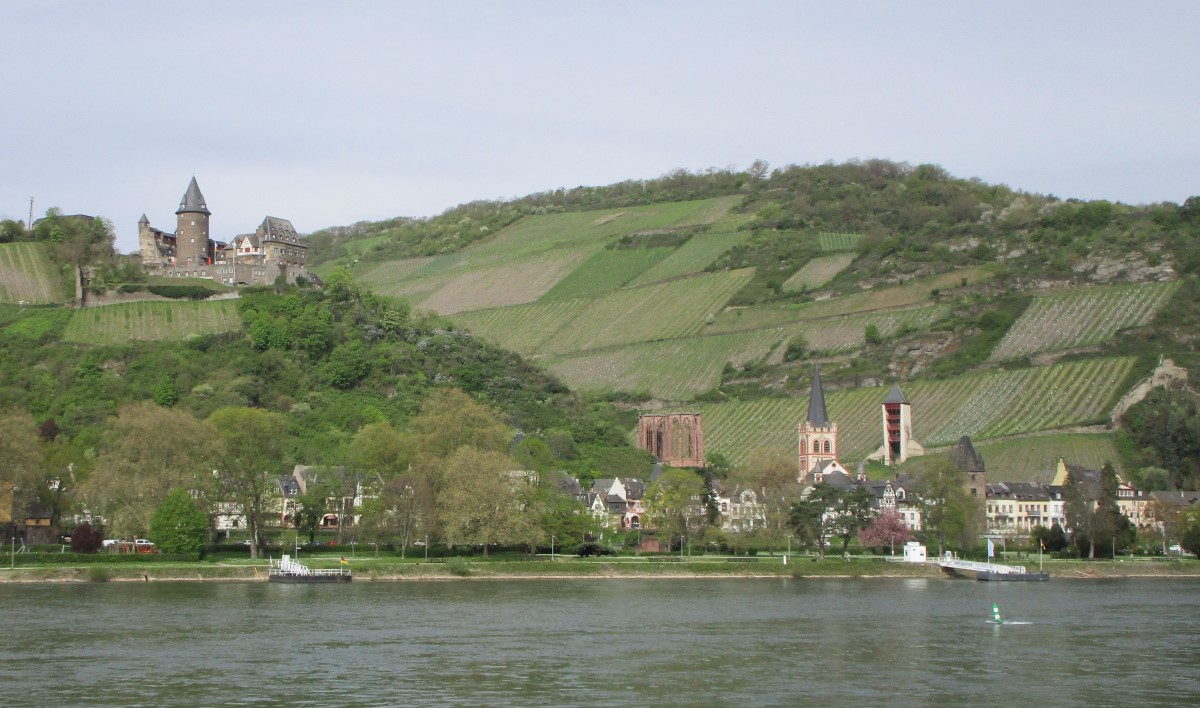 Not a coin in sight ... only vineyards, Stahleck castle, and ruins of an unfinished gothic church. (... and 1460s and 1450s are kind of a wasteland for me) Edited by tdziemia
04/17/2024 2:09 pm
|
|
Moderator
United States
196100 Posts |
Quote:
Not a coin in sight ... only vineyards, Stahleck castle, and ruins of an unfinished gothic church. Lovely view! |
|
Pillar of the Community
Australia
2583 Posts |
@j1m Quote:
One study I'm hoping exists but hadn't been able to find yet (or at least not in a language I can understand) is about the typeforms of medieval numbers on Islamic coins.
They had a whole different tradition going on, or maybe rather several of them, especially in India - and there's little to be found on it anywhere. 4 and 5 in particular used to have some pretty wild shapes. I stumbled across this illustration of the progression from Arabic numeral prototypes both to the European/Gobari styles and also to the Arabic Eastern styles. The same site has a calendar converter for 33 chronological systems. http://creounity.com/apps/time_mach....htm&lang=en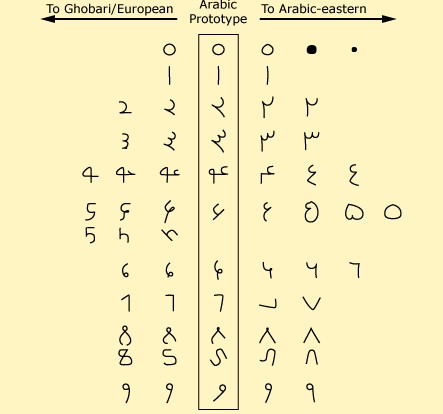 The Ox moves slowly, but the Earth is patient.
|
|
Pillar of the Community
Sweden
2124 Posts |
Wow. Seems like a rather comprehensive account of calendars and number systems. Bookmarked now.
Thanks for digging it out, ttkoo!
|
| |
Replies: 5,946 / Views: 249,584 |








 First Page
 Previous Page


 Posted 04/14/2024 1:09 pm


