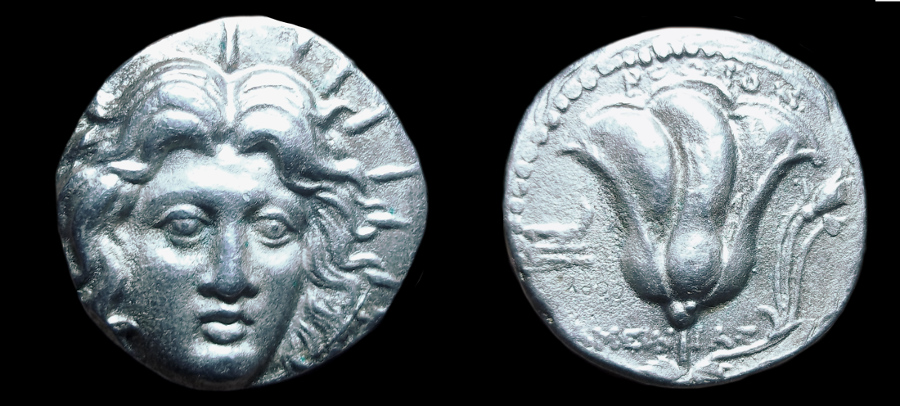
Yes, the term "Becker replica" now refers to two different kinds of fake ancient coin.
Karl Wilhelm Becker was a middle-class German coin collector in the early 1800s. He had bought an expensive ancient coin from an aristocratic numismatist, which turned out to be fake. On being challenged, the aristocrat basically told him "Tough luck, buyer beware". There were no laws protecting consumers or preventing counterfeiting ancient coins back then. So Becker decided to get even with the aristocratic numismatists who ripped him off by becoming a coin forger and selling them fake coins for full price. He was found out, but rather than being repentant, he proudly boasted he had fooled many collectors and museums. After his death in 1830, a more-or-less complete catalogue of his replicas was compiled. Modern scholarship into ancient coins shows many "mistakes" Becker made, which helps identify Becker replicas residing in collections. They are now considered to be 200 year old historic artifacts in their own right, and in some cases are even more expensive than the genuine coins they purport to copy.
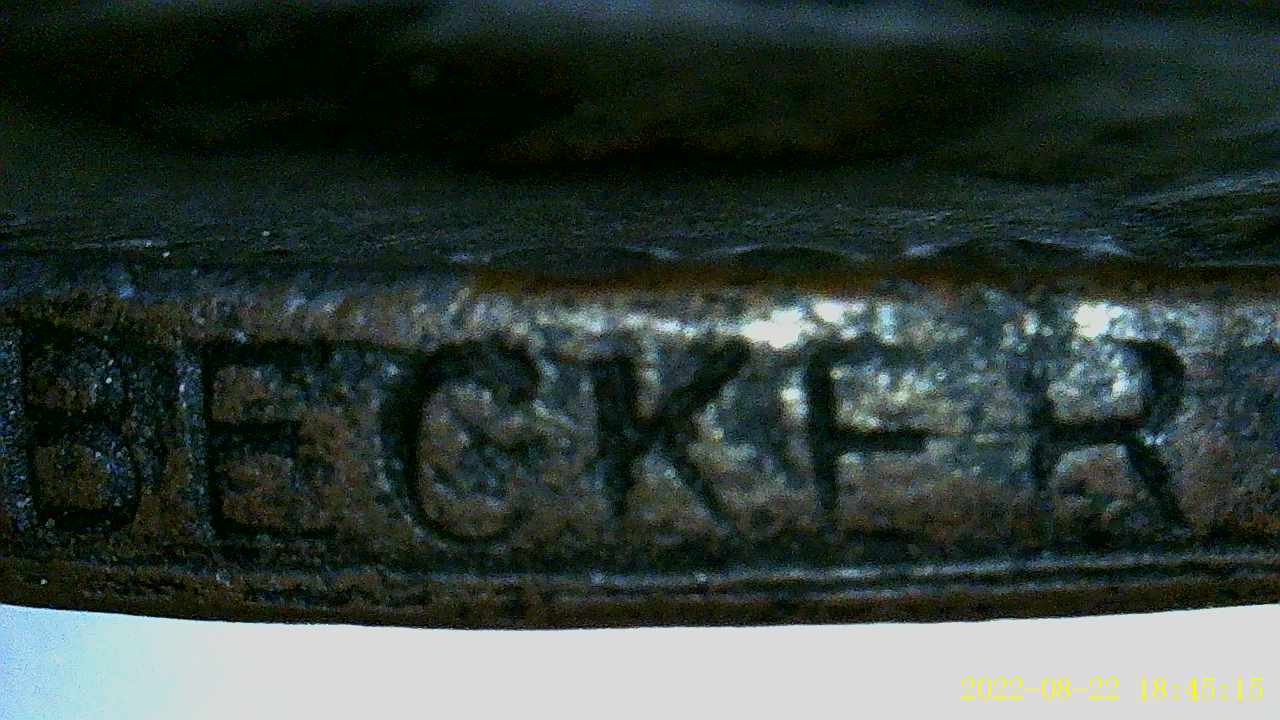
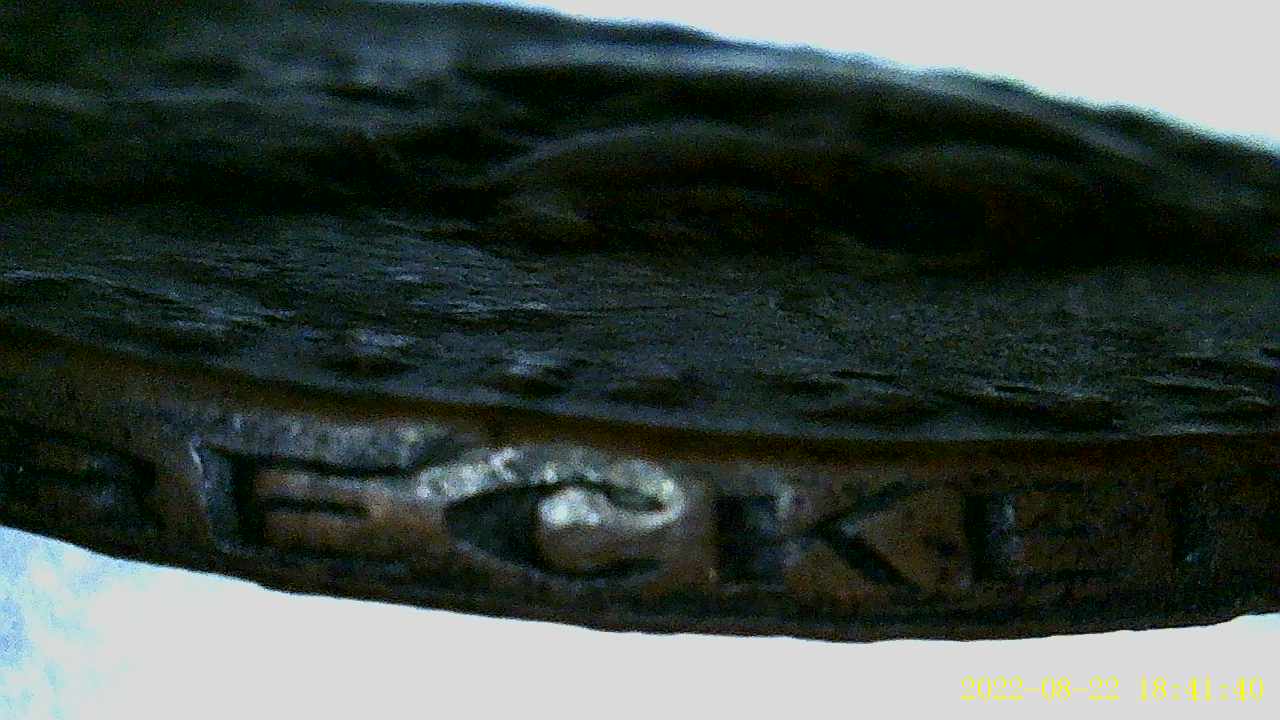
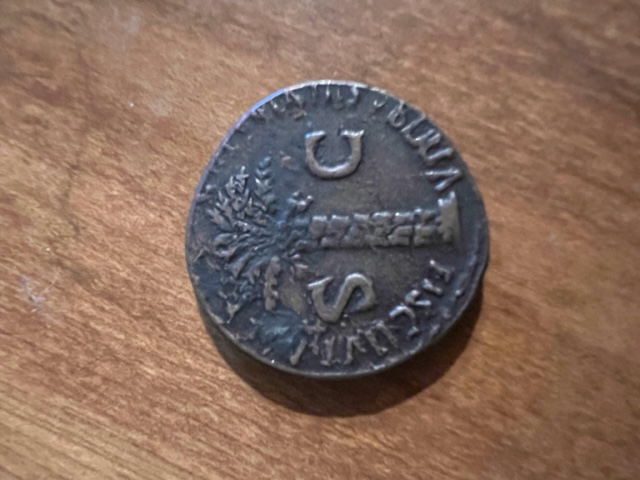
"Becker Reproductions Ltd" was a mid-20th century fake-coin-making business founded by American fake-master Peter Rosa, with no direct connection to the original Karl Becker. His theory was to create replicas of rare and expensive ancient and historic coins that normal collectors couldn't afford to buy. It was his advertisements in the numismatic magazines of the 1950s and 1960s, which openly sold unmarked replicas of ancient coins, that saw the introduction of the Hobby Protection Act in 1973. Rosa disagreed vehemently with the Act's requirement that replica coins be stamped with "COPY" on the face; he believed marking "BECKER" onto the rim was sufficient to deter fraud. Of course, scraping an inscription off the edge of an replica ancient coin is much easier to do that trying to un-deface "COPY" from the face. Rosa reproductions are also well-documented, thanks to his own sales catalogues, but they are nowhere near old enough to be considered "valuable collectables" in their own right. There are people who collect them, but they don't tend to want to pay much of a premium above scrap metal value. And, thanks to the Act, it is now illegal to openly offer for sale such replicas.
ebay will flat out refuse to allow them to be listed.
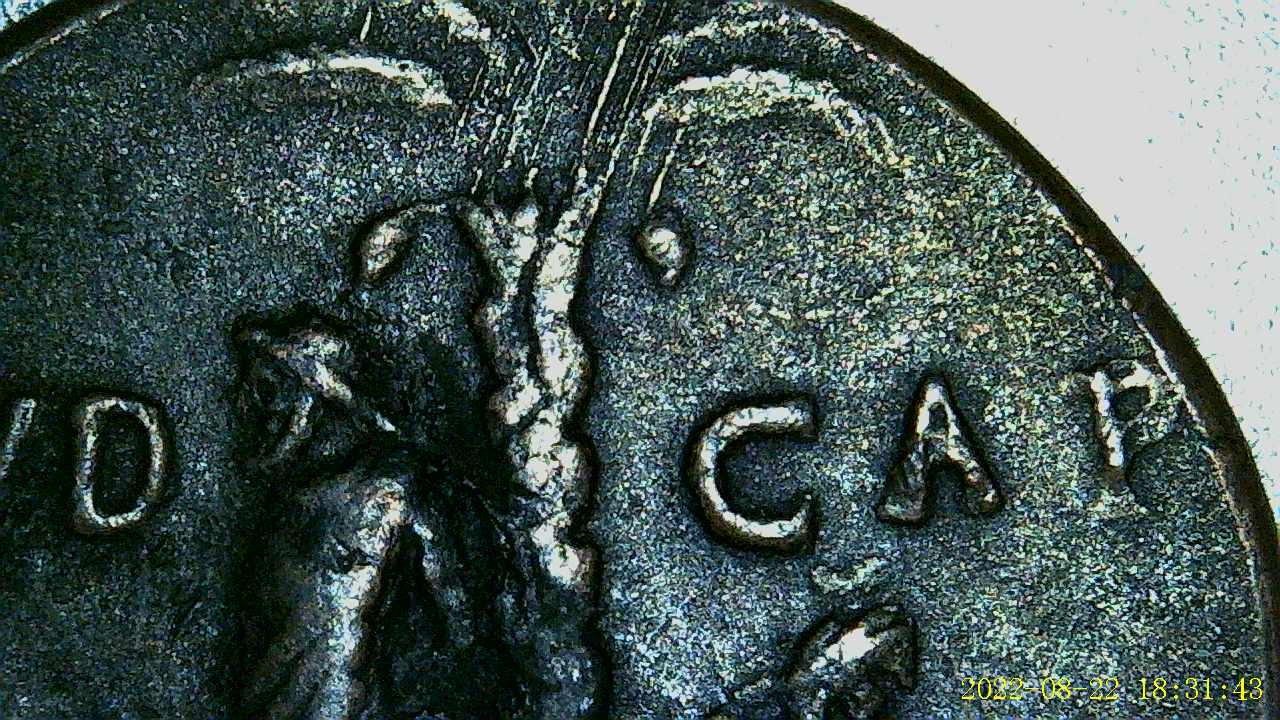
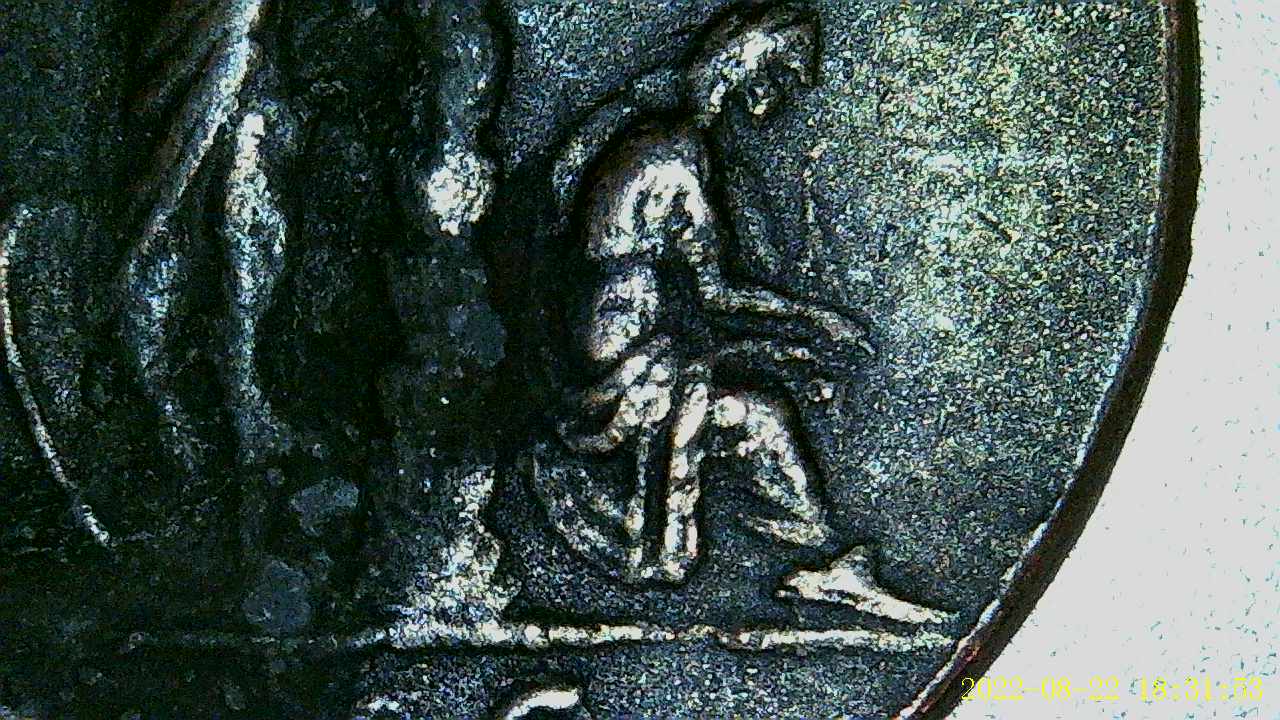
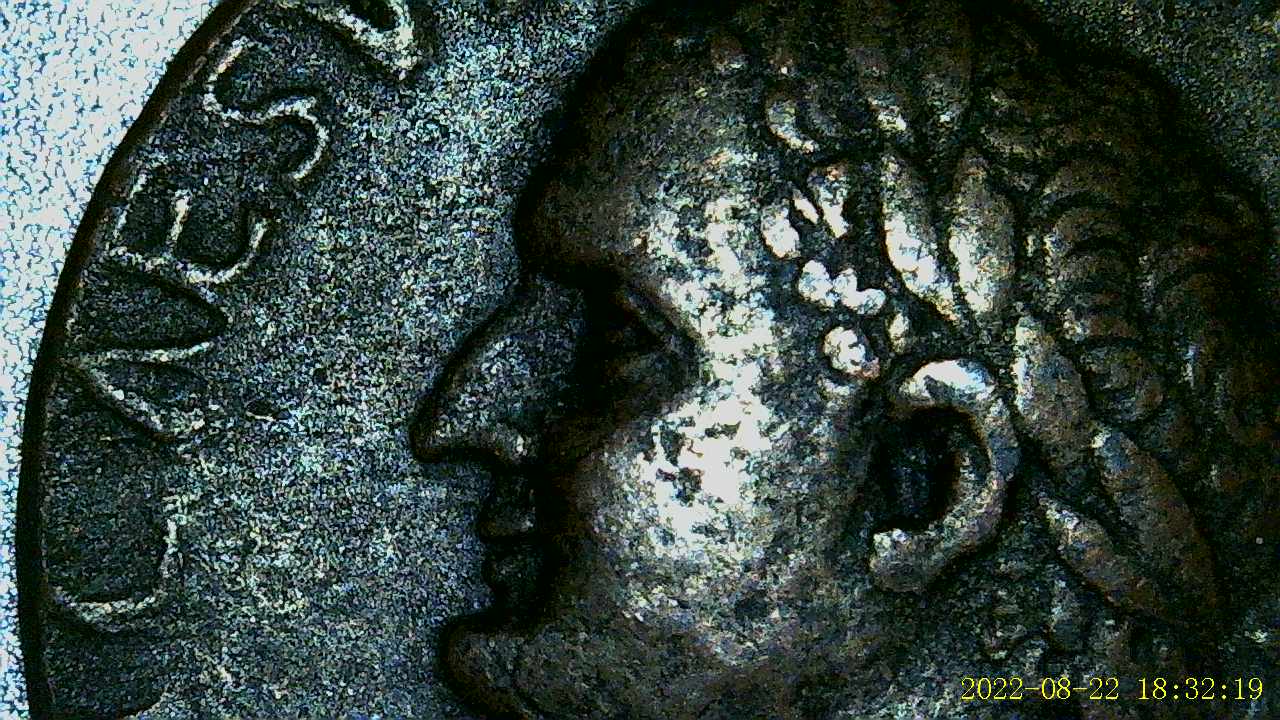
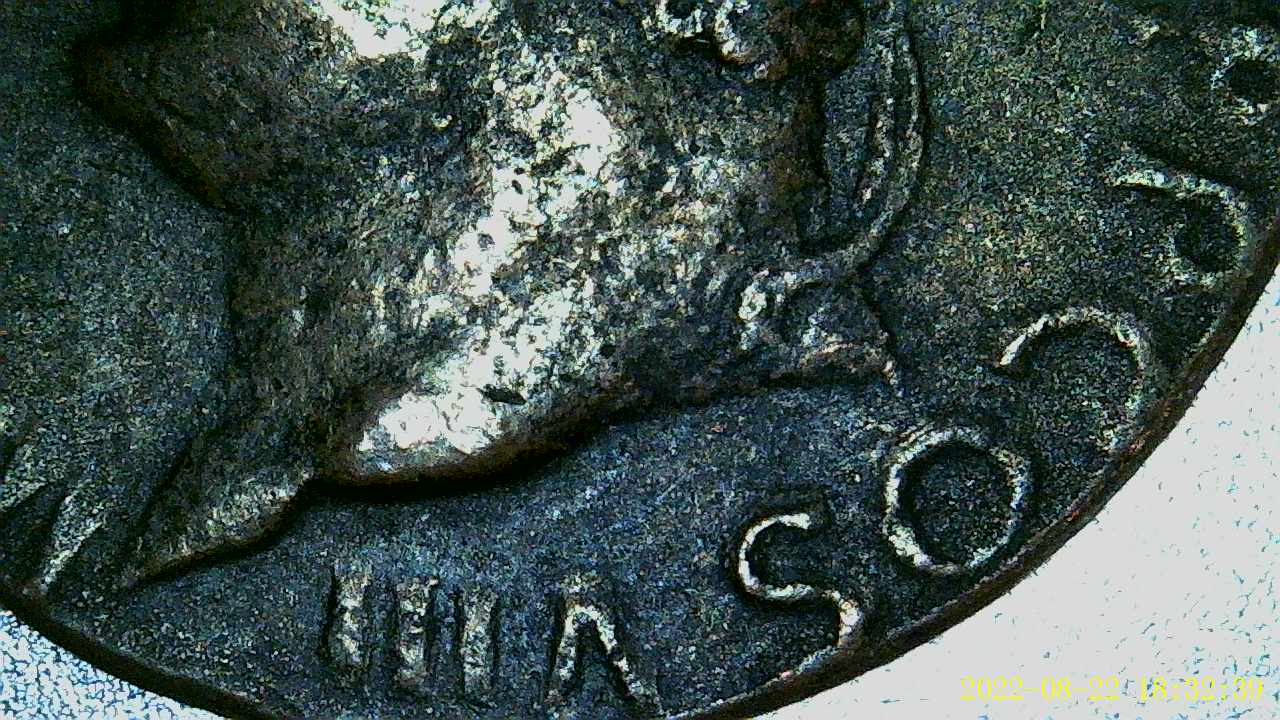
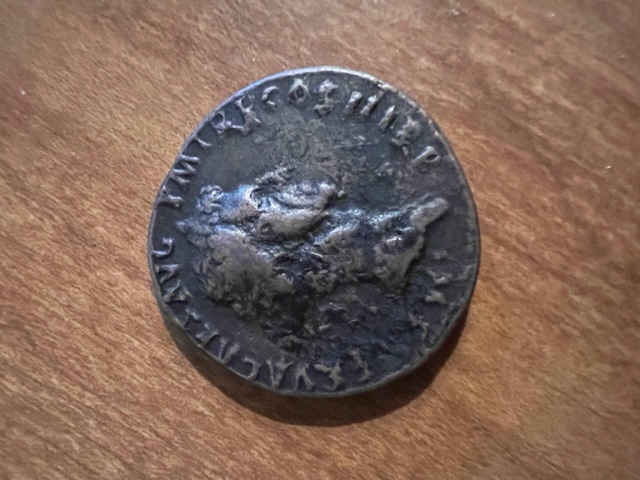
Your coin is, needless to say, a coin from that "second Becker". The TPGs
might authenticate a Becker replica as such, but will probably not authenticate a Rosa replica.
Don't say "infinitely" when you mean "very"; otherwise, you'll have no word left when you want to talk about something really infinite. - C. S. Lewis








 Posted 08/28/2022 10:16 am