| Author |
 Replies: 10 / Views: 2,902 Replies: 10 / Views: 2,902 |
|
|
New Member
United States
13 Posts |
I have a 1942 Wheat penny that weight 2.957g. I have weighed a variety of wheat pennies from the 40's, and I have 1 other from that time frame that weights 3.0g. I have not found anything else less than 3.03g. This particular penny appears to be thinner than other pennies from the time period. I don't think the coin has a great deal of wear on it to account for the thinness. I have a different Wheat penny from the early 50s that is of a similar thickness, but it clearly has a well traveled look to it. I followed a post on the forum about the Ethiopian planchet, and I did try to do some detective work. The planchet thickness is supposed to be 1.52mm, but this thinkness seems to be more on the order of 1.4mm ish. thoughts on the penny? 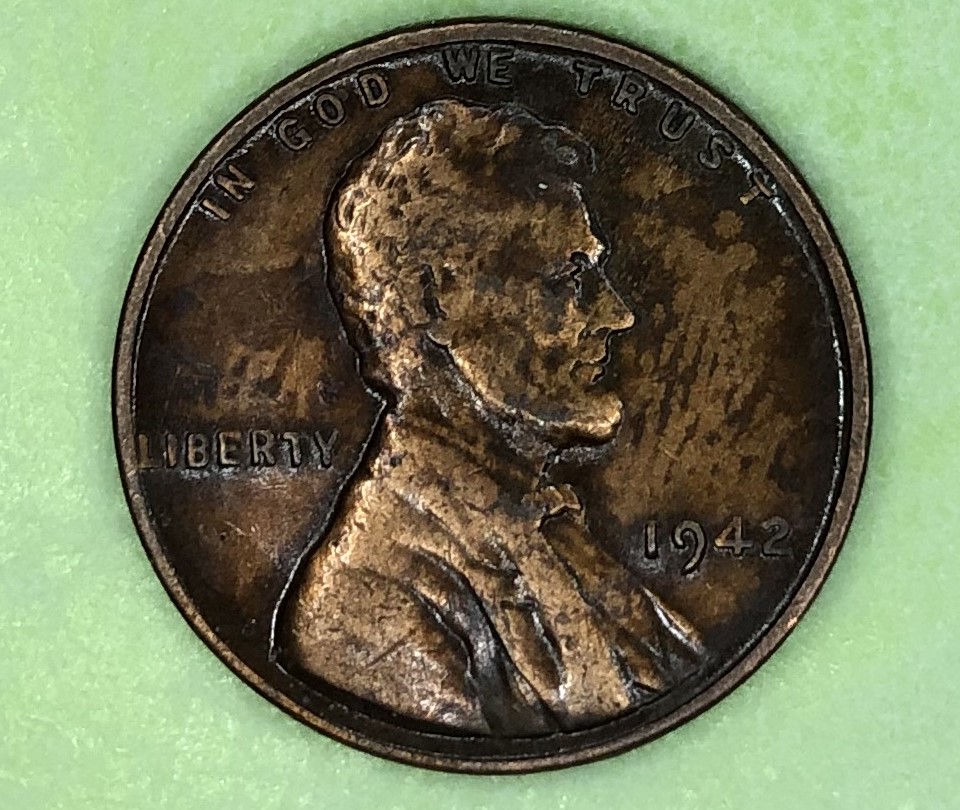 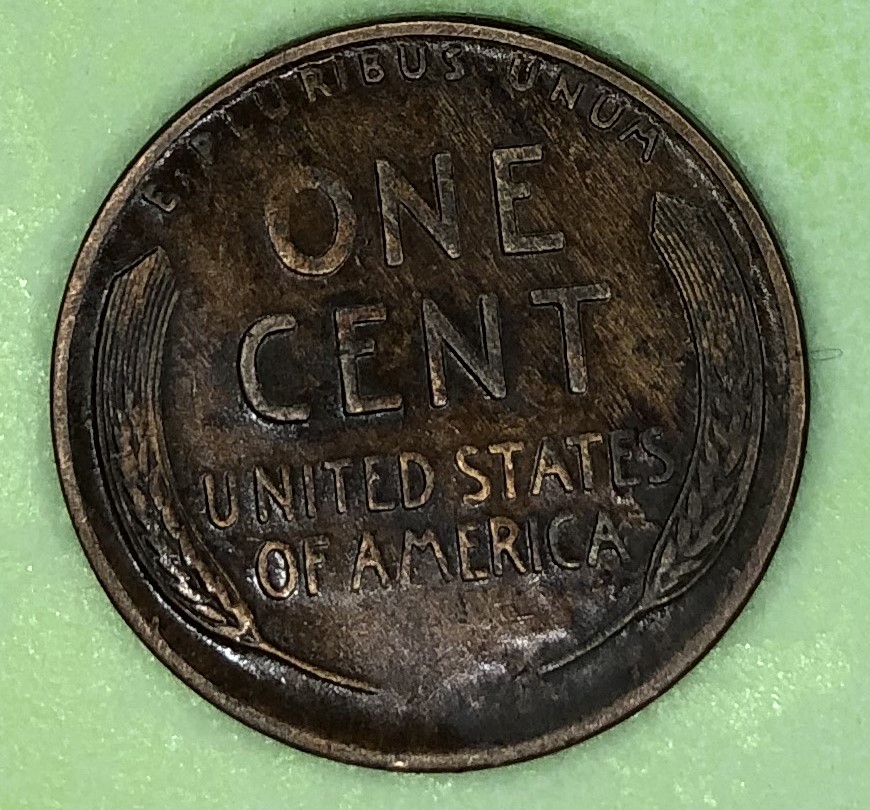 |
|
|
|
Bedrock of the Community
United States
19531 Posts |
Would be useful to see an end-on shot of the rim--perhaps next to a normal weight Wheat cent. The planchet may have been rolled thin. |
|
Bedrock of the Community
United States
94367 Posts |
Pretty close to normal tolerance. Not a big deal.  to the CCF! |
|
Moderator
 United States
105745 Posts |
it looks like it was lacquered or varnished
|
|
New Member
 United States
13 Posts |
I will try to get a side view. Is it helpful to have the pennies next to each other or with a separator like a thing piece of cardboard?
thanks
|
|
Pillar of the Community
United States
1077 Posts |
I'm in concurrence with Coinfrog on the "normalcy" of this coin. The -0.15g Δ is a shade less than 5% variation from the published standard weight. But check this out if you think there may be a non-USA planchet involved: collectors-checklist-foreign-coins-by-us-mint-type.pdf Diameters and weights for contemporaneous US-struck foreign coins can be found in any KM catalog for 20th-century world coins and also (probably) at numista.com for most of them. I agree with Dearborn that it's been lacquered...why would someone do that to a common Lincoln Cent? Also .................. to the forums! "If everything seems to be under control, you're just not going fast enough."
--- Mario Andretti
|
|
Moderator
United States
56855 Posts |
Mint tolerance is +/- 0.12 grams.On modern cents it is 0.10 grams. John1  |
|
Bedrock of the Community
United States
10635 Posts |
 also, lacquered coins was commonplace "back in the day" to protect the coin. Luckily the lacquer is easily removed.  to the CCF! |
|
New Member
United States
13 Posts |
Interesting that someone mentioned foreign coins struck at the mint. 1 Centavo for the dominican republic 3.0 g 19.0 mm diameter 1.4 mm thickness I read a post previously that described how to find what was minted at the US mint by year. This coin seems to fit the bill pretty closely. But, given the similarity to the Wheat penny, how to differentiate except but for the thickness? Have any of these potential planchet errors been authenticated? Was there anything special about the outer layer of this planchet that could give that finished look? Picture copied from the foreign mint guide. 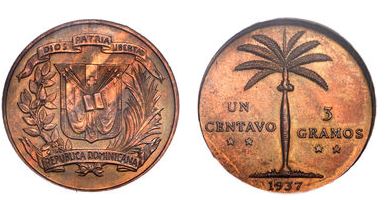 |
|
New Member
United States
13 Posts |
I know this has been a while. I finally secured a digital caliper. The 1942 Wheat penny in the picture is 1.41mm in thickness, and 19.01 mm diameter. weight is 2.95 Is there a chance this is a Wheat penny from the Dominican Republic planchet that was being minted in the US at the time? And, beyond the weight, thickness, and diameter, what else can I check on this coin? thanks |
|
Bedrock of the Community
United States
27283 Posts |
Quote:Is there a chance this is a Wheat penny from the Dominican Republic planchet that was being minted in the US at the time? Yes, there is a 100% chance that it was struck on such a planchet. That's because both coins were struck on the same planchets. The Dominican Republic 1 Centavo 1957 below weighs 2.97 g. 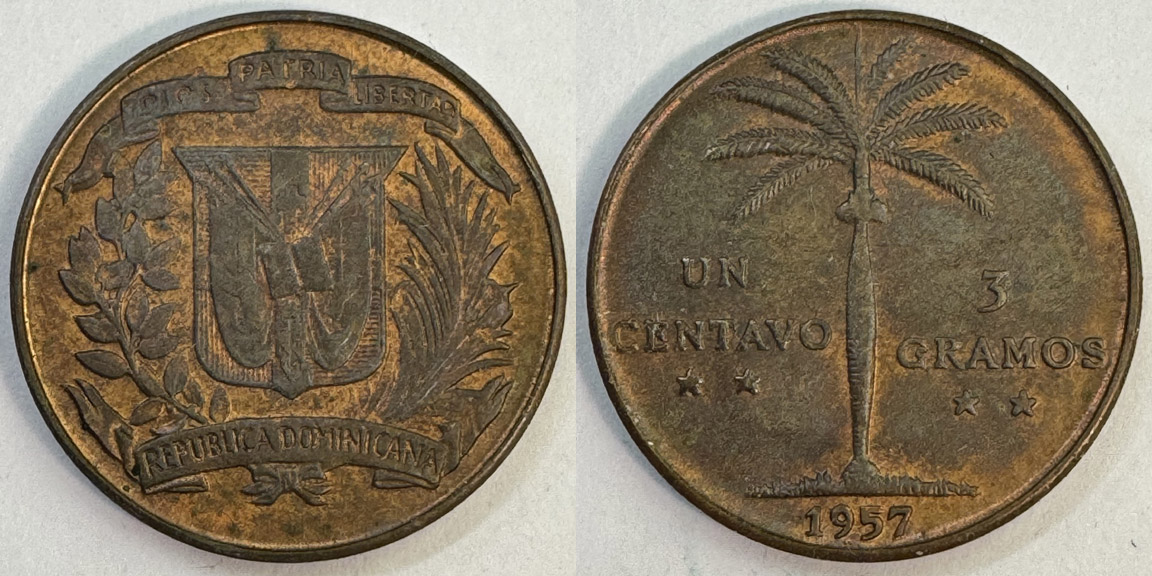 Quote:
And, beyond the weight, thickness, and diameter, what else can I check on this coin? There's no need to do anything else. Undoubtedly it was struck on a rolled-thin planchet. And it could not have been on an Ethiopia 1 Santeem because those were not minted in Philadelphia until 1944. Inordinately fascinated by bits of metal with strange markings and figures
|
| |
Replies: 10 / Views: 2,902 |
|






 Posted 01/23/2023 9:31 pm





