| Author |
 Replies: 16 / Views: 1,010 Replies: 16 / Views: 1,010 |
|
Pillar of the Community
United States
3341 Posts |
*** Moved by Staff to a more appropriate forum. ***Any idea what caused the scalloped damage on this coin? I found this in my pocket change, and it stood out because there is still lots of luster left. 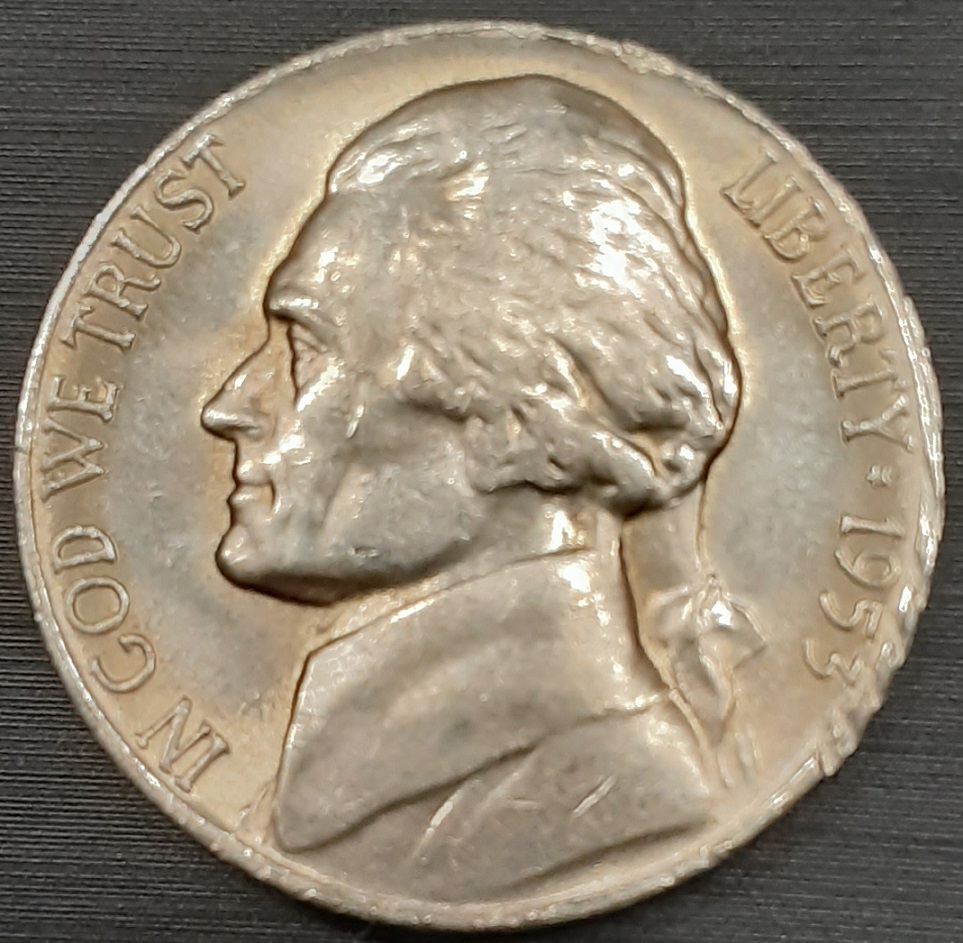 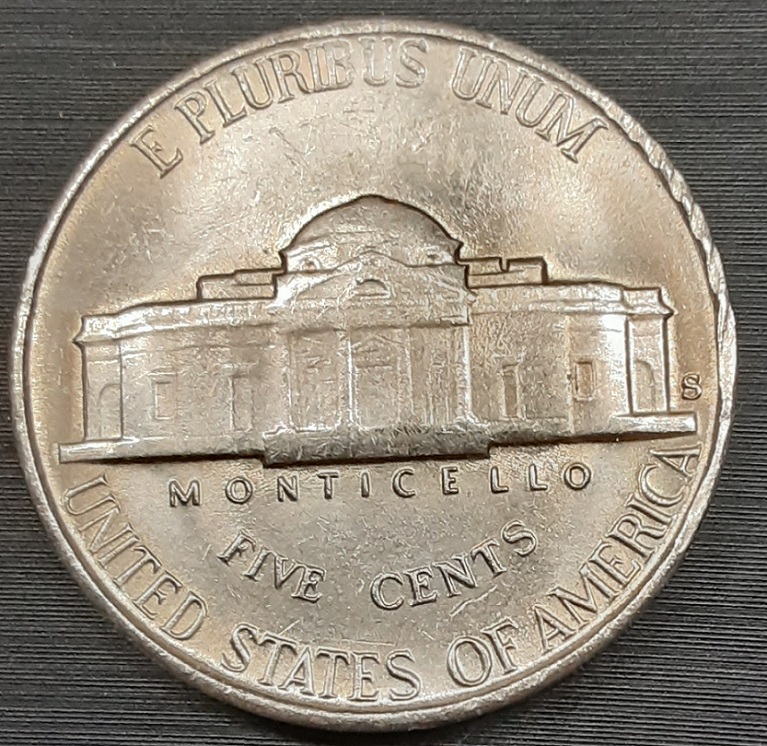 "Nummi rari mira sunt, si sumptus ferre potes." - Christophorus filius Scotiae
|
|
|
|
Pillar of the Community
United States
3535 Posts |
Some sort of Damage done after minting. What exactly? Who knows? PMD |
|
Bedrock of the Community
Canada
21854 Posts |
If it couldn't have happened during the striking of the coin,
then it is damage, not always possible to say exactly how
it happened but it looks like something was squeezed onto
both sides. It is just a damaged quarter now.
|
|
Moderator
 United States
194498 Posts |
|
|
Moderator
United States
34531 Posts |
I agree mechanical damage. Could be from the jaws of a vise, but also could be a bajillion other things too I suppose.
"If you climb a good tree, you get a push."
-----Ghanaian proverb
"The danger we all now face is distinguishing between what is authentic and what is performed."
-----King Adz
|
|
Pillar of the Community
 United States
5713 Posts |
Looks like the rim was grabbed by pliers with serrated jaws.
|
|
Pillar of the Community
United States
7572 Posts |
What you have on your coin are roller line damage. Back in 2017 I posted a similar anamoly on a Dime pictured below. 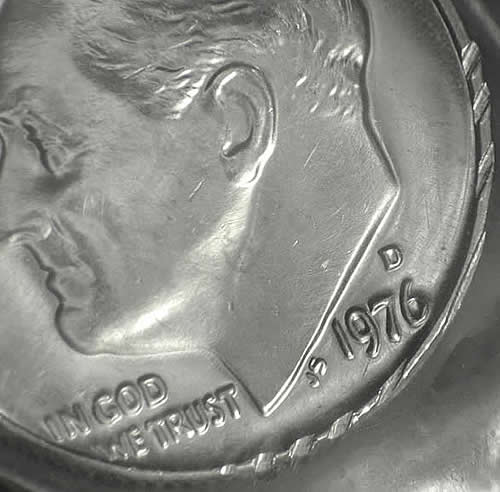 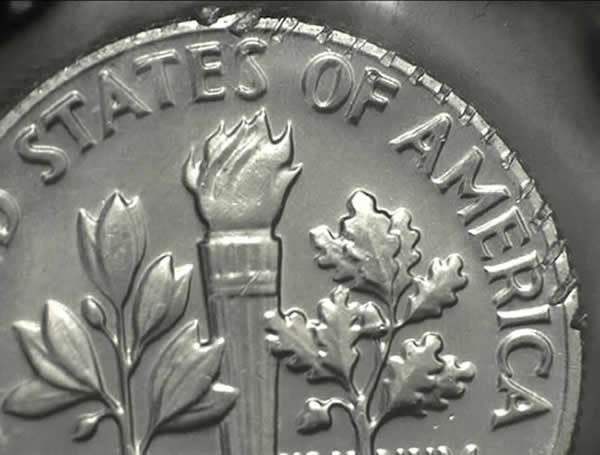 This coin was/is in a mint cello Edited by Chase007
02/13/2025 3:30 pm
|
|
Moderator
United States
194498 Posts |
Quote:
Back in 2017 I posted a similar anamoly on a Dime pictured below.  |
|
Pillar of the Community
United States
3535 Posts |
"Roller marks are caused by large steel rollers thinning out the stock metal sheets to the proper thickness."
I can't see any possibility of roller marks finding their way onto just the rim of a coin
as shown in the pictures above, especially that deep and nothing on the coin surface/fields.
The roller marks happen during the rolling of stock metal sheets phase.
Any further info on this would be greatly appreciated for learning purposes.
|
|
Moderator
United States
105134 Posts |
I think that the coins (in this case both of them) were damaged by the Cello sealing machine.
all the damage is down to only one location on the coin, which tells me that the coin was partially out of the unsealed cello pack and got hit by the heat crimper.
|
|
Pillar of the Community
United States
6878 Posts |
|
|
Bedrock of the Community
United States
78184 Posts |
I agree with Dearborn. PMD. Errers and Varietys.
|
|
Pillar of the Community
United States
7174 Posts |
 Sealing damage. |
|
Bedrock of the Community
United States
10601 Posts |
It sure looks like cello machine sealing damage - BUT the US Mint didn't start using cellophane packaging until 1959.
|
|
Pillar of the Community
United States
3535 Posts |
Quote:Dearborn called it. The diagnosis from Dr. Coop: http://goccf.com/t/422009#3632075 Cool, thanks for posting the info, I agree with that, except for the fact (I think) about cello machines not yet being used in 1953. That's a bit of a conundrum. |
|
Pillar of the Community
United States
6878 Posts |
Well, it sure is similar to sealing machine damage. Whatever the cause, it seems reasonable to conclude that it is PMD. |
| |
Replies: 16 / Views: 1,010 |










 Posted 02/13/2025 2:06 pm


