










 Posted 03/10/2009 01:52 am


Hi All,
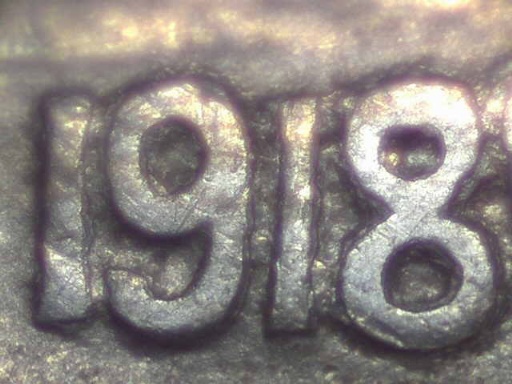
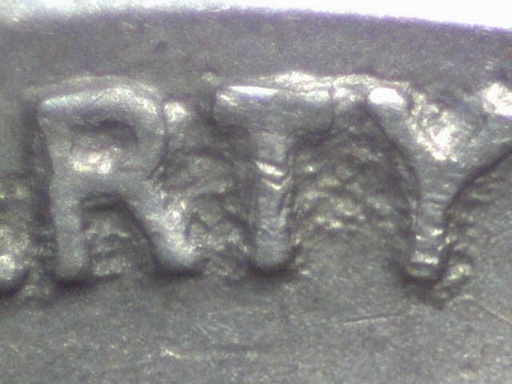
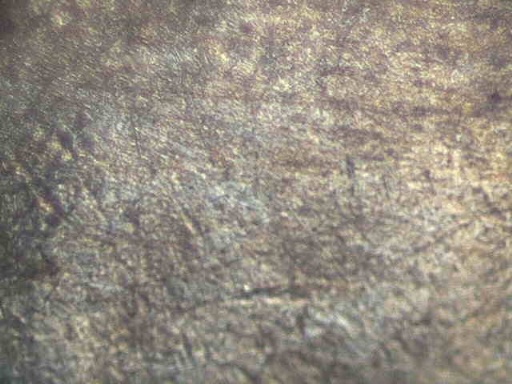
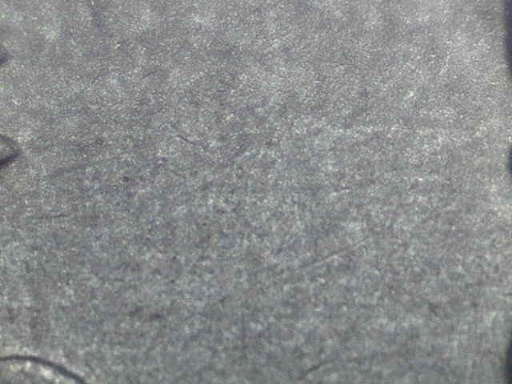
I started with a pristine Jefferson nickel. I soaked it in vinegar and the result on the surface of the coin as well as the overall appearance of the vinegar soaked nickel matched up fairly well with the effects seen on the 1918 Buffalo nickel.
When I had done a little research on older practices, I discovered that it was not uncommon in years past to take a VF+ to XF+ nickel and soak it for several weeks in vinegar. The acidity raises a little detail by etching the surface of the coin. It was a milder version of using something like Nick-a-date (date restorer) to make the coin look a little better.
The 1918 had some evidence of cleaned out pitting as well as an "etched" appearance and it could only have been accomplished by a soaking in a mild acid. There wasn't a natural look to the surface of the coin when you take the wear into consideration.
My theory is that the 1918 nickel was soaked in the same way as I soaked the Jefferson nickel. The vinegar etched the surface of the Jefferson to a degree that made it look like the buffalo's surface. It took about 8 weeks of soaking with plain white vinegar.
I think that the buffalo had some wear and some environmental damage. I think it was cleaned manually first and then soaked to remove some of the scratches left by a cleaning. Some evidence of cleaning is still visible on the 1918 buffalo as light scratches. Since there was some wear on the buffalo it was etched a little deeper in the fields by the vinegar. I used an Uncirculated Jefferson nickel so the etching of the acid did not dig as deep since there wasn't as much wear on the surface of the Jefferson nickel to begin with.
Have Fun,
Bill
I started with a pristine Jefferson nickel. I soaked it in vinegar and the result on the surface of the coin as well as the overall appearance of the vinegar soaked nickel matched up fairly well with the effects seen on the 1918 Buffalo nickel.
When I had done a little research on older practices, I discovered that it was not uncommon in years past to take a VF+ to XF+ nickel and soak it for several weeks in vinegar. The acidity raises a little detail by etching the surface of the coin. It was a milder version of using something like Nick-a-date (date restorer) to make the coin look a little better.
The 1918 had some evidence of cleaned out pitting as well as an "etched" appearance and it could only have been accomplished by a soaking in a mild acid. There wasn't a natural look to the surface of the coin when you take the wear into consideration.
My theory is that the 1918 nickel was soaked in the same way as I soaked the Jefferson nickel. The vinegar etched the surface of the Jefferson to a degree that made it look like the buffalo's surface. It took about 8 weeks of soaking with plain white vinegar.
I think that the buffalo had some wear and some environmental damage. I think it was cleaned manually first and then soaked to remove some of the scratches left by a cleaning. Some evidence of cleaning is still visible on the 1918 buffalo as light scratches. Since there was some wear on the buffalo it was etched a little deeper in the fields by the vinegar. I used an Uncirculated Jefferson nickel so the etching of the acid did not dig as deep since there wasn't as much wear on the surface of the Jefferson nickel to begin with.
Have Fun,
Bill
Edited by foundinrolls
03/10/2009 01:57 am
03/10/2009 01:57 am


