| Author |
 Replies: 24 / Views: 1,626 Replies: 24 / Views: 1,626 |
|
New Member
United States
22 Posts |
Here is a 1954 d Lincoln Cent. Are the little "squiggly" lines from an engraving tool? If so is this normal? I dont recall seeing these marks on any coins before. The oictures are not so good and do not shiw great detail. The marks cover about 97% of the coin on each side. *** Moved by Staff to a more appropriate forum. ***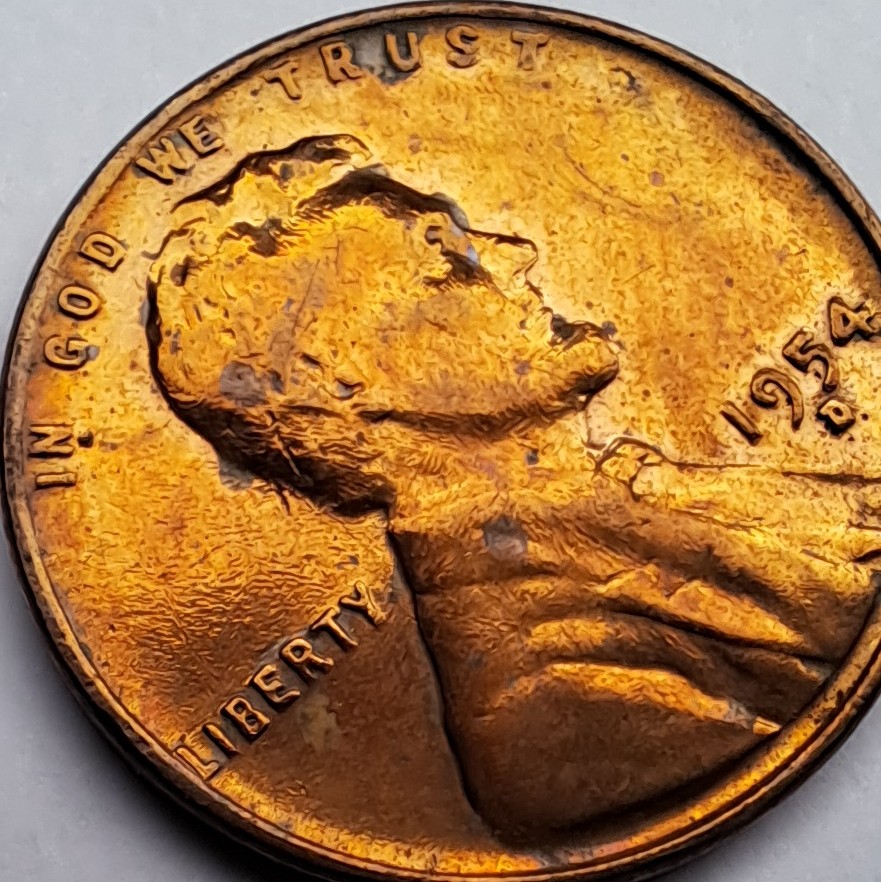 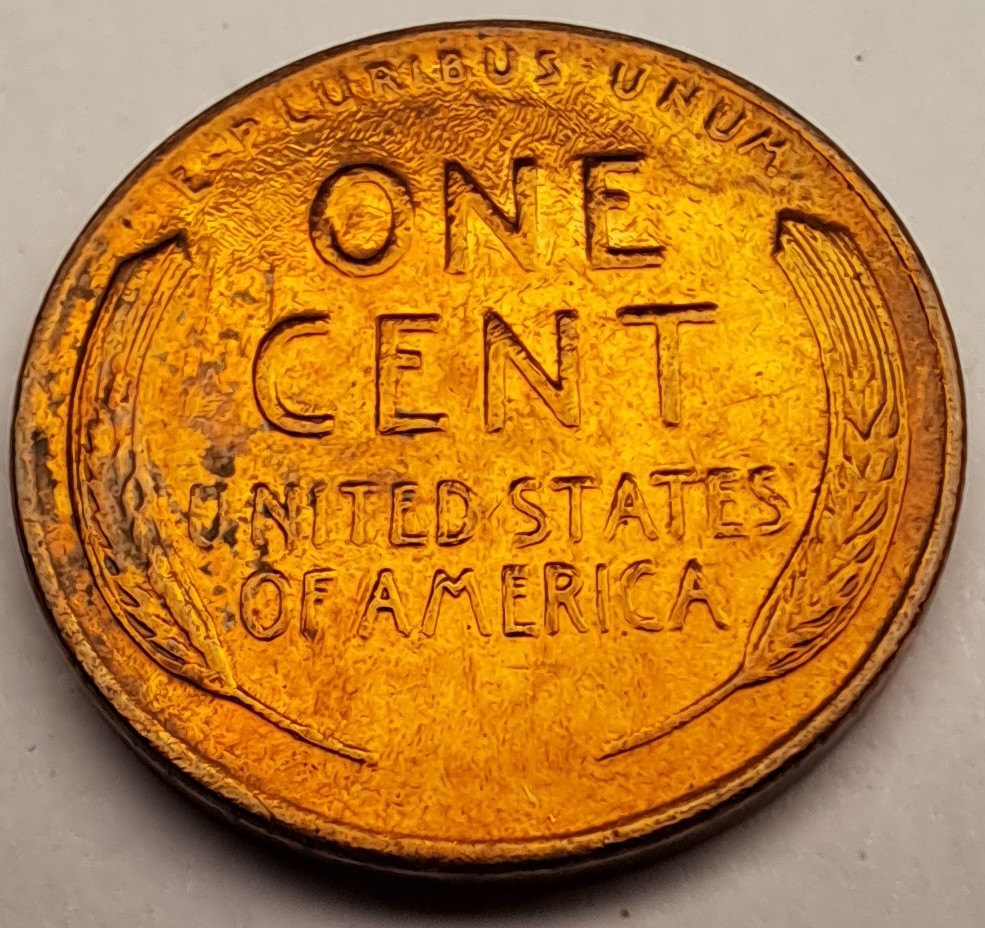 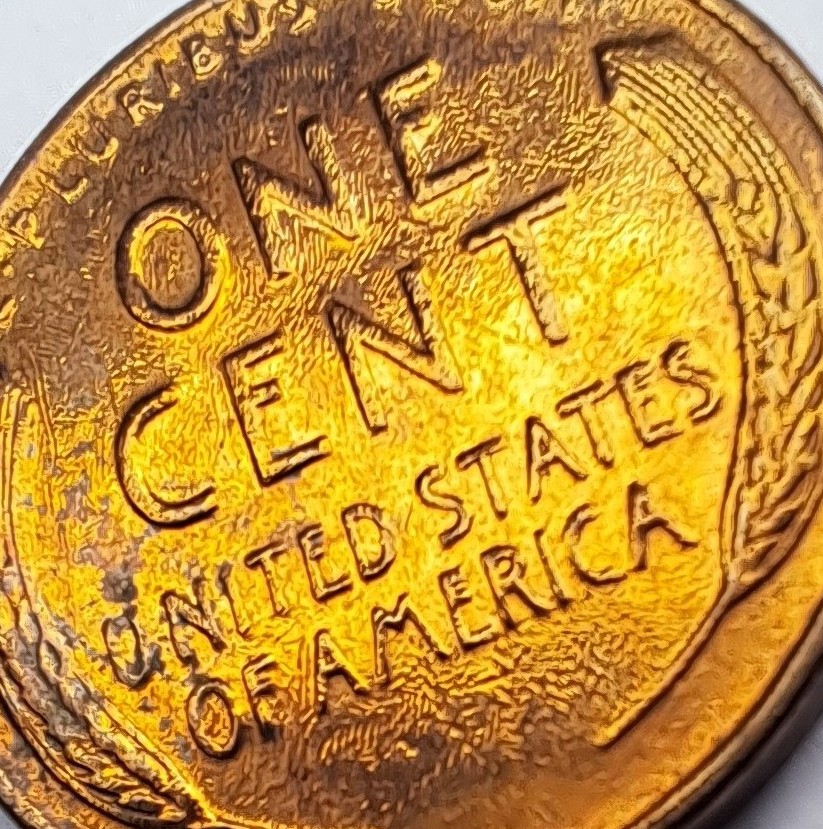 |
|
|
|
Pillar of the Community
United States
6906 Posts |
|
|
Moderator
 United States
56855 Posts |
|
|
Valued Member
United States
301 Posts |
Greetings, I am going to go with Heat damage, given the fact both sides of the coin is effected. Don`t believe any chemical damage is the culprit. Well lets wait and see what other`s say.  |
|
Bedrock of the Community
United States
19636 Posts |
Interesting. Can't rule out a short exposure to extreme heat. Might be a plating experiment/attempt gone awry. Add an 'old' cleaning into the mix.
|
|
Bedrock of the Community
United States
94367 Posts |
 to the CCF! |
|
Pillar of the Community
 United States
9021 Posts |
to the forum! Have you tried giving it a soak in acetone to rule out residue of some sort? -makecents-
|
|
Moderator
United States
108290 Posts |
popcorn time indeed  I'll go along with a heat issue at the moment. |
|
Bedrock of the Community
United States
79681 Posts |
To CCF! I think it's heat damage too. Errers and Varietys.
|
|
New Member
 United States
22 Posts |
Thanks for the input. Under magnification these marks look surprisingly similar to a peice of wood that has been shaped using hand tools. The marks have sharp egdes that are not visible in the puctures. I will be purchasing a microscope and I will take better pictures to post.
Any suggestions on what type of microscope would be a good one that hooks to computer? Thanks
|
|
Moderator
United States
56855 Posts |
Just a thought, coated in varnish? Weight? John1  |
|
Pillar of the Community
United States
7174 Posts |
to the CCF Not heat. If you heated up a cent to the temperature needed to ripple the surface, the whole coin would melt. It would be black when it cools down. You could never get it back to the original color without polishing. Not like a clad coin where the layers react differently at different degrees, that's where you get bubbles between the layers. Don't know what it is, but as stated above maybe coated with something. Soak it in acetone, see if it changes. Edited by Cujohn
06/28/2023 4:04 pm
|
|
New Member
United States
22 Posts |
Coin weighs in at 3.05 on two scales. I am pretty sure there is not any residue on it. Dont have acetone. Did not know acetone can be used on coins. Good to know. How do I reply to individual members?
|
|
Bedrock of the Community
United States
27514 Posts |
Kkoch, you won't be able to DM (email) members until you have 50 quality posts. But yes, pure acetone will dissolve grime from coins without affecting them. But make sure it's pure acetone - not nail polish remover.
Inordinately fascinated by bits of metal with strange markings and figures
|
|
New Member
United States
22 Posts |
I will try acetone and let you know results. Coin doesn't have any blemish marks like it was buffed or cleaned in any way. These marks have characteristics of very fine tooling with sharp detail which are not clear in my pictures. They are not visible without looking with eyepiece. It's a mystery.  Thanks |
|
New Member
United States
22 Posts |
Hello again everyone. I have an update. I gave my coin an acetone bath and nothing has changed.
Any thoughts on how to figure out what these marks on coin are from?
What if I send it to P.C.G.S or other grading company. Not sure what I should do. Thanks
|
| |
Replies: 24 / Views: 1,626 |







 Posted 06/28/2023 06:41 am





